


Artistic Prints Guide: Expert Tips for 2025 Collectors
Artistic prints are capturing the spotlight in 2025, with collectors and investors fueling a vibrant, fast-growing market. Whether you are just starting or already seasoned, mastering the world of artistic prints requires a strategic approach.
This guide delivers expert insights to help you navigate evolving trends, authenticate works, select standout pieces, and make informed investments. Discover essential tips for building a valuable collection, understanding market shifts, and displaying your artistic prints with confidence.
Ready to elevate your collection? Let’s explore the strategies that make artistic prints a standout choice this year.
Understanding Artistic Prints: Types, Techniques, and Trends
Artistic prints are taking center stage in the world of modern collecting. As we move into 2025, both new and experienced collectors are discovering the incredible variety and innovation within artistic prints. This section explores what sets these works apart, the techniques behind them, and the key trends shaping their popularity.
What Are Artistic Prints? Definitions and Key Characteristics
Artistic prints are original artworks produced in multiple copies, each considered an authentic creation rather than a mere reproduction. There are several categories to understand:
- Original prints: Created directly by the artist using a printmaking technique, such as lithography or screen printing.
- Limited editions: Produced in a set quantity, each print is individually numbered and often signed by the artist, enhancing value and exclusivity.
- Mass-produced reproductions: Mechanical copies, not considered original artistic prints, as they lack direct artist involvement.
Traditional printmaking includes lithography, etching, and screen printing, where the artist works hands-on with materials. Digital printmaking, like giclée, uses high-resolution printers and archival inks, offering new creative possibilities.
Signatures and numbering are crucial in authenticating artistic prints. For example, Banksy’s signed editions are significantly more valuable than unsigned ones, as the signature confirms the artist’s direct approval. Collectors should always verify these details to ensure authenticity.
Popular Print Styles and Techniques for 2025
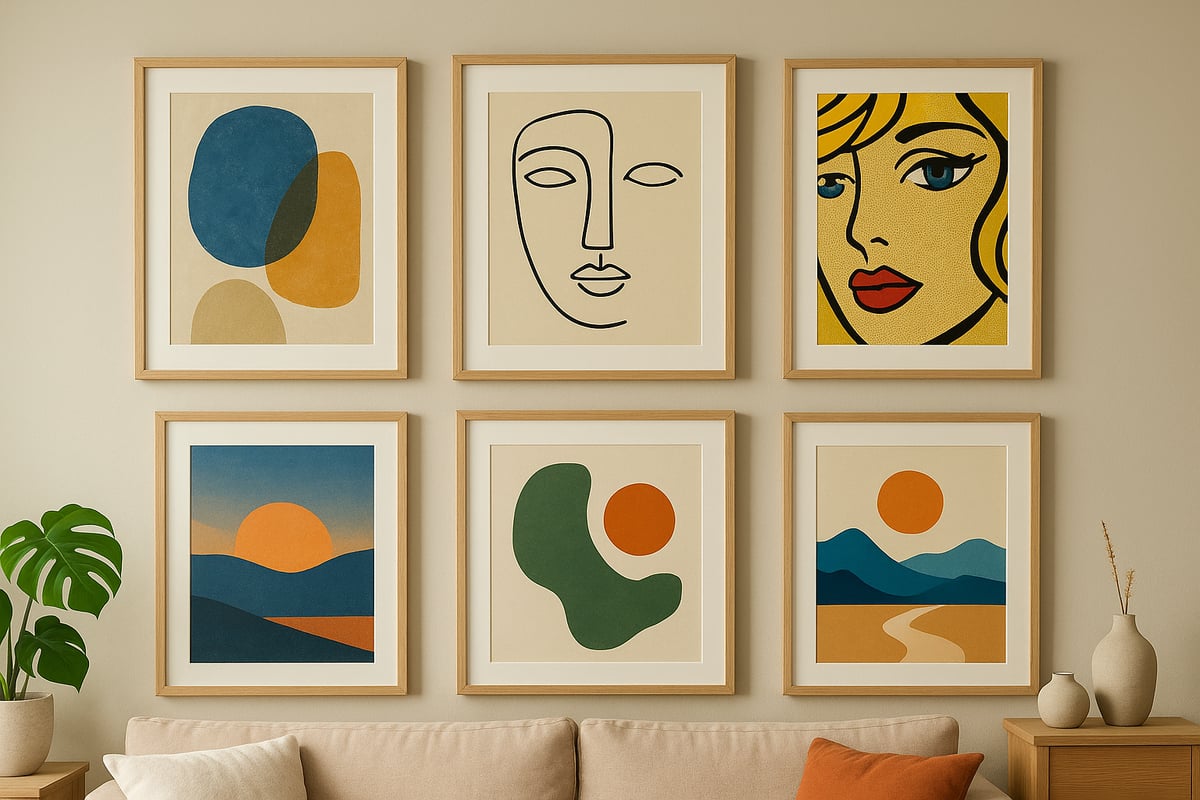
The landscape of artistic prints is evolving, with certain styles dominating the scene in 2025. Abstract, minimalist, and pop art prints continue to attract broad audiences, while digital hybrid artworks blend traditional and digital processes for unique results.
Data from Artnet reveals a 25% surge in digital art print sales in 2024, signaling the growing acceptance of technology-driven creativity. Eco-friendly and sustainable materials are also gaining traction, with artists opting for recycled paper and non-toxic inks.
Collectors are turning their attention to what’s trending. For a detailed look at styles influencing the market, see this overview of 2025 wall art trends, which highlights the popularity of both bold and subtle artistic prints in contemporary décor.
Market Trends: What’s Driving Collector Demand?
Several factors are fueling demand for artistic prints in 2025. The rise of online art marketplaces makes global access easier than ever, allowing collectors to discover works from emerging and established artists alike. Social media platforms and influencer artists amplify exposure, with limited edition drops creating buzz and urgency.
NFT-linked prints are another innovation, offering digital certificates of authenticity and new ways to prove ownership. Collectors are drawn to these hybrid offerings that bridge the physical and digital art worlds.
The interplay between accessibility and exclusivity is shaping the market. Artistic prints are no longer just for seasoned connoisseurs, but are appealing to a diverse, global audience looking for both investment and personal expression.
Key Perspectives: Artists, Galleries, and Collectors
Artists are embracing artistic prints as a way to reach wider audiences without compromising the integrity of their work. By releasing limited editions, they can balance accessibility and exclusivity, ensuring each piece retains value.
Galleries play a pivotal role in setting edition sizes and advising on the value of artistic prints. They help educate buyers about the importance of provenance and documentation, which can influence future resale.
Collectors are motivated by various factors, including the desire to support artists, enhance their living spaces, and make informed investments. Whether drawn by aesthetics, potential appreciation, or the thrill of discovery, artistic prints offer something meaningful for everyone.
Building a Valuable Print Collection: Step-by-Step Guide
Starting or expanding a collection of artistic prints is both an exciting journey and a strategic investment. By following a clear, step-by-step approach, collectors can make informed decisions, avoid pitfalls, and build a collection that reflects both passion and value.
Step 1: Define Your Collecting Goals and Budget
Begin by clarifying why you want to collect artistic prints. Are you interested in personal enjoyment, interior design, supporting emerging artists, or building an investment portfolio? Defining your objectives will guide your choices and help you stay focused.
Next, set a realistic budget. Entry-level artistic prints typically range from $200 to $800, but prices can vary widely depending on the artist, edition size, and market demand. Consider both your short-term spending capacity and long-term collecting ambitions.
Stay informed about current trends and price movements by consulting resources like Art Market Trends 2025, which can help you benchmark your budget against the broader market. Tracking these factors ensures your collecting journey is both enjoyable and financially sound.
Step 2: Research Artists, Editions, and Provenance
Thorough research is essential for identifying valuable artistic prints. Start by investigating the reputation of artists you admire. Look for consistent exhibition records, critical acclaim, and a history of strong sales.
Edition size plays a significant role in value. Limited editions are generally more sought after than open editions. Always verify the provenance of a print, which includes its ownership history and authenticity documents.
A complete provenance not only boosts confidence in your purchase but can significantly increase the resale value of artistic prints. Consult gallery records, auction results, and artist statements to gather all relevant background information.
Step 3: Where to Buy Artistic Prints in 2025
Collectors today have more options than ever when it comes to purchasing artistic prints. Consider the differences between online platforms, physical galleries, and art fairs, each offering unique benefits and drawbacks.
| Venue | Pros | Cons |
|---|---|---|
| Online Platforms | Convenient, broad selection, global access | Risk of forgeries, less tactile inspection |
| Galleries | Expert advice, physical viewing | Higher prices, limited editions |
| Art Fairs | Direct artist interaction, discovery | Crowds, limited time offers |
Buying directly from artists can offer better prices and unique works, while third-party dealers provide a wider range but may charge higher commissions. Always be cautious of too-good-to-be-true deals and verify authenticity before finalizing any purchase of artistic prints.
Step 4: Evaluating Print Quality and Condition
Assessing the quality of artistic prints is crucial for both enjoyment and investment. Examine the paper, ink, and printmaking techniques used. High-quality materials prolong the life and vibrancy of the artwork.
Look for signs of damage such as discoloration, tears, or water stains. Be aware of any restoration work, as it can affect value. Fading, especially in older prints, is another important factor to consider.
Archival materials like acid-free paper and UV-resistant inks are essential for preserving artistic prints. These materials help maintain condition and value over time, making them a smart choice for serious collectors.
Step 5: Documentation and Record-Keeping
Proper documentation is the backbone of any valuable collection of artistic prints. Always request certificates of authenticity, which confirm the legitimacy of your purchase. Keep detailed records of acquisition dates, prices, and provenance.
For insurance and potential resale, organize your documentation in a secure, accessible location. According to Art Basel 2023, 80% of high-value print sales include comprehensive documentation, underscoring its importance.
Regularly update your records as your collection grows. This habit not only protects your investment in artistic prints but also simplifies future appraisals and transactions.
Expert Tips for Authenticating and Valuing Prints
Collecting artistic prints requires more than just a keen eye for beauty. To build a collection of lasting value, collectors must understand how to authenticate and accurately assess the worth of each piece. The right knowledge protects your investment and ensures your artistic prints stand the test of time.

Authentication Essentials: How to Spot Genuine Prints
Authenticating artistic prints starts with examining key features. Look for a clear artist signature, which may be in pencil or ink, often found below the image or in a margin. Edition numbers, such as 12/100, indicate the print's sequence and size of the edition. Publisher marks or embossed stamps add another layer of legitimacy.
Use a magnifying glass to inspect the surface. Genuine artistic prints display crisp lines and texture from the printmaking process, while forgeries may show pixelation or inconsistent inking. UV light can reveal alterations or hidden marks.
A famous example is Banksy's signed editions, which command higher prices than unsigned ones. In high-profile cases, forged signatures are often detected by comparing handwriting, ink absorption, and paper type against known authentic works.
Valuation Factors: What Drives Print Prices?
Several factors influence the value of artistic prints. Edition size is crucial; prints from smaller editions are typically more valuable due to their scarcity. Artist reputation is another major driver. Works by established names often outperform those by emerging artists, though trends can shift quickly.
Print condition matters. Fading, foxing, or restorations can reduce value. Rarity, provenance, and recent auction results also play a role. For instance, limited editions under 100 copies command 30 percent higher prices according to Sotheby’s 2024 reports.
For deeper insights into market dynamics and pricing trends, review the latest Art Market Predictions 2025 for expert analysis on the evolving landscape of artistic prints.
| Valuation Factor | Impact on Value |
|---|---|
| Edition Size | Smaller = Higher Value |
| Artist Reputation | Higher Fame = More |
| Condition | Excellent = Premium |
| Provenance | Strong = Higher Price |
Working with Appraisers and Experts
There are times when authenticating artistic prints requires professional help. Seek out certified appraisers if you are unsure about a print’s origin, value, or if you plan to insure or sell a high-value piece. Reputable experts use specialized tools and databases to verify details beyond what most collectors can access.
Choose appraisers with recognized credentials and a track record in your print’s genre. Appraisals are not just for sales; they are crucial for insurance and estate planning. For example, a comprehensive appraisal can streamline insurance claims if a print is damaged or lost, ensuring you receive fair compensation.
Avoiding Common Pitfalls and Scams
The art market is not immune to fraud. When buying artistic prints, beware of deals that seem too good to be true. Red flags include vague or missing provenance, absence of a certificate of authenticity, and reluctance to provide detailed images.
Recent scams have involved forged edition numbers or altered signatures. Protect yourself by purchasing only from reputable dealers and requesting full documentation. Always compare the print to known authentic examples and consult experts when in doubt.
By applying these expert tips, you can confidently assess, authenticate, and invest in artistic prints that will enrich your collection for years to come.
Displaying, Preserving, and Insuring Your Print Collection
Caring for your artistic prints is essential if you want to maintain their beauty and value for years to come. Professional display, preservation, and insurance strategies not only protect your investment but also enhance your experience as a collector. Whether you own a few cherished pieces or a growing collection, these best practices will help you safeguard your artistic prints at every stage.
Best Practices for Display and Framing
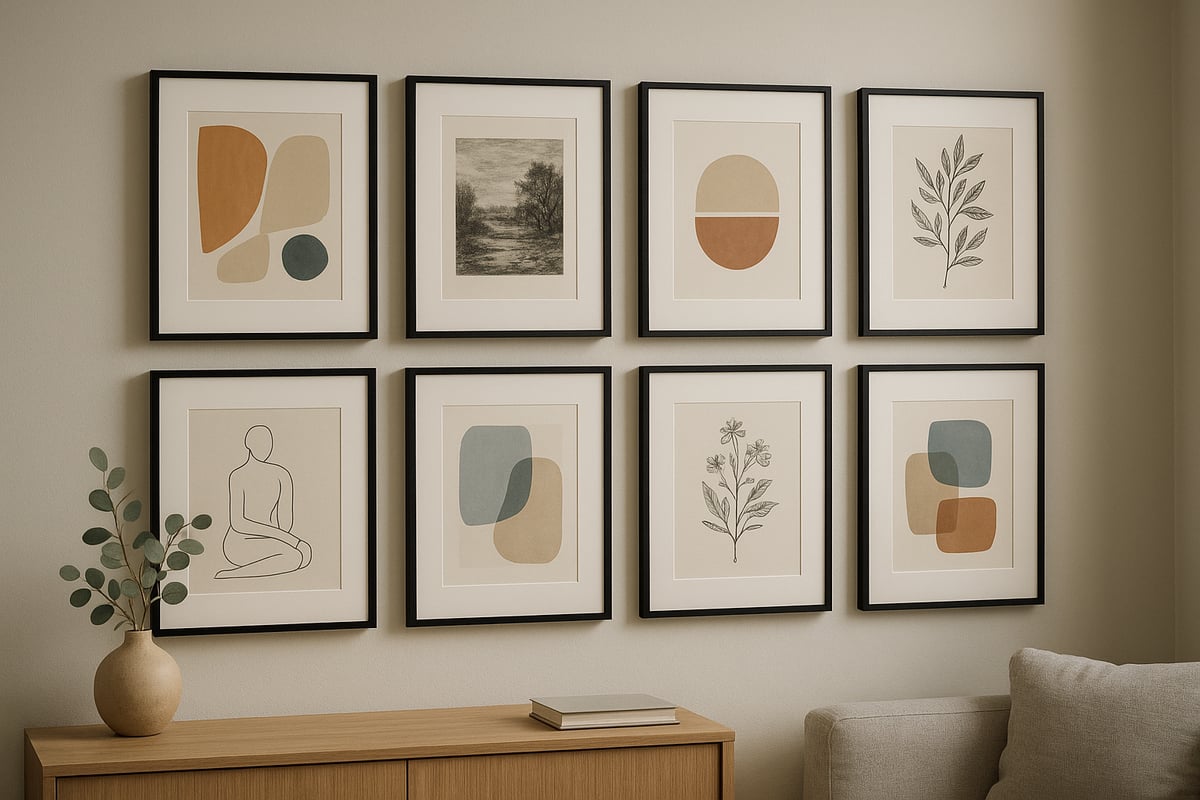
Displaying your artistic prints with care is the first step in long-term preservation. Always use UV-protective glass to shield prints from light damage and prevent fading. Acid-free mats and backing boards are critical, as they protect the paper from discoloration and acidic degradation. Climate control is equally important, so keep your prints away from direct sunlight, fluctuating temperatures, and high humidity.
For valuable pieces, consider museum-standard framing, which uses archival materials and professional sealing to extend the life of your collection. A well-framed print not only looks stunning but also preserves its condition. If you are looking for step-by-step advice on arranging your prints, the Guide to creating gallery walls offers practical tips for cohesive and elegant displays. Thoughtful presentation will help your artistic prints stand out while ensuring they remain in top condition.
Preservation Tips: Keeping Prints in Top Condition
Proper preservation is vital for maintaining the integrity of your artistic prints. Handle all prints with clean hands or cotton gloves to prevent oils and dirt from transferring onto delicate surfaces. When storing, use flat archival boxes or acid-free portfolios in a cool, dry, and dark environment. Avoid rolling prints unless absolutely necessary, as this can cause creasing or cracking.
Environmental factors are the leading cause of print deterioration. According to Art Conservation Quarterly, 60 percent of print damage results from poor storage conditions. Regularly inspect your prints for signs of moisture, mold, or insect activity. By prioritizing careful handling and optimal storage, you extend the life and value of your artistic prints.
Insuring Your Collection
Insuring your artistic prints provides peace of mind against unforeseen events like theft, fire, or accidental damage. Specialized art insurance policies cover a range of scenarios, including transit and exhibition risks. When applying for coverage, comprehensive documentation is essential. Keep certificates of authenticity, purchase records, and recent appraisals together in a secure location.
Appraisals by qualified professionals ensure accurate valuation for insurance claims. In the event of a loss, having up-to-date records can streamline the payout process and maximize your compensation. Protecting your collection with the right insurance safeguards both your financial and emotional investment in artistic prints.
Rotating and Refreshing Display
Rotating your artistic prints is a simple yet effective way to minimize light exposure and prevent uneven fading. Change out displayed prints every few months, storing those not on view in archival conditions. This approach not only preserves your collection but also keeps your spaces visually engaging.
Consider organizing seasonal or thematic rotations to highlight different aspects of your collection. Fresh displays invite renewed appreciation and help you discover new favorites within your artistic prints. By adopting a rotation schedule, you protect your prints and create a dynamic, ever-evolving environment.
Investing in Artistic Prints: Strategies for 2025 Collectors
Artistic prints are capturing the spotlight as the global art market evolves in 2025. Collectors are navigating a landscape shaped by innovation and shifting demographics. A strategic approach is essential to make the most of this vibrant market.
Analyzing Market Trends and Growth Opportunities
The market for artistic prints is expanding rapidly in 2025. Digital innovation, increased online access, and a surge of young collectors are driving new demand. Recent reports show prints priced under $50,000 are especially popular with Gen Z and millennial buyers.
Collectors should examine both global and regional trends. Blue-chip prints by established artists remain steady investments, while limited edition releases and NFT-linked works are broadening the field. For a detailed look at market growth and how prints are outperforming other art segments, see the Art Market Rebounds 2025 report.
Keep an eye on digital platforms, as they are reshaping how artistic prints are discovered and purchased. Staying informed helps you spot patterns and seize timely opportunities.
Diversifying Your Print Portfolio
Building a resilient collection of artistic prints means balancing established and emerging artists. Diversification reduces risk and increases long-term potential. In 2024, prints by emerging artists saw an 18% increase in value, demonstrating the power of forward-thinking acquisitions.
Consider including:
- Blue-chip artist prints for reliable appreciation
- Rising star editions for growth potential
- A mix of styles, such as abstract, minimalist, and digital hybrid forms
- Different printmaking techniques and materials
Review your collection regularly to ensure it aligns with your goals and adapts to market shifts.
Timing Purchases and Sales
Timing is crucial when buying or selling artistic prints. The market experiences cycles influenced by major art fairs, auction seasons, and online release events. Collectors often see price spikes during high-profile exhibitions or when an artist gains media attention.
Monitor auction calendars and online drops to identify optimal buying windows. Selling during demand peaks, such as leading up to major art events, can maximize returns. Being patient and strategic helps you avoid overpaying or missing out on key opportunities.
Risks and Rewards: What to Expect as a Print Investor
Investing in artistic prints comes with both benefits and challenges. The market offers liquidity for popular editions, but rare prints may take time to sell. Values can fluctuate based on trends, artist reputation, and condition.
Rewards include:
- Potential for long-term appreciation
- Enjoyment of displaying unique works
- Access to a global resale market
Risks involve volatility, authenticity issues, and tax considerations. Always research thoroughly and consult experts when making significant investments.
Ethical and Sustainable Collecting
Supporting living artists and ethical edition practices is vital for responsible collecting. Choose artistic prints produced with sustainable materials and transparent edition sizes. Patronage not only fosters creativity but also ensures the long-term health of the art ecosystem.
Eco-conscious collectors are embracing recycled papers, non-toxic inks, and local production methods. Aligning your collection with these values adds depth and meaning, while contributing to a more sustainable future for art.