

Artwork Abstract Paintings Guide: Unlock Creative Expression 2025
Unlock your creative side and reimagine your surroundings with the transformative energy of abstract paintings. In 2025, more people are discovering that artwork abstract paintings offer new ways to express individuality and enhance any space.
This guide will demystify the world of abstract art, showing how anyone can appreciate, create, and display these captivating works. You will explore its fascinating evolution, essential techniques, and easy steps to start your own artistic journey.
Experience the impact of abstract art—feel inspired, learn practical tips, and get expert advice for embracing this vibrant trend in your life.
The Evolution and Essence of Abstract Paintings
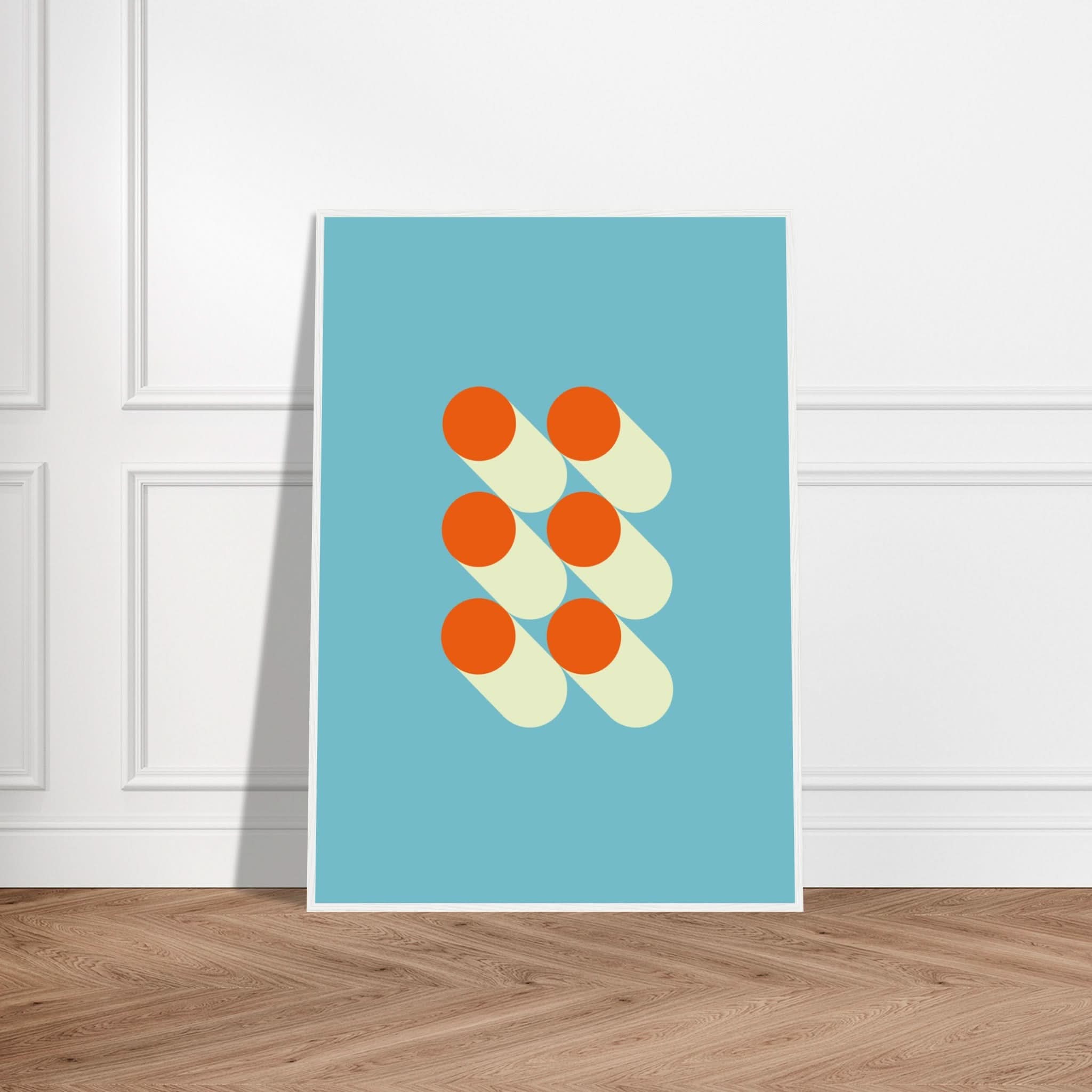
Abstract art challenges the viewer to see beyond traditional representation. Unlike realistic styles, artwork abstract paintings focus on the core building blocks of visual language—color, form, line, texture, and composition. These elements are arranged to evoke emotions or concepts rather than depict recognizable subjects.
Early 20th-century pioneers shaped the foundation of this movement. Artists like Wassily Kandinsky, Piet Mondrian, and Kazimir Malevich explored new ways to express spirituality and emotion without literal imagery. Their innovations liberated painting from strict representation. For example, Jackson Pollock’s drip techniques transformed the very act of painting, inviting viewers to interpret motion and chaos in new ways.
With artwork abstract paintings, the emphasis often shifts to what is felt rather than what is seen. The interplay of vibrant hues, dynamic lines, and layered textures invites a personal dialogue. As you encounter these pieces, you may find your own memories or emotions reflected in the abstract forms, making each viewing experience unique.
Defining Abstract Art: Beyond the Obvious
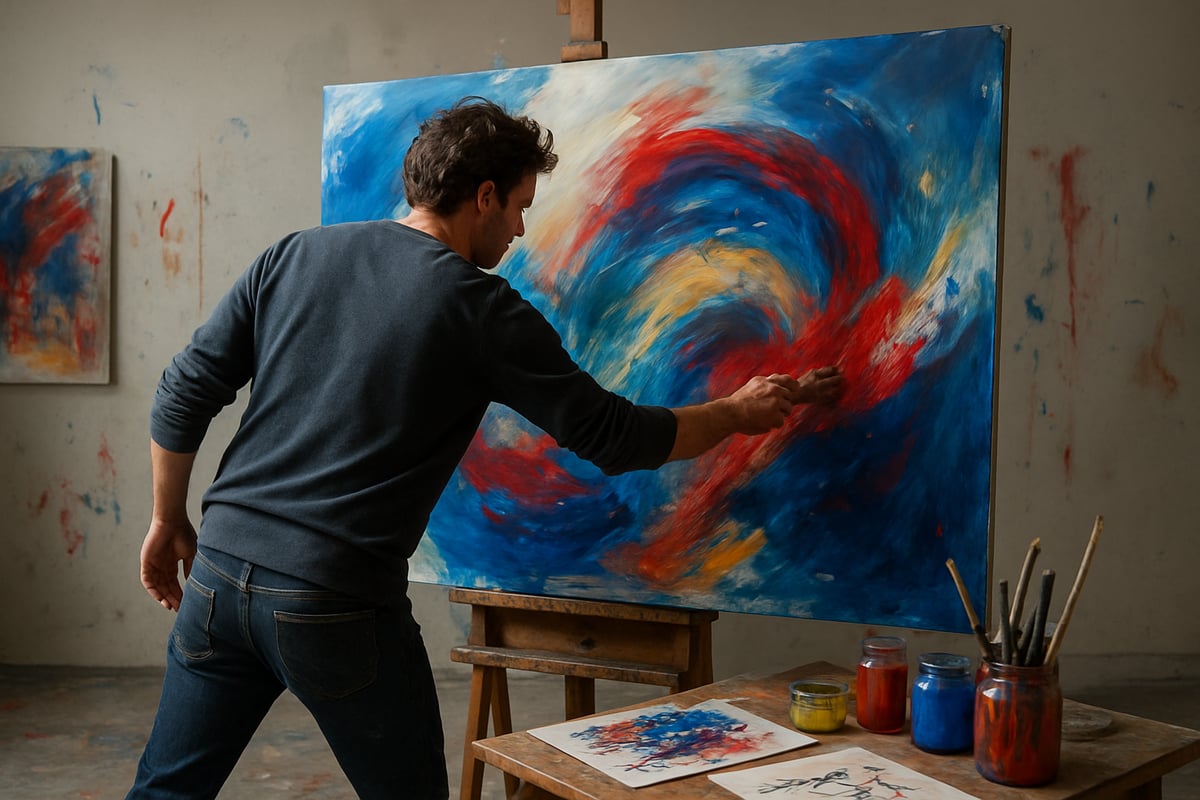
What sets artwork abstract paintings apart is their deliberate move away from direct representation. Instead of portraying objects or landscapes, abstract artists use color, shape, and composition as their primary language. Key elements such as form and line are layered or juxtaposed to provoke a reaction.
The focus is often emotional or conceptual. For instance, a single brushstroke or a blend of colors can suggest movement, tension, or calm. The roots of abstraction trace back to early visionaries like Kandinsky, who believed in the spiritual power of color, and Malevich, whose “Black Square” reduced painting to its essentials. Pollock’s energetic drip paintings revolutionized how viewers engage with art, emphasizing the process as much as the outcome.
In artwork abstract paintings, there is freedom for both artist and viewer. The absence of recognizable subjects means interpretation is open, encouraging a deeper, personal connection with the piece.
Historical Milestones and Influential Movements
The evolution of artwork abstract paintings is marked by dynamic shifts and influential movements. Cubism, led by Picasso and Braque, deconstructed objects into geometric forms, paving the way for abstraction. Futurism and Expressionism pushed the boundaries further, emphasizing speed, emotion, and new perspectives.
The New York School’s Abstract Expressionism, with figures like Mark Rothko and Jackson Pollock, brought global recognition to non-representational art. Minimalism and Color Field painting in the mid-20th century focused on simplicity and expanses of color, offering new ways to experience space and mood. In recent years, digital abstraction and mixed media have expanded the possibilities for artists and collectors.
The market for artwork abstract paintings continues to grow. According to Art Market Trends 2025, sales of abstract art rose by 12 percent in global auctions during 2023, reflecting increasing demand and appreciation worldwide.
| Movement | Key Figure | Era | Notable Contribution |
|---|---|---|---|
| Cubism | Pablo Picasso | 1910s | Geometric deconstruction |
| Abstract Expressionism | Mark Rothko | 1940s-50s | Emotional color fields |
| Minimalism | Agnes Martin | 1960s | Simplicity and repetition |
| Digital Abstraction | Various | 2000s-2020s | Technology-driven innovation |
This diverse history has shaped the vibrant landscape of artwork abstract paintings today.
The Purpose and Power of Abstract Art
Artwork abstract paintings invite personal interpretation, making each encounter distinct. The absence of clear subjects encourages viewers to project their own feelings and ideas onto the canvas. This openness is central to abstraction’s enduring appeal.
Color theory plays a vital role in shaping emotional responses. Artists like Mark Rothko harnessed vast fields of color to create meditative, immersive experiences. Abstract art can also serve as a tool for social commentary or innovation, pushing boundaries and inspiring new forms of thought.
Collectors and enthusiasts are drawn to this expressive potential. According to a 2023 Artsy survey, 68 percent of collectors cited emotional response as their main reason for acquiring abstract works. Whether for personal reflection or public statement, artwork abstract paintings continue to empower creative expression and connect with audiences on a profound level.
Key Techniques and Materials in Abstract Painting
Unlocking the full potential of artwork abstract paintings starts with understanding the innovative techniques and materials that define the genre. Whether you are an aspiring artist or an avid collector, mastering these fundamentals will deepen your appreciation and creative skills.
Essential Techniques for Expressive Abstract Art
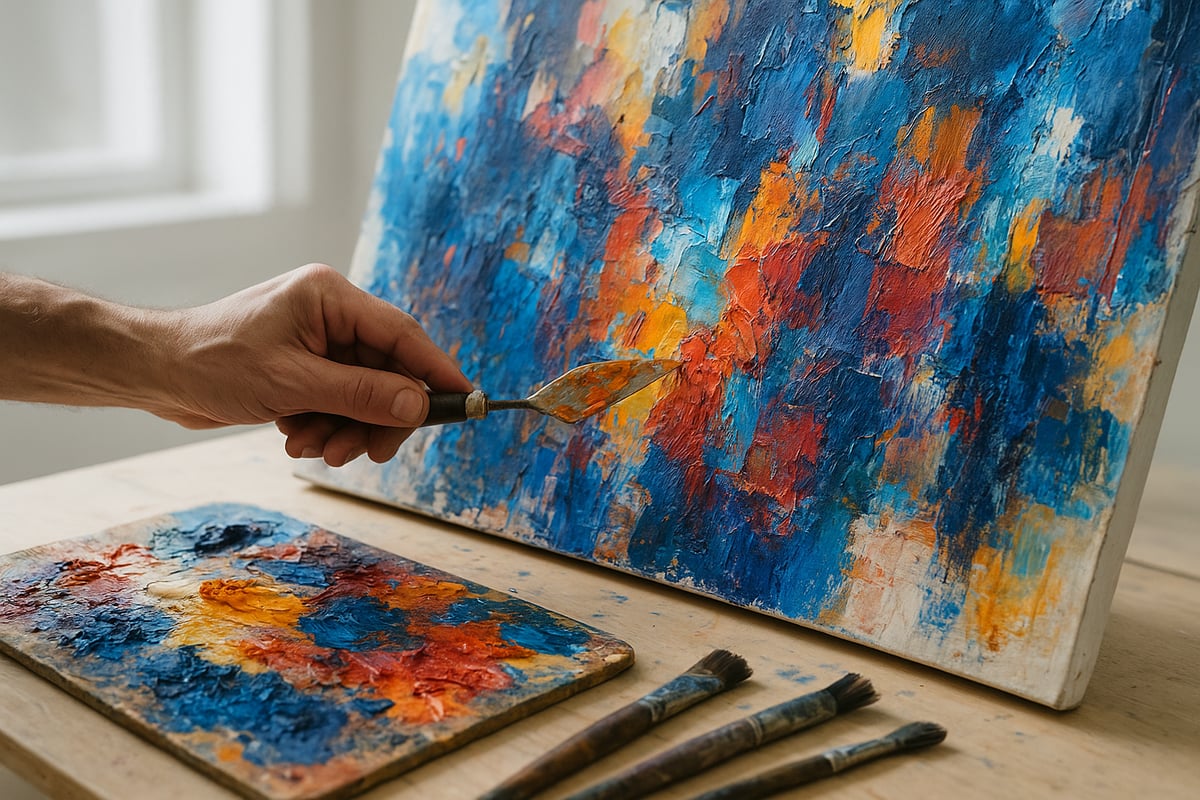
At the heart of artwork abstract paintings are techniques that prioritize expression, emotion, and innovation. Artists often use impasto to build texture by applying thick layers of paint with brushes or palette knives. This method creates dynamic surfaces that catch light and invite touch.
Other popular techniques include glazing, which involves layering transparent paint to achieve depth and subtle color transitions. Layering itself, whether with opaque or translucent paint, adds complexity and movement to the canvas.
Action painting and gestural mark-making are central to many artwork abstract paintings. These techniques encourage artists to move freely, letting physical energy guide each stroke. Mixed media approaches—combining acrylics, oils, collage, or unconventional materials like sand or fabric—expand the creative palette even further.
In recent years, digital tools have transformed how artists create artwork abstract paintings. Tablets and specialized software allow for new forms of abstraction, blending traditional gestures with modern technology. Gerhard Richter’s squeegee technique, for example, produces vibrant, unpredictable compositions by dragging paint across the surface.
Experimenting with these methods empowers artists to express feelings and concepts that go beyond what is possible in representational art.
Choosing the Right Materials
Selecting quality materials is vital for achieving the desired effects in artwork abstract paintings. The choice of canvas—whether stretched, panel, or heavy paper—impacts texture and longevity. Artists also explore alternatives like wood or synthetic surfaces for unique results.
Paint selection is equally important. Here is a quick comparison:
| Paint Type | Pros | Cons |
|---|---|---|
| Acrylic | Fast drying, versatile | Can dry too quickly |
| Oil | Rich color, slow drying | Requires solvents, longer dry |
| Watercolor | Subtle washes, easy cleanup | Less vibrant, delicate |
Brushes, palette knives, sponges, and even found objects offer endless possibilities for mark-making in artwork abstract paintings. Many artists now prioritize eco-friendly and sustainable art supplies. According to a 2024 Art Materials Survey, 36% of artists report using recycled or sustainable materials.
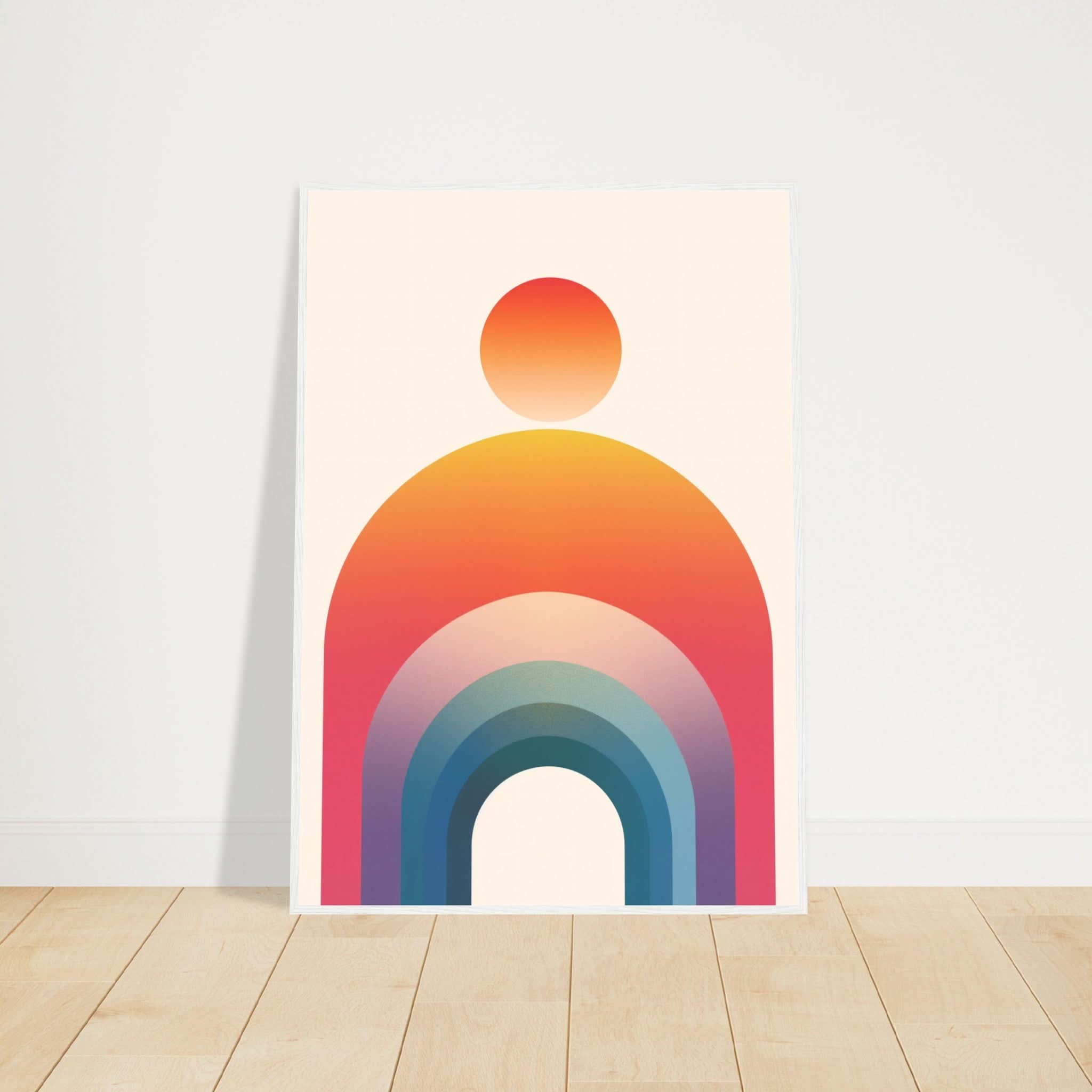
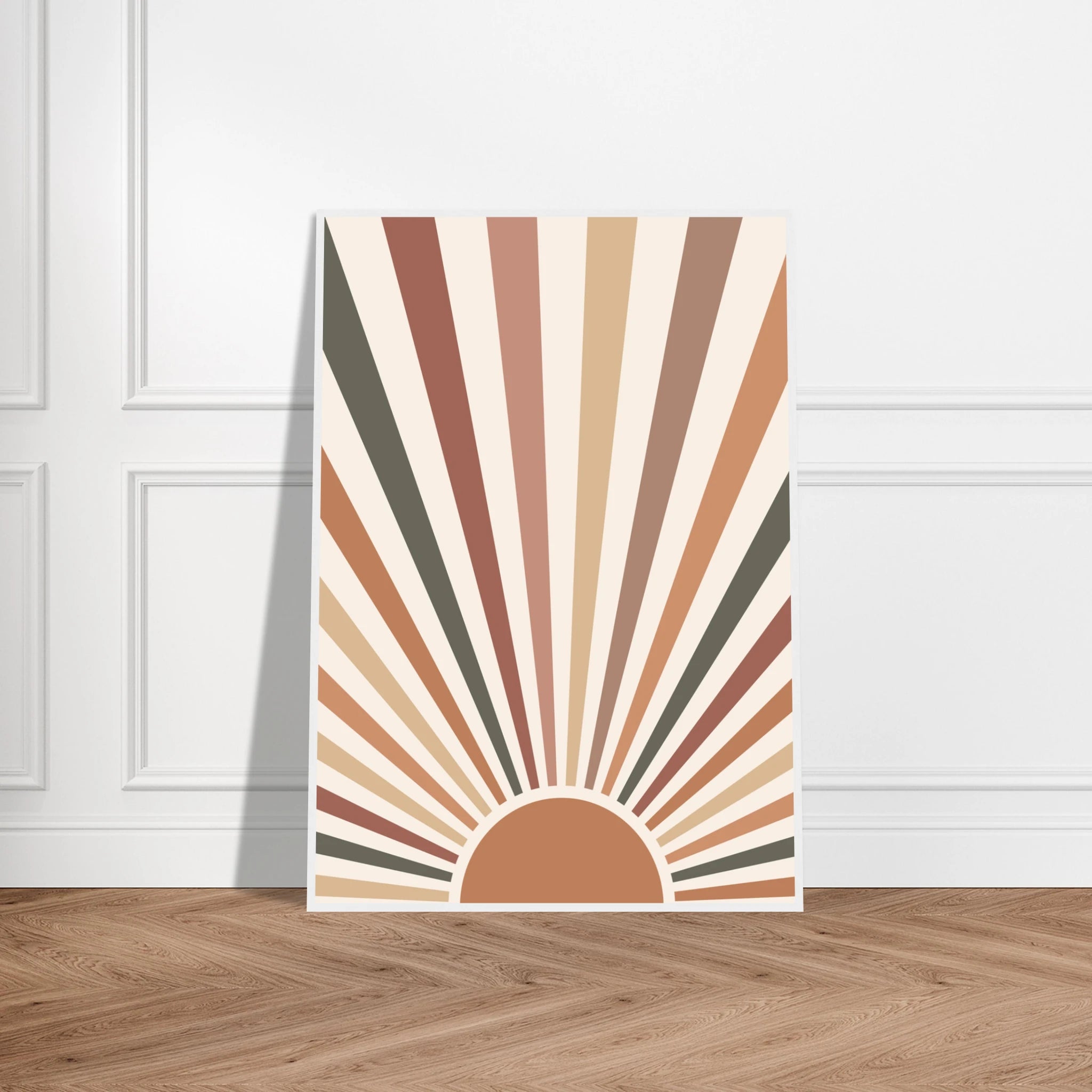
For those interested in exploring a range of possibilities, the Abstract Wall Art Prints Collection offers inspiration and insight into how different materials and techniques come together in finished works.
Staying mindful of your supply choices ensures your creative practice aligns with both artistic goals and environmental values.
The Role of Experimentation and Process
Experimentation is the lifeblood of artwork abstract paintings. Embracing spontaneity often leads to unexpected discoveries and personal breakthroughs. Techniques like layering, scraping, and reworking invite happy accidents—moments where the process itself shapes the outcome.
Many artists keep creative journals or sketchbooks, recording ideas, color tests, and compositions. This habit supports growth and helps refine a unique visual language within artwork abstract paintings.
Helen Frankenthaler’s soak-stain technique is a classic example of process-driven abstraction. By pouring thinned paint onto raw canvas, she allowed color to flow organically, creating ethereal fields and shapes.
Above all, honoring the process means staying open to change and letting intuition guide each step. Every experiment, whether successful or not, adds depth and character to your body of work.
Step-by-Step Guide: Creating Your Own Abstract Painting
Unlocking your creativity with artwork abstract paintings begins with a structured yet flexible approach. Whether you are a beginner or an experienced artist, this guide will help you channel your inspiration and bring your vision to life. Follow these six steps to create expressive and meaningful abstract art that resonates with your unique style.
Step 1: Setting Your Creative Intentions
Every great work of art starts with intention. Before you begin, reflect on what you want your artwork abstract paintings to express. Are you seeking to capture a specific emotion, respond to a concept, or simply explore color and form?
Gather inspiration from your surroundings. Nature, music, or even a fleeting memory can spark ideas. For example, imagine translating the rhythm of your favorite song into sweeping lines or bold color fields. Jot down thoughts in a creative journal, noting anything that resonates with your vision.
Consider making a mood board with magazine clippings, photographs, and color swatches. This visual reference can guide your choices and keep your focus clear throughout the process. Setting clear intentions will help your artwork abstract paintings remain authentic and impactful.
Step 2: Preparing Your Workspace and Materials
A well-organized workspace sets the stage for creative flow. Choose an area with good lighting and minimal distractions. Arrange your materials so that everything is within easy reach. For artwork abstract paintings, you might use:
- Canvases or art panels
- Acrylic, oil, or watercolor paints
- Brushes, palette knives, sponges
- Protective clothing and gloves
- Water containers, rags, and palettes
Safety is vital. If you are working with oils or solvents, ensure your studio is well-ventilated. For digital artwork abstract paintings, confirm your devices are clean, charged, and software is up to date. By preparing thoughtfully, you create an environment where creativity can thrive.
Step 3: Exploring Techniques and Making Your First Marks
Begin with warm-up exercises to loosen your hand and open your mind. Try gestural sketches or create small color swatches to experiment with combinations. In artwork abstract paintings, spontaneity often leads to unexpected beauty.
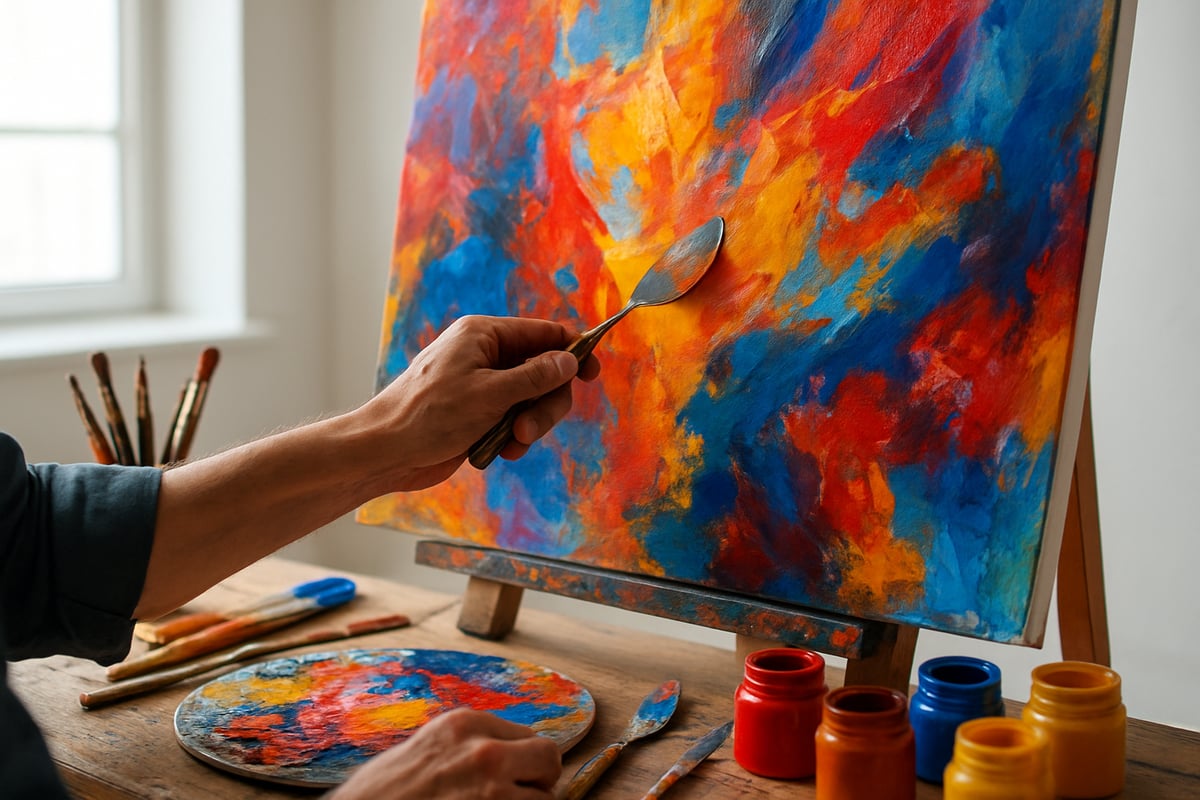
Start your painting with an underpainting or by making spontaneous marks. Use a palette knife to spread paint, or let a brush dance across the canvas. Layer colors, textures, and shapes without overthinking each move. Experiment with techniques like impasto for thick texture, glazing for transparency, or even mixed media additions.
Remember, the first marks are about exploration. Give yourself permission to play and discover new possibilities within your artwork abstract paintings.
Step 4: Developing Your Painting
As your composition emerges, step back and evaluate the balance of color, shape, and negative space. Consider how each element contributes to the overall mood of your artwork abstract paintings.
Add layers to build depth, using contrasting hues or textures to create focal points. Scrape away or rework areas that feel unresolved. Sometimes, the most striking effects come from embracing unexpected results or "happy accidents."
Knowing when your painting is finished takes practice. Pause frequently to view your work from different angles and distances. Trust your instincts and let your creative intention guide you to completion.
Step 5: Reflecting and Refining
After the initial creation, take time to reflect on your artwork abstract paintings. Step back and observe the piece in different lighting or from a new perspective. Ask yourself what emotions or thoughts the painting evokes.
Invite feedback from trusted peers or mentors. Constructive critique can reveal strengths and areas for growth. Keep notes or sketches detailing your process, techniques used, and any challenges faced. This documentation not only tracks progress but also inspires future projects.
Refinement is a natural part of art making. Small adjustments in color, texture, or composition can bring your vision into sharper focus.
Step 6: Caring for and Displaying Your Finished Work
Proper care ensures your artwork abstract paintings remain vibrant for years. Allow paints to dry fully before applying varnish for protection. Choose a frame that complements the style and enhances the overall impact.
Store paintings upright in a clean, dry space. Avoid exposing them to direct sunlight or humidity, as these can cause fading or warping. For digital artwork, back up files and consider printing on archival-quality materials.
When displaying, select a location where the painting can be appreciated without risk of damage. Good lighting brings out texture and color, while thoughtful placement ensures your piece becomes a focal point in any room.
How to Choose and Display Abstract Paintings in Your Space
Choosing and displaying artwork abstract paintings can transform any room, infusing it with energy, personality, and creative flair. The process begins with understanding how your environment interacts with art, followed by selecting pieces that resonate, arranging them for maximum impact, and caring for them to ensure lasting beauty.
Understanding Your Space and Style
Before selecting artwork abstract paintings, take time to assess your space. Consider the size of the room, the amount of natural and artificial light, and the existing color palette. These elements shape how art will be perceived and how it will influence the mood of the space.
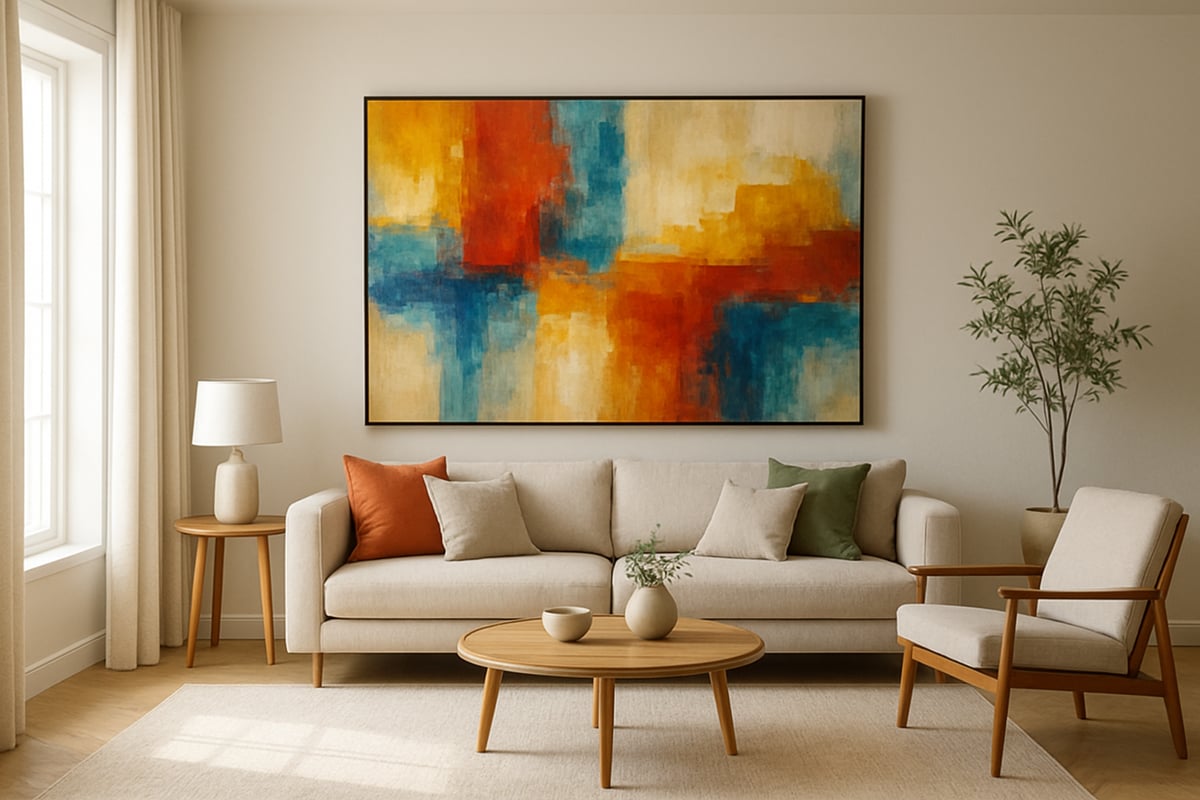
Think about the overall interior design theme. Is your home modern, minimalist, or eclectic? Large-scale artwork abstract paintings can make bold statements in living rooms, while smaller pieces may suit intimate spaces like bedrooms or studies. Matching the style and colors of your chosen art to your decor ensures a cohesive look.
Reflect on the function and atmosphere you want to create. Do you want your space to feel lively and energetic, or calm and serene? The right artwork abstract paintings can help set the desired tone, making your room truly unique.
Selecting the Right Artwork
When choosing artwork abstract paintings, scale and orientation are essential. A large painting can serve as a dramatic focal point, while a series of smaller works can create visual rhythm and interest. Consider the harmony between the colors in the art and those in your furnishings.
You may wonder whether to invest in original art or opt for high-quality prints. Originals add exclusivity and texture, while prints offer affordability and flexibility. According to the Home Decor Trends Report 2024, 54% of homeowners prefer abstract art for living spaces, highlighting its broad appeal.
For more in-depth advice, refer to How to Choose the Perfect Wall Art, which offers a comprehensive guide to selecting artwork abstract paintings for every room and style.
| Feature | Original Art | High-Quality Prints |
|---|---|---|
| Uniqueness | One-of-a-kind | Multiple copies |
| Texture/Depth | Rich, tactile | Smooth, flat |
| Price | Higher | More affordable |
Placement and Arrangement Tips
Proper placement of artwork abstract paintings enhances their visual impact. Hang art at eye level—typically around 57 inches from the floor to the center of the piece. For gallery walls, group pieces with consistent spacing to create unity and flow.
Single large paintings can become stunning focal points, especially in open areas. Gallery walls, where multiple works are arranged together, add character and depth. Use directional lighting or picture lights to highlight color and texture, making the art come alive.
Experiment with different layouts before committing. Use paper cutouts or digital mockups to visualize arrangements. This approach helps you find the perfect balance and ensures your artwork abstract paintings harmonize with your space.
Caring for Abstract Art in Your Home
Protecting your artwork abstract paintings is vital for longevity. Avoid placing art in direct sunlight to prevent fading, and keep pieces away from areas with high humidity, such as bathrooms or kitchens.
Dust canvases gently with a soft brush or microfiber cloth. For framed prints, clean the glass with a non-abrasive cloth. If your collection is valuable, consider insuring your artwork abstract paintings and maintaining documentation, including photographs and certificates of authenticity.
With thoughtful care, your chosen pieces will remain vibrant and inspiring for years, continually enriching your living environment.
Abstract Art Trends and Expert Insights for 2025
The landscape of artwork abstract paintings is rapidly evolving, offering exciting opportunities for artists, collectors, and enthusiasts in 2025. This year’s trends highlight technological innovation, shifting market demands, and a renewed focus on emotional and social impact. Explore what’s shaping the future of abstract art and how you can engage with these dynamic changes.
Emerging Styles and Influences
In 2025, artwork abstract paintings are embracing a bold fusion of digital and traditional techniques. Artists are increasingly experimenting with AI-generated imagery, dynamic brushwork, and interactive media. Augmented reality (AR) and mixed media are no longer niche but are now mainstream, allowing viewers to experience art in immersive new ways.
Traditional acrylics and oils are being combined with digital projections or AR overlays, giving each piece a multi-dimensional presence. This trend is also reflected in the rise of hybrid exhibitions where physical canvases coexist with digital installations. According to 2025 Wall Art Trends, collectors are drawn to artworks that push boundaries, blending vibrant color palettes with innovative formats.
Contemporary creators are also referencing historical movements, reimagining minimalist and expressionist techniques for a tech-savvy audience. This continual blending of past and present ensures artwork abstract paintings remain at the forefront of creative evolution.
Market Trends and Collector Preferences
The market for artwork abstract paintings is expanding, driven by a desire for uniqueness and sustainability. In 2025, collectors are prioritizing limited-edition works and art that reflects eco-conscious values. Sustainable materials, recycled canvases, and ethical production methods are highly sought after, especially among millennial buyers.
A recent study highlighted in Art Market Trends in 2025 shows that over 40% of new collectors consider environmental impact when purchasing art. Online platforms and virtual galleries have made it easier than ever to discover emerging talent and acquire original pieces worldwide.
Demand is also rising for artwork abstract paintings that evoke strong emotional responses or represent personal narratives. This shift reflects a broader trend toward art as both an investment and a meaningful addition to living and working spaces.
Expert Advice for Artists and Buyers
For those looking to grow their collection or make an impact as creators, expert guidance is invaluable. Artists should focus on developing a cohesive body of work, experimenting with both materials and presentation methods. Keeping a creative journal and documenting the process can help refine artistic voice and appeal to discerning collectors.
Buyers are encouraged to:
- Research artists’ backgrounds and techniques
- Attend both physical and virtual exhibitions
- Support local and emerging talent
- Consider how artwork abstract paintings will interact with their environment
Navigating online marketplaces requires attention to authenticity, provenance, and proper documentation. Building relationships with galleries or art advisors can provide additional security and insight.
The Role of Abstract Art in Wellness and Mindfulness
Artwork abstract paintings are increasingly recognized for their therapeutic benefits. Hospitals, wellness centers, and meditation spaces are integrating abstract art to foster calm, inspiration, and healing. The non-representational nature of these works invites viewers to interpret shapes and colors in personal ways, promoting relaxation and psychological well-being.
Art therapy programs use abstract painting as a means for self-expression, stress relief, and emotional exploration. Many individuals now curate their homes with abstract pieces specifically designed to enhance mood and encourage mindfulness.
A growing body of research supports the positive impact of visual art on mental health, making artwork abstract paintings a valuable addition to both private and public wellness environments.
Future Outlook: Where Abstract Art Is Headed
Looking ahead, the future of artwork abstract paintings will be shaped by rapid technological advancement and global connectivity. Artists are expected to explore new frontiers with AI, virtual reality, and cross-cultural influences, resulting in fresh visual languages and artistic experiences.
Collectors can anticipate greater diversity in both themes and mediums, as well as increased opportunities to engage with art through digital platforms. The next generation of influential abstract artists will likely emerge from this intersection of tradition and innovation.
As trends evolve, one constant remains: artwork abstract paintings continue to inspire, provoke thought, and unlock creative potential for all.