


Artwork Prints Guide: Your Creative Roadmap for 2025
Artwork prints offer a simple yet powerful way to transform any interior, reflecting your unique taste and creativity for 2025. As design trends evolve, artwork prints remain a versatile solution for refreshing your home or workspace.
This guide will walk you through the process of selecting, purchasing, and displaying artwork prints that match your style and needs. Discover the latest trends, explore different print types and materials, and learn practical steps to curate and showcase your collection.
Get ready to unlock the full potential of your space with expert tips and inspiration, ensuring your decor stays stylish and personal all year.
The Evolution of Artwork Prints: Trends Shaping 2025
Artwork prints are undergoing a remarkable transformation as we head into 2025. This dynamic market is influenced by digital innovation, sustainability, personalization, and bold stylistic shifts. Understanding the latest trends will help you make inspired choices for your collection and display. For a deeper dive into what's trending, explore the 2025 wall art trends guide.
The Rise of Digital Art and Limited Editions
The landscape of artwork prints is being reshaped by the surge in digital art and the growing popularity of limited editions. Digital artists now have access to global platforms that enable them to reach new audiences. Collectors are increasingly drawn to limited edition artwork prints, valuing their exclusivity and investment potential.
Recent high-profile digital print launches have set records, and industry data projects a 15% year-over-year increase in digital art sales through 2025. As digital creativity flourishes, both artists and buyers are reimagining what artwork prints can offer.
Sustainability and Eco-Conscious Printing
Sustainability is now at the forefront of the artwork prints market. Eco-conscious consumers are seeking prints made with recycled paper, non-toxic inks, and packaging that reduces environmental impact. Leading producers are adopting sustainable practices, ensuring artwork prints are both beautiful and responsible.
A recent survey reports that 60% of buyers now prefer sustainable art products. This shift is not only influencing material choices but also inspiring new eco-friendly collections that appeal to environmentally aware collectors.
Personalization and Custom Artwork Prints
Personalization is transforming artwork prints into deeply meaningful pieces. The demand for bespoke prints and customizable designs continues to rise, with buyers seeking unique ways to reflect their stories and personalities.
Popular options include custom pet portraits, family illustrations, and location-based prints that celebrate special memories. Personalized artwork prints are also becoming go-to gifts, adding a thoughtful touch to home decor and making every piece feel one of a kind.
Minimalism vs. Maximalism: Style Directions
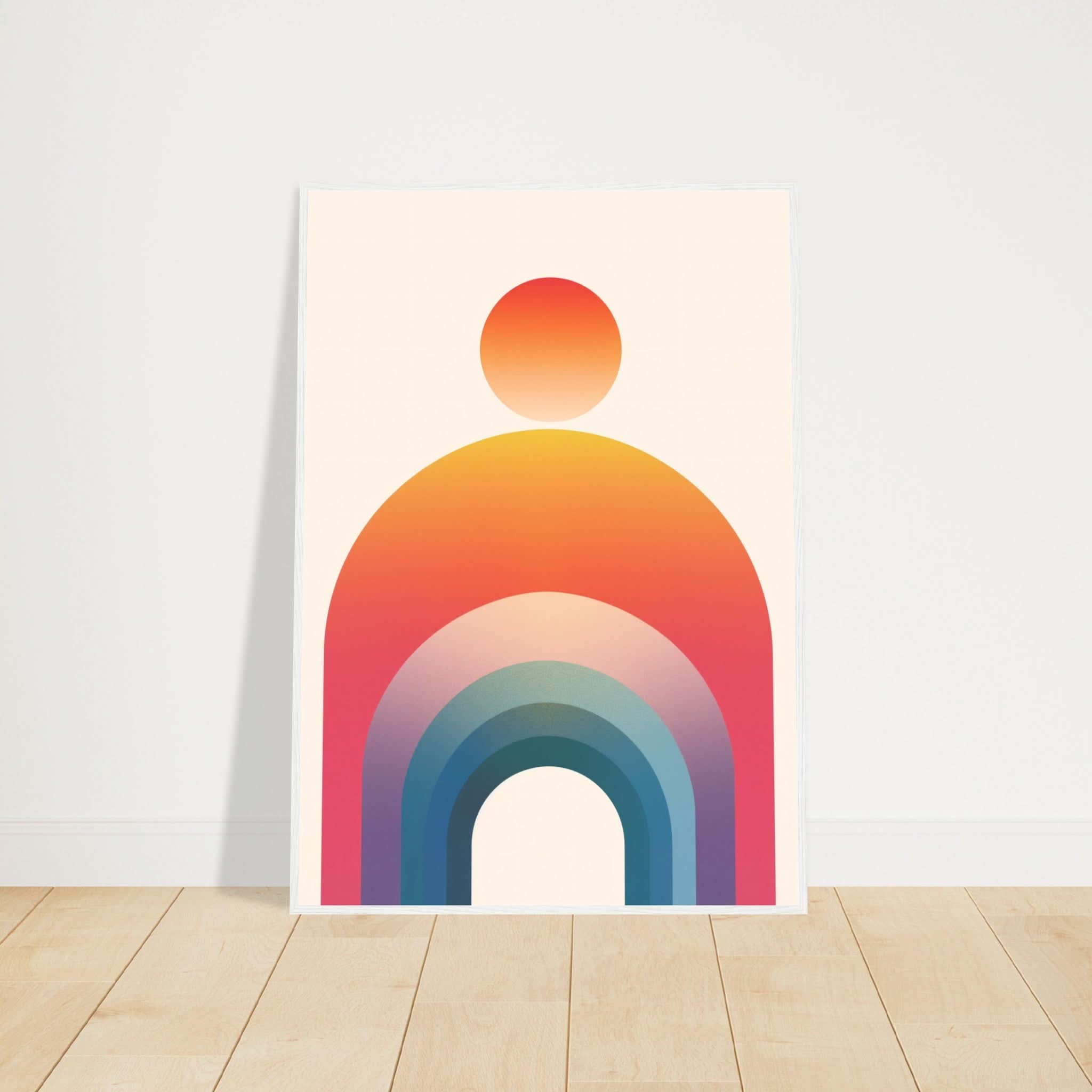
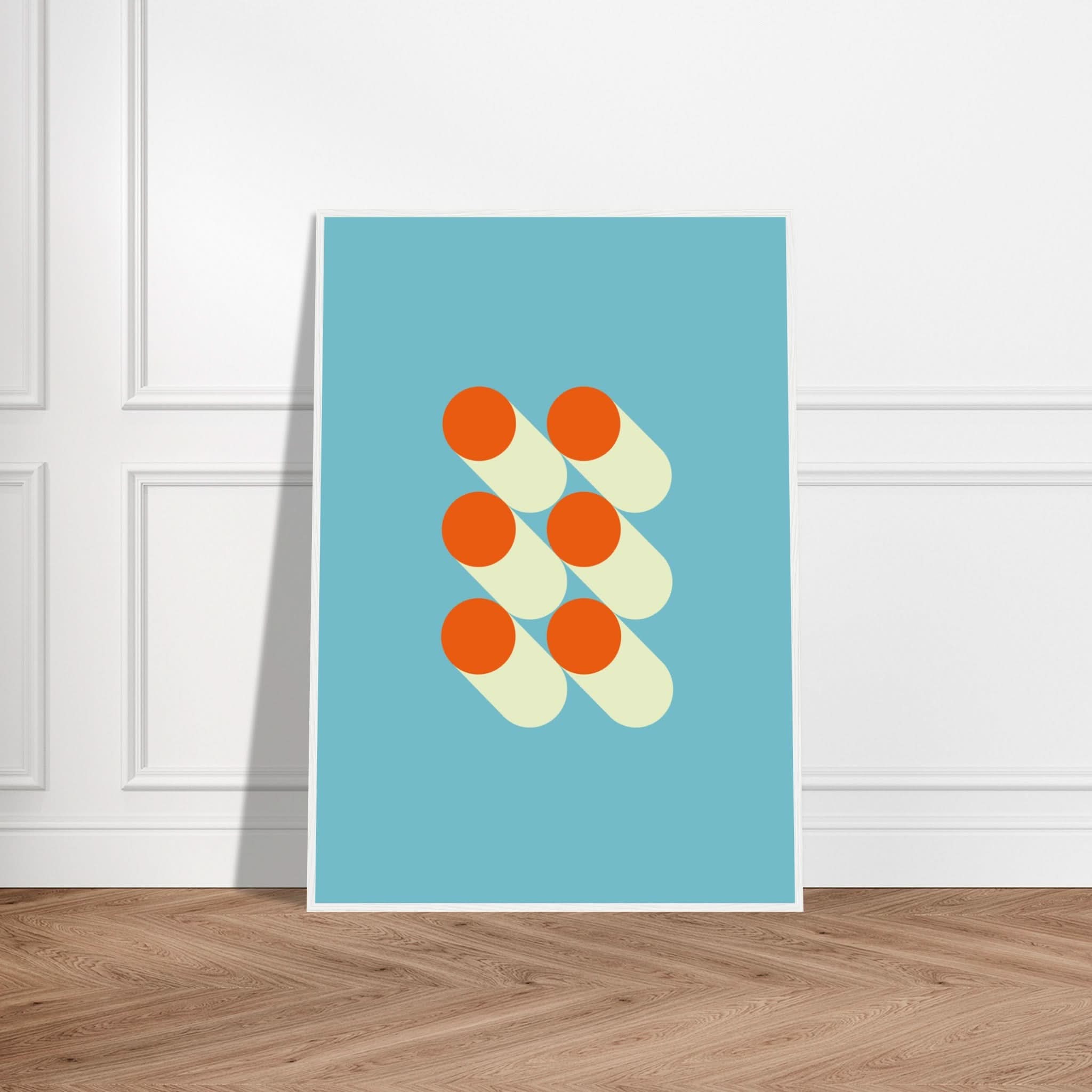
Two dominant style directions are shaping artwork prints in 2025: minimalism and maximalism. Minimalist trends feature clean lines, geometric forms, and subdued color palettes, ideal for creating serene, uncluttered environments. In contrast, maximalist artwork prints showcase bold colors, intricate patterns, and statement-making compositions that energize any room.
| Style | Key Features | Best For |
|---|---|---|
| Minimalism | Geometric, abstract, neutral | Modern, calming spaces |
| Maximalism | Bold, colorful, detailed | Vibrant, creative areas |
Whether you lean toward subtle or striking, both trends offer inspiration for curating artwork prints that fit your space and taste.
Integration of Technology in Art Prints
Technology is enhancing the way we experience and select artwork prints. Augmented reality (AR) tools now allow buyers to preview prints in their own spaces before committing. QR codes embedded in artwork prints can link to artist stories, process videos, or exclusive digital experiences, adding a new dimension to art appreciation.
Statistics reveal that 30% of online art shoppers use AR features before purchasing artwork prints. These innovations are making it easier than ever to find prints that resonate and to connect with the creative minds behind them.
Understanding Artwork Print Types and Materials
Exploring artwork prints involves more than choosing a beautiful image. Understanding print types, materials, and finishes is key to finding pieces that last, suit your style, and fit your space. Let us break down the essentials so you can make informed decisions and build a collection you will love for years.
Fine Art Prints: Giclée, Lithographs, and Screen Prints
When evaluating artwork prints, it is crucial to know the difference between giclée, lithograph, and screen print techniques. Giclée prints use high resolution inkjet technology to create vibrant, museum-quality reproductions, favored for their detail and color accuracy. Lithographs are made with a traditional printing press, producing rich textures and a classic look. Screen prints push ink through a mesh stencil, resulting in bold, graphic designs.
Here is a quick comparison:
| Print Type | Technique | Pros | Cons |
|---|---|---|---|
| Giclée | Inkjet, pigment-based | High detail, longevity | Can be costly |
| Lithograph | Press, stone/plate | Textured, collectible | Limited colors |
| Screen Print | Mesh stencil, hand-applied | Bold, versatile | Less subtle gradations |
For a deeper dive into these and other print types, check out Types of prints and posters.
Paper, Canvas, and Alternative Surfaces
Artwork prints are available on a wide range of materials, each offering distinct visual and tactile qualities. Paper options include matte, glossy, textured, and archival grades, with archival paper ensuring longevity and true color reproduction. Canvas prints, which account for 40% of art print sales, come stretched over frames or rolled for custom mounting.
Innovative surfaces like metal, wood, and acrylic are gaining popularity among those seeking modern flair. Metal prints offer a sleek, contemporary look, while wood and acrylic add depth and durability. Choosing the right material enhances both the impact and lifespan of your artwork prints.
Sizing and Format Considerations
Selecting the correct size and format is vital for making artwork prints work harmoniously within your space. Standard sizes range from small 8x10 inches to large 24x36 inches, but custom options allow for perfect wall fit. Consider your wall dimensions, viewing distance, and whether you want one large statement piece or a cohesive gallery wall.
Large-scale artwork prints can serve as dramatic focal points, while smaller prints grouped together create visual rhythm. Balancing size, spacing, and arrangement ensures your prints transform your environment without overwhelming it.
Framing and Finishing Options
Framing not only protects artwork prints but also complements their style. Popular framing methods include floating frames that give a modern edge, shadow boxes for added depth, and classic wood frames for timeless appeal. For cover materials, glass offers clarity but can reflect light, while acrylic is lightweight and shatter-resistant.
Mounting and matting techniques also matter. Acid-free mats preserve your print, and proper mounting prevents warping. Choose finishes and frames that enhance both the print and room décor.
Durability and Care
The longevity of artwork prints depends on material quality and how you care for them. Archival papers and pigment-based inks resist fading, while UV-protective glass or acrylic further shields against sunlight. Keep prints away from direct sunlight and excessive humidity to prevent damage.
To clean your artwork prints, use a soft brush or cloth and avoid harsh chemicals. Rotate displays seasonally to minimize wear, and always store unused prints flat in acid-free sleeves. With the right care, your collection will remain vibrant for years.
Step-by-Step Guide: How to Select the Perfect Artwork Prints
Selecting artwork prints for your home or office can feel overwhelming, but a clear, step-by-step approach makes it manageable and rewarding. Follow this expert-backed guide to ensure your choices reflect both your personality and your space’s needs.
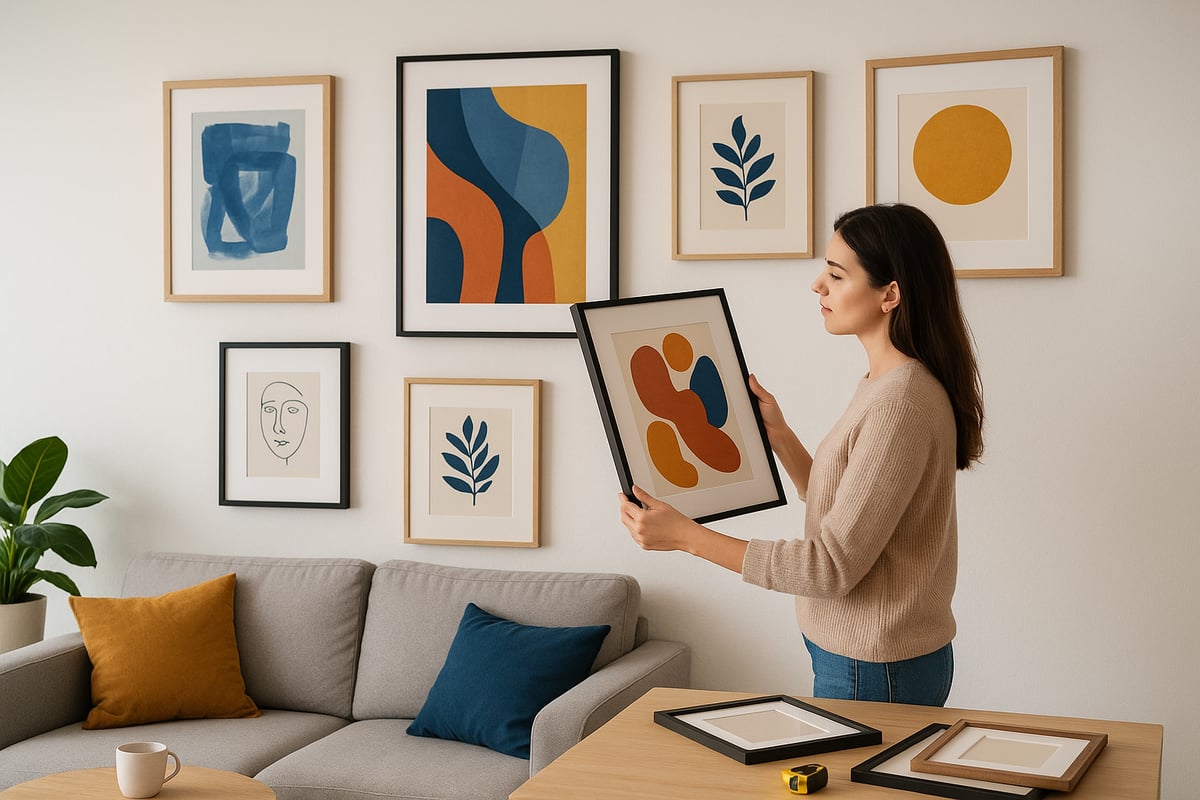
Step 1: Define Your Space and Purpose
Start by assessing where your artwork prints will go. Consider the room’s function, natural and artificial lighting, and the existing color palette. Measure your wall space to decide if you need one large statement piece or a collection of smaller prints.
Identify focal points, such as above a sofa or bed. For example, calming artwork prints suit bedrooms, while energetic designs can enliven living rooms or creative offices.
- Analyze wall dimensions
- Note existing decor styles
- Decide on mood and atmosphere
A thoughtful approach ensures your artwork prints enhance rather than overwhelm your space.
Step 2: Identify Your Personal Style and Preferences
Next, explore what styles resonate with you. Are you drawn to abstract artwork prints, nature scenes, photography, or typography? Create a mood board using online tools or magazine clippings.
Review inspiration from social media, design blogs, or art galleries. Remember, 70% of buyers say personal connection is their top reason for choosing artwork prints. Let your preferences guide your selection, and do not be afraid to mix styles for a curated look.
- Gather images that inspire you
- List favorite colors or themes
- Consider the emotional impact of each print
Choosing artwork prints that reflect your taste will make your space feel authentically yours.
Step 3: Set a Budget
Setting a realistic budget for artwork prints helps narrow your options and avoid overspending. Prices vary depending on size, artist, and print technique. Decide whether you want to invest in one high-quality piece or build a collection of affordable finds.
Look for sales, limited-time offers, or bundles. For more strategies, check these Affordable wall art tips.
- Compare prices across platforms
- Factor in framing and shipping costs
- Allocate more for centerpiece prints
A clear budget lets you enjoy collecting artwork prints without financial stress.
Step 4: Research Artists and Print Sources
Take time to research artists and where to buy artwork prints. Evaluate the artist’s reputation, read customer reviews, and check for authentic work. Consider whether you prefer emerging artists or established names.
Online marketplaces, direct-from-artist websites, and local galleries all offer unique benefits. Buying directly often means exclusive access or custom commissions.
- Review artist portfolios
- Check for authenticity guarantees
- Explore both online and offline sources
Supporting artists whose work you admire adds meaning to your artwork prints.
Step 5: Evaluate Print Quality and Authenticity
Before purchasing, inspect the quality of the artwork prints. Look for high-resolution images, accurate colors, and clear edition numbers. Certificates of authenticity and artist signatures add value and credibility.
Ask about print materials and techniques, such as giclée or lithograph. Quality affects both the appearance and longevity of your artwork prints.
- Request close-up photos if shopping online
- Confirm edition size and authenticity
- Inquire about printing methods
Investing in quality ensures your artwork prints remain vibrant for years.
Step 6: Make Your Purchase
When you are ready to buy, compare shipping options, return policies, and customer service ratings. Secure payment methods and order tracking matter for peace of mind. Remember, 80% of art buyers prefer stores with transparent return policies.
Read fine print to understand returns or exchanges. Keep all receipts and documentation for your records.
- Double-check delivery timelines
- Save certificates and artist info
- Follow up on tracking details
A smooth purchase process completes your journey, making your new artwork prints a source of daily inspiration.
Where to Buy Artwork Prints: Online and Offline Destinations
Finding the perfect artwork prints for your space starts with knowing where to shop. In 2025, buyers enjoy more options than ever, both online and offline. Understanding each destination helps you make informed, confident choices for your collection.
Online Marketplaces and Specialist Stores
Online platforms have revolutionized how people discover and purchase artwork prints. Leading websites like Etsy, Saatchi Art, and Society6 offer thousands of options from independent creators and established artists. The variety and convenience make online shopping a top choice for many.
One major advantage is the ability to compare prices, styles, and artist backgrounds instantly. Many sites also provide customer reviews and transparent policies, helping buyers feel secure. According to The Art Market Rebounds: Prints and New Buyers Fuel Growth, 65% of art print purchases are now made online, reflecting the growing trust in digital platforms.
However, online buying means you cannot see the artwork prints in person before purchase. Always check return policies and shipping details to avoid surprises.
Local Galleries and Art Fairs
For those who prefer a hands-on approach, local galleries and art fairs provide direct access to artwork prints. Viewing pieces in person lets you appreciate color, texture, and quality up close.
Supporting local events also strengthens your community and helps emerging artists gain recognition. Art fairs and pop-up exhibitions are excellent venues for discovering unique, limited edition prints. Keep an eye on community boards and social media for event announcements.
Bringing home artwork prints from local shows often adds a personal connection to your decor.
Direct-from-Artist Purchases
Buying artwork prints directly from artists offers exclusive benefits. You can request custom commissions, ask questions about materials, and sometimes receive lower prices by avoiding third-party fees.
Many artists showcase their portfolios on personal websites or social media, making it easy to reach out. This approach supports creators directly and often leads to one-of-a-kind pieces for your space.
Look for artists whose work resonates with your style, and do not hesitate to inquire about limited editions or personalized prints.
Specialty Retailers and Home Decor Stores
Specialty retailers and home decor stores curate collections of artwork prints suited for a broad range of tastes. These shops, both chains and boutiques, often collaborate with designers to offer seasonal and trendy selections.
In-store shopping lets you see print quality, framing, and colors in real-time. Prices may be higher than online options, but you gain the advantage of immediate pickup and hands-on comparison.
Some stores offer exclusive collaborations, making it easy to find artwork prints that complement your furnishings.
Muralla Art: Your Online Destination for Diverse, High-Quality Prints
Muralla Art stands out among online destinations for artwork prints, offering an extensive, curated selection for every style and space. Their platform features exclusive designs, frequent new arrivals, and special discounts for new customers.
With free worldwide shipping and multi-currency support, Muralla Art makes global access to high-quality prints simple. Shoppers enjoy a user-friendly experience and high customer satisfaction, ensuring you find the perfect piece for your home or office.
Whether you are a first-time buyer or a seasoned collector, Muralla Art provides reliable service and exceptional value for artwork prints.
Displaying and Styling Artwork Prints for Maximum Impact
Displaying and styling artwork prints can transform any environment into a thoughtfully curated space. With the right approach, your collection becomes a focal point, reflecting your personality and elevating your decor. Whether you want a dramatic gallery wall or a single statement piece, effective display maximizes both visual impact and the longevity of your artwork prints.
Gallery Walls and Creative Layouts
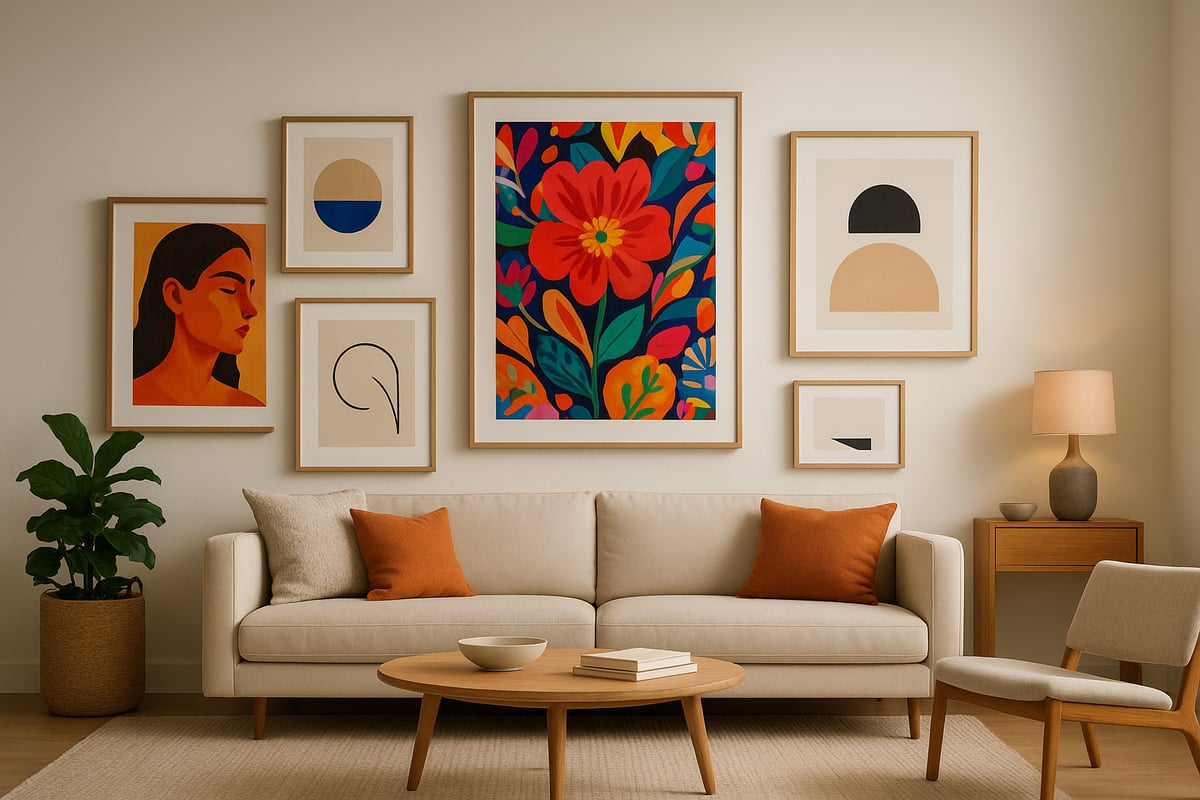
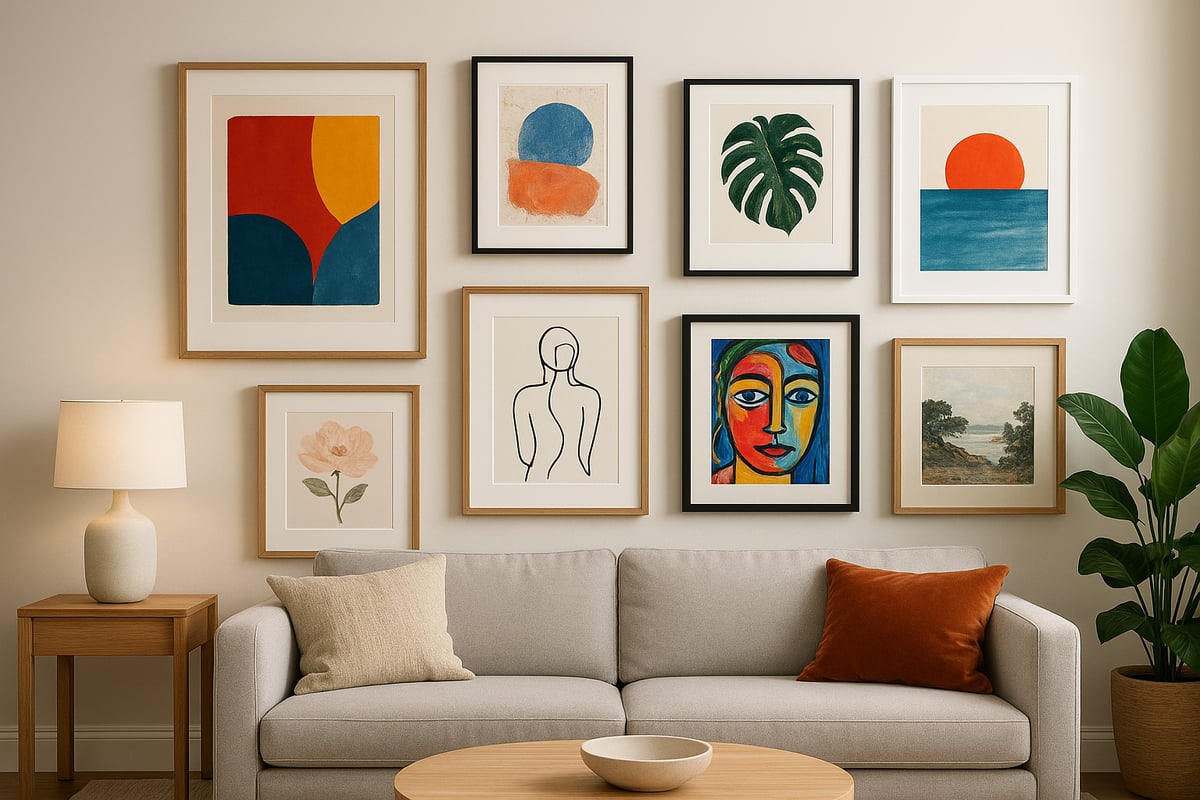
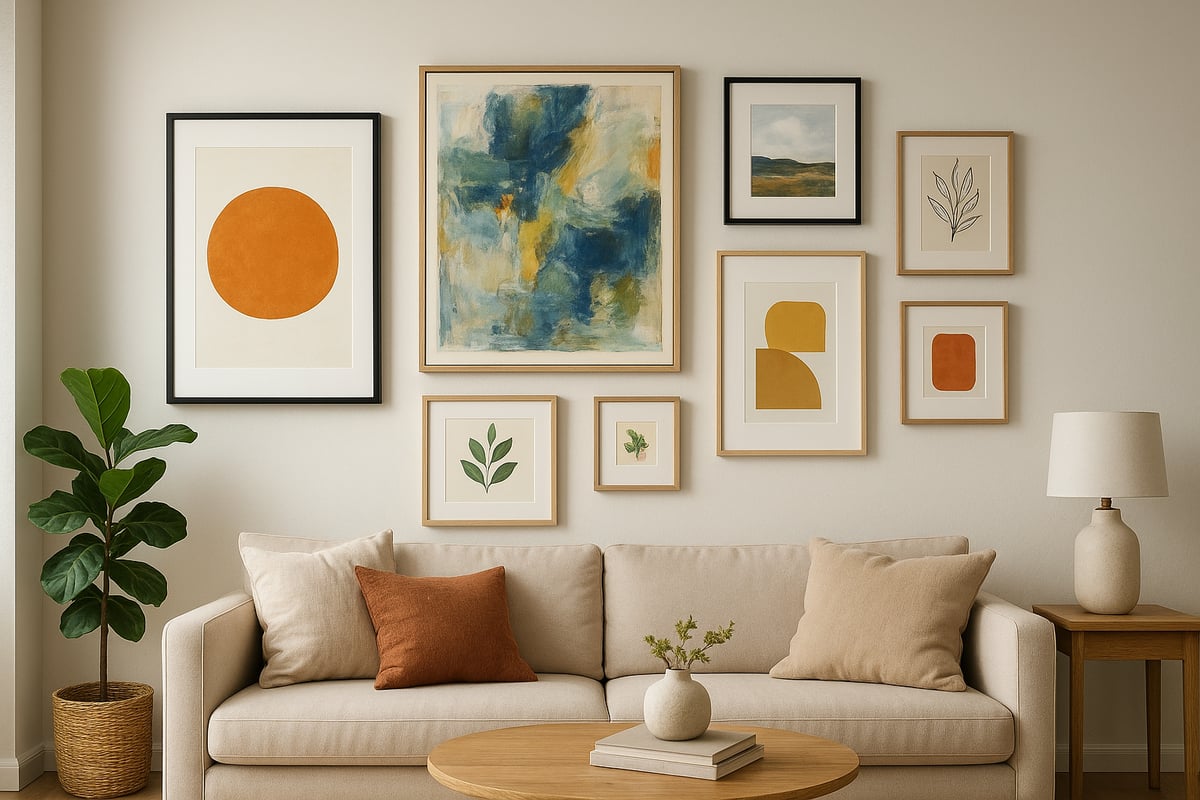
Gallery walls remain a timeless way to showcase artwork prints, offering endless possibilities for creativity. Begin by mapping out your layout on the floor, experimenting with different sizes and frame styles. Consider mixing portrait, landscape, and square formats for added interest.
- Combine various artwork prints for a dynamic, layered effect.
- Use consistent spacing between frames to maintain cohesion.
- Blend minimalist and bold pieces for a visually engaging wall.
For more tips on planning a successful gallery wall, explore these gallery wall layout ideas. Thematic arrangements, such as color-coordinated or subject-based groupings, create harmony, while eclectic mixes celebrate diversity and personal taste.
Standalone Statement Pieces
A single oversized artwork print can command attention and set the tone for an entire room. When selecting a statement piece, consider the wall’s dimensions and existing decor. Large prints are ideal for entryways, living rooms, or above a bed, serving as a bold focal point.
Balance is key—pair vibrant artwork prints with neutral furnishings to avoid overwhelming the space. Studies show that prominent statement pieces can increase a room’s perceived value by 20 percent, making them a smart addition for both style and investment.
Framing, Matting, and Hanging Techniques
The right framing and hanging methods enhance the presentation and preservation of artwork prints. Choose between classic wood, floating, or shadow box frames to complement your print’s style. Matting can provide breathing room around the image, drawing the eye inward.
- DIY framing offers customization and cost savings.
- Professional framing ensures archival quality and precision.
- Use picture rails, shelves, or adhesive hooks for alternative display options.
Proper hanging height matters. Aim for the center of the artwork prints to be at eye level, typically about 57 inches from the floor. Align frames carefully for a polished, gallery-worthy result.
Lighting and Preservation
Quality lighting is essential for showcasing artwork prints and preserving their vibrancy. Natural light brings out true colors but should be moderated to prevent fading. Consider UV-protective glass or acrylic covers to shield prints from sunlight.
- Use adjustable spotlights or track lighting for dramatic effect.
- Avoid placing prints in humid areas to prevent warping.
- Museum-quality lighting setups at home can elevate artwork prints and protect their longevity.
Monitor temperature and humidity to maintain the condition of your prints. Rotating their placement occasionally also reduces prolonged exposure to light.
Seasonal and Rotating Displays
Refreshing your artwork prints seasonally or by theme keeps your space engaging and current. Rotate prints for different moods or occasions, such as vibrant pieces in spring and cozy tones in winter.
- Store unused prints flat in acid-free sleeves.
- Label and catalog your collection for easy access.
- Experiment with new arrangements to discover fresh perspectives.
Seasonal rotation not only revitalizes your decor but also allows you to showcase more of your collection throughout the year. This approach keeps your environment dynamic and your artwork prints in top condition.
Building a Personal Art Print Collection: Expert Tips and Inspiration
Building a personal collection of artwork prints is a rewarding journey that reflects your tastes, values, and aspirations. Whether you are starting small or looking to refine an established collection, a thoughtful approach will elevate your space and create lasting value.
Curating with Intent: Themes and Narratives
Begin by defining the story or theme you want your collection of artwork prints to tell. Some collectors focus on travel memories, color palettes, or specific artists. Others curate by emotion, choosing works that evoke joy, calm, or inspiration. Creating a narrative through your artwork prints makes each piece more meaningful and ensures your collection feels cohesive.
Consider grouping prints by subject, era, or style. For example, a collection centered on botanical illustrations or cityscapes can anchor a room, while a series of abstract artwork prints might offer a modern touch. Reflect on your personal journey and let your collection evolve alongside your experiences.
Mixing Investment Pieces with Affordable Finds
A dynamic collection of artwork prints balances both high-value and accessible pieces. Investment prints from established artists can offer long-term value, while affordable finds from emerging talent or online marketplaces bring freshness and personality.
Look for limited edition artwork prints or artist-signed pieces as investment options. At the same time, do not overlook open edition or digital prints, which allow you to experiment with trends and styles. Blending both types creates visual interest and gives your collection depth.
Documentation and Authentication
Maintaining records of your artwork prints is essential for preserving their authenticity and value. Start by keeping certificates of authenticity, artist bios, and purchase receipts organized in a dedicated folder.
For limited edition artwork prints, note the edition number and artist signature. Proper documentation is critical if you ever decide to insure, appraise, or resell your prints. This practice also helps you track the evolution of your collection over time.
Connecting with the Art Community
Engagement with the art community enriches your experience as a collector of artwork prints. Join online forums, attend local art fairs, or participate in social media groups focused on art collecting. These spaces provide inspiration, networking opportunities, and access to exclusive events.
Connecting with other collectors and artists can lead to discovering new artwork prints and gaining insights into the latest trends. Community involvement also supports emerging artists and helps you stay informed about upcoming releases and exhibitions.
Staying Updated: Art Trends and New Releases
Keep your collection of artwork prints current by following market trends and artist news. Subscribe to newsletters from galleries, artists, or print shops. Set alerts for limited editions and exclusive drops.
For deeper insight, review resources like Art Market Trends 2025, which explores shifts in collector preferences and the influence of technology. Staying informed ensures your collection remains relevant and reflective of your evolving taste.