


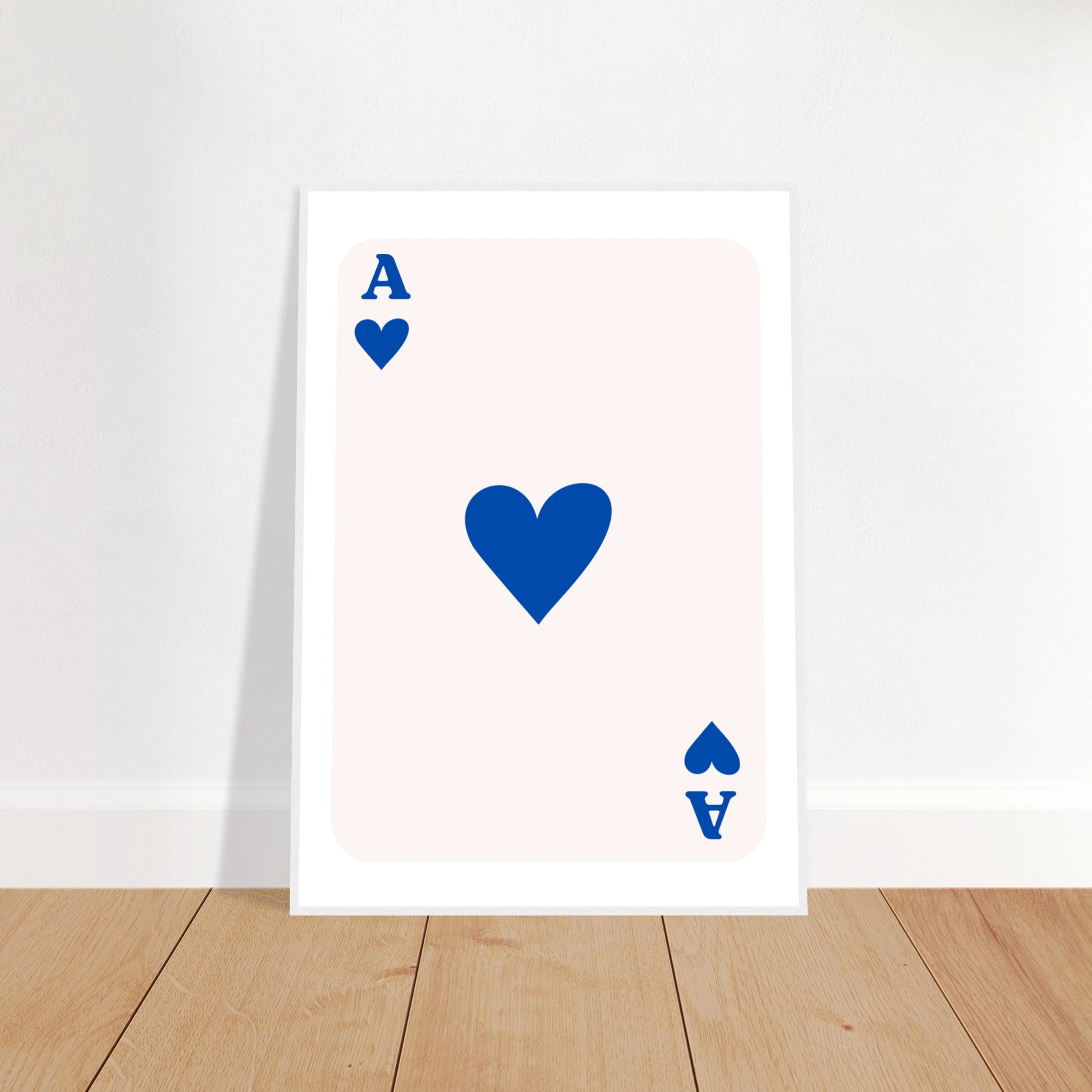

The Essential Artwork Shop Guide for Beginners 2025
Stepping into the world of artwork shop experiences in 2025 can feel both thrilling and overwhelming, especially if you are new to art buying. With endless choices, styles, and platforms, selecting the right piece may seem daunting at first.
Art has the power to transform any space, showcase your personality, and even become a valuable investment over time. But how do you start making choices that truly reflect your taste and budget?
This guide will walk you through every step, demystifying the artwork shop process so you can purchase with confidence and satisfaction.
Use this roadmap to begin your art-buying journey with clarity and excitement.
You will discover essential tips on understanding different art types, setting a realistic budget, choosing the best shop, verifying authenticity, and making confident purchases—all designed for beginners in 2025.
Understanding Different Types of Artwork
Stepping into an artwork shop for the first time can feel overwhelming. Understanding the core differences between art types is your first step toward making confident choices. This section demystifies the major categories, materials, and styles you will encounter, ensuring you can navigate any artwork shop with clarity.
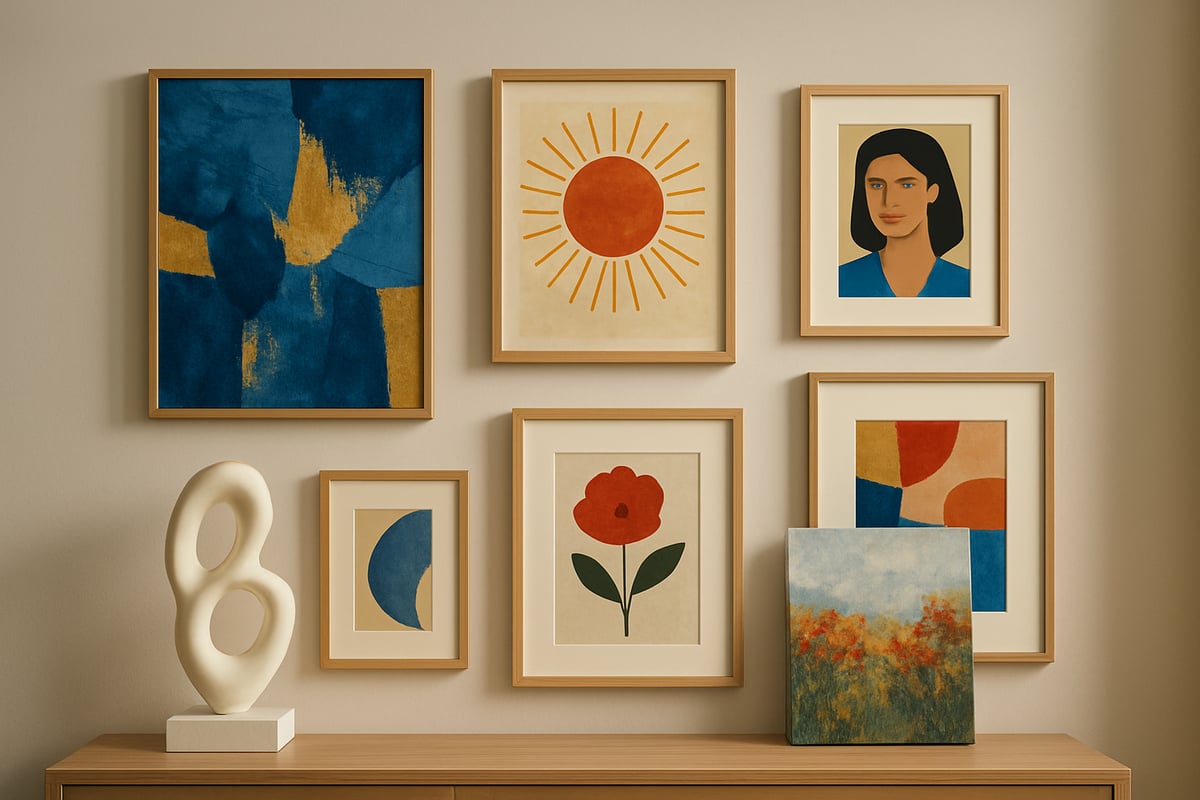
Fine Art vs. Decorative Art
When visiting an artwork shop, you will encounter both fine art and decorative art. Fine art includes original paintings, sculptures, and limited edition prints. These works are unique or produced in small editions, often signed by the artist, and can appreciate in value over time.
Decorative art, on the other hand, covers mass-produced prints and posters. While these pieces are typically more affordable and versatile, they do not offer the same level of exclusivity or investment potential as fine art.
| Aspect | Fine Art | Decorative Art |
|---|---|---|
| Uniqueness | Original or limited | Mass-produced |
| Value | Higher, potential to grow | Affordable, stable |
| Common Use | Investment, statement | Everyday decor |
For those new to an artwork shop, fine art is ideal if you seek a unique statement or long-term value, while decorative art suits those looking for style and accessibility.
Mediums and Materials Explained
An artwork shop features a range of mediums, each with unique characteristics. Popular choices include oil, acrylic, watercolor, digital art, and mixed media. The material not only affects the visual appeal but also impacts durability and price.
- Oil on canvas: Rich texture, long-lasting, often higher priced.
- Acrylic: Vibrant, fast-drying, more affordable.
- Watercolor: Delicate, best kept behind glass, sensitive to light.
- Digital prints: Consistent quality, budget-friendly, ideal for modern spaces.
For example, a canvas print from an artwork shop tends to last longer and look more substantial than a paper print. When shopping, consider where and how you will display your art to choose the right medium.
Styles and Movements to Know
Every artwork shop showcases a range of artistic styles, each influencing the atmosphere of your space. Key styles include abstract, realism, impressionism, minimalism, and pop art.
- Abstract: Energizes modern rooms, emphasizes color and form.
- Realism: Brings classic sophistication, depicts lifelike subjects.
- Impressionism: Adds softness and movement, great for living areas.
- Minimalism: Creates calm, uncluttered environments.
- Pop Art: Injects boldness and a contemporary vibe.
Choosing the right style at an artwork shop can transform a room’s mood. For a sleek office, minimalism works well, while abstract pieces can invigorate a creative studio.
Originals, Prints, and Limited Editions
In any artwork shop, you will find originals, prints, and limited editions. Originals are one-of-a-kind and command the highest price and prestige. Prints, both open and limited edition, are more accessible for new collectors.
Limited editions offer a balance between uniqueness and affordability, as they are produced in small quantities and often signed. The rise of digital and NFT art in 2025 means many artwork shops now feature digital certificates for authenticity and exclusive digital pieces.
If you are curious about how these categories impact your buying experience, Artwork Store Insights offers further guidance on navigating the evolving landscape of the modern artwork shop.
Setting Your Artwork Budget
Setting a clear budget is one of the most important steps in your artwork shop journey. Whether you are shopping for your first piece or building a collection, understanding what drives prices and how to plan financially will help you make confident choices.
Factors Influencing Artwork Prices
When you visit an artwork shop, you will notice prices can vary widely. Several factors shape these costs, including the artist’s reputation, the medium used, size, rarity, and provenance. Market trends and demand also play a big role, especially in 2025 as more buyers seek mid-priced pieces.
Here’s a quick comparison of common price influencers:
| Factor | Impact on Price | Example |
|---|---|---|
| Artist | High for famous names | Established vs. emerging |
| Medium | Varies by material | Oil vs. digital print |
| Size | Larger often costs more | Small print vs. mural |
| Rarity | Unique = higher price | One-off vs. edition |
For instance, an artwork shop featuring emerging artists may offer lower prices than galleries with established names. Understanding these variables will help you set realistic expectations.
Budgeting for First-Time Buyers
As a beginner, it is essential to decide how much you are comfortable spending at an artwork shop. Start by defining your goal: are you seeking investment pieces, or do you want art to enhance your space? In 2025, average price ranges are as follows: entry-level prints can be found from $50 to $300, while original works typically start at $500 and go up.
Setting your budget in advance helps narrow your choices and prevents impulse spending. Consider starting small to build confidence as you navigate the artwork shop landscape. Remember, you can always upgrade as your taste and experience grow.
How to Balance Quality and Affordability
Finding quality art within your budget is possible, especially with the variety of options available at every artwork shop. Look for student pieces, explore local galleries, and browse online marketplaces. Affordable art fairs and online flash sales can be excellent opportunities.
To maximize your budget, focus on limited edition prints or works by emerging artists. For more strategies, check out these Affordable Wall Art Tips to transform your space without overspending. Balancing quality and cost is all about exploring different sources and being patient with your search.
Hidden Costs to Consider
Your artwork shop budget should account for more than just the purchase price. Additional expenses like framing, shipping, insurance, and taxes can add up quickly. For example, custom framing may increase your total cost by 20 to 50 percent.
Here are some hidden costs to keep in mind:
- Professional framing and mounting
- Secure shipping and delivery fees
- Insurance for valuable items
- Sales tax or import duties
Always ask your artwork shop for a full breakdown of costs before finalizing your purchase. This approach ensures there are no surprises and that your investment is fully protected.
Choosing the Right Artwork Shop
Choosing the right artwork shop can shape your entire buying experience. With countless options available, understanding where and how to shop is essential for finding pieces that match your taste, budget, and confidence level.
Online vs. Physical Art Shops
Today, buyers can choose between online and physical artwork shop experiences. Each offers distinct advantages:
| Feature | Online Artwork Shop | Physical Artwork Shop |
|---|---|---|
| Selection | Global variety | Curated, local focus |
| Convenience | Shop anytime, anywhere | Immediate viewing |
| Visualization | Virtual previews | See true color, texture |
| Interaction | Digital communication | In-person advice |
Online artwork shop platforms like Saatchi Art provide access to thousands of works from emerging and established artists worldwide. Physical shops, such as local galleries, allow you to experience scale, color, and detail firsthand.
Key Features of Reputable Art Shops
A trustworthy artwork shop stands out through clear and transparent practices. Look for these signs:
- Well-defined return and refund policies
- Artist biographies and background information
- Transparent, upfront pricing
- Verified customer reviews and testimonials
Some reputable artwork shop platforms also hold professional certifications or participate in recognized art fairs. These features help ensure authenticity and a positive buying experience.
Navigating Online Art Marketplaces
When shopping at an online artwork shop, use advanced filters to narrow your search by size, style, or price. Many sites offer virtual previews or augmented reality tools, allowing you to visualize art in your space.
Stay safe by using secure payment methods and checking for SSL certificates. Be cautious of deals that seem too good to be true, and always verify the credibility of the artwork shop before making a purchase.
Supporting Local Artists and Galleries
A local artwork shop is a valuable resource for unique finds and personalized service. Buying from local artists helps support your community and offers direct access to creators.
Discover local artwork shop events such as art walks, pop-up exhibitions, or open studio days. These experiences allow you to connect with artists, ask questions, and find art that resonates with your space and values.
Muralla Art: A Modern Art Shopping Experience
Muralla Art stands out as a leading online artwork shop, offering a curated selection of wall art and prints for every taste. Their collections cover a wide range of styles and mediums, making it easy for beginners to find something special.
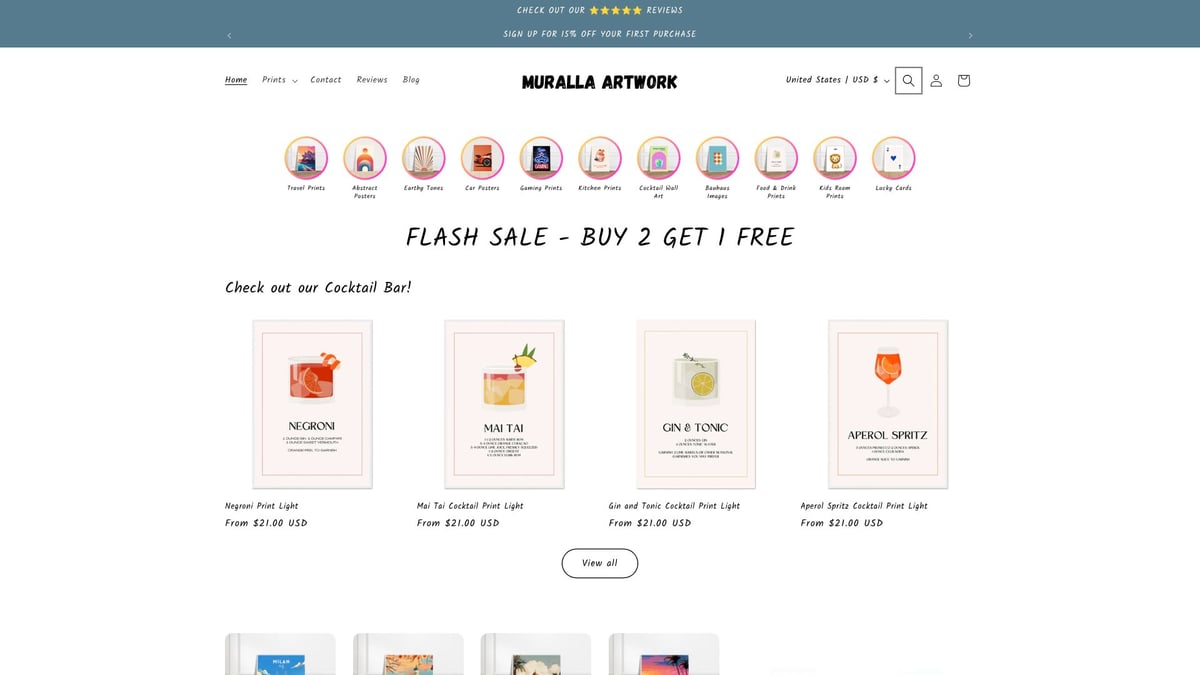
The artwork shop provides free global shipping, a user-friendly website, and customer-friendly policies. Muralla Art's affordable pricing, exclusive designs, and regular new arrivals make starting an art collection accessible. First-time buyers can enjoy a 15% discount, removing barriers for those new to the artwork shop world.
Reading Reviews and Testimonials
Customer feedback is essential when choosing an artwork shop. Reading authentic reviews helps you gauge the reliability, service, and quality you can expect.
Look for shops with verified reviews on platforms like Trustpilot or Google. Be cautious of overly generic comments or repetitive language, which may signal fake ratings. For real customer experiences and to evaluate an artwork shop's reputation, consult resources like Reading Art Shop Reviews.
Evaluating Artwork Authenticity and Quality
Shopping at an artwork shop is exciting, but ensuring authenticity and quality is crucial for protecting your investment. Whether you are buying your first piece or building a collection, knowing how to evaluate what you purchase gives you confidence and peace of mind.
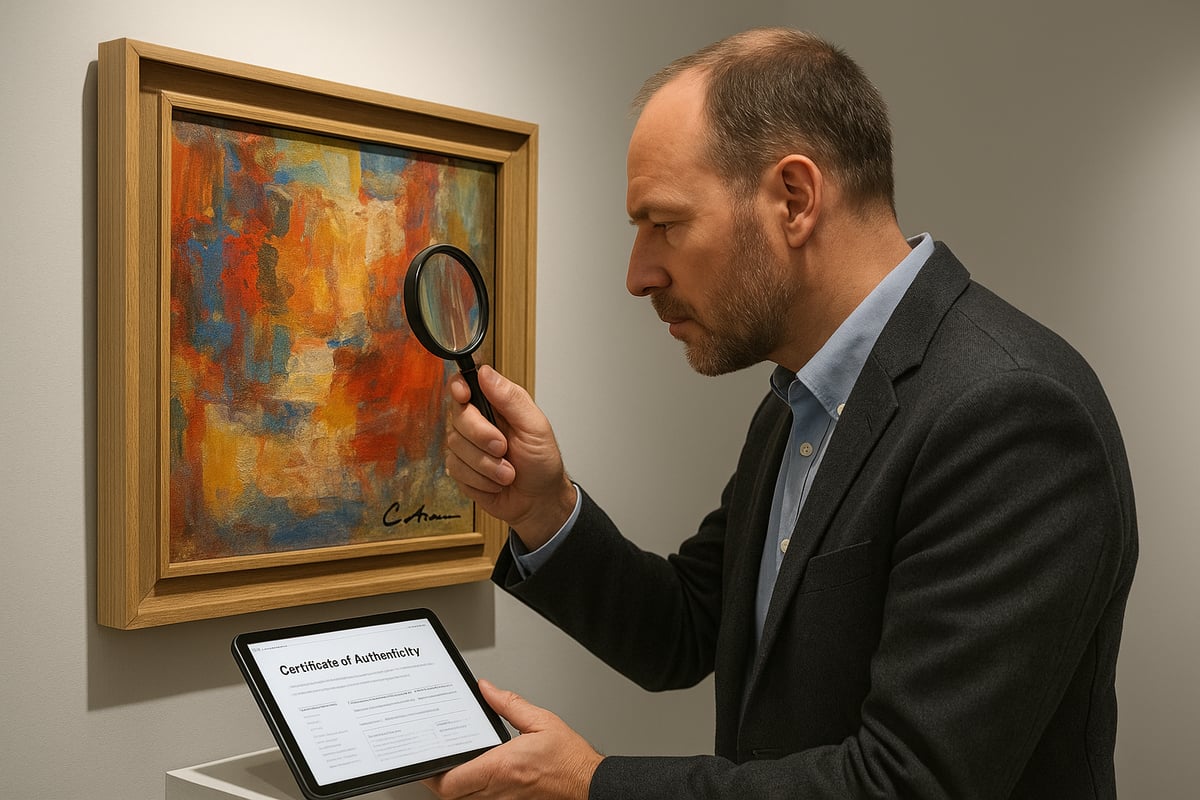
Understanding Certificates of Authenticity
A certificate of authenticity (COA) is a key document in any reputable artwork shop. It verifies that the piece is genuine and details important information such as the artist's name, title, creation date, and edition number.
When reviewing a COA, check for:
- A clear artist signature
- An official stamp or seal from the issuing authority
- Details about the edition or series
- Contact information for verification
A trustworthy artwork shop will always provide a COA for original works, limited editions, and sometimes even for high-quality prints. If in doubt, reach out to the issuer or artist for confirmation before making a purchase.
Spotting Reproductions and Forgeries
The risk of encountering fakes or unauthorized reproductions is real in any artwork shop. Some telltale signs include suspiciously low prices, vague artist information, and poor image quality.
To protect yourself:
- Compare the piece with images on the artist’s official website or catalogue raisonné
- Inspect the signature and edition number for consistency
- Ask for provenance records or previous ownership history
A reputable artwork shop will welcome your scrutiny and provide transparent details. If something feels off, trust your instincts and seek additional verification.
Assessing Materials and Craftsmanship
Quality materials are a hallmark of any respected artwork shop. Examine the piece closely, paying attention to the build, finish, and materials used.
Key aspects to consider:
- Is the paper acid-free or archival?
- Are the inks UV-resistant for longevity?
- Is the canvas stretched evenly and securely?
A quick table for reference:
| Material | Pros | Cons |
|---|---|---|
| Canvas | Durable, classic look | May require framing |
| Paper | Versatile, affordable | Sensitive to moisture |
| Metal/Glass | Modern, vibrant | Heavier, fragile |
Well-crafted pieces from a reputable artwork shop should feel solid, look vibrant, and use materials that ensure longevity.
Questions to Ask Sellers or Galleries
Before finalizing a purchase at an artwork shop, come prepared with questions that reveal more about the piece and its provenance.
Consider asking:
- What is the history or previous ownership of this artwork?
- Can you provide additional photos or close-ups?
- How should I care for and display this piece?
- Is there a certificate of authenticity or digital record?
A professional artwork shop welcomes informed buyers and will provide documentation or further details. Open communication helps you make confident, informed choices.
Using Technology for Authentication
Modern technology is transforming how artwork shop buyers verify authenticity. In 2025, digital certificates, blockchain records, and image recognition tools are widely used.
Look for:
- QR codes linking to digital provenance
- NFT platforms for digital art verification
- Blockchain-based certificates for secure record-keeping
These innovations help buyers trace the history of a piece and confirm its legitimacy. Staying informed about Art Market Trends in 2025 can also guide you on what authentication tools are most trusted today. When you shop at an artwork shop leveraging technology, you gain extra assurance and transparency.
Steps to Buying Artwork: A Beginner’s Roadmap
Embarking on your first artwork shop journey can feel daunting, but a clear step-by-step process removes uncertainty. This roadmap equips beginners with practical actions for purchasing art confidently in 2025. Whether your goal is personal enjoyment, investment, or enhancing your space, follow these steps for a rewarding experience.
Step 1: Define Your Purpose and Space
Begin by clarifying why you want to visit an artwork shop. Are you seeking art to express your personality, invest for the future, or simply to decorate? Purpose influences your choices throughout the process.
Measure your wall space before shopping. Consider lighting, wall color, and existing décor. Take photos of your room and note dimensions. This preparation helps you select sizes and styles that fit harmoniously.
If you need extra guidance on matching art to your environment, consult resources like How to Choose the Perfect Wall Art. This will make your artwork shop journey more focused and enjoyable.
Step 2: Research and Shortlist Options
Explore a variety of sources to discover art styles and artists that resonate with you. Browse online galleries, social media platforms, and local exhibitions to gather inspiration. Save images, create digital mood boards, and note recurring themes.
Compile a shortlist based on your taste and budget. Include details like medium, size, and artist. This step streamlines your artwork shop visits and online searches, ensuring you stay organized and intentional.
For those interested in accessible art, review events like the Affordable Art Fair Overview, which showcase a wide range of contemporary works at beginner-friendly prices.
Step 3: Compare Shops and Platforms
Evaluate each artwork shop on reputation, selection, and pricing. Read customer reviews, check for transparent return policies, and compare shipping costs. Look for exclusive pieces or limited editions that may add value to your collection.
Use comparison tables or lists to weigh pros and cons. Consider the shop's customer service, ease of navigation, and available payment options. Comparing both online and physical artwork shop experiences helps you find the most reliable and enjoyable option.
| Criteria | Shop A | Shop B |
|---|---|---|
| Reputation | ★★★★☆ | ★★★☆☆ |
| Selection | Wide | Moderate |
| Return Policy | 30 days | 14 days |
| Shipping Fees | Free | $25 |
Step 4: Contact Sellers and Ask Questions
Reach out to sellers for further details about the artwork. Ask about provenance, care instructions, and the artist's background. Request additional photos or videos to assess color and texture more accurately.
Use email or direct messaging for clear communication. Prepare questions in advance to maximize information from each artwork shop. Professional sellers respond promptly and provide comprehensive answers, helping you build trust before purchasing.
If possible, arrange a virtual or in-person viewing. This step gives you confidence in the authenticity and quality of your chosen piece.
Step 5: Finalize Purchase and Arrange Delivery
Once you have selected your artwork, review the shop's payment options and confirm secure methods. Double-check shipping details, estimated delivery times, and return policies to avoid surprises.
Opt for insured shipping, especially for high-value pieces. Track your order and prepare your space for delivery. A reputable artwork shop will offer clear communication throughout the process, ensuring your experience is smooth and transparent.
Keep all receipts, certificates, and correspondence for your records. This documentation is valuable for future reference or resale.
Step 6: Unpack, Frame, and Display
Upon arrival, carefully unpack your art in a clean, well-lit area. Inspect the piece for any damage. For optimal presentation, consider professional framing, especially for originals or limited editions.
Select hanging hardware suitable for your wall type. Position your artwork at eye level and experiment with arrangements for visual balance. Lighting can dramatically enhance colors and details, so use spotlights if possible.
Enjoy your new addition. Each step in the artwork shop process leads to a satisfying, personalized display that enriches your space and reflects your journey as a collector.
Caring for Your Artwork Investment
Caring for your art is essential if you want to enjoy your collection for years to come. Whether you purchase from a local gallery or an online artwork shop, proper maintenance, protection, and planning will help safeguard your investment and preserve its beauty.
Cleaning and Maintenance Basics
Regular cleaning prevents dust and grime from dulling your art. For pieces purchased from an artwork shop, always use gentle, non-abrasive tools. A soft microfiber cloth works well for dusting framed prints and canvases. Avoid harsh chemicals, sprays, or water, which can damage surfaces or seep under glass.
For glass-covered works, wipe the glass only, never the artwork itself. When in doubt, consult your artwork shop or a professional conservator for specific care instructions. Consistent, gentle maintenance helps artwork retain its vibrancy and value.
Protecting Art from Environmental Damage
Environmental hazards can harm your art, no matter where you buy it. Sunlight fades pigments, while humidity and temperature swings can warp or crack materials. Place your art away from direct sunlight, radiators, or air vents.
Consider using UV-protective glass and dehumidifiers for sensitive pieces. As you explore sustainable care, you may find inspiration from Gallery Climate Coalition Initiatives, which promote eco-friendly practices in the art world. Responsible display and storage extend the life of your artwork shop finds and support global sustainability efforts.
Insurance and Appraisals
Protecting your collection with insurance is a smart step for any art enthusiast. Many artwork shop purchases, especially originals or limited editions, may qualify for coverage under homeowner’s insurance or specialized art policies. Keep documentation, receipts, and photos for each piece.
Appraise valuable works periodically to ensure coverage matches current market value. Some insurers require updated appraisals every few years. Ask your artwork shop for recommendations on qualified appraisers or art insurers to keep your investment secure.
Long-Term Storage Tips
If you need to store art from your artwork shop, prioritize materials and conditions that prevent damage. Use acid-free sleeves or archival boxes for prints and paper works. Store canvases upright, never stacked, in a climate-controlled space to avoid warping or mold.
Avoid attics, basements, or areas with fluctuating temperatures. Label stored art clearly and check periodically for any signs of deterioration. Proper storage preserves both the appearance and value of your artwork shop treasures, ensuring they remain ready for display at any time.