

Essential Guide to Mural Art Painting for 2025 Walls
Vibrant mural art painting is redefining interior and exterior spaces in 2025, capturing the imagination of designers, artists, and homeowners alike. This transformative trend is more than decoration—it is a statement, a story, and a powerful tool for self-expression.
In this essential guide, you will discover the evolution of mural art, learn about must-have materials, master surface preparation, and explore expert painting techniques. We also cover the best methods for protecting your masterpiece and highlight future trends.
Ready to create lasting impact? Follow our step-by-step mural art painting guide and turn any wall into a work of art.
The Rise and Relevance of Mural Art in 2025
Mural art painting is experiencing a remarkable resurgence in 2025, bridging the gap between ancient traditions and modern innovation. Artists and homeowners alike are embracing this creative form, transforming both public and private spaces with vibrant, meaningful designs. As we trace the journey of mural art painting, it becomes clear why it holds such a powerful place in today’s design landscape.
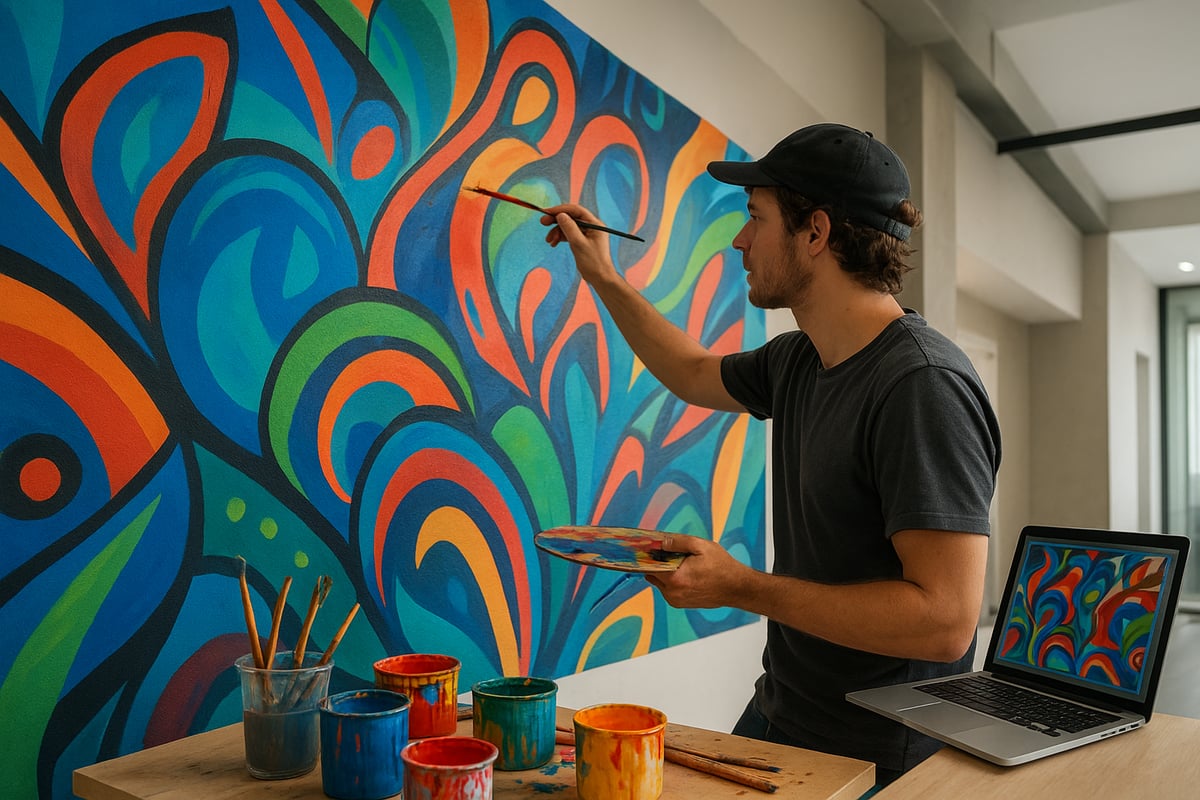
Evolution of Mural Art: From Ancient Walls to Modern Spaces
The story of mural art painting begins thousands of years ago. Early humans used cave walls as their first canvases, telling stories and marking significant events with pigments made from natural materials. Over centuries, mural art painting evolved, adorning temples, palaces, and public buildings throughout various civilizations.
Cultural movements have continuously shaped mural art painting. In the twentieth century, public art initiatives brought murals to city streets, turning blank facades into powerful statements. Today, technology has further broadened the possibilities. Digital sketching, projection mapping, and even augmented reality are now integral to many mural art painting projects.
A significant shift is underway as mural art painting moves from massive outdoor installations to personalized interior walls. Urban centers worldwide are commissioning murals to breathe new life into neighborhoods, while more homeowners invest in custom works. According to recent industry data, commissions for mural art painting in both residential and commercial settings have increased by over 20 percent in the past three years.
The enduring appeal of mural art painting lies in its adaptability. It bridges history and modernity, allowing every wall to become a canvas for storytelling and transformation.
Why Mural Art Is Trending for 2025 Walls
In 2025, mural art painting has become a defining element in home and business decor. People seek more than decoration; they want walls that reflect identity, values, and creativity. Mural art painting is uniquely suited to this demand, offering a canvas for self-expression and narrative.
Studies show that mural art painting can significantly influence mood, productivity, and the perception of space. A thoughtfully designed mural can make a room feel expansive, dramatic, or tranquil, depending on the chosen theme and colors. Customization is at the forefront, with artists tailoring murals to suit minimalist, maximalist, or eclectic tastes.
Sustainability is also shaping the future of mural art painting. The use of eco-friendly paints and materials is now standard practice, aligning with broader environmental awareness. Social media platforms amplify the impact, as striking murals become shareable backdrops, boosting their popularity among businesses seeking to enhance brand identity.
Many offices, cafes, and creative spaces now use mural art painting not just for aesthetics, but to communicate their brand story. For a deeper dive into current styles and inspirations, explore 2025 wall art trends, which highlights how mural art painting is shaping interior and exterior design this year.
With its rich history, adaptability, and cultural relevance, mural art painting continues to captivate and inspire, making it an essential element in modern design.
Essential Materials and Tools for Mural Art Painting
Selecting the right materials is the foundation of successful mural art painting. Whether you are a seasoned artist or a homeowner, understanding the best tools and products ensures your work stands the test of time and makes a bold visual impact.
Choosing the Right Paints for Durability and Vibrancy
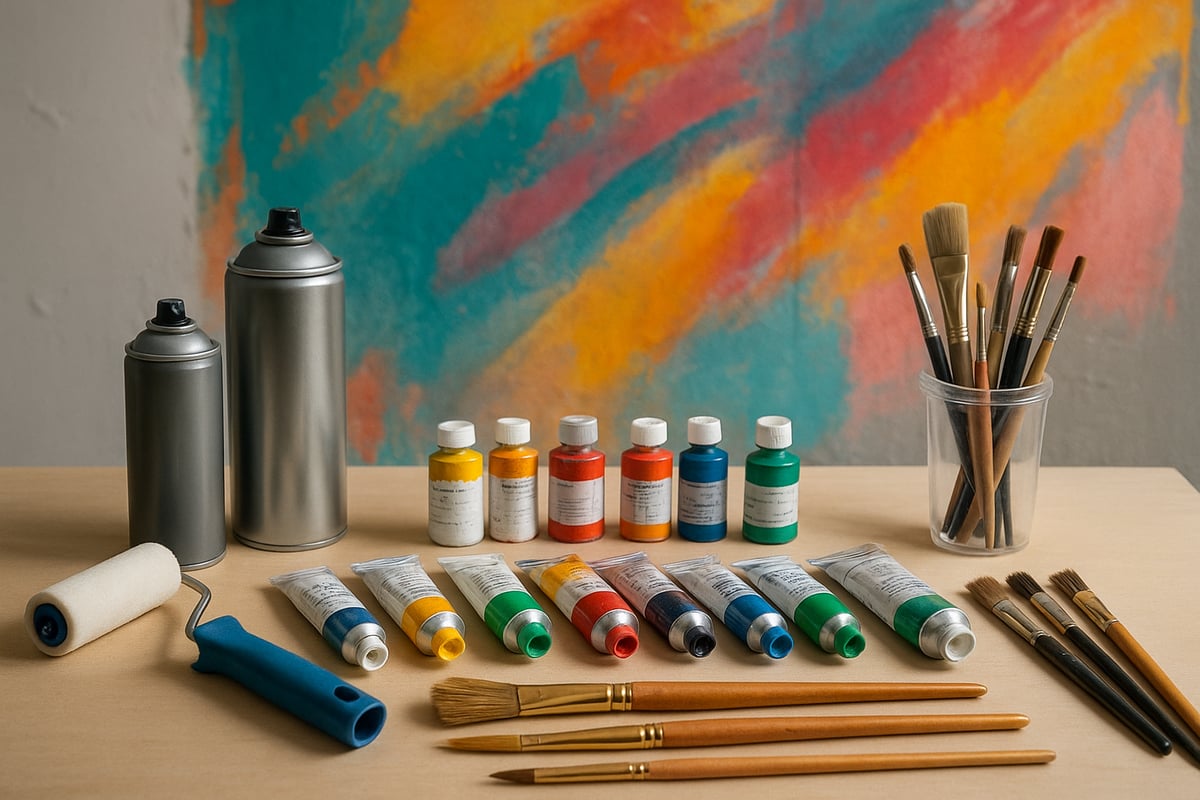
The heart of mural art painting lies in selecting paints that offer both striking color and lasting performance. Acrylics are favored for their lightfastness, weather resistance, and user-friendly application. Unlike ethyl-silicate or solvent-based enamels, acrylics dry quickly and resist fading, making them ideal for both indoor and outdoor murals.
| Paint Type | Durability | Vibrancy | Ease of Use | Suitable For |
|---|---|---|---|---|
| Acrylic | High | High | Easy | Most surfaces |
| Ethyl-silicate | Very High | Moderate | Complex | Exterior masonry |
| Solvent-based enamel | High | High | Moderate | Metal, outdoor |
For the best results, choose paints with excellent lightfastness and permanency ratings, such as Pigment I. Avoid gessoes, molding pastes, or fugitive pigments, especially for exterior projects. Leading brands like Golden Artist Colors recommend specific pigments for outdoor use, such as Titanium White and Anthraquinone Blue. For a deeper dive into these topics, see this comprehensive guide on techniques and materials for mural creation.
Brushes, Rollers, Sprayers, and Application Tools
The success of mural art painting also depends on using the right application tools. Fine detail work calls for synthetic or natural bristle brushes with sharp edges, while broad surfaces benefit from wide, flat brushes and rollers for even coverage. Rollers are excellent for laying down base coats, speeding up the process and ensuring consistency.
For large murals or smooth gradients, airbrushes and paint sprayers provide seamless color transitions. Mixing mediums and extenders, like GAC 200, help thin heavy body acrylics and improve flow on textured walls. Always match your tools to your surface and design requirements for optimal results.
Primers, Conditioners, and Surface Sealers
Proper surface preparation is non-negotiable in mural art painting. A high-quality primer ensures paint adhesion and extends mural lifespan. For brick, concrete, or masonry, use a masonry conditioner to seal and stabilize the surface before painting.
Be mindful of 2025’s VOC regulations when selecting primers and sealers. Consult local architectural coating suppliers for recommendations tailored to your wall type. After priming, a protective sealer shields your mural from moisture and environmental damage, locking in your creative vision for years to come.
Preparing Your Wall: Step-by-Step Surface Preparation
A flawless mural art painting begins with meticulous wall preparation. The integrity and longevity of your mural depend on how well you assess, clean, repair, and prime your chosen surface. Proper groundwork ensures your creative vision is realized without unexpected issues down the line.
Assessing and Selecting the Ideal Surface
The first step in mural art painting is choosing the right wall. Not all surfaces are created equal. Brick, concrete, wood, drywall, and pre-fabricated panels each offer unique advantages and challenges.
| Surface Type | Advantages | Drawbacks |
|---|---|---|
| Brick/Concrete | Durable, textured, holds paint well | May require extra cleaning |
| Wood (MDO Plywood) | Smooth, ideal for panels, weatherproof | Needs sealing, can warp if wet |
| Drywall | Smooth, easy to prep | Susceptible to moisture damage |
Painting directly onto existing structures is common, but for outdoor mural art painting, mounted panels like MDO plywood are preferred for their stability and longevity.
Selecting a surface that matches your mural’s location and expected wear ensures your mural art painting will remain vibrant for years.
Cleaning and Repairing the Wall
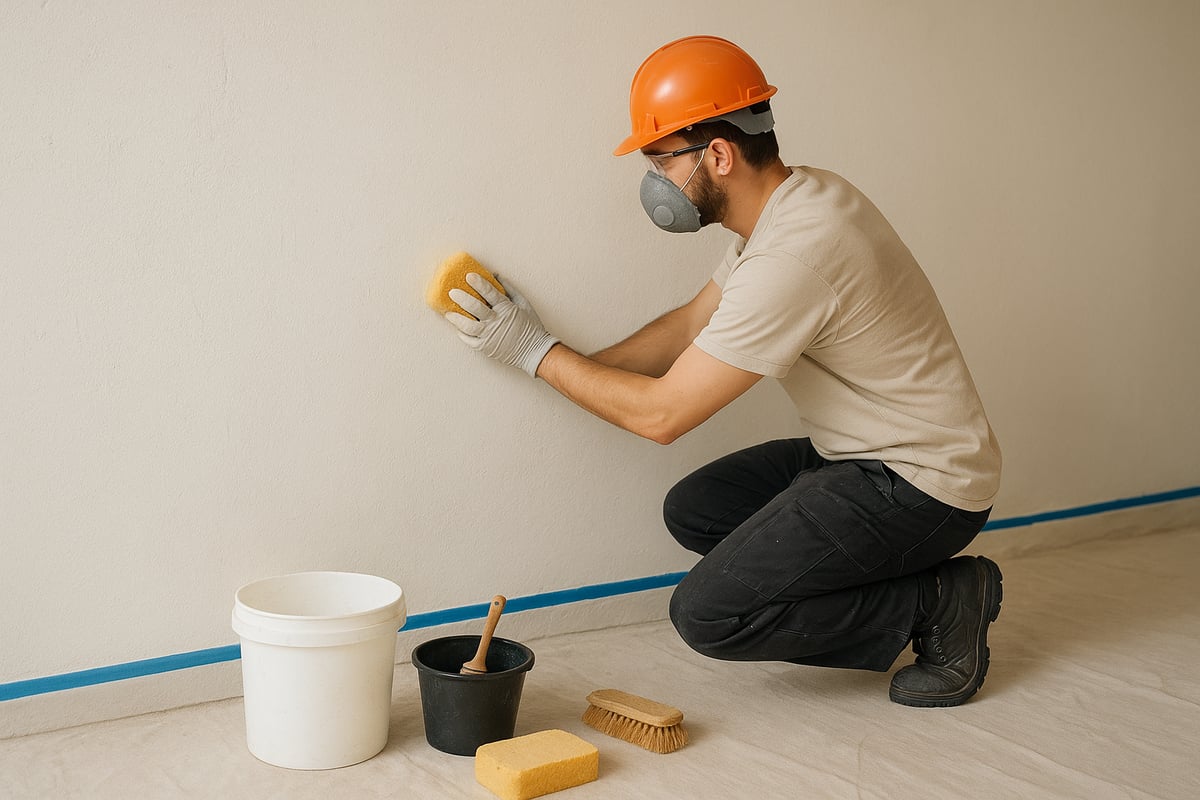
Thorough cleaning is vital for successful mural art painting. Any dirt, grease, or old coatings can prevent paint from adhering properly, leading to premature failure.
- Wash the surface with soap and water, paying attention to corners and textured areas.
- For high-gloss or unknown paints, use abrasion or removal techniques to create a receptive surface.
- Abrasive cleaners can clean and dull in one step, saving time and improving results.
Did you know over 80% of coating failures are traced to poor surface prep? Taking the time to clean thoroughly is one of the most effective ways to ensure your mural art painting stands the test of time.
Mold, Mildew, and Crack Treatment
Before beginning mural art painting, inspect for mold, mildew, and cracks. These issues can undermine both the paint and the wall’s structural integrity.
To safely remove mold or mildew:
- Mix one part bleach with three parts water.
- Wear protective gear, including gloves and a mask.
- Never mix bleach with ammonia-based cleaners.
Apply the solution, let it sit for 10 minutes, and rinse thoroughly. For cracks or grooves, consult your local architectural coatings store for the best fillers. Addressing these problems early guarantees a smoother mural art painting process and a more resilient finished product.
Priming for Paint Application
Once the wall is clean and repaired, priming is the final preparatory step for mural art painting. A quality primer creates a strong bond between the wall and the paint, promoting durability.
- Choose a primer compatible with your chosen paint, especially if using latex (waterborne) paints.
- For masonry, use a dedicated masonry conditioner to seal porous surfaces.
- Allow freshly washed concrete or cinder blocks to dry for at least 30 days before priming.
For large-scale inspiration and to see how proper prep sets the stage for stunning results, explore wall-to-wall murals inspiration.
A well-primed wall not only enhances color vibrancy but also extends the life of your mural art painting, making your effort worthwhile.
Designing Your Mural: Planning, Sketching, and Color Selection
Crafting a successful mural starts with a thoughtful approach to design. Whether you are an experienced artist or a homeowner exploring mural art painting, intentional planning ensures your work is visually striking and enduring. Every phase, from the initial concept to color selection, shapes the final impact of your mural.
Conceptualizing the Mural: Theme, Style, and Placement
The foundation of mural art painting is a clear concept. Begin by defining the mural’s purpose: Will it tell a story, reinforce a brand, or simply elevate the room’s atmosphere? Consider the wall’s size, lighting, and how people will interact with the space. Placement matters, as focal points and high-traffic areas can influence the mural’s visibility and impact.
Select a style that fits the environment. Minimalist spaces may benefit from abstract or geometric designs, while maximalist interiors can handle vibrant, detailed scenes. Incorporate personal or client preferences for a truly customized result. For more inspiration on how to approach themes and styles, you may find Ideas for wall decorations helpful during your planning phase.
Use a checklist to refine your concept:
- Define the mural’s message or story.
- Assess wall dimensions and lighting.
- Align the theme with the room’s purpose and decor.
- Gather reference images and color swatches.
Thoughtful planning at this stage will set the tone for every step of your mural art painting journey.
Creating the Sketch: Scaling and Transferring Designs
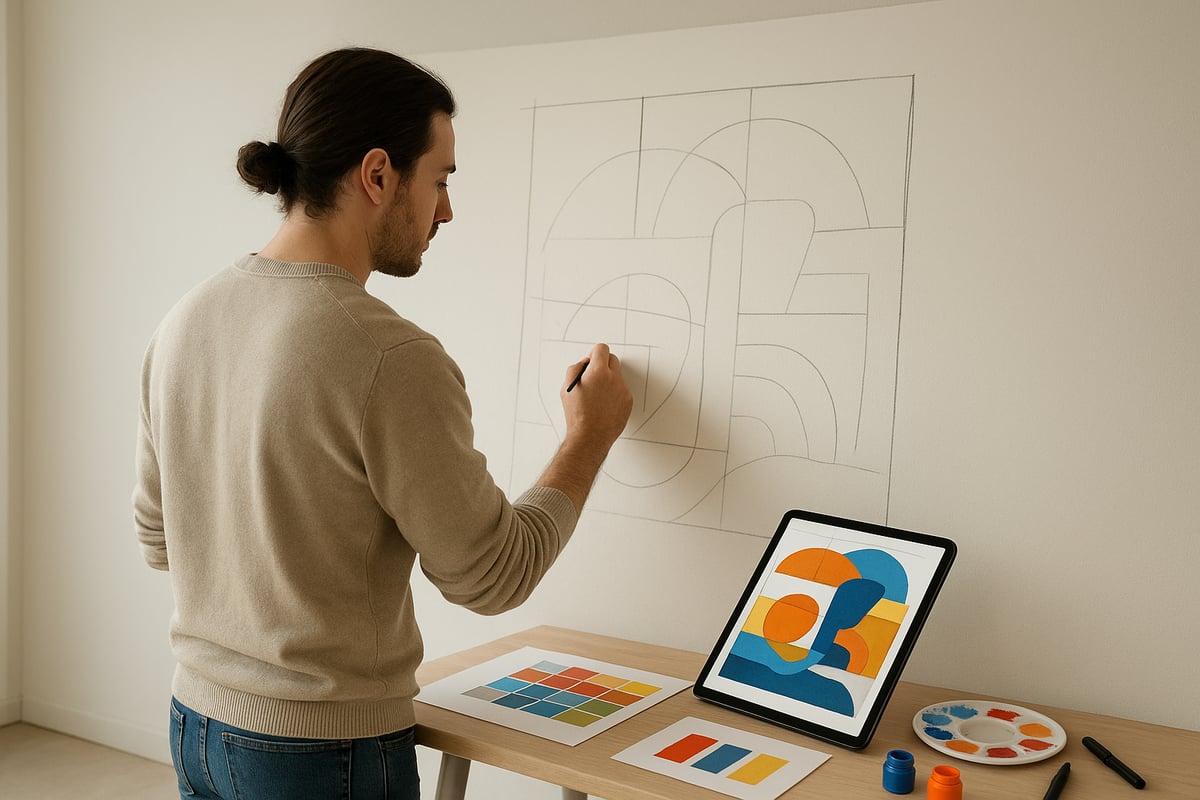
After you finalize your concept, the next step in mural art painting is translating your vision onto the wall. Start by creating a detailed sketch of your design. This blueprint helps you visualize proportions and balance before any paint is applied.
There are several tried-and-true methods for scaling designs:
- The grid method: Draw a grid over your sketch and replicate it on the wall, square by square.
- Projectors: Project your digital sketch directly onto the wall for accurate tracing.
- Stencils: Use cutouts for repeating patterns or complex shapes.
Digital mock-ups are invaluable. Tools like Photoshop or Procreate allow you to preview the mural in situ, ensuring the composition works in real space. Presenting these previews helps secure client approval and minimizes surprises during execution.
When transferring the design, use light materials such as chalk, charcoal, or a soft pencil. These can be easily adjusted or removed as you refine your mural art painting. Taking care in this phase ensures clean outlines and a confident start to painting.
Color Theory and Pigment Selection for Longevity
Selecting the right colors is essential for mural art painting that stands the test of time. Begin with basic color theory to harmonize your mural with the existing decor. Choose a palette that enhances the mood you wish to create, whether calm and neutral or bold and energetic.
Durability should guide pigment selection. Opt for paints with high lightfastness and permanency ratings, such as Pigment I or those marked as “Excellent.” Avoid cadmium pigments and thin glazes, especially for exterior murals, as these can fade or deteriorate quickly.
Here are recommended pigments for lasting results:
| Pigment Name | Lightfastness | Use Case |
|---|---|---|
| Titanium White | Excellent | All murals |
| Anthraquinone Blue | Excellent | Exteriors |
| Pyrrole Red | Excellent | All murals |
Coordinate your palette with the room’s features and purpose. Testing swatches on the actual surface can reveal how light and texture affect color perception. By prioritizing pigment quality and strategic color placement, you ensure your mural art painting remains vibrant and beautiful for years.
Mural Painting Techniques: Application Methods for Stunning Results
Mastering mural art painting techniques is essential for bringing your creative vision to life on any wall. Whether you are an experienced artist or a homeowner exploring this art form, understanding the right methods will ensure your mural stands out and lasts for years.
Layering, Blending, and Texture Creation
Effective layering and blending are at the heart of mural art painting. Start by building depth with base layers, gradually adding mid-tones and highlights. Wet-on-wet techniques allow for smooth transitions, ideal for creating gradients or soft shadows. In contrast, dry-brush methods offer texture and can define hard edges or add visual interest.
Consider using gels and extenders to manipulate transparency and texture, especially when working on interior walls. For modern projects, digital tools and AI-assisted design platforms can preview blends and textures before you pick up a brush. For more on these innovative approaches, see AI-Assisted and Generative Mural Design.
Experiment with palette knives or sponges to introduce tactile effects. Test your techniques on a sample board to ensure the mural art painting will achieve the desired results and remain vibrant over time.
Working with Different Surfaces and Paint Types
Adapting mural art painting methods to suit your wall surface is crucial. Smooth drywall allows for crisp lines and detailed brushwork, while brick or textured concrete might require thicker paints and bolder strokes. Always thin heavy body acrylics with appropriate mediums to improve flow on uneven surfaces.
Use rollers for broad, even coverage on large areas, switching to smaller brushes for intricate details. Fluid acrylics are particularly useful for spray applications and can help achieve fine gradients or subtle color shifts.
When selecting paint, prioritize high-quality, lightfast pigments that will withstand exposure and maintain their vibrancy. Each surface may interact differently with the paint, so always test adhesion and color on a small area before starting the full mural art painting process.
Step-by-Step Guide to Painting Your Mural
Begin mural art painting by outlining your design with chalk, charcoal, or a light wash of paint. This foundational step provides a clear roadmap for the rest of your work. Next, block in the largest shapes and background colors, ensuring even coverage and solid saturation.
Allow each layer to dry thoroughly before adding detail or moving to the next section. Gradually build up colors, shadows, and highlights, refining edges as you progress. For added durability, consider applying an isolation coat before your final varnish, which unifies the paint layers and protects your mural art painting from environmental wear.
Troubleshooting Common Mural Painting Challenges
Even experienced artists encounter challenges during mural art painting. Drips, uneven coverage, or unexpected color shifts can occur, especially on textured or absorbent surfaces. To address these, keep a damp cloth nearby for quick corrections and always work in manageable sections to control drying times.
If paint dries too rapidly due to high temperatures, use slow-drying mediums or paint during cooler periods. In humid conditions, allow extra drying time between layers to prevent adhesion issues. Avoid painting during rain or fog, as moisture can compromise the mural art painting’s longevity.
For persistent problems, review your surface preparation and adjust your materials as needed. Troubleshooting early ensures your mural remains vibrant and structurally sound for years.
Protecting and Maintaining Your Mural for Years to Come
Safeguarding your mural art painting ensures its vivid colors and creative impact last for years. Proper protection begins before the final brushstroke and continues with thoughtful maintenance tailored to your specific environment.
Applying Isolation Coats and Varnishes
After completing your mural art painting, an isolation coat is essential. This transparent layer separates the paint from future varnish, making touch-ups and cleaning much safer. For best results, use a mixture of two parts Soft Gel Gloss to one part water, brushing on a thin, even coat.
Once dry, apply a high-quality, exterior-grade varnish. Opt for products designed to resist UV rays and comply with VOC regulations. Spray application provides the smoothest, most consistent finish, but always ensure you work in a dust-free, well-ventilated area.
Proper layering with isolation coats and varnishes forms the first line of defense for your mural art painting, preserving both color and integrity.
Graffiti-Resistant and UV-Protective Finishes
Exposure to sunlight and potential graffiti can threaten the longevity of mural art painting. Specialized anti-graffiti coatings, such as wax-based or polyurethane finishes, offer an extra layer of protection. For optimal results, select varnishes with UV light stabilizers (UVLS) to reduce fading.
Golden MSA Varnish with UVLS is a top choice for both interior and exterior walls. These finishes make cleaning easier and help maintain vibrancy. For a deeper understanding of preservation methods, explore the Conservation and Restoration of Frescos for professional insights on long-term mural care.
Taking these steps ensures your mural art painting remains resilient against both environmental and human-made challenges.
Environmental Considerations During Application
Environmental conditions play a critical role in the success of mural art painting protection. Always apply isolation coats and varnishes when temperatures are between 65°F and 75°F, and humidity is low. Avoid working during rain or fog, as moisture can cause clouding or poor adhesion.
Allow each layer to dry thoroughly before adding the next. On masonry surfaces, leave small uncoated sections to let trapped moisture escape, preventing long-term damage. Careful attention to these factors during application can greatly extend the life of your mural art painting.
Maintenance and Restoration Tips
Regular inspection and gentle cleaning are key to preserving your mural art painting. Use a soft cloth or sponge with mild soap and water to remove dust and dirt. For graffiti removal, choose products that do not harm the underlying mural.
Plan to reapply protective varnish every few years, especially in high-traffic or outdoor settings. Promptly address any signs of fading or damage, consulting experts when needed. With proactive care, your mural art painting will continue to inspire and impress for years to come.
Future Trends and Innovations in Mural Art Painting
The landscape of mural art painting is shifting rapidly in 2025, driven by technology, sustainability, and the demand for personalization. Artists and homeowners are exploring new frontiers, making mural art painting more interactive, eco-friendly, and influential than ever before.
Digital Integration and Interactive Murals
Technology is redefining mural art painting with augmented reality (AR), projection mapping, and digital design tools. Artists now use tablets to sketch, experiment, and scale their ideas before transferring them to the wall. Interactive murals, enhanced by AR, invite viewers to engage with art in new ways. Tools like GestoBrush: Facilitating Graffiti Artists' Digital Creation Experiences through Embodied AR Interactions allow artists to prototype and visualize their work, blending physical and digital creativity. This digital leap ensures mural art painting remains dynamic and accessible.
Eco-Friendly Materials and Sustainable Practices
Sustainability is central to mural art painting in 2025. Artists are prioritizing low-VOC and biodegradable paints to reduce environmental impact. Recycled and responsibly sourced substrates, such as eco-panels or reclaimed wood, are gaining momentum. These choices not only support environmental health but also appeal to eco-conscious clients. Adopting sustainable practices in mural art painting demonstrates a commitment to both artistic excellence and planetary well-being.
Community-Driven and Collaborative Mural Projects
Mural art painting is becoming a catalyst for community engagement. Cities are hosting mural festivals, inviting residents and artists to collaborate and transform public spaces. Artist-in-residence programs foster local talent and encourage participatory art making. These collaborative projects help neighborhoods express identity and pride. Through shared mural art painting, communities build stronger connections and lasting cultural landmarks.
Personalization and Customization in Home Decor
Personalization is at the heart of modern mural art painting. Homeowners and businesses seek bespoke designs that reflect their unique style, values, or brand identity. Murals are now key features in interior design, tailored to complement architecture, color palettes, and personal stories. This surge in customization elevates mural art painting as a signature element in contemporary spaces, making every wall a canvas for individuality.
The Lasting Impact of Mural Art in 2025 and Beyond
Mural art painting continues to inspire, unite, and transform environments. Its influence spans from revitalizing urban landscapes to enhancing private interiors. As technology, sustainability, and community participation evolve, mural art painting will remain a powerful force for creativity and positive change. The future promises even greater integration of innovation, making mural art painting more relevant and impactful for years to come.