

Abstract Painting Guide: Creative Insights for 2025
Step into a world where creativity knows no limits. In 2025, abstract painting is capturing attention as a powerful way to express emotion and transform modern spaces. Whether you are just starting out or refining your style, this guide delivers expert insights and step-by-step techniques for every artist.
Discover the essence of abstraction, essential tools, innovative methods, and the latest trends shaping the future of art. Ready to unlock proven strategies and fresh inspiration? Embrace the freedom of abstract painting and ignite your next masterpiece with practical guidance and visionary ideas.
Understanding Abstract Painting: Foundations and Evolution
Abstract painting stands as a pillar of modern creativity, inviting viewers and artists to explore beyond the limits of traditional representation. This section examines what defines abstract painting, traces its historical journey, explores the language of abstraction, and reveals why its impact is especially powerful in 2025.
Defining Abstract Painting
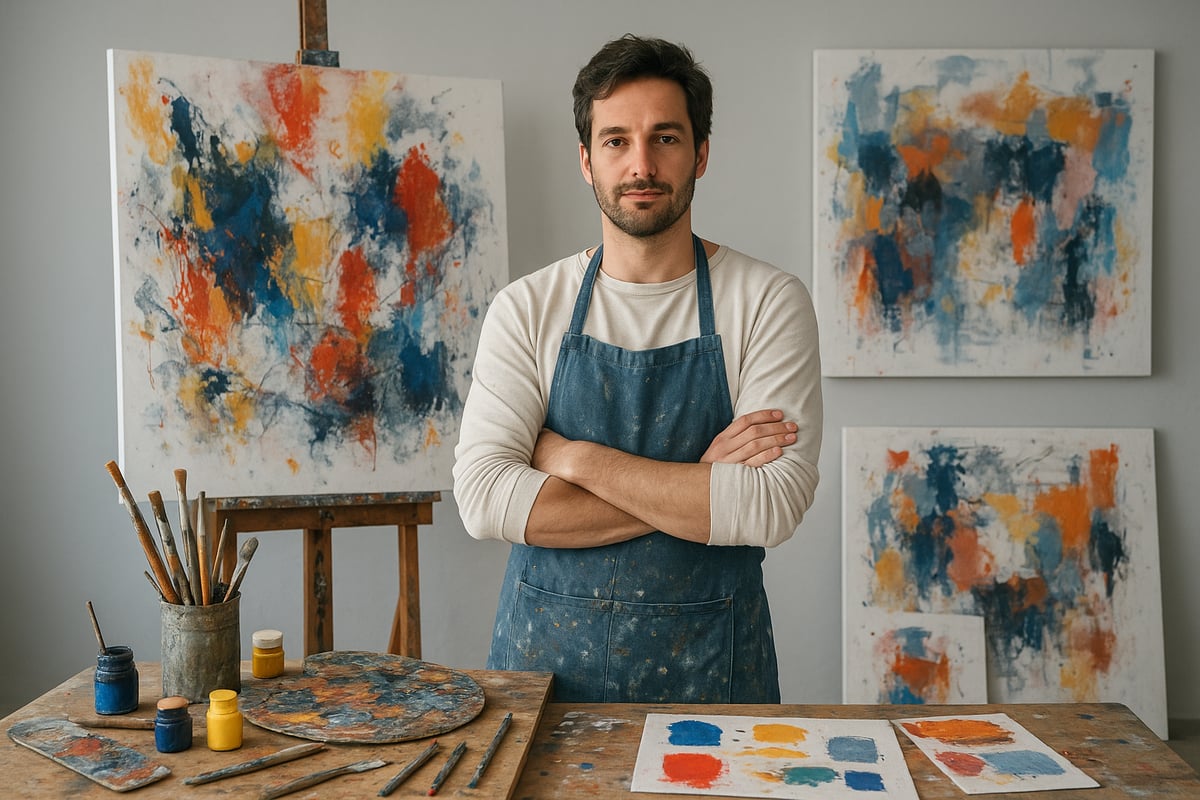
Abstract painting is a form of non-representational art that prioritizes shape, color, and composition over realistic depiction. Unlike representational art, which mirrors the physical world, abstract painting operates on a spectrum, from partial abstraction, as seen in Cezanne’s later works, to the pure geometry of Mondrian. The focus shifts to expressing emotions and intellectual ideas, rather than replicating objects. For example, gestural abstraction, such as sweeping brushstrokes, captures the essence of movement and feeling, setting it apart from photographic realism. For a deeper dive into these foundational concepts, visit the Artwork: Abstract Paintings guide. Abstract painting engages both the heart and mind, encouraging viewers to interpret and connect personally.
A Brief History of Abstract Painting
The roots of abstract painting trace back to the late 19th century, emerging from Impressionism and Post-Impressionism. Early pioneers like Hilma af Klint began creating abstract works in 1906, followed closely by Kandinsky’s groundbreaking non-representational pieces. The Cubist movement, led by Picasso and Braque, deconstructed reality into geometric forms, further pushing boundaries. Throughout the 20th century, movements such as Abstract Expressionism and Minimalism shaped the evolution of abstract painting. Today, data from contemporary galleries and online sales reveal its growing popularity, confirming that abstract painting is firmly embedded in the global art landscape.
The Language of Abstraction: Elements and Principles
At the core of abstract painting are essential elements: line, shape, color, texture, and space. Artists use principles like balance, contrast, rhythm, unity, and emphasis to create dynamic compositions. The interplay between composition and color theory is crucial in abstract painting, guiding the viewer’s eye and evoking emotion. For example, Jackson Pollock’s drip paintings showcase movement and composition through intentional mark-making. Mastery of these basics, paired with clear intention, distinguishes effective abstraction from random marks. Understanding this visual language empowers artists to create works that resonate on multiple levels.
Why Abstract Painting Resonates in 2025
In 2025, abstract painting continues to thrive as demand rises for expressive, unique wall art in homes and workplaces. Its ability to channel individual emotion and foster personal expression makes it especially appealing in a fast-paced, digital world. Abstract painting provides a mindful escape, inviting viewers to pause and reflect. Recent data highlights that abstract painting remains one of the top-selling genres in online art marketplaces. Its relevance in global trends and interior design ensures that abstract painting will remain a powerful force, shaping creativity and inspiring new generations.
Essential Materials and Tools for Abstract Painting
Embarking on your abstract painting journey begins with assembling the right materials and tools. Your choices can directly shape your creative process, impact the final result, and even influence your artistic voice. Let’s explore the essentials every artist needs for success in 2025.
Choosing the Right Surfaces and Supports
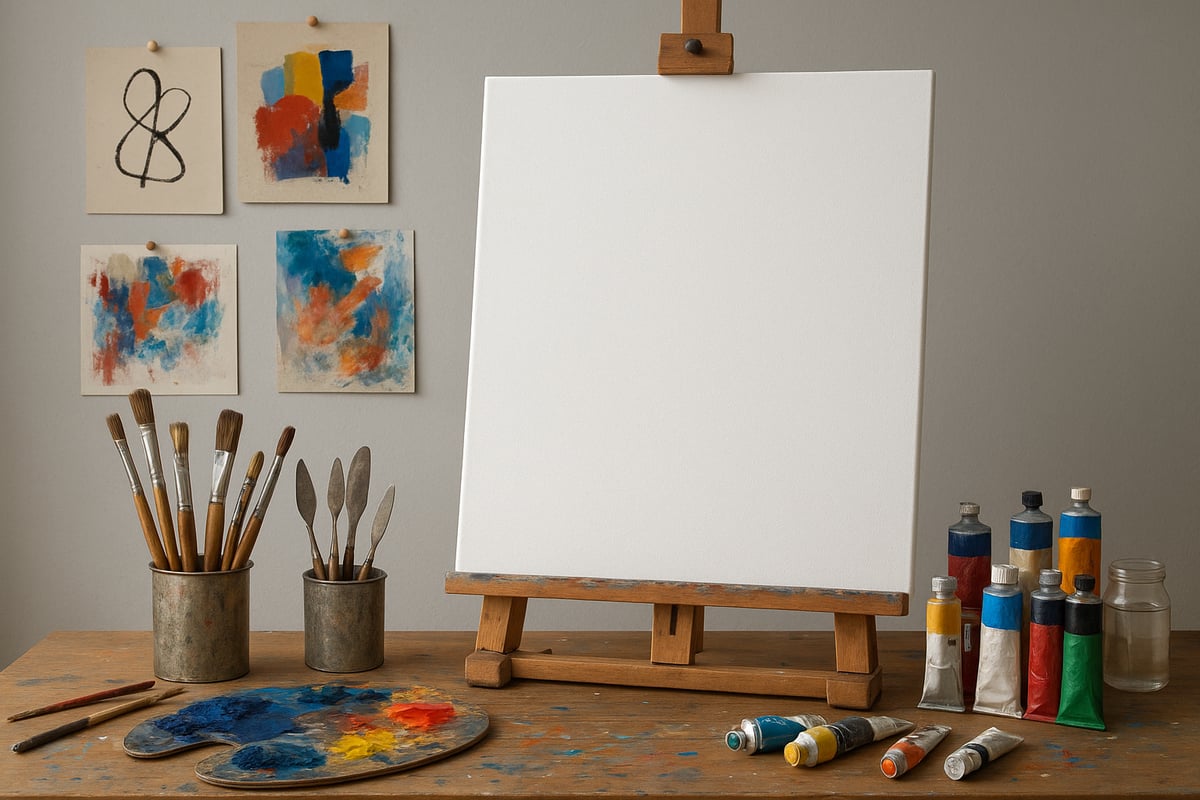
Selecting the ideal surface for abstract painting is foundational. Canvas is the classic choice, offering flexibility and a familiar texture that suits a range of techniques. Wood panels provide sturdiness and a smooth surface, perfect for highly detailed or textured works. Paper is lightweight and excellent for experimentation or smaller studies.
Texture affects how paint interacts with the surface, influencing mark-making and layering. Larger canvases invite bold, gestural approaches, while small panels allow for intricate details. Always size and prime your chosen surface to ensure longevity and prevent warping. When planning for display, consider whether your abstract painting will be framed, gallery-wrapped, or presented unframed for a contemporary look.
For inspiration on diverse styles and surface choices, browse the Abstract wall art prints collection to see how artists use different supports in their work.
Paints and Mediums: Acrylic, Oil, and Beyond
The choice of paint is central to abstract painting. Acrylics are fast-drying, versatile, and easy to clean, making them ideal for rapid layering and bold color fields. Oils, favored for their rich pigment and slow drying time, enable artists to blend and manipulate paint over extended periods. Mixed media options, such as combining acrylics with inks or collage elements, offer even more creative freedom.
Mediums can alter paint’s texture, transparency, and drying time. Pouring mediums are popular for creating fluid abstracts with organic shapes, while gel mediums allow for thick, sculptural impasto. In 2025, eco-friendly and non-toxic paints are in high demand, supporting both artist health and environmental responsibility. Always match your materials to your vision for the abstract painting you wish to create.
Brushes, Knives, and Alternative Tools
The tools you use for abstract painting significantly influence your artistic marks. Traditional brushes come in various shapes and sizes, each producing unique strokes. Flat and filbert brushes are great for broad, sweeping gestures, while detail brushes help refine edges.
Palette knives are essential for applying thick paint and creating textured surfaces. Many artists also experiment with unconventional tools like sponges, rags, squeegees, or even found objects to introduce unexpected effects. Jackson Pollock famously used sticks and house paint, demonstrating that tool choice can define a signature style in abstract painting. Explore and combine tools to discover what best supports your creative expression.
Setting Up Your Creative Space
A dedicated, organized workspace is crucial for abstract painting. Good lighting ensures you see true colors and subtle details, while proper ventilation is important when working with certain paints or solvents. Keep your materials within easy reach, and use storage solutions to keep your studio tidy.
Protect floors and surfaces with drop cloths, and have cleaning supplies on hand to manage spills. Mood boards and reference images can spark inspiration and help you stay focused on your artistic goals. Many leading abstract artists design their studios to balance order and creative chaos, allowing for both experimentation and productivity. The right environment can make the process of abstract painting truly rewarding.
Step-by-Step Guide: Creating an Abstract Painting in 2025
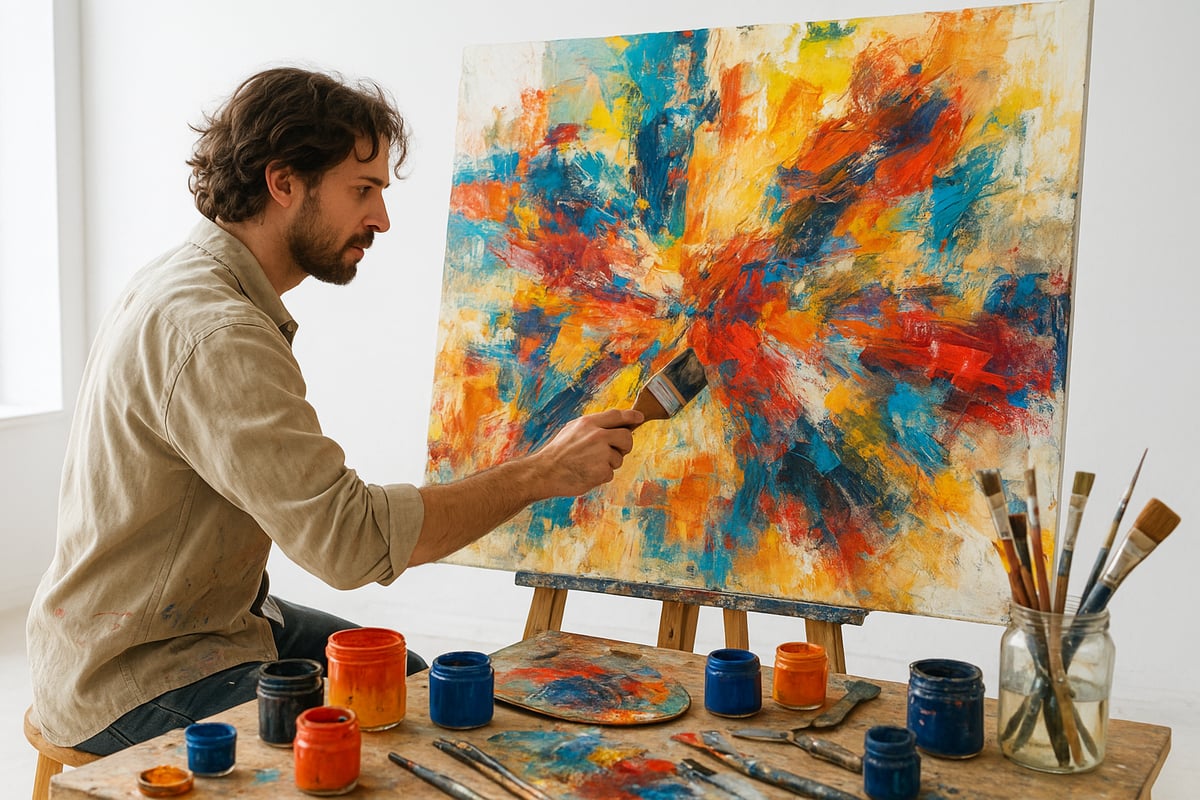
Unlocking your creativity through abstract painting is easier than ever in 2025. This hands-on guide will walk you through every stage, from finding inspiration to displaying your finished work. Whether you are new to abstract painting or refining your practice, each step is designed to foster innovation and confidence.
Step 1: Finding Inspiration and Conceptualizing
Every abstract painting begins with inspiration. Artists in 2025 draw from diverse sources, including emotions, music, nature, and urban landscapes. Use a sketchbook or digital app to brainstorm ideas and jot down visual motifs that resonate with you.
Consider exploring recent trends in abstract painting for a fresh perspective. For example, artists are increasingly influenced by biophilic themes and digital integration, as highlighted in Top 7 Abstract Art Trends in 2025. Developing a visual language around a specific emotion or theme can guide your creative journey.
If you feel blocked, try listening to music or taking a mindful walk. These activities can help spark the initial ideas that will become the foundation of your abstract painting.
Step 2: Planning Composition and Color Palette
Before picking up a brush, take time to plan your composition. Thumbnail sketches help you experiment with layout and movement within the abstract painting. Decide whether you want a harmonious feel or something intentionally discordant.
Selecting a color palette is crucial. Lean on color theory to evoke mood and depth. Some artists use digital tools to create and test palettes before committing to paint. For inspiration, consider how Mondrian used primary colors to bring balance and clarity to his abstract painting.
Remember, the choices you make at this stage will set the tone for the entire process. Let your intuition and research guide you toward a palette that feels both modern and personal.
Step 3: Preparing the Surface and Materials
Preparation is key to a successful abstract painting. Choose your surface—canvas, wood panel, or heavyweight paper—based on your desired texture and scale. Prime the surface to ensure your paint adheres properly and stands the test of time.
Organize your paints, brushes, and mediums for an efficient workflow. Protective coverings will help keep your space tidy. Test out materials on a scrap surface to see how they interact, especially if you are experimenting with new mediums.
A quick comparison:
| Surface | Texture | Best For |
|---|---|---|
| Canvas | Medium/Flexible | Gestural, large abstracts |
| Wood Panel | Smooth/Sturdy | Detailed or mixed media |
| Paper | Variable | Studies, quick explorations |
Thoughtful preparation ensures your abstract painting process is smooth and enjoyable.
Step 4: Laying Down the First Marks
Starting your abstract painting is often the most liberating step. Begin with gestural marks, washes, or a loose underpainting. Allow spontaneity and intuition to guide your hand as you block in large shapes and establish movement.
Do not worry about perfection. Many artists find that "happy mistakes" lead to unexpected depth and interest. Remember, the first marks lay the groundwork for the story your abstract painting will tell.
Let go of rigid expectations and enjoy the energy of this creative phase. Each stroke brings your vision closer to life.
Step 5: Building Layers and Developing Texture
Layering is where your abstract painting gains character. Techniques such as glazing, scumbling, and impasto create depth and intrigue. Work wet-on-wet for blending effects or wet-on-dry for crisp edges and contrast.
Experiment with collage, mixed media, or found materials to enhance texture. Using palette knives can add tactile dimension to your abstract painting. Be patient with drying times, especially if you are working with oils or heavy acrylics.
A table of popular layering techniques:
| Technique | Effect |
|---|---|
| Glazing | Subtle color shifts |
| Impasto | Raised, textured marks |
| Collage | Mixed media integration |
Building layers is a process of exploration, so allow your abstract painting to evolve naturally.
Step 6: Refining, Editing, and Adding Details
As your abstract painting develops, step back to assess the composition and balance. Add highlights, accents, or focal points to guide the viewer's eye. Sometimes, removing or painting over sections brings harmony and clarity to your work.
Subtractive methods like scraping or sanding can reveal underlying layers and add depth. Knowing when to stop is a skill; listen to your intuition to recognize when your abstract painting feels resolved.
Document your process with photos or notes. This reflection can inform future artworks and help track your artistic growth.
Step 7: Varnishing, Framing, and Displaying Your Work
Once your abstract painting is complete and fully dry, apply a suitable varnish to protect and enhance its finish. Choose between matte, satin, or gloss based on your desired effect.
Consider framing options such as float frames, gallery wraps, or leaving the edges unframed for a modern look. Proper lighting will highlight texture and color, making your abstract painting a striking focal point.
When photographing your work, use natural light and a clean background. Share your finished piece online to connect with a global audience and inspire others on their abstract painting journey.
Innovative Techniques and Trends in Abstract Painting for 2025
The landscape of abstract painting is rapidly evolving in 2025, offering artists fresh avenues for creativity and collectors new reasons to engage. From digital innovation to eco-conscious practices, the field is rich with opportunities to experiment, personalize, and connect.
Digital and Mixed Media Abstraction
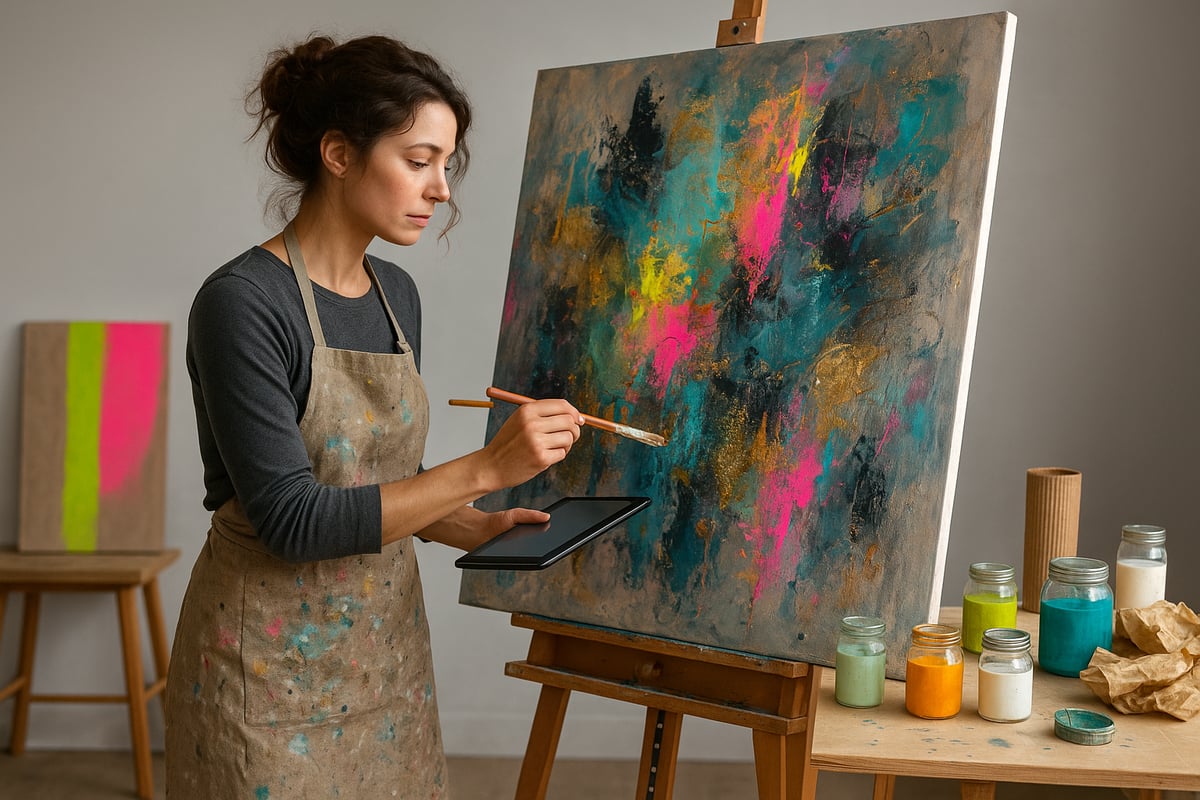
In 2025, digital tools have become essential companions for many abstract painting artists. Tablets and creative software allow for the exploration of color, shape, and movement before a single brushstroke hits the canvas. Hybrid works, where digital sketches are printed on canvas and then finished with traditional media, are gaining traction. Some artists combine acrylic pours with digital overlays, creating textures and effects previously impossible. The surge in digital abstract painting sales, both as NFTs and printed editions, reflects this shift. Blending digital and physical methods unlocks new dimensions for those passionate about abstract painting.
Sustainable and Eco-Friendly Practices
Sustainability is at the forefront of abstract painting trends in 2025. Artists are embracing recycled surfaces, non-toxic paints, and water-based mediums to reduce their environmental impact. Upcycling found objects, such as old fabric or wood, is common in contemporary studios. Eco-friendly abstract painting not only supports the planet but also attracts collectors seeking responsible art. Biodegradable supports and plant-based varnishes are now widely available. Leading artists in this space demonstrate that creativity and sustainability can go hand in hand, making eco-conscious choices a defining feature of modern abstract painting.
Large-Scale and Immersive Installations
Abstract painting is moving beyond the canvas, transforming entire spaces through large-scale murals and immersive installations. Public art projects and private commissions for mural-scale works are on the rise, bringing dynamic energy to offices, hotels, and city streets. Interactive installations, where viewers can walk through or touch elements of abstract painting, offer new ways to experience art. These large works often serve as landmarks and conversation pieces. The trend toward bigger, bolder abstract painting reflects a desire for impactful, memorable art that shapes environments and communities.
Trending Styles and Color Palettes
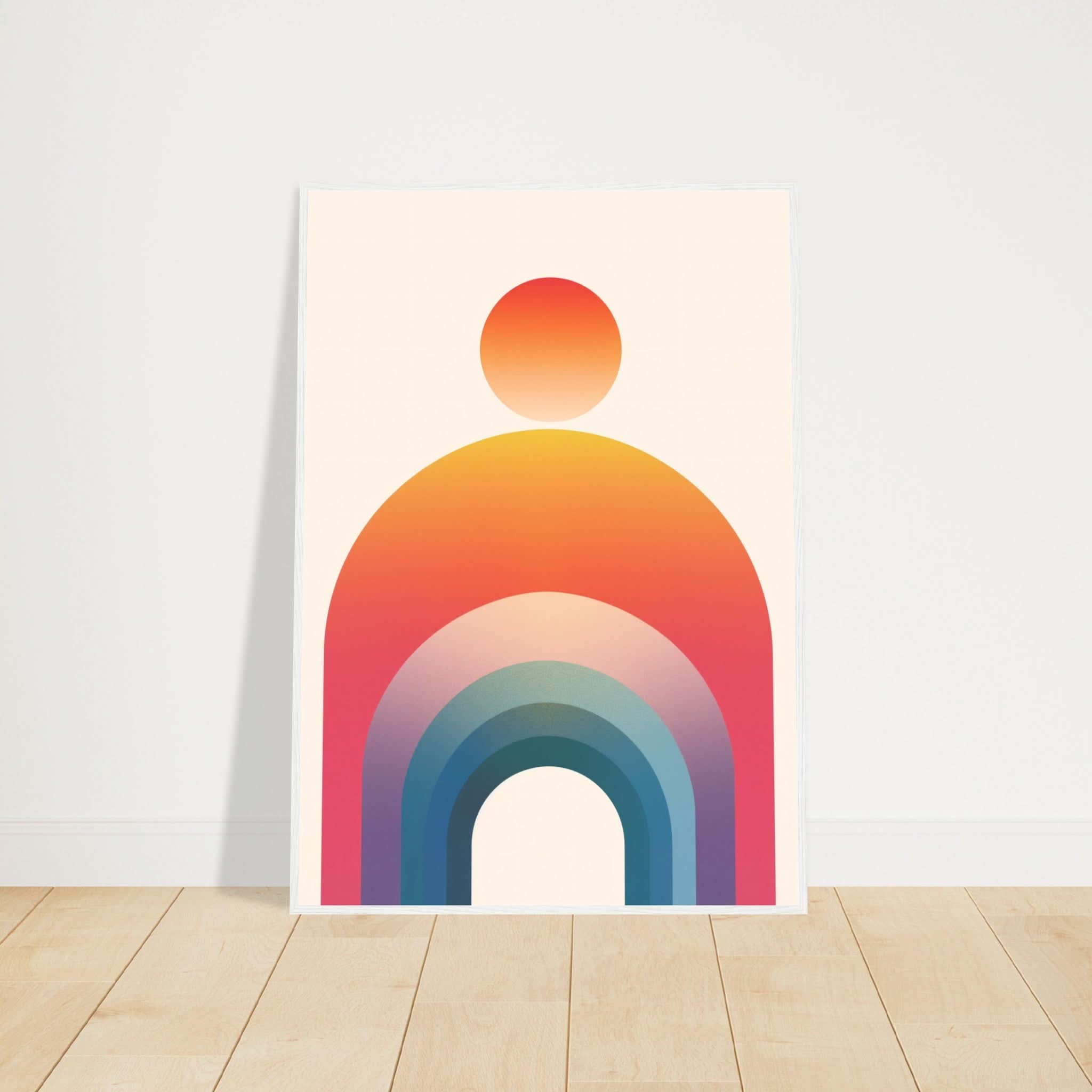
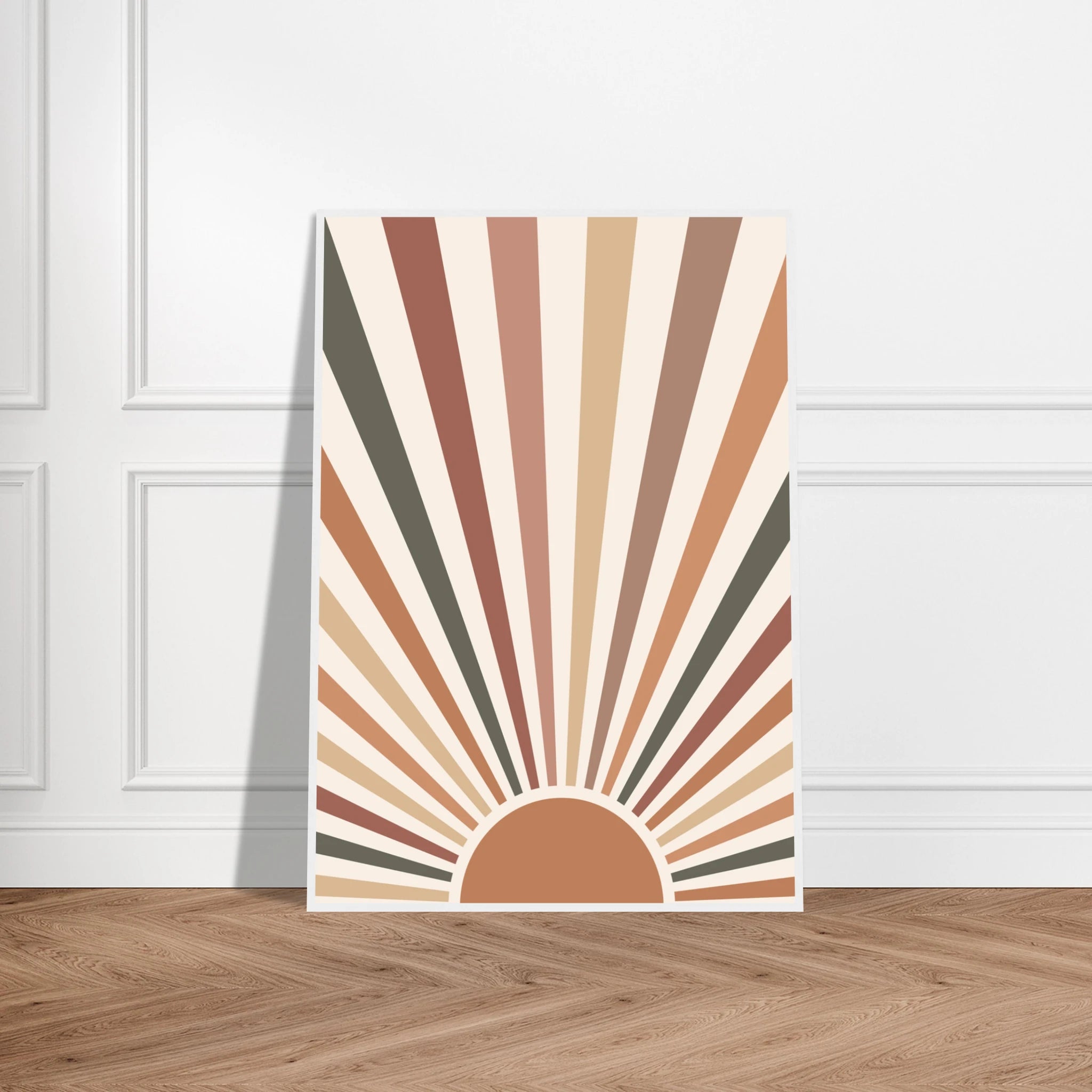
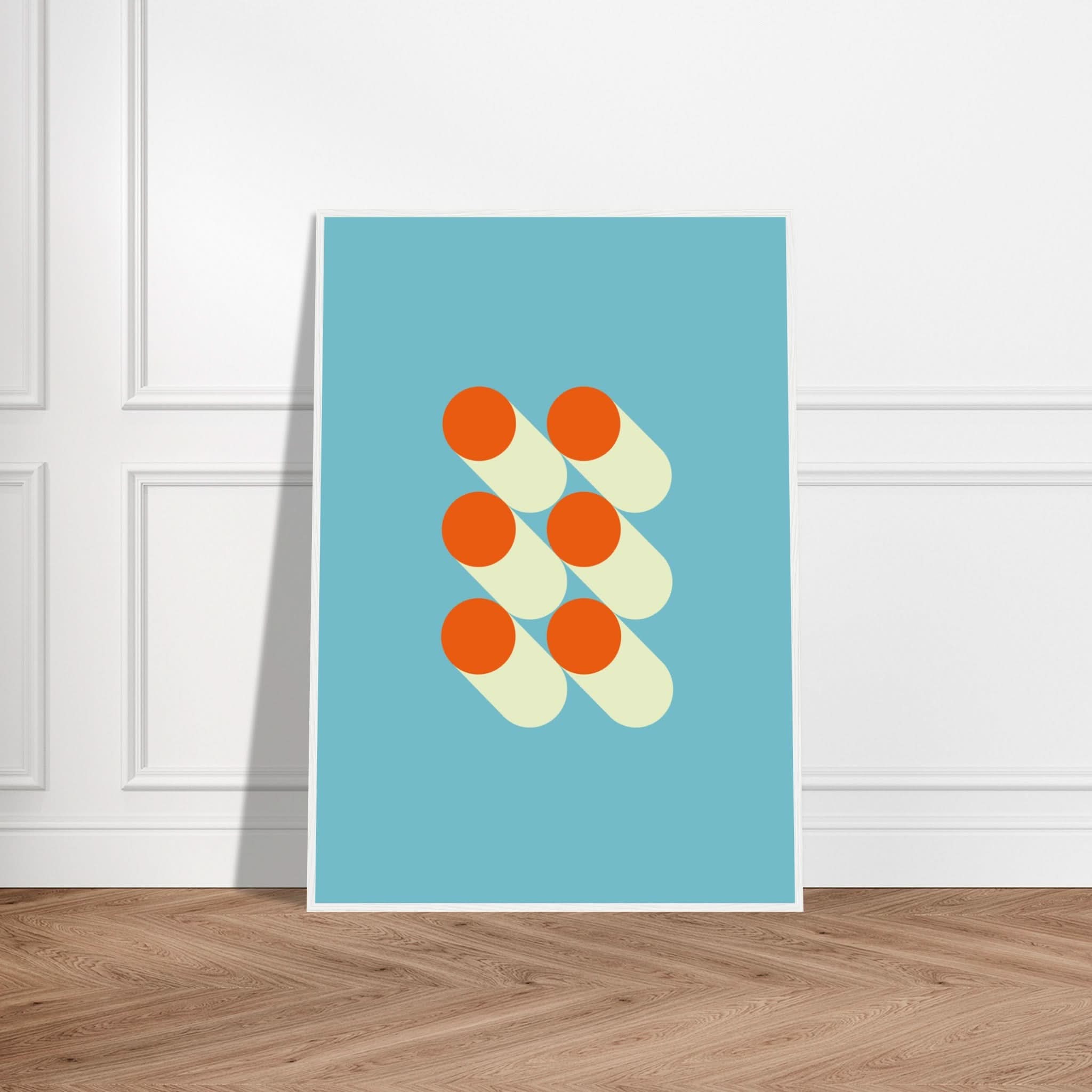
2025 is defined by a striking mix of bold neons, earthy neutrals, and shimmering metallics in abstract painting. Minimalist approaches contrast with expressive, maximalist mark-making, while geometric abstraction is making a comeback. Artists are experimenting with unexpected color combinations and layered textures. Interior design trends heavily influence palette choices, with collectors seeking pieces that complement contemporary spaces. For a deeper look at what's shaping the market, explore the latest 2025 wall art trends. The intersection of trending palettes and innovative styles keeps abstract painting fresh and relevant.
| Style | Color Focus | Key Feature |
|---|---|---|
| Minimalist | Neutrals/Metallics | Clean lines |
| Maximalist | Bold Neons | Dynamic textures |
| Geometric Abstraction | Primary Colors | Structured balance |
Personalization and Storytelling in Abstract Art
Personal stories and symbolism are shaping abstract painting in 2025. Artists embed memories, emotions, and cultural references into their work, creating pieces with deep resonance. Custom commissions that reflect a client's journey or environment are increasingly popular. Abstract painting inspired by music, travel, or heritage delivers a unique narrative experience. Storytelling elevates the emotional impact, fostering stronger connections between artist, artwork, and viewer. This trend highlights the limitless potential of abstract painting to communicate meaning, making each piece a distinct reflection of its creator or commissioner.
Overcoming Challenges and Unlocking Creative Flow
Unlocking your full potential in abstract painting often means facing misconceptions, nurturing your voice, staying inspired, and finding ways to share your work. Every artist, whether seasoned or new to abstract painting, encounters obstacles along the way. With the right mindset and practical strategies, you can overcome these challenges and keep your creative energy flowing.
Common Misconceptions and How to Move Past Them
Abstract painting is sometimes dismissed with remarks like, “my kid could do that,” but this view overlooks the depth and skill involved. Unlike childlike doodles, successful abstract painting demands intention, mastery of composition, and an understanding of color. Kandinsky once asserted that abstraction is among the most challenging art forms, requiring both technical ability and emotional intelligence.
To address these misconceptions:
- Educate viewers on the principles behind abstract painting.
- Share the thought processes and revisions behind your work.
- Compare child art with professional abstracts to highlight differences in intentionality.
Remember, the value of abstract painting lies not in replication but in authentic expression.
Developing Your Unique Artistic Voice
Finding your voice in abstract painting is a journey that thrives on experimentation and self-reflection. Start by exploring various techniques, color palettes, and materials. Document your process in a journal or sketchbook, and revisit your work to identify recurring themes or marks. Seeking constructive feedback from peers or mentors can offer new perspectives and accelerate growth.
Many artists transition from realism to abstraction as they refine their vision. For inspiration, explore Emerging Trends in Abstract Oil Painting for 2025 to see how digital and traditional methods are merging. Over time, a cohesive body of work and a distinct visual language will emerge, setting your abstract painting apart.
Staying Inspired and Avoiding Creative Blocks
Every abstract painting artist faces creative blocks, but there are proven ways to move past them. Establish a regular creative routine, set achievable goals, and allow yourself to play with new materials. Collaboration, workshops, and participation in art communities can spark fresh ideas and motivation.
If you need a boost, try:
- Attending abstract painting retreats or online classes
- Using prompts or challenges to explore unfamiliar territory
- Practicing mindfulness, which can refresh your outlook
When you embrace rest and step back, inspiration often returns, fueling your next abstract painting with renewed energy.
Showcasing and Selling Your Abstract Art
Presenting your abstract painting effectively is essential for reaching new audiences and achieving sales. Build a professional online presence through social media, your own website, and online galleries. High-quality photos and thoughtful descriptions help your work stand out in a crowded market.
When it comes to display, consider creative arrangements that enhance your art’s impact. For expert advice on presentation, explore Gallery wall layout ideas to discover practical tips for modern spaces. Participating in art fairs, exhibitions, and accepting commissions can further boost your visibility and success in the abstract painting world.
Abstract Painting in Modern Spaces: Display, Decor, and Collecting
Abstract painting is redefining modern spaces, serving as both a statement and a source of inspiration. The versatility of abstract works makes them ideal for contemporary homes and offices, whether as a bold centerpiece or a subtle accent. Designers often use large-scale canvases to transform a room’s atmosphere, creating visual impact without overwhelming the decor.
Recent trends highlight the popularity of expansive abstract painting installations, particularly in hospitality and corporate environments. These works set the tone for a space, enhancing moods and encouraging creativity. For a deeper dive into the prominence of large-scale pieces, see Large-Scale Abstract Art Leading 2025 Contemporary Painting Trends.
When curating an abstract painting collection, start by selecting pieces that genuinely resonate with you. Consider a mix of sizes, styles, and color palettes to create a dynamic, engaging gallery. Many collectors blend works from both emerging and established artists, supporting artistic diversity and personal taste.
Building a cohesive wall gallery with abstract painting allows for creative expression and flexibility. Rotating pieces or experimenting with arrangements can refresh a space instantly. Set a budget and research artists whose vision aligns with your own, ensuring your collection remains both meaningful and sustainable.
Proper care is essential to preserve the vibrancy and longevity of any abstract painting. Always handle works with clean hands, and avoid direct sunlight to prevent fading. Store paintings in a stable environment, protecting them from humidity and temperature changes.
Regular dusting with a soft brush and checking for signs of wear will help maintain each abstract painting’s condition. For valuable pieces, consider professional insurance and document their provenance. Acrylic works tend to be more durable than oils, but both require attention to ensure lasting beauty.
The future of abstract painting is bright, driven by innovation and accessibility. New materials, digital platforms, and global collaborations are making original art more available than ever. Affordable prints and online workshops allow collectors and artists alike to participate in a thriving creative ecosystem.
AI and technology are also expanding the boundaries of abstract painting, enabling new forms of expression and connection. For a look at emerging trends, including sustainability and digital integration, explore Five 2025 Art Trends | Art Houzze. The enduring appeal of abstraction ensures its relevance in visual culture for years to come.