

The Essential Guide to Art and Wall Decor in 2026
In 2026, art and wall decor are redefining the look and feel of modern living spaces, turning ordinary rooms into captivating environments that express individuality. This guide will equip you with expert strategies for selecting and styling art and wall decor, empowering you to create a home that feels both personal and on-trend.
You will discover the latest trends, tips for choosing the right pieces, placement strategies, how to mix styles and mediums, sustainable options, and valuable advice from top interior designers. Get ready to transform your home with confidence and creativity.
Art and Wall Decor Trends for 2026
The landscape of art and wall decor in 2026 is evolving rapidly, reflecting not only aesthetic preferences but also personal values and advances in technology. As homeowners seek to redefine their living spaces, emerging trends are reshaping how we select, style, and experience wall art. Let us explore the pivotal directions set to influence homes this year.
The Rise of Personalization and Custom Art
Personalization is at the forefront of art and wall decor trends for 2026. Homeowners are increasingly drawn to unique, custom-made pieces that tell their own stories. From custom prints that feature meaningful locations to family portraits and commissioned abstract art, the demand for individuality is clear.
Digital platforms now make it easier than ever to personalize artwork, allowing users to upload images or tweak designs directly online. According to recent industry surveys, 60% of homeowners actively seek personalized art and wall decor for their spaces. This shift is not just about aesthetics—it is about forging an emotional connection with the home environment.
Sustainable and Eco-Friendly Materials
Sustainability is rapidly becoming a primary consideration in art and wall decor. Consumers are choosing pieces crafted from recycled, upcycled, and ethically sourced materials. Natural fibers, reclaimed wood, and eco-friendly inks are gaining popularity, reflecting a broader commitment to environmental responsibility.
Major retailers have responded by introducing dedicated eco-collections, making sustainable options more accessible. For Gen Z and Millennials, sustainability is a key driver when purchasing art and wall decor. These choices not only reduce environmental impact but also add authenticity and warmth to any room.
Tech-Integrated Art and Smart Wall Decor
Technology has revolutionized art and wall decor, introducing interactive and dynamic experiences to modern homes. Digital frames, augmented reality (AR) art, and smart lighting solutions are now prevalent. Homeowners can display rotating digital galleries or synchronize lighting to enhance the impact of their favorite pieces.
Popular innovations include Frame TVs that transform into art displays when not in use, as well as app-controlled gallery walls that adapt to moods or occasions. Industry data reveals that 25% of new homebuyers opt for tech-enhanced art and wall decor, demonstrating the growing appetite for innovation in interior design.
Global and Cultural Influences
2026 sees a celebration of diverse cultural aesthetics in art and wall decor. Homeowners are blending global styles, such as African textiles, Japanese minimalism, and Latin American motifs, to create eclectic and meaningful spaces. This fusion brings a sense of worldliness and depth to interiors.
There is also a rising appreciation for artisan-made and culturally significant pieces. Boho and eclectic gallery walls, which mix art from various regions, are especially popular. These trends reflect a desire to honor heritage and showcase personal journeys through art and wall decor.
Trending Styles and Colors for 2026
Bold color palettes and distinctive styles are defining art and wall decor collections this year. Deep blues, terracotta, and emerald greens are especially prevalent, infusing rooms with energy and sophistication. Modern minimalism and geometric abstraction remain staples, while maximalist gallery walls gain traction for their expressive impact.
Earth tones and organic shapes are dominating new releases, echoing a return to nature and comfort. For a deeper look at these movements, Wall Art Trends and Market Opportunities 2025-2026 provides valuable insights into how expressive designs and social media are shaping consumer choices. Whether you prefer monochrome minimalism or vibrant prints, 2026 offers endless possibilities for curating art and wall decor that feels both current and personal.
How to Choose the Right Art for Your Space
Selecting art and wall decor for your home can feel overwhelming, yet it is one of the most rewarding ways to personalize your environment. To ensure your choices create harmony and inspire, consider these expert-backed strategies for making the right selections.
Understanding Your Space and Purpose
Begin by evaluating the dimensions, lighting, and existing features of your room. The placement of art and wall decor should enhance the space, not compete with it.
Consider the room’s function. Do you want a dramatic statement piece in the living area, or a calming print for the bedroom? In compact spaces, subtle works often work best, while expansive walls can accommodate larger canvases or multi-piece arrangements.
Assessing your needs and intentions ensures that art and wall decor serve both aesthetic and practical goals.
Matching Art to Your Personal Style
Art and wall decor should be an extension of your personality. Start by identifying your preferred styles: Are you drawn to modern, bohemian, minimalist, or classic looks?
Use mood boards and inspiration galleries to clarify your vision. For those who enjoy contemporary trends, consider integrating Abstract wall art prints for a bold yet versatile statement.
Selecting pieces that resonate with your identity will make your environment feel authentic and welcoming.
Balancing Scale, Proportion, and Placement
Proper scale is essential for impactful art and wall decor. Use these guidelines for a harmonious arrangement:
- Art above furniture should cover about two-thirds to three-quarters of the available wall space.
- Oversized canvases can anchor a room, while grouped smaller works add depth and movement.
- Allow for enough space between frames to keep the display from feeling crowded.
Thoughtful placement ensures art and wall decor complement, rather than overpower, your furnishings.
Color Coordination and Visual Flow
The colors in your art and wall decor should interact with your room’s palette. Choose works that either complement or provide a striking contrast to your walls and textiles.
Consider the mood you wish to evoke. Soft blues can create tranquility, while energetic reds or vibrant prints bring excitement. Monochrome art works well for minimalist spaces, whereas eclectic rooms benefit from bolder, more diverse color choices.
Harmonizing art and wall decor with your color scheme enhances the overall flow of your space.
Budgeting and Investment Considerations
Setting a budget for art and wall decor helps you prioritize your purchases. Consider how much to invest in originals, limited editions, or affordable prints.
Here are some budgeting tips:
- Allocate more for statement pieces that define a room.
- Explore emerging artists for unique, affordable options.
- Prints and posters remain popular choices for first-time buyers who want style without a high price tag.
Balancing value and personal preference ensures your art and wall decor selections are both meaningful and financially sound.
Muralla Art: Accessible, Trend-Driven Wall Art
Muralla Art offers a curated selection of on-trend, high-quality art and wall decor. Their diverse range includes exclusive prints tailored to modern tastes and various aesthetics.
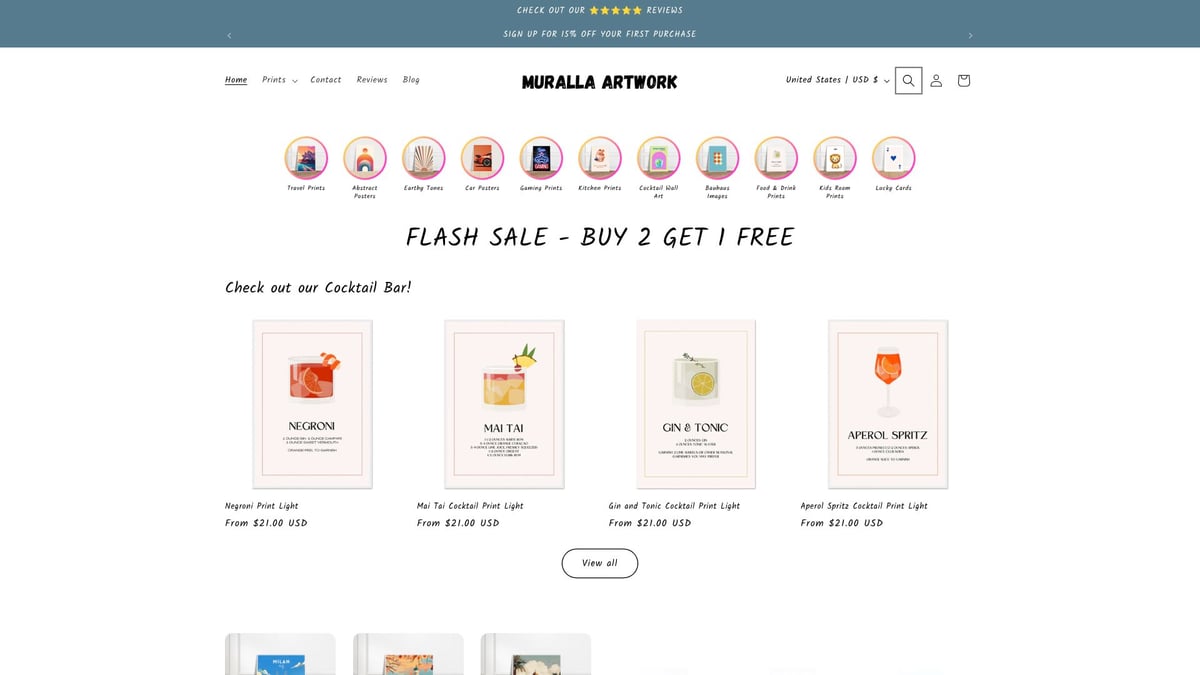
With free global shipping and regular new arrivals, Muralla Art makes it easy for anyone to update their space confidently and affordably.
Placement Strategies: Creating Impact with Wall Decor
Transforming your space with art and wall decor relies not just on what you choose, but exactly where and how you display it. Strategic placement elevates the mood, function, and visual energy of every room. Explore these expert-backed strategies to maximize the impact of your art and wall decor throughout your home.
Focal Points and Feature Walls
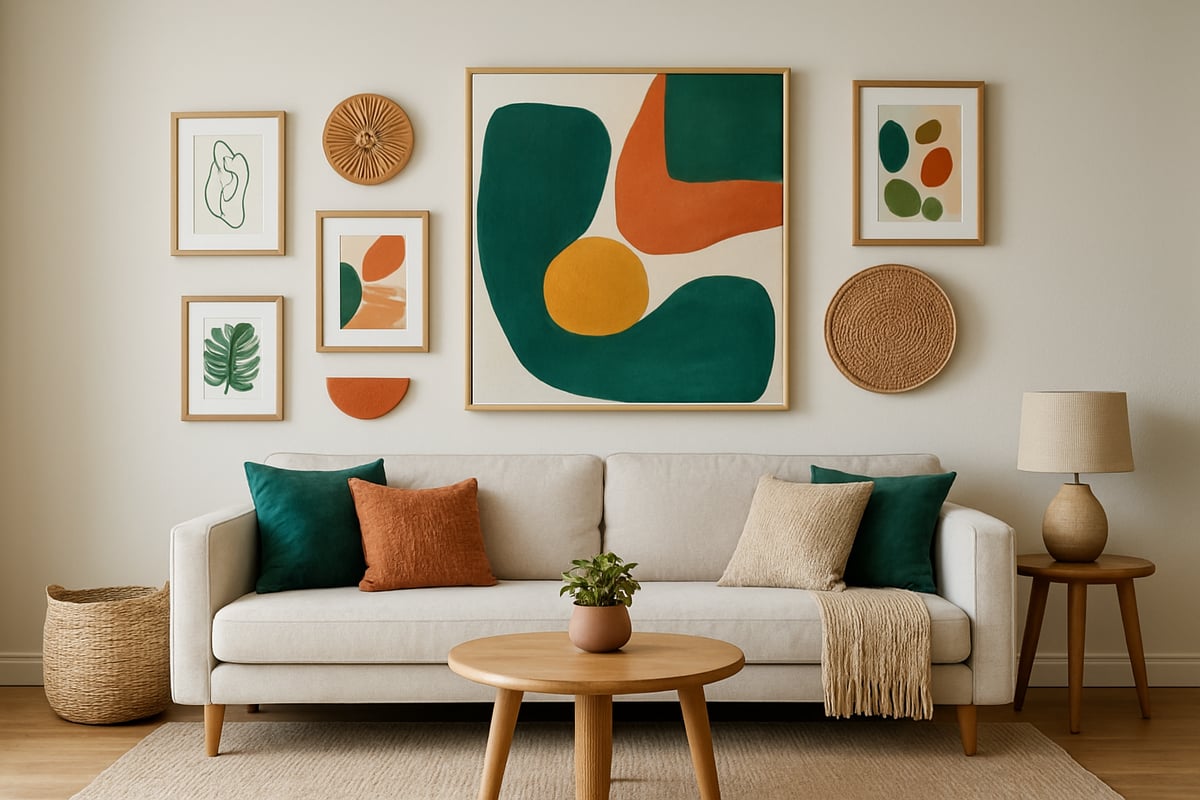
Every room benefits from a striking focal point. Art and wall decor can anchor your space by drawing the eye and setting the room’s tone. Feature walls, such as the area above a fireplace or sofa, are perfect for large-scale canvases or a dramatic arrangement.
Consider bold, oversized artwork to command attention, or curate a single statement piece with rich color. These focal points not only enhance visual interest, but also help organize surrounding furniture and decor. When planning your feature wall, remember that art and wall decor should reflect your personal style while establishing a clear visual hierarchy.
Gallery Walls: Planning, Layouts, and Execution
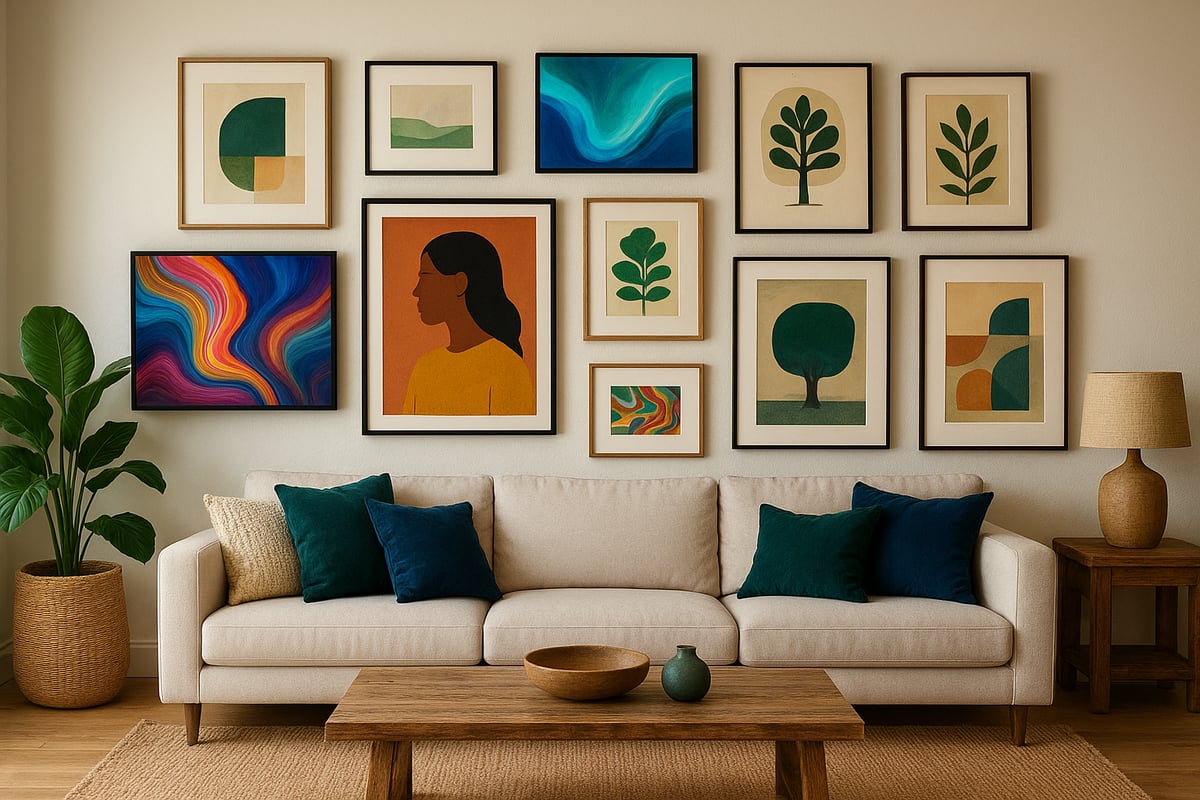
Gallery walls are a dynamic way to showcase your favorite art and wall decor in a cohesive, personalized arrangement. Start by selecting a mix of frame styles, art sizes, and mediums for added depth. Lay pieces on the floor first to experiment with spacing and balance.
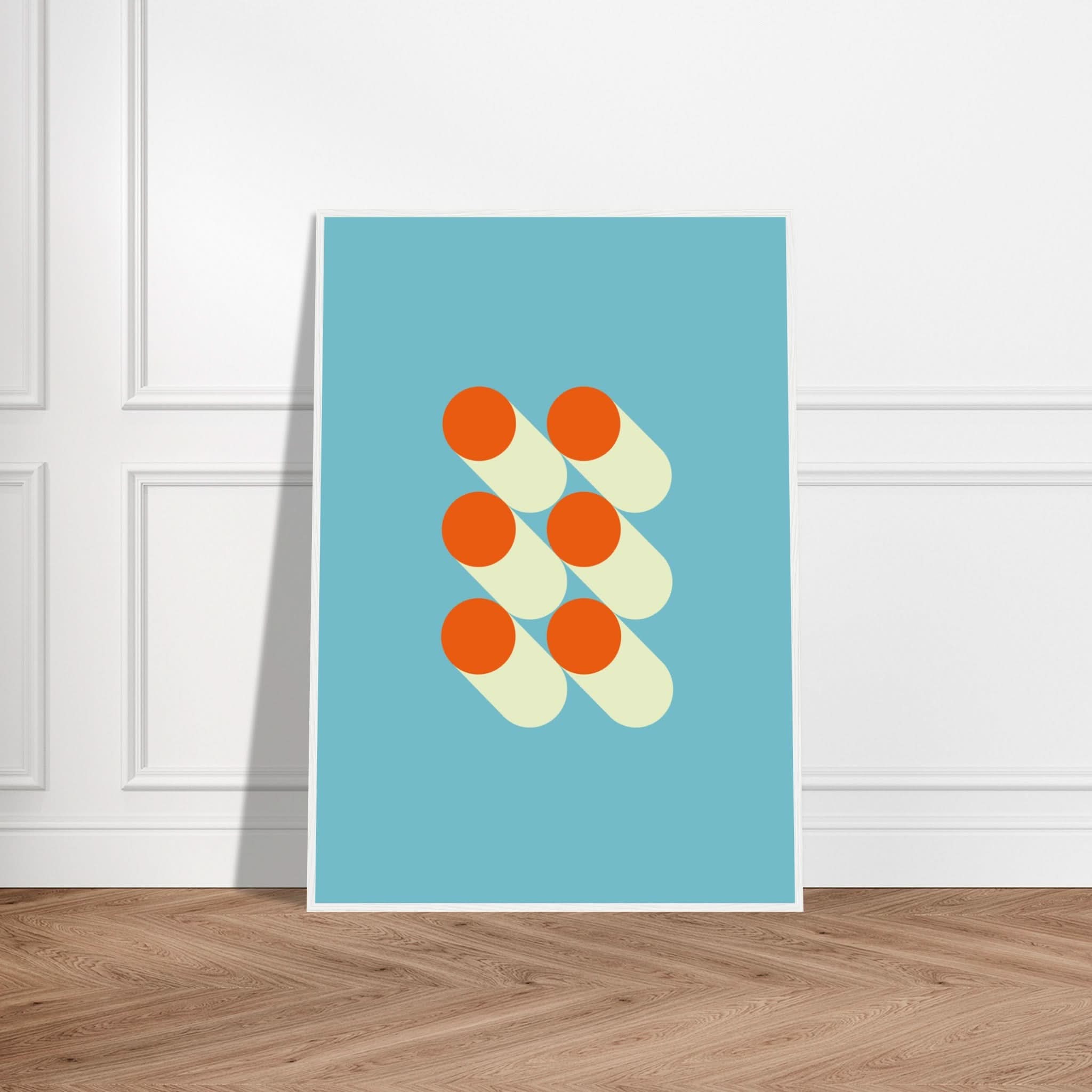
Use templates or painter’s tape to map out your layout on the wall before hanging. For inspiration, explore trending styles like the Bauhaus wall art prints collection, which works beautifully in modern gallery walls. Remember, search interest in “gallery wall ideas” continues to rise, confirming their popularity in contemporary interiors.
Layering Art with Other Wall Decor
Layering is a powerful technique for adding dimension and texture to your art and wall decor. Combine framed prints with mirrors, floating shelves, wall planters, or woven textiles to create a multidimensional look.
Try placing a macrame wall hanging beside a cluster of small artworks, or mix sculptural metal pieces with photography. This approach not only enriches the visual landscape, but also allows you to express creativity and adapt your space over time. Layered art and wall decor can make even simple rooms feel curated and unique.
Art Placement by Room Type
Each space in your home has different functional and aesthetic needs. In living rooms, anchor seating areas with large art and wall decor above the sofa. For bedrooms, opt for calming prints or photographs above the headboard.
In kitchens and bathrooms, select moisture-resistant art and wall decor such as acrylic prints or sealed frames. Do not overlook transitional spaces: adding a small gallery to a hallway or laundry room brings unexpected delight. Tailor your choices to each room’s purpose and atmosphere for the best results.
Hanging Techniques and Tools
Proper installation ensures your art and wall decor is secure, level, and visually pleasing. Use traditional hooks and anchors for heavy pieces, or opt for damage-free strips for lighter works and rentals.
Always measure and mark before drilling or sticking. Maintain even spacing between pieces, and use a level for accuracy. Gallery wall kits and paper templates can simplify complex layouts. Safe, thoughtful hanging techniques protect both your art and wall decor, and your walls, for years to come.
Mixing Styles, Mediums, and Eras: Expert Curation Tips
Creating a captivating space with art and wall decor is an art form in itself. In 2026, thoughtful curation means daring to mix styles, mediums, and eras for a truly unique home. Below, discover expert advice on blending old and new, maximizing texture, and curating with confidence.
Blending Modern and Classic Art
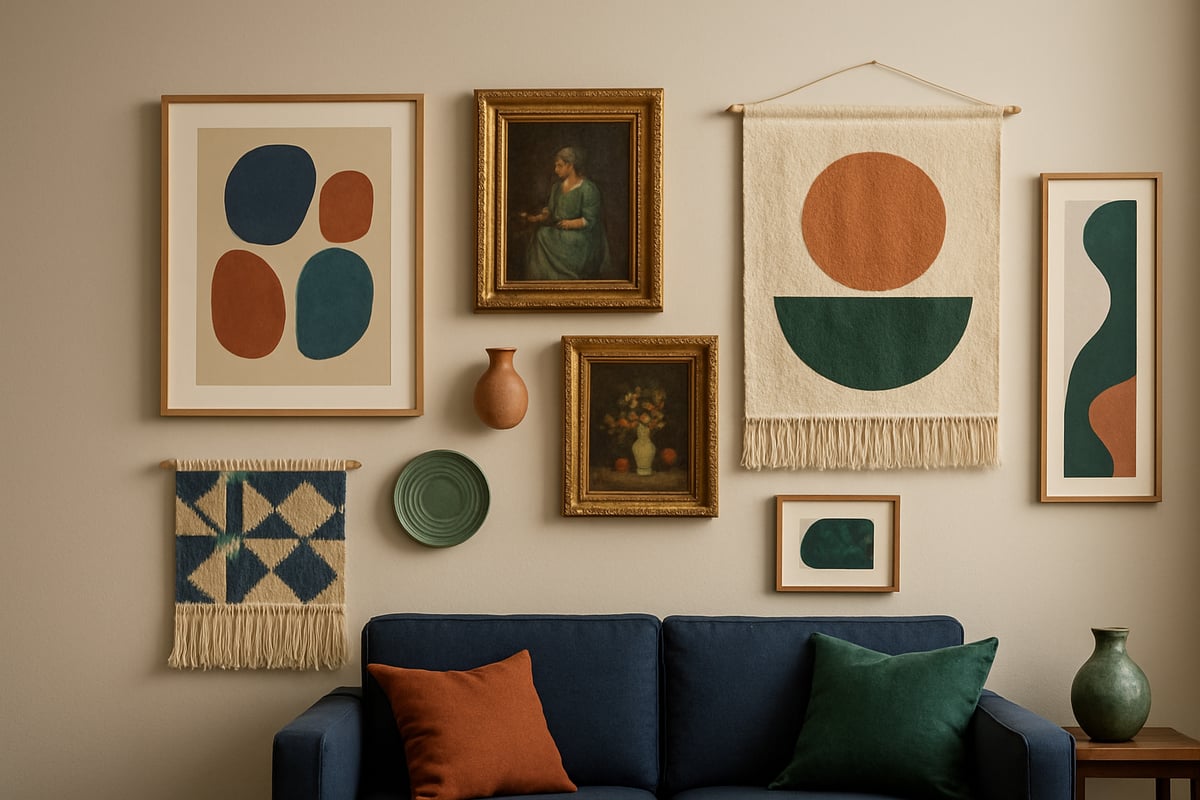
Blending modern and classic art and wall decor is a hallmark of sophisticated interiors in 2026. Designers are pairing contemporary prints with vintage pieces, such as abstract canvases alongside antique landscapes. This combination injects personality and historical depth into any room.
Why does this approach work so well? Juxtaposition creates visual intrigue and balance. The sleek lines of modern art energize traditional elements, while ornate frames or classic motifs ground the space. According to the 1stDibs 2026 Designer Trends Survey, maximalism and vintage antiques are trending, encouraging homeowners to mix eras with confidence.
Start simple: try hanging a bold geometric print above a mid-century console, or flank a classic portrait with minimalist line drawings. The interplay of old and new in your art and wall decor will set your space apart.
Combining Different Mediums and Textures
A dynamic collection of art and wall decor thrives on variety. In 2026, mixing materials such as paintings, photography, textiles, metalwork, and ceramics is not just accepted—it is celebrated. Tactile variety draws the eye and invites closer inspection.
Consider layering a woven wall hanging beside framed photographs, or pairing a ceramic wall sculpture with a sleek canvas. This approach breaks up visual monotony and adds dimension to your display.
Here is a quick comparison of popular mediums to inspire your curation:
| Medium | Texture | Effect on Space |
|---|---|---|
| Painting | Smooth/Varied | Classic, expressive |
| Textile | Soft/Textured | Cozy, bohemian |
| Metalwork | Hard/Glossy | Industrial, modern |
| Photography | Matte/Glossy | Contemporary, personal |
By combining a mix of textures and forms, your art and wall decor become engaging focal points that reflect your personality.
Curating Around a Theme or Color Palette
Intentional curation is essential for cohesive art and wall decor. Selecting pieces unified by a theme or color palette simplifies decision-making and ensures a harmonious look. In 2026, nature-inspired motifs, abstract forms, and earthy tones are especially popular.
Start by choosing a dominant color or subject. For example, a gallery wall featuring botanical prints and green ceramics instantly feels fresh and unified. Alternatively, select a motif such as architecture, travel, or portraiture, and gather pieces that echo that story.
A thematic approach allows for plenty of individuality within a structured framework. The key is to balance repetition and variety—let one or two elements tie everything together, while allowing the rest of your art and wall decor to shine.
Playing with Scale and Orientation
Scale and orientation are powerful tools in curating art and wall decor. Mixing large and small pieces, as well as vertical and horizontal formats, creates movement and rhythm on your walls. This technique prevents static displays and adds visual excitement.
Asymmetrical layouts are increasingly popular, especially when combining different frame sizes and shapes. Try placing a dramatic oversized canvas as the anchor, then surround it with smaller prints or sculptural elements in varying orientations. This arrangement draws the eye around the room and makes your display feel dynamic rather than rigid.
Remember, the goal is to achieve balance without strict symmetry. Allow your art and wall decor to interact naturally, guiding viewers through your curated space.
Avoiding Common Design Mistakes
Even the most beautiful art and wall decor can lose impact if not curated thoughtfully. Common pitfalls include overcrowding, poor lighting, and mismatched frames. Editing your selections before hanging is crucial for clarity and flow.
Here are some expert tips to avoid these mistakes:
- Edit your collection to prevent visual clutter.
- Use consistent or complementary frames for cohesion.
- Test layouts with paper templates before committing.
- Ensure proper lighting to highlight textures and colors.
A thoughtful approach to curation ensures your art and wall decor remain fresh and impactful. With attention to detail, you can transform any space into a gallery-worthy environment.
Sustainability and Ethical Sourcing in Wall Decor
Sustainability is rapidly becoming a central pillar in the world of art and wall decor. Homeowners are seeking pieces that not only elevate their spaces but also align with their values. By choosing sustainable options, you contribute to both a healthier planet and a more meaningful home environment.
Eco-Friendly Materials and Manufacturing
The shift to eco-friendly materials is reshaping art and wall decor in 2026. Many brands now use recycled canvas, bamboo frames, and water-based inks to minimize environmental impact. Packaging is often plastic-free and compostable.
Popular options include natural fiber tapestries, reclaimed wood wall hangings, and upcycled metal sculptures. According to Sustainability in the Art Industry Statistics, more artists and manufacturers are adopting green practices each year. For those seeking on-trend, sustainable designs, collections like sustainable earthy tones wall art offer both style and conscience.
Supporting Local and Independent Artists
Choosing art and wall decor from local and independent artists supports fair wages and authentic craftsmanship. When you buy directly from artists, you help sustain creative communities and preserve unique artistic traditions.
Industry surveys show that 40 percent of consumers now prefer artisan-made decor. Look for limited-edition prints, handmade ceramics, or original paintings at local markets and online platforms. This approach not only enriches your space but also ensures your art and wall decor tells a story.
Certifications and Transparency
Knowing where your art and wall decor comes from is crucial for responsible purchasing. Recognizable certifications include FSC for wood, Fair Trade for textiles, and organic or non-toxic labels for inks and paints.
Transparency in the supply chain allows you to make informed choices and encourages ethical practices throughout the industry. As more companies highlight their eco-credentials, consumers can confidently select art and wall decor that aligns with their values. Industry data confirms a steady rise in demand for certified sustainable products.
Upcycling and DIY Wall Decor
Upcycling gives new life to old materials, making it both a sustainable and creative choice for art and wall decor. Repurpose vintage posters, frame fabric remnants, or craft collages from magazines and found objects.
DIY wall art projects are not only budget-friendly but also deeply personal. Many homeowners are embracing this trend to reduce waste and express individuality. By incorporating upcycled elements, your art and wall decor becomes a statement of both style and sustainability.
Pro Tips and Inspiration from Interior Designers
Unlocking the potential of your space with art and wall decor often comes down to the details, and who better to guide you than professional interior designers? Their expertise can help you avoid common mistakes, maximize visual impact, and keep your home feeling fresh and inspiring all year long. Below, discover exclusive tips and creative strategies to elevate your art and wall decor with confidence.
Designer-Approved Art Placement Secrets
Interior designers rely on tried-and-true principles to make art and wall decor the focal point of a room. The classic rule is to hang art so its center sits at 57 inches from the floor, matching average eye level. This creates balance and harmony, especially when grouping multiple pieces.
Lighting also plays a crucial role. Use adjustable spotlights or picture lights to enhance textures and colors. When arranging art and wall decor above furniture, maintain a gap of 6 to 8 inches for a cohesive look. For more on how evolving technology and consumer preferences are shaping these choices, consult the Global Wall Decor Market Report 2026.
Seasonal and Rotational Art Displays
Refreshing your art and wall decor with the seasons is a designer favorite. Rotate pieces to reflect changing moods—think botanicals and pastel prints in spring, or abstract, textured works for winter. This approach keeps interiors dynamic and prevents visual fatigue.
Consider storing out-of-season art in protective sleeves and swapping in new pieces every few months. A rotational strategy allows you to experiment with different styles while maintaining a consistent color palette or theme. This method is ideal for those who love variety without permanent commitment.
Sourcing Unique and Statement Pieces
Designers recommend seeking out distinctive art and wall decor that tells a story or sparks conversation. Look for one-of-a-kind finds at galleries, local artisan markets, or emerging online platforms. Limited-edition prints and handcrafted objects can serve as conversation starters and add depth to your collection.
Online marketplaces have made it easier than ever to access global talent and exclusive works. Statement pieces do not have to be expensive—sometimes a vintage poster or a bold, oversized print is all it takes to anchor a room and express your personality.
Using Art to Enhance Wellbeing and Mood
Art and wall decor are powerful tools for shaping the atmosphere and emotional tone of your space. Designers often recommend calming landscapes or soft abstracts for bedrooms, while energizing colors and dynamic compositions work well in offices or living areas.
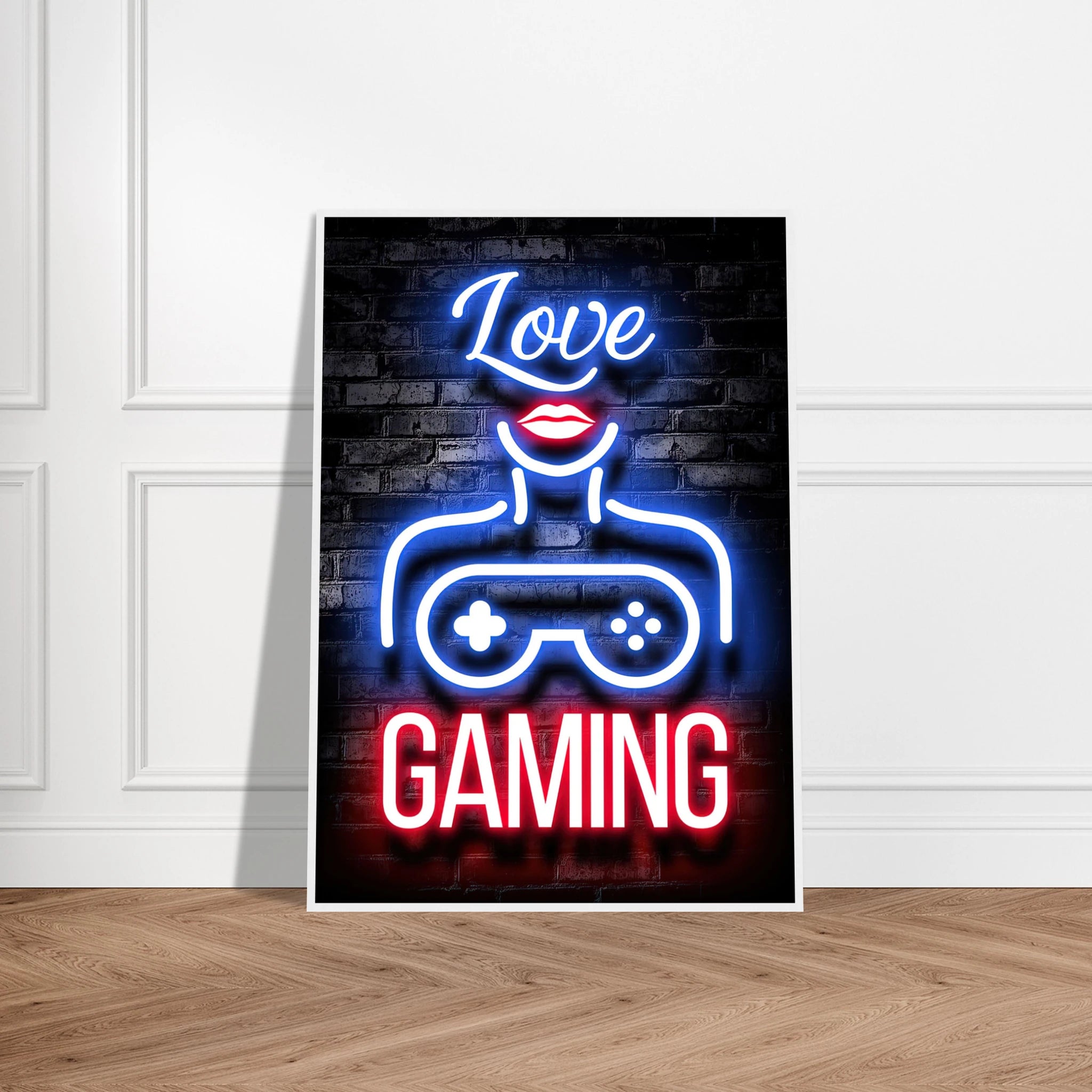
Personalized and meaningful pieces, such as love-themed art prints, can foster a sense of connection and joy. Consider the psychological effects of color and subject matter as you curate your collection. The right choices can transform any room into a sanctuary or a source of motivation.
Inspiration Boards and Digital Tools
Planning your art and wall decor layout is easier than ever thanks to digital resources. Interior designers use AR apps, Pinterest boards, and design software to visualize arrangements before committing. Virtual gallery wall planners are especially helpful for experimenting with scale, orientation, and spacing.
Create an inspiration board to collect ideas, color palettes, and potential purchases. This step is invaluable for clarifying your vision and ensuring every piece fits seamlessly with your overall design. Embrace technology to take the guesswork out of styling your walls.