


The Art of Print Guide: Mastering Creative Prints in 2025
The creative world is witnessing a dynamic resurgence in the art of print as 2025 brings new possibilities for artists and designers. This guide is crafted to help you master the art of print, guiding you from your first idea to the final masterpiece by embracing the latest techniques and trends. Discover a step-by-step process, explore cutting-edge technologies, and learn expert tips that will set your prints apart. Unique, high-quality prints are more important than ever, offering new opportunities for creative expression and growth. Get ready to elevate your skills and unlock practical insights for your next print project.
Understanding the Art of Print in 2025
The art of print is evolving rapidly as new technologies and creative approaches shape how artists and designers express themselves. In 2025, mastering the art of print means understanding both its rich history and the innovations driving its future. This section will guide you through the essential concepts, trends, and terminology you need to navigate the modern print landscape.

Evolution of Printmaking: From Traditional to Digital
The art of print has a long, storied past, from ancient woodblock prints to the rise of lithography and screen printing. In recent decades, the shift from analog to digital technologies has transformed accessibility, allowing artists to reach global audiences with ease. Digital printmaking, such as giclée prints, offers consistency and vivid color, while traditional screen printing remains prized for its tactile qualities.
For example, screen prints showcase layered textures, whereas digital giclée prints excel in photographic detail. This evolution has expanded creativity and democratized the art of print. According to recent industry reports, digital print is projected to account for a significant share of the global print market by 2025, driven by innovation and demand.
Key Trends Shaping Creative Prints
In 2025, the art of print is defined by bold trends: minimalism, maximalism, and nostalgic retro revivals are all in demand. Sustainable printing practices, including recycled papers and eco-friendly inks, are now standard for conscientious creators. Customization and personalization drive market growth, as more consumers seek bespoke, meaningful prints.
Limited edition artist collaborations are especially popular, adding exclusivity and value. To stay ahead, artists should explore the latest 2025 wall art trends for insights into what buyers are seeking. Data shows that demand for unique, custom prints continues to rise, making trend awareness crucial for success in the art of print.
The Role of Prints in Modern Spaces
Prints play a central role in shaping the ambiance of both homes and offices. As focal points, they can anchor a room’s aesthetic, influence mood, and even enhance productivity. The art of print is not just decorative; it has a psychological impact, creating environments that inspire, calm, or energize.
Integration with smart home systems and digital displays is increasingly common, allowing for dynamic, changeable art collections. The home décor sector has seen a notable increase in print sales, as people seek to personalize their spaces with meaningful art of print selections that reflect their tastes and values.
Essential Print Terminology and Concepts
To master the art of print, it’s vital to understand core terminology. Common types include giclée (high-quality inkjet), lithograph (stone or metal plate), and screen print (stenciled layers). DPI (dots per inch) and color gamut refer to image resolution and color range, respectively.
Archival quality ensures prints resist fading and last for decades. Open edition prints are unlimited, while limited editions are numbered and often signed. Effective color management is essential to maintain print fidelity, ensuring the art of print looks as vibrant in person as it does on screen.
The Value of Mastery: Why Quality Matters
Quality is the cornerstone of the art of print. Professional-grade prints elevate an artist’s reputation and influence how their work is perceived and valued. Craftsmanship, from precise color calibration to careful material selection, sets successful artists apart in a crowded market.
Recent data shows consumers are willing to pay a premium for prints that demonstrate superior quality and attention to detail. Case studies of renowned print artists reveal that investing in the art of print, from technique to presentation, results in higher sales and lasting recognition.
Step 1: Conceptualizing Your Print Design
Every memorable print starts with a powerful concept. In the art of print, careful planning and creative intention transform ideas into visually compelling works. Whether you are new to printmaking or refining your process, this step lays the foundation for stunning results.
Finding Inspiration and Defining Your Vision
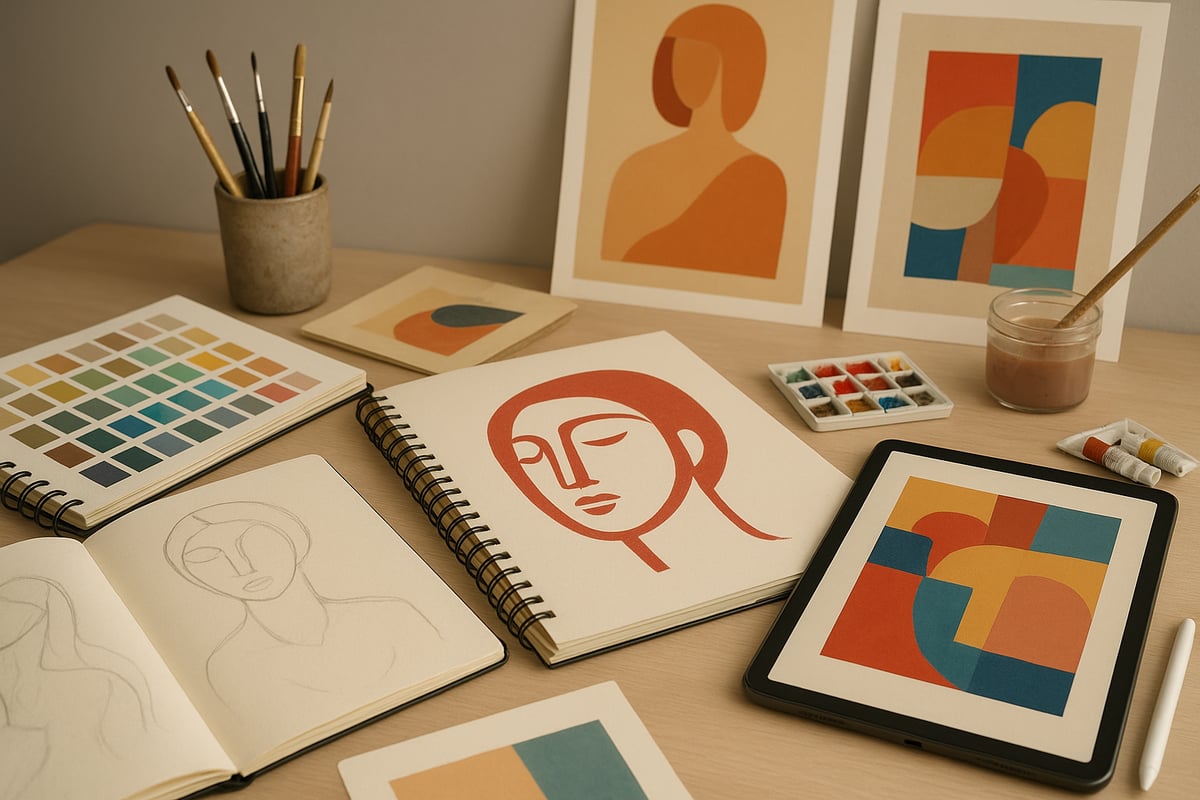
Inspiration is the heartbeat of the art of print. Begin by exploring diverse sources:
- Art history movements, from Bauhaus to Abstract Expressionism
- Elements in nature, such as landscapes and botanical forms
- Pop culture, fashion, and digital trends
- Online galleries and curated artistic prints inspiration
Create a mood board to collect references and color palettes. Visual research helps clarify your creative direction. Consider your target audience—do they prefer bold abstracts or minimalist designs? Successful artists often align their vision with current trends, drawing from both classic and contemporary styles. By grounding your approach in research, you set a strong foundation for the art of print.
Choosing the Right Medium and Format
Selecting the ideal medium is essential in the art of print. Each substrate brings unique qualities to your work:
- Paper: Versatile, with textures ranging from matte to glossy
- Canvas: Adds depth and suits painterly styles
- Metal: Offers a sleek, modern finish
- Acrylic: Provides vibrant color and high durability
- Textile: Perfect for soft, tactile prints
Consider factors like texture, longevity, and the emotional effect each medium creates. For example, canvas enhances bold brushwork, while fine art paper highlights delicate linework. Match your medium to your concept and audience. This thoughtful decision elevates your art of print project and ensures the final piece resonates.
Color Theory and Composition for Impactful Prints
Mastering color and composition is key in the art of print. Start with color harmony—choose palettes that evoke the desired mood. Use contrast to create energy or calm. In 2025, bold palettes and dynamic combinations are trending, making prints stand out.
Apply compositional techniques such as:
- Balance: Distribute elements evenly for stability
- Focal points: Draw the viewer’s eye to a central feature
- Negative space: Allow designs to breathe and feel uncluttered
Always adapt your layout to the intended print size and ratio. A well-composed design translates beautifully across formats, maintaining visual impact and professional appeal in the art of print.
Preparing Artwork for Print: Digital Tools and File Setup
Technical preparation is crucial for achieving excellence in the art of print. Use industry-standard software like Adobe Photoshop, Illustrator, or Procreate. Choose file formats wisely:
| Format | Use Case |
|---|---|
| TIFF | High-quality fine art |
| PNG | Transparency needed |
| Multi-page documents |
Set your artwork to at least 300 DPI for sharp results. Use CMYK color profiles for accurate printing, unless your process requires RGB. Double-check your files for proper resolution and color settings. A print-ready checklist ensures your art of print vision is realized with clarity and precision.
Step 2: Selecting the Ideal Print Technique
Choosing the right print technique is a pivotal step in mastering the art of print. Your method shapes not only the final look but also the perception, longevity, and value of your creative work. Let’s explore the essential options and considerations for 2025.
Overview of Popular Print Methods in 2025
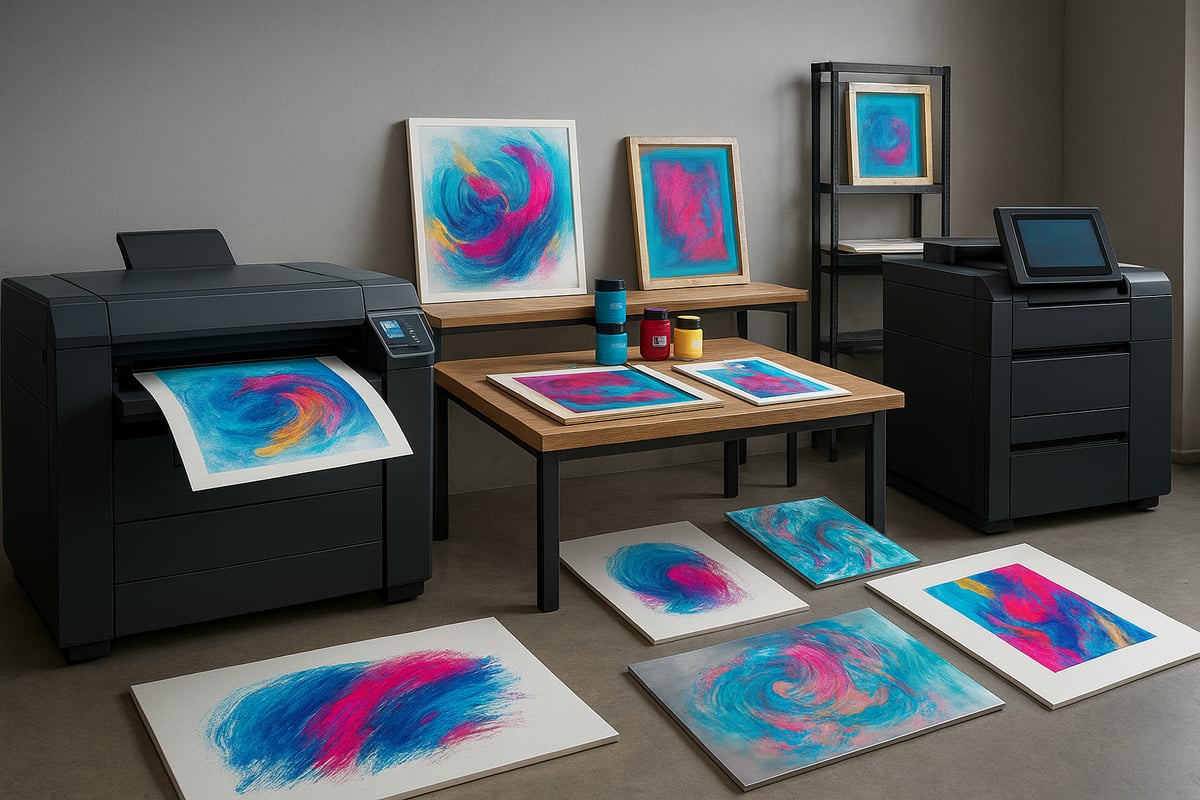
The art of print has evolved to offer artists a diverse toolkit. In 2025, digital printing dominates for its flexibility and precision. Giclée and inkjet processes allow for museum-quality reproductions, while screen printing remains a favorite for bold, tactile finishes. Risograph and letterpress techniques add texture and vintage appeal to limited editions.
Emerging technologies like UV printing and 3D-embossed prints are gaining traction, enabling artists to experiment with raised textures and vibrant color layers. Each method serves different styles, budgets, and creative visions, making the art of print more accessible and innovative than ever.
Comparing Print Quality, Cost, and Scalability
Selecting the right print method in the art of print is about balancing quality, cost, and scalability. Digital printing offers consistent results, high resolution, and archival standards, making it ideal for both open and limited editions. Screen printing excels in durability and color vibrancy, but setup costs can be higher for small runs.
Here’s a quick comparison:
| Method | Quality | Cost per Print | Scalability |
|---|---|---|---|
| Digital | High | Low | High |
| Screen Print | Very High | Medium-High | Best for Medium |
| Risograph | Unique | Low | Medium |
| Letterpress | Textured | High | Low |
Trends from 2022 to 2025 show digital methods becoming more cost-effective, expanding the creative possibilities within the art of print.
Eco-Friendly and Sustainable Printing Solutions
Sustainability is now central to the art of print. Artists are increasingly choosing recycled and FSC-certified papers, water-based inks, and non-toxic materials. Green certifications not only protect the environment but also appeal to buyers who value ethical production.
Brands leading the way in sustainable print production set new standards for the industry. To stay current on eco-friendly materials and technologies, review the latest sustainable printing practices trends 2025.
Making sustainable choices in the art of print can strengthen your brand and attract conscious collectors.
Working with Professional Print Studios vs. DIY Printing
Deciding between professional studios and DIY production affects your workflow and results in the art of print. In-house printing offers control and flexibility, but requires investment in equipment and expertise. Outsourcing to a reputable studio ensures consistent quality, access to advanced techniques, and efficient proofing cycles.
Key considerations include:
- Equipment and material costs
- Time investment and learning curve
- Scalability for larger orders
Artists often start with DIY for small runs, then partner with studios as their art of print business grows.
Ensuring Color Accuracy and Print Consistency
Achieving accurate, consistent color is vital in the art of print. Use color calibration tools and ICC profiles to match your digital files to the final output. Proofing cycles—both soft and hard proofs—help catch color shifts, banding, or resolution loss before a full run.
Common pitfalls include uncalibrated monitors and incorrect color profiles. Address these early for reliable results and satisfied collectors. Consistency in the art of print builds trust and enhances your professional reputation.
Step 3: Perfecting Print Presentation and Finishing Touches
Perfecting the presentation of your prints is a crucial part of the art of print. The way a print is displayed, protected, and delivered can elevate its perceived value and ensure it stands out in any collection. In this section, you will discover how thoughtful finishing touches transform your work into a treasured piece.

Choosing the Right Size, Border, and Framing Options
When mastering the art of print, the right presentation makes all the difference. Selecting the optimal size, border, and frame style can complement your artwork and enhance its impact in any space.
Standard print sizes like 8x10, 12x16, and 24x36 inches are popular, but custom dimensions can create a unique statement. Borders, such as crisp white mats or full-bleed edges, help define the print’s boundaries and focus attention. Framing options range from minimalist wood and sleek metal to contemporary acrylic.
Consider your target audience and the setting where the print will be displayed. For more guidance on matching art to interiors, check out this How to choose wall art guide. Thoughtful choices here reinforce the professionalism behind the art of print.
Protective Coatings and Print Longevity
Preserving your prints is essential for anyone serious about the art of print. Applying UV-protective sprays, archival varnishes, or laminates shields your work from sunlight, dust, and moisture.
Fade resistance is particularly important for prints displayed in bright rooms or galleries. Always choose coatings compatible with your print medium. For example, fine art papers may require specialized sprays, while canvas prints often benefit from liquid varnishes.
Proper finishing extends print longevity, ensuring colors remain vibrant for decades. Storing prints in acid-free sleeves or boxes adds another layer of protection. These steps demonstrate your commitment to the art of print and client satisfaction.
Packaging and Shipping Prints Safely
Delivering prints safely is a final but vital element in the art of print. Whether shipping flat, rolled, or framed, each format requires tailored packaging.
For flat prints, use rigid mailers with corner protectors. Rolled prints should be wrapped in acid-free tissue and shipped in sturdy tubes. Framed pieces need bubble wrap and reinforced boxes to prevent glass breakage.
Eco-friendly packaging, such as recycled cardboard and biodegradable sleeves, appeals to sustainability-minded buyers. Creating a memorable unboxing experience with branded touches not only protects your art of print but also enhances your brand’s reputation.
Adding Value: Certificates, Limited Editions, and Artist Signatures
Building value around your prints sets your art of print apart in a competitive market. Certificates of authenticity, numbering for limited editions, and artist signatures all contribute to collectibility and trust.
- Number each limited edition clearly on the front or back.
- Sign prints by hand to add a personal touch.
- Provide a certificate detailing the edition size, materials, and your credentials.
Collectors often seek these details as proof of originality and investment potential. By prioritizing these finishing touches, you reinforce the value and professionalism inherent in the art of print.
Step 4: Marketing and Selling Your Creative Prints
Successfully marketing and selling your creative prints is as much an art as the printing process itself. Mastering the art of print means understanding not only how to create, but also how to connect with the right audience and maximize your reach in 2025’s highly competitive market.
Building a Strong Online Presence
Building a strong digital presence is crucial for anyone looking to excel in the art of print. Start by launching a dedicated website or online store, where your portfolio shines and your story is front and center. Social media platforms like Instagram, Pinterest, and TikTok remain powerful tools for showcasing your process and finished works, driving engagement, and building a loyal following.
Optimize your site for search engines by using relevant keywords and high-quality images. Share behind-the-scenes content, time-lapses, and customer testimonials to humanize your brand. For inspiration, explore the Abstract wall art prints collection to see how cohesive presentation and thoughtful curation can elevate your online gallery.
Utilizing Marketplaces and Print-on-Demand Platforms
Expanding your reach through marketplaces is a proven strategy in the art of print. Sites like Etsy, Saatchi Art, Society6, and Redbubble allow you to tap into established audiences and simplify order fulfillment with print-on-demand options.
When choosing a platform, consider:
- Audience demographics and fit for your style
- Commission rates and fees
- Control over branding and packaging
A quick comparison shows Etsy offers direct customer interaction, while Society6 handles all logistics. Analyze recent marketplace sales trends to determine where your prints have the highest potential. Balancing multiple platforms can diversify your revenue streams.
Storytelling and Branding for Print Artists
Effective storytelling is at the heart of every successful art of print brand. Your narrative should communicate your creative journey, inspiration, and what sets your work apart. Consistent branding—across your website, packaging, and social channels—builds trust and recognition.
Consider these storytelling strategies:
- Share the inspiration behind each collection
- Highlight your creative process with photos or videos
- Use branded packaging for a memorable unboxing experience
Case studies reveal that artists who weave authentic stories into their marketing create stronger emotional connections with buyers, driving loyalty and repeat sales.
Email Marketing, Collaborations, and Limited Drops
Email marketing remains a powerful tool in the art of print landscape. Build and nurture your email list by offering exclusive previews, discounts, or behind-the-scenes updates. Segment your list for targeted campaigns that speak directly to collectors, gift buyers, or corporate clients.
Collaborate with fellow artists or brands to reach new audiences and add fresh perspectives to your collections. Launching limited edition drops creates urgency and exclusivity, often resulting in higher conversion rates compared to regular social media promotions. Monitor your analytics to refine your approach and maximize engagement.
Pricing, Licensing, and Protecting Your Work
Pricing your creative prints requires research and self-awareness. In the art of print, balance is key—set prices that reflect your skill, materials, and market demand while remaining competitive. Consider using a tiered pricing structure for open versus limited editions.
Explore licensing opportunities, such as open, exclusive, or royalty-based deals, to expand your reach without losing control. Protect your work by registering copyrights and using discreet watermarks on digital previews. Artists who proactively manage licensing and legal protections often see increased confidence from both buyers and collaborators.
Step 5: Staying Ahead—Adapting to Future Print Trends
Staying ahead in the art of print requires a proactive approach to technology, sustainability, portfolio development, and community engagement. As we look toward the future, mastering these areas will help artists remain relevant and thrive in a rapidly evolving creative landscape.
Embracing New Technologies in Printmaking
The art of print is undergoing a remarkable transformation, propelled by advances like AI-assisted design, generative art, and augmented reality integration. Artists now create interactive prints that merge physical and digital experiences. Blockchain and NFTs add new layers of authenticity and provenance, allowing collectors to verify ownership securely.
These innovations are not merely trends—they are reshaping the industry. According to Digital print market growth statistics 2025, the digital print sector is set for significant growth, reflecting increased adoption of next-gen technologies. Embracing these tools ensures artists stay at the forefront of the art of print.
Sustainability and Ethical Considerations for Print Artists
Sustainability is now a core value in the art of print. Artists are increasingly sourcing eco-friendly papers, non-toxic inks, and recycled substrates. Transparent supply chains and fair labor practices are becoming industry standards, as buyers demand ethical production from creators.
Recent innovations, such as recyclable thin-film soft electronics for smart packaging, hint at the potential for even greener print materials and smarter packaging solutions. Communicating these efforts not only builds trust but also aligns with the growing consumer preference for ethical brands in the art of print.
Expanding Your Print Portfolio in 2025
To remain competitive in the art of print, artists must continually expand and diversify their portfolios. Exploring new subjects, styles, and formats—such as limited editions for kids’ rooms, office décor, or even kitchen art—can unlock untapped markets. Niche collections based on seasonal trends or emerging aesthetics keep offerings fresh and engaging.
Successful printmakers research demographic shifts and adapt quickly, ensuring their work resonates with evolving tastes. This flexibility is essential for long-term growth and relevance in the art of print.
Building a Community Around Your Art
Community is the cornerstone of success in the art of print. Engaging directly with collectors and fans through online platforms, virtual exhibitions, and interactive print release events fosters loyalty and advocacy. Sharing user-generated content, testimonials, and behind-the-scenes glimpses builds authentic connections.
Artists who prioritize community often see increased sales and repeat business. By nurturing relationships and encouraging dialogue, creators transform the art of print from a transaction into a shared journey, driving sustained growth and inspiration.
Resources and Expert Tips for Mastering Creative Prints
Mastering the art of print in 2025 requires not only creativity but also the right tools, expert insights, and continuous learning. This section brings together essential resources and actionable tips to help you achieve professional results and stand out in the evolving print landscape.
Essential Tools, Software, and Materials
To excel in the art of print, invest in industry-standard design software like Adobe Photoshop, Illustrator, or Procreate. These tools streamline editing, color management, and file preparation. For physical output, archival-quality papers and pigment inks are crucial for longevity and vibrancy. Consider using calibration devices and proofing tools to ensure color accuracy across devices and prints.
As the digital printing market continues to grow, staying informed about digital printing market size and forecast 2033 can help you anticipate trends and invest wisely in new technologies. Modern print artists often keep a toolkit that includes high-resolution monitors, ICC profile libraries, and a range of substrates like canvas, fine art paper, and acrylic.
Learning from Print Masters: Interviews and Case Studies
One of the best ways to deepen your understanding of the art of print is to study the journeys of successful print artists. Interviews with leading creators reveal how they approach design, select materials, and adapt to new print technologies. Case studies often highlight the importance of experimentation, from testing color palettes to refining print techniques.
For example, many top artists attribute their success to blending traditional craftsmanship with digital innovation. Learning from these print masters can inspire you to refine your own methods and build a unique artistic voice within the art of print community.
Troubleshooting Common Print Challenges
Every artist encounters challenges in the art of print, from unexpected color shifts to print defects or production delays. The key is to develop a proactive troubleshooting workflow. Start by calibrating your monitor regularly and using ICC profiles to minimize color mismatches. Always review proofs before committing to a full print run.
If issues arise, address them promptly by adjusting file settings or consulting with your print studio. Handling customer complaints with transparency can turn negative experiences into opportunities for growth. Building a checklist for quality control helps ensure each print meets your standards for the art of print.
Further Learning: Courses, Books, and Online Communities
Continuous learning is essential for mastering the art of print. Explore online courses and workshops that cover both foundational and advanced printmaking skills. Recommended books such as "The Complete Printmaker" and "Digital Printmaking" offer in-depth guidance on techniques and industry trends.
Join active forums and social media groups where print artists share advice, feedback, and inspiration. Platforms like Reddit, Printmakers' Guild, and dedicated Facebook groups are excellent for networking and staying current. Engaging with these communities will keep you motivated and informed as you advance your art of print journey.