

Art On Print Guide: Expert Tips For Stunning Displays 2025
Imagine stepping into a room where every wall tells a story, and art on print becomes the centerpiece of inspiration. In 2025, the right art on print can transform any space—whether at home or in your office—into a showcase of personality and style.
This expert guide is designed to empower you with proven strategies for curating, framing, and displaying art on print for maximum visual impact. Discover essential tips on print types, selection criteria, framing, arrangement, and the latest trends, all tailored to help you create stunning displays.
Let your creativity shine as you explore how art on print can elevate your interiors. Ready to unlock the full potential of your space? Dive in for actionable advice and expert insights.
Understanding Art Prints: Types, Materials, and Techniques
Art on print has transformed how people personalize interiors, making art more accessible than ever. Unlike original paintings, art prints are high-quality reproductions of artwork, allowing anyone to enjoy beautiful visuals at home or in the office. In 2025, art prints have become a cornerstone of modern decor, offering variety for every taste and budget.
Defining Art Prints and Their Role in Modern Decor
An art print is a reproduction of an original artwork, produced using professional printing techniques to capture the essence of the artist’s vision. While originals remain unique, art on print opens up the world of creativity to a wider audience.
Art prints are celebrated for their affordability and versatility. In 2025, they dominate interior trends, offering homeowners and designers an easy way to refresh spaces. With endless styles and subjects, art on print makes it simple to reflect personality and mood in any room.
For a deeper exploration of the foundations and creative possibilities of art on print, you can read the Guide to Artistic Prints.
Types of Art Prints
The art on print world features several main types, each with unique characteristics:
| Type | Quality | Durability | Price Range | Example |
|---|---|---|---|---|
| Giclée | High | Archival | $$$ | Fine art galleries |
| Lithograph | Medium-High | Good | $$-$$$ | Artist studios |
| Screen Print | High | Excellent | $$-$$$ | Limited editions |
| Digital | Varies | Varies | $-$$ | Online platforms |
Giclée prints are prized for their rich color and longevity, while lithographs and screen prints offer texture and depth. Digital prints make art on print accessible at lower price points, perfect for trend-driven interiors.
Materials and Printing Techniques
Selecting the right material is essential for achieving the desired look and feel with art on print. Fine art paper provides a classic matte finish and tactile quality. Canvas offers a textured, painterly effect, often stretched over a wooden frame for a gallery-ready appearance. Photo paper is favored for its glossy finish and sharp detail, especially for photographic prints.
Inks and finishes also play a crucial role. Archival inks ensure colors remain vibrant for years. Matte and gloss finishes affect how light interacts with the art on print, influencing overall impact. Data from 2025 shows that giclée remains the preferred technique for collectors seeking museum-quality results.
Sizing and Orientation Options
Art on print is available in a wide range of sizes, from extra-small pieces perfect for shelves to extra-large works that command attention. Standard ratios like 1:1 (square), 1:1.5 (classic rectangle), and 1:2 (panorama) provide flexibility for different walls and layouts.
Orientation matters too. Landscapes create a sense of openness, portraits add vertical drama, and squares offer balance. Custom dimensions are increasingly popular, letting buyers tailor art on print to unique spaces.
How Print Quality Influences Display Impact
The impact of art on print depends heavily on quality. High-resolution files ensure crisp detail, while accurate color reproduction brings the artist’s palette to life. The tactile feel of the surface, whether textured canvas or smooth paper, enhances the viewing experience.
Choosing reputable sources is critical. Trusted platforms use quality materials and professional techniques, ensuring each art on print stands the test of time and elevates the room.
Trends in Print Production for 2025
Sustainability is shaping the future of art on print. Eco-friendly papers, recycled materials, and non-toxic inks are in demand. Limited editions and artist collaborations are also trending, offering collectors exclusive pieces with added value.
Consumers in 2025 are seeking unique, meaningful art on print that reflects both personal style and ethical values. With more artists embracing sustainable practices, the art on print landscape is more dynamic and responsible than ever.
Selecting the Perfect Art Prints for Your Space
Selecting the right art on print can elevate any room, setting the tone for your entire decor. The process starts with understanding your style and the specific needs of your space. With so many choices available in 2025, finding the ideal print is both an exciting and rewarding journey.
Assessing Your Style and Space Requirements
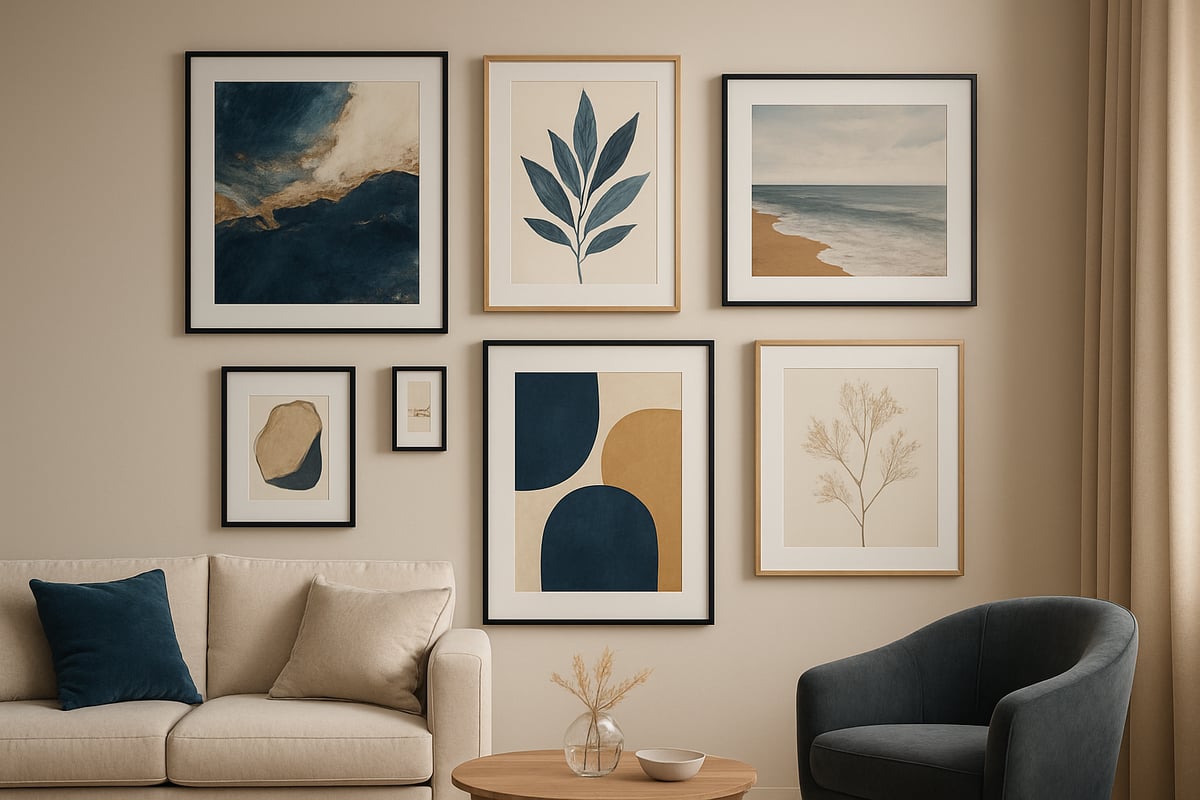
Begin by identifying your interior style. Are you drawn to modern minimalism, classic traditional, eclectic bohemian, or something in between? Understanding your personal aesthetic will guide your art on print choices and ensure they complement your existing decor.
Consider the room’s function. A calming landscape may work well in a bedroom, while bold abstracts energize living or dining spaces. Think about color palettes, themes, and subject matter that either blend in or provide contrast. For inspiration, explore curated collections like the Abstract Wall Art Prints Collection, which showcase a variety of print types and materials suited for every style.
- Match print themes to the mood you want to create
- Use colors that harmonize or accent your furnishings
- Select subject matter that reflects your interests
Art on print serves as a bridge between your personality and your environment, making style assessment a crucial first step.
Sizing and Placement Considerations
The impact of art on print is heavily influenced by its size and placement. Measure your wall space and use the two-thirds rule as a guideline: your print or gallery arrangement should cover about two-thirds the width of the furniture below it.
Decide between a single statement piece or a gallery wall. Statement pieces draw the eye and anchor a room, while gallery walls offer storytelling and visual variety. For pre-designed gallery layouts, platforms like Artfully Walls provide creative solutions.
Standard sizes range from extra small to extra large, and orientations can be landscape, portrait, or square. Custom dimensions are also available for unique spaces. Art on print allows for flexibility, ensuring every wall can be transformed to suit your vision.
Evaluating Print Quality and Authenticity
Not all prints are created equal, so evaluating quality is essential. High-resolution art on print offers crisp details and vibrant colors. Look for prints produced on archival-grade paper or canvas using fade-resistant inks for longevity.
Authenticity adds value and character. Limited edition, numbered, or artist-signed prints are more collectible and often crafted with superior materials. Mass-market reproductions may be less expensive, but investing in authentic art on print ensures you receive a piece that stands out and endures.
Examine the source’s reputation and seek out platforms that provide detailed information on print techniques, materials, and artist credentials.
Budgeting and Price Ranges
Art on print is available at every price point, making it accessible for all budgets. Whether you’re seeking affordable decor or a long-term investment, understanding price brackets helps you plan your collection wisely.
| Price Bracket | Typical Range | Example Platforms |
|---|---|---|
| Budget | Under $25 | Society6, Artfully Walls |
| Affordable | $25–$50 | Society6, Muralla Art |
| Mid-Range | $51–$100 | Artfully Walls |
| Premium | $101–$200 | Limited Editions |
| Collector’s Choice | $201–$500+ | Artist Collaborations |
Balance investment with aesthetic value. Art on print from reputable sources offers both quality and style, making it possible to curate stunning displays within your means.
Supporting Artists and Ethical Purchasing
Choosing art on print from independent artists and reputable platforms not only enriches your space but also supports creative communities. Ethical purchasing ensures fair compensation and promotes sustainability within the art world.
- Buy directly from artists or trusted online galleries
- Opt for prints made with eco-friendly materials and inks
- Support platforms with transparent sourcing and artist royalties
By making mindful choices, your art on print collection becomes part of a larger movement toward ethical and sustainable decor.
Curating a Cohesive Collection
A well-curated art on print collection tells a story and creates visual harmony. Mix styles, eras, and mediums for interest, but maintain cohesion through color schemes, themes, or framing choices.
Develop a narrative or mood by grouping prints with a common thread, such as nature, abstract forms, or travel photography. Rotate pieces seasonally or as your tastes evolve for a fresh perspective.
In summary, selecting the perfect art on print involves thoughtful consideration of style, size, quality, budget, ethics, and curation. With these strategies, you can create a display that reflects your personality and enhances every space.
Framing and Presentation: Expert Tips for a Gallery-Ready Look
Transforming an art on print piece into a gallery-worthy display begins with thoughtful framing and presentation. The right approach elevates your artwork, protects its integrity, and ensures it harmonizes with your decor. Let’s explore expert strategies to help your art on print collection shine in 2025.
Choosing the Right Frame for Your Print
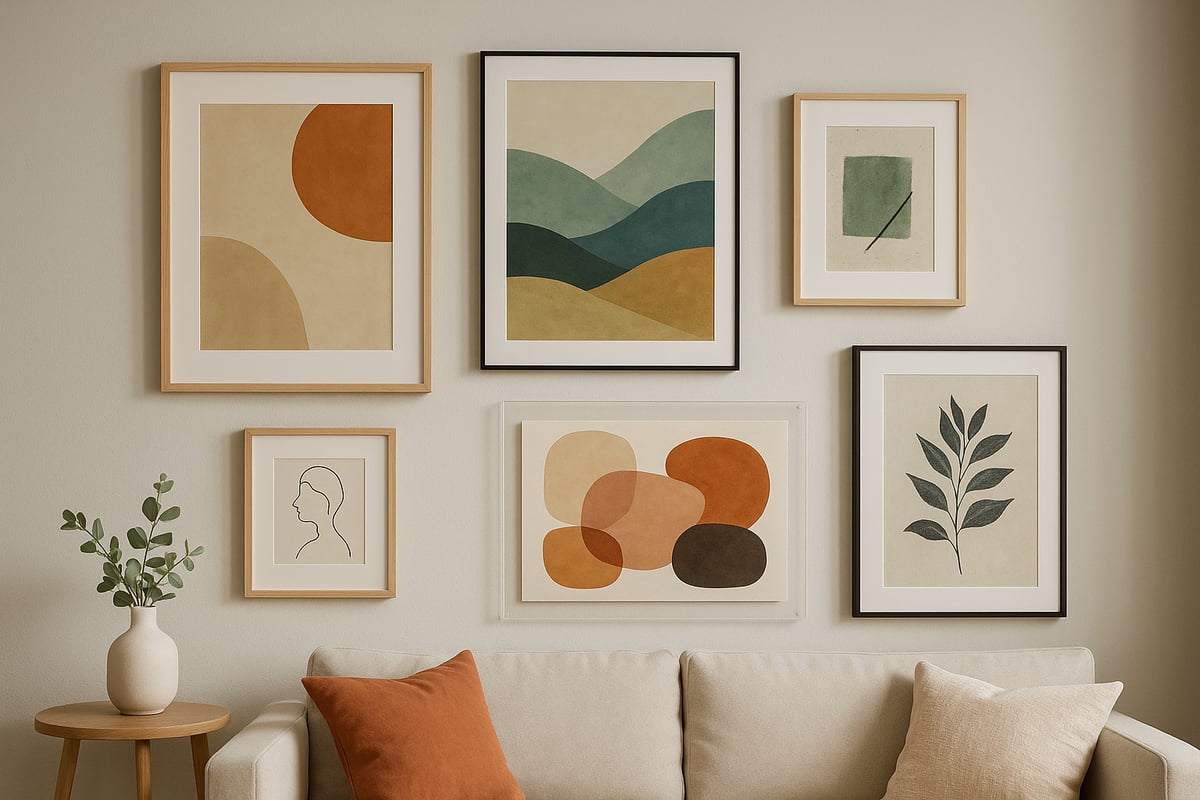
A well-chosen frame is the foundation of every successful art on print display. Materials like wood, metal, and acrylic each bring unique character—wood frames add warmth, metal offers a sleek modern edge, and acrylic creates a minimalist vibe. Consider the color and finish to complement both your print and your room’s palette.
Depth matters too. Adding a mat can make your art on print appear more substantial and draw the viewer’s eye to the image. For bold, oversized prints, deep frames with a wide mat create a dramatic, gallery-style effect. Always ensure the frame is proportionate to the print’s size and orientation.
Mounting Techniques and Hardware
Proper mounting is essential for a clean, professional look. Float mounting, recessed frames, and traditional matting each offer a distinctive presentation. Float mounting, for example, makes the art on print appear to “hover” within the frame, adding dimension.
Secure, damage-free hanging is key to preserving your walls and your artwork. Use picture hooks or adhesive strips rated for your print's weight. For those seeking layout inspiration, Gallery Wall Layout Ideas offers practical tips for arranging multiple art on print pieces in cohesive, eye-catching displays.
Glass and Glazing Options
Glazing is more than just a finishing touch—it’s vital for protecting your art on print from dust, moisture, and UV rays. Standard glass provides basic protection, while museum glass features anti-reflective coatings and higher UV resistance, ideal for valuable pieces.
Acrylic glazing is lighter and shatter-resistant, making it a safe choice for larger or high-traffic areas. UV-filtering options help maintain the vibrancy of your art on print by reducing fading over time. Always weigh the benefits of clarity, weight, and protection when choosing your glazing.
DIY Framing vs. Professional Services
Deciding whether to frame your art on print yourself or use a professional depends on your needs. DIY framing offers flexibility and cost savings, especially for standard sizes and simple designs.
However, professional framers bring expertise in handling delicate or oversized art on print pieces. They can recommend archival materials, perfect matting, and custom finishes that enhance longevity. For valuable or sentimental prints, investing in professional framing ensures lasting quality and peace of mind.
Caring for and Maintaining Framed Art Prints
To keep your art on print looking its best, regular maintenance is essential. Dust frames and glazing with a soft, lint-free cloth, and avoid harsh chemicals that could damage finishes or the print itself.
Protect your art on print from direct sunlight, excessive humidity, and temperature extremes, which can cause fading or warping. If possible, rotate your displays seasonally to minimize prolonged exposure and keep your space feeling fresh.
Creative Alternatives to Traditional Framing
Not every art on print needs a conventional frame. For a contemporary or casual aesthetic, explore alternatives like poster rails, bulldog clips, or colorful washi tape. These options make swapping out prints easy and add a playful, personal touch.
Shelves and picture ledges offer a flexible solution for rotating collections and layering different sizes or styles of art on print. This approach is perfect for renters or anyone seeking variety without committing to permanent fixtures.
Displaying 3D and Specialty Prints
Some art on print selections, such as foil, textured, or mixed-media works, benefit from specialized presentation. Shadow boxes or recessed frames can accommodate depth and draw attention to unique finishes.
For metallic or reflective prints, use targeted lighting to highlight their dimensionality. Platforms like Society6 offer a range of specialty prints—always follow their recommended display best practices to ensure your art on print stands out while remaining protected.
Arranging and Hanging Art Prints: Layouts for Maximum Impact
Arranging and hanging art on print is both an art and a science. The way you display your prints directly influences the atmosphere and visual narrative of any room. Whether you prefer a single statement piece or a complex gallery wall, thoughtful planning ensures your art on print creates maximum impact and harmony.
Planning Your Display: Single Statement vs. Gallery Wall
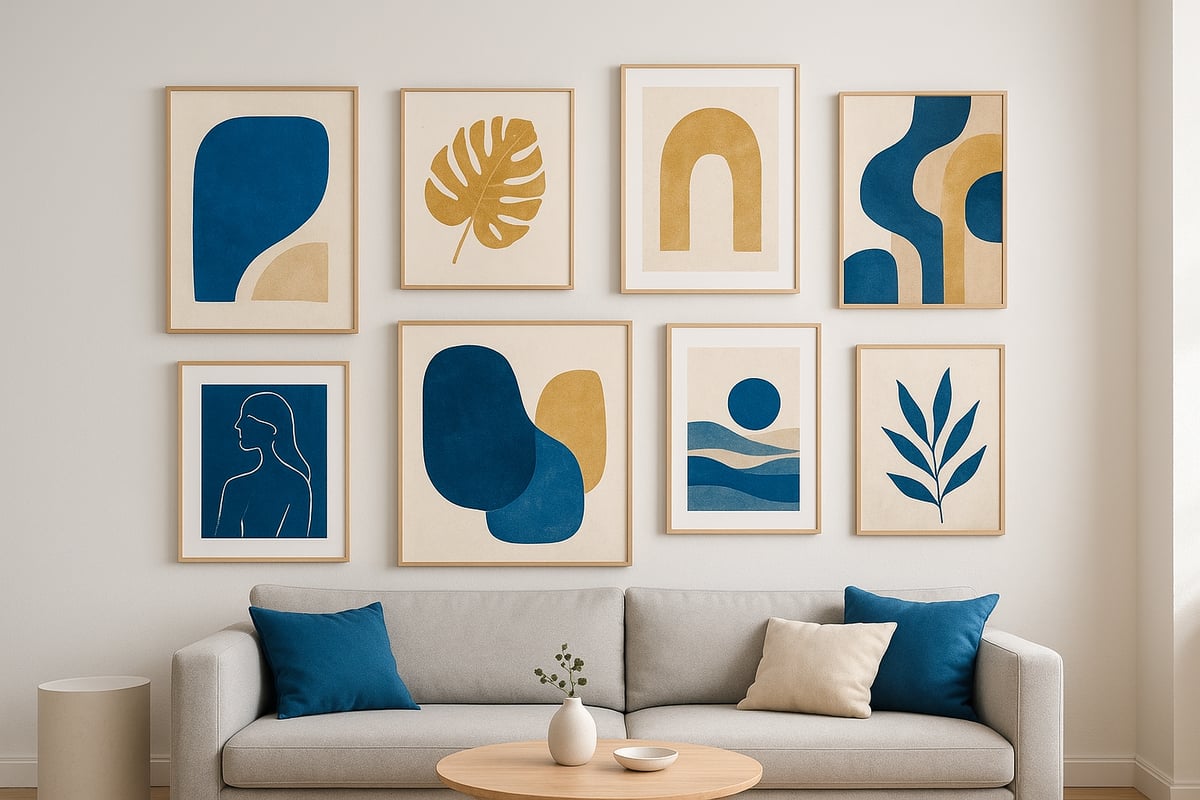
Start by considering the mood you want to set. A single statement art on print commands attention and becomes the room’s focal point. This approach works well above a sofa, mantle, or bed. In contrast, a gallery wall brings visual rhythm and can tell a broader story.
Think about the wall size, furniture placement, and natural sightlines. For smaller rooms, a bold art on print can make the space feel curated and intentional. Larger or open spaces benefit from the layered interest of multiple prints arranged together.
Gallery Wall Techniques
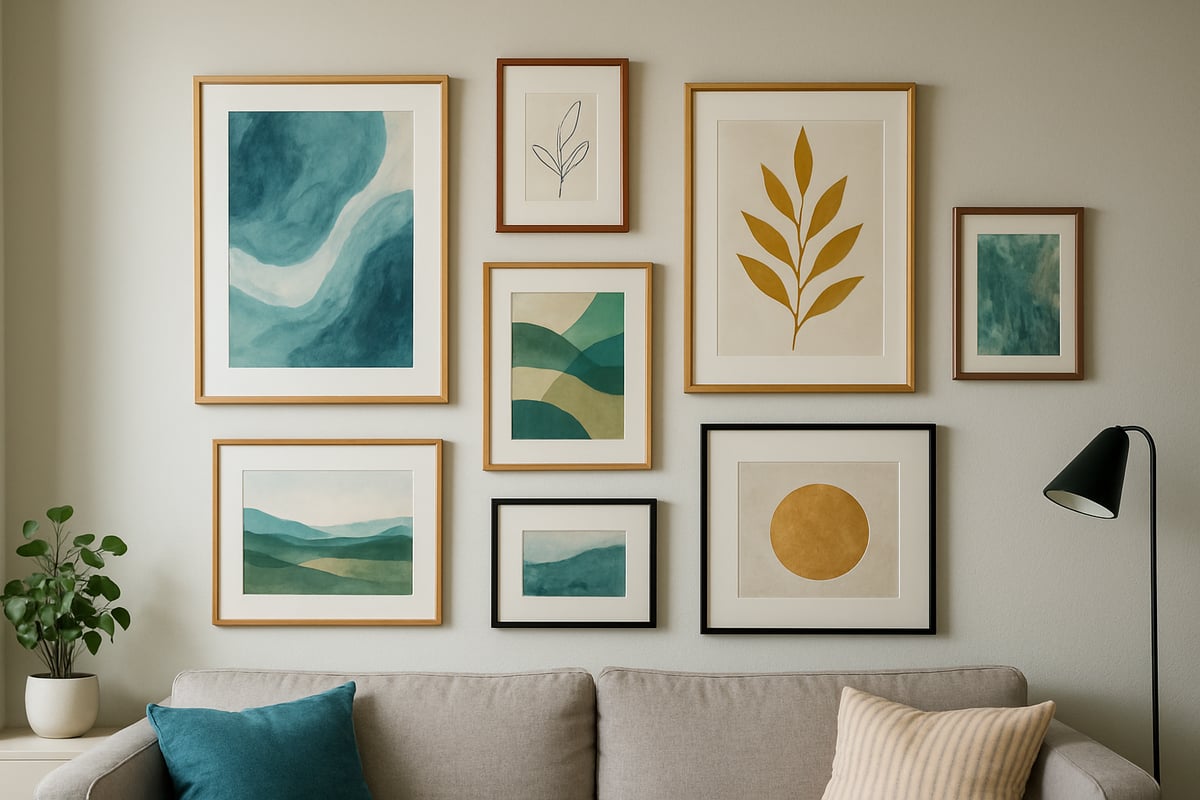
When creating a gallery wall, choose a layout style that fits your taste and the room’s architecture. Popular approaches include:
- Grid: Symmetrical and orderly, ideal for modern spaces.
- Salon-style: Eclectic, mixing sizes and frames for a collected look.
- Organic: Freeform, following no strict pattern, great for creative flair.
Use painter’s tape or paper templates to map your arrangement before committing. Essential tools include a measuring tape, level, and layout apps for visualization. Test arrangements on the floor first to ensure your art on print collection feels balanced and cohesive.
Height, Spacing, and Alignment Rules
Proper placement is key to professional-looking art on print displays. Hang the center of your main print at eye level, typically 57–60 inches from the floor. When grouping, keep a consistent gap between frames—2 to 6 inches works well.
Align your display with furniture edges or architectural features for visual harmony. If placing art above a sofa or console, ensure the art on print spans about two-thirds the width of the furniture to maintain proportion.
Mixing Prints, Mediums, and Frames
Blending different styles, mediums, and frame types adds personality to your art on print arrangement. Mix photography, illustrations, and abstract prints for depth. Combine wood, metal, and acrylic frames, but maintain cohesion through a common color palette or theme.
A unified element, such as matching matting or recurring hues, ties diverse art on print selections together. This approach creates a curated, yet personalized, gallery effect.
Hanging in Challenging Spaces
Difficult areas like staircases, narrow hallways, or above furniture require creative solutions for art on print displays. For staircases, follow the angle of the stairs with prints spaced evenly along the incline. In hallways, opt for a linear arrangement to elongate the space visually.
Renters can use damage-free hooks, adhesive strips, or picture ledges to hang art on print without leaving marks. Adjustable solutions allow for easy updates as your collection evolves.
Lighting for Art Prints
Lighting transforms the appearance of art on print. Maximize natural light while avoiding direct sunlight to prevent fading. For evening, use picture lights or adjustable spotlights to highlight texture and color.
Consider LED lights for energy efficiency and reduced heat exposure. Proper lighting not only enhances the visual impact of your art on print but also protects it for years to come.
Examples and Inspiration from Leading Platforms
For fresh ideas, explore curated layouts from top platforms. Society6 and Artfully Walls offer pre-designed gallery sets, while trend forecasts highlight the ongoing popularity of layered, personalized displays. According to the 2025 Wall Art Trends, gallery walls and innovative arrangements will continue to dominate, inspiring both homeowners and professionals to experiment with new ways of showcasing art on print.
Drawing inspiration from these sources helps you refine your own style and ensures your art on print display stays ahead of the curve.
Art Print Display Trends & Innovations for 2025
Art on print is rapidly transforming in 2025, introducing new styles, technologies, and sustainable practices. From bold subject matter to smart home integration, art on print displays are more immersive and versatile than ever before. The following trends and innovations highlight how you can refresh your space with cutting-edge ideas.
Emerging Styles and Popular Themes
In 2025, art on print thrives on diversity and bold expression. Trending subjects include lush botanicals, striking abstracts, vintage-inspired photography, and playful graphic elements. Social media and design influencers play a pivotal role in shaping demand, spotlighting unique artist collaborations and limited editions.
Minimalist designs and nature-inspired motifs are especially popular, as highlighted in 2025 wall art trends. These choices bring a sense of calm and personality to interiors, allowing art on print to serve as both statement and subtle backdrop in modern decor.
Sustainable and Ethical Art Display
Sustainability is a core value in art on print display for 2025. Eco-friendly frames crafted from recycled wood, green printing processes, and non-toxic inks are now standard for many producers. Consumers are increasingly conscious of ethical sourcing, choosing art on print from platforms that support independent artists and transparent manufacturing.
This shift not only reduces environmental impact but also fosters a deeper connection between art lovers and creators. Supporting artist-driven platforms means each purchase contributes to a vibrant, sustainable art community.
Interactive and Digital Art Prints
The evolution of art on print extends into the digital realm. Augmented reality (AR) and interactive print technology allow viewers to engage with artwork using smartphones or tablets. Digital canvases and rotating displays let users change their art on print selection with a tap, keeping spaces dynamic and fresh.
Innovative approaches, such as texture-heavy printing and touch-responsive surfaces, are gaining traction. For more on these advancements, explore Interactive print design innovations. This blend of technology and tradition elevates the art on print experience for collectors and casual decorators alike.
Customization and Personalization
Personalized art on print is a top priority in 2025. Platforms now offer custom sizing, bespoke framing, and even AI-powered art recommendations tailored to your taste and space. This level of customization ensures that every art on print display feels unique and intentional.
Bespoke options empower homeowners and designers to curate collections that reflect individual stories, design preferences, and even moods. The result is a more meaningful, connected environment.
Integrating Art Prints with Smart Home Technology
Smart home technology is seamlessly blending with art on print displays. Adjustable, app-controlled lighting enhances color and detail. Automated rotation systems allow for effortless art on print updates, making it easy to refresh your display with seasonal or themed collections.
Voice-activated assistants can now help select and showcase different prints, integrating art on print into daily routines. This convergence of tech and art transforms how we interact with our living and working spaces.
Multi-Functional Art Displays & Predictions
Art on print is no longer just for aesthetics. In 2025, multi-functional displays double as acoustic panels, message boards, or modular decor systems that adapt to changing needs. Movable gallery walls and flexible hanging solutions offer unparalleled versatility.
Looking ahead, experts predict a continued focus on individuality, sustainability, and immersive experiences. Art on print will keep evolving, driven by technology and a desire for personal connection, ensuring its central place in both home and professional interiors.
Expert Advice: Common Mistakes to Avoid & Pro-Level Display Tips
Even the most captivating art on print can lose its magic if common mistakes are overlooked. To ensure your display shines, it's essential to understand the pitfalls and learn from expert strategies. Mastering these techniques will help you present art on print with confidence and style.
Pitfalls in Selecting and Displaying Art Prints
One of the biggest mistakes with art on print is choosing pieces that clash with your existing decor or are the wrong size for the space. Prints that are too small can get lost, while oversized works can overwhelm a room.
Ignoring current trends can also lead to displays that feel outdated. For instance, the Art Deco style resurgence is influencing modern art print displays, so staying updated helps avoid dated looks.
Another pitfall is overcrowding walls, which creates visual chaos. Always plan your layout before hanging. Prioritize quality and authenticity over quantity to let each art on print piece truly stand out.
Framing and Hanging Errors
Proper framing can elevate any art on print, but mistakes here are common. Using the wrong hardware risks your prints falling or becoming crooked. Skipping matting or glazing for valuable art on print can lead to damage and diminished visual appeal.
Hanging too high, too low, or unevenly disrupts the viewer's experience. Take time to measure and align each piece. Use secure hardware and consider wall type when choosing hooks or adhesives. For especially valuable or oversized art on print, professional framing is always a wise investment.
Maintaining and Protecting Your Art Prints
Art on print needs ongoing care to look its best. Exposure to direct sunlight can cause fading, while humidity or extreme temperatures may warp or stain your prints.
Avoid hanging art on print near heat sources or in damp areas. Clean the glass and frames gently with a soft, dry cloth, and never use harsh chemicals. Rotate your displays periodically to minimize wear and keep your collection feeling fresh.
Pro Tips for Stunning, Long-Lasting Displays
Elevate your art on print by rotating pieces seasonally, which keeps your space dynamic and interesting. Use targeted lighting, such as picture lights or spotlights, to highlight textures and colors in your prints.
Mix high and low price points for a curated, personal touch. Combine different frame styles and sizes for depth, but maintain a cohesive color palette or theme. When in doubt, use a table like the one below to review your display strategy:
| Pro Tip | Why It Matters |
|---|---|
| Rotate art seasonally | Prevents visual fatigue |
| Use quality lighting | Enhances color and detail |
| Mix frame styles | Adds depth and interest |
| Maintain cohesion | Ensures a unified look |
Leveraging Technology for Art Display
Technology can help you perfect your art on print layout. Use apps and AR tools to preview how prints will look before hanging, ensuring the arrangement fits your space.
Smart frames and digital management tools allow for dynamic, rotating collections. Recent research, such as the PosterCraft framework study, highlights innovative ways to generate and display high-quality art on print with contemporary production methods.
Explore smart lighting and automation to enhance your display, making it easy to adapt as trends and your taste evolve.
Sourcing from Trusted Platforms and Artists
Always choose reputable platforms and artists when purchasing art on print. Research the artist's background, check for limited edition or signed pieces, and read customer reviews for assurance.
Transparent sourcing and strong customer feedback are signs of quality. Supporting independent artists not only ensures authenticity but also contributes to a vibrant creative community. Look for platforms with clear certifications and return policies for peace of mind.
Real-Life Examples and Success Stories
Many homeowners and designers have transformed their spaces with art on print by following expert advice. For instance, those who plan layouts in advance and invest in professional framing see higher satisfaction rates and repeat purchases.
A final checklist helps guarantee display success:
- Select art on print that complements your decor
- Measure and plan before hanging
- Use proper framing and hardware
- Maintain and rotate displays regularly
- Support artists and trusted platforms
By following these steps, every art on print in your collection will be showcased to its full potential.