

7 Stunning Art Pictures to Inspire Your Creativity in 2026
Imagine stepping into a world where a single image can ignite your imagination and spark bold new ideas. As we approach 2026, art pictures stand out as powerful sources of creative inspiration, unlocking fresh perspectives for artists, designers, and visionaries alike. In this post, discover seven remarkable examples of visual storytelling—each chosen for its unique impact and story. Let your curiosity guide you, and find new ways to fuel your own creativity through the transformative power of art.
The Power of Visual Art to Inspire Creativity
Visual art has long fascinated both scientists and creatives for its ability to ignite the imagination and drive original thought. In today’s fast-paced world, art pictures do more than simply decorate—they unlock new ways of thinking and problem-solving. Let’s explore how the science, language, trends, and hands-on use of art pictures can fuel your creative journey in 2026.
The Science Behind Art and Creativity
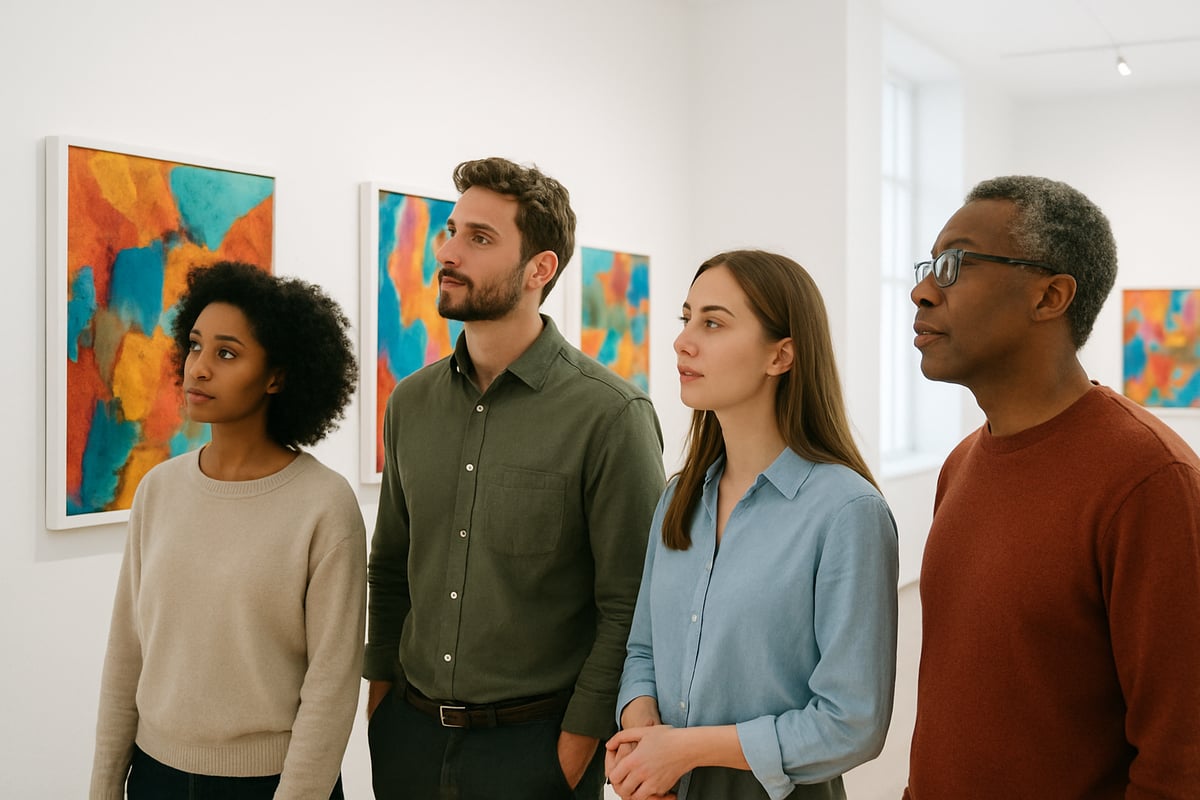
Recent research reveals a direct connection between viewing art pictures and enhanced creative thinking. Studies have shown that exposure to visual art stimulates areas of the brain responsible for imagination, focus, and emotional processing. For example, color and form in art pictures can activate neural pathways that support divergent thinking.
One notable study on brain networks for visual creativity found that planning and viewing art activates both the default mode and executive control networks, promoting flexible problem-solving. Additionally, engaging with art pictures is proven to reduce stress and improve concentration, making it a powerful tool for anyone seeking innovation.
Art as a Universal Language
Art pictures transcend spoken language, allowing people from different backgrounds to connect through shared visual experiences. Throughout history, global art movements have inspired cross-cultural dialogue and creative exchange. For instance, Impressionism influenced Japanese woodblock artists, while street art in one city often sparks trends worldwide.
By presenting stories and emotions without words, art pictures foster empathy and invite fresh perspectives. This universal appeal helps break down cultural barriers, making art a bridge between communities and generations.
Trends in Art for 2026
The landscape of art pictures is rapidly evolving as we approach 2026. Emerging styles like digital surrealism, AI-generated imagery, and eco-conscious art are gaining momentum. Technology is transforming how artists create and how audiences interact with art pictures, from immersive virtual galleries to interactive installations.
Art experts and platforms forecast growth in multisensory experiences, with AI-driven content and sustainable materials at the forefront. These trends signal a future where art pictures are more accessible, experimental, and responsive to environmental concerns.
How to Use Art Pictures for Creative Inspiration
Harnessing the power of art pictures in your daily routine can spark fresh ideas and unlock new solutions. Try creating mood boards that feature inspiring art pictures to set the tone for projects. Consider a daily ritual of viewing different styles to keep your mind flexible and receptive.
Many artists and designers report that collaborative brainstorming sessions using art pictures as prompts lead to breakthrough concepts. Curate your own collection of art pictures—whether digital or physical—and update it regularly to maintain a steady flow of creative energy.
7 Stunning Art Pictures to Inspire Your Creativity in 2026
Imagine walking through a gallery where each work tells its own story, inviting you to see the world anew. The following seven art pictures are more than just visuals—they are gateways to fresh ideas, new perspectives, and boundless inspiration for 2026. Explore each style and let your creativity take flight.
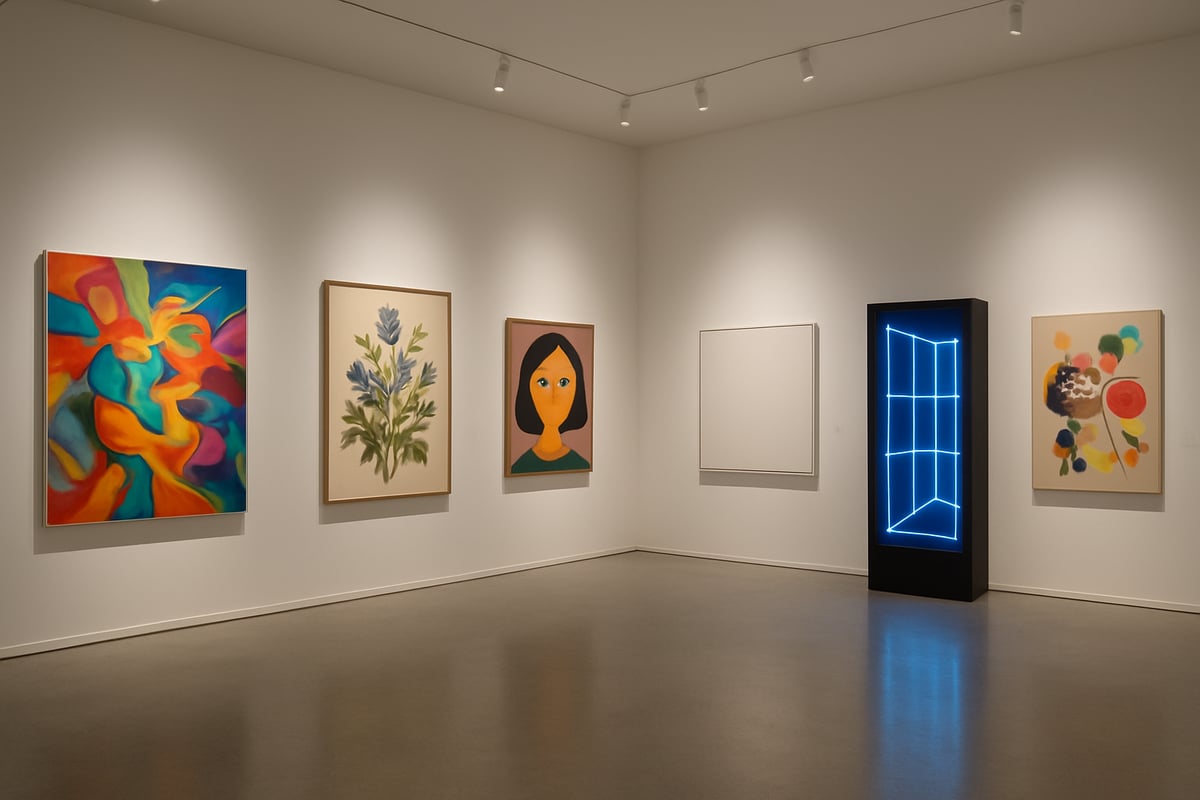
1. Abstract Energy: Vivid Color Explosions
Step into a world where color dances and form dissolves. Abstract art pictures like these captivate with bold hues and energetic brushwork, offering a sense of movement and possibility. Vivid reds, electric blues, and radiant yellows swirl together, creating a visual symphony that breaks free from traditional boundaries.
Abstract forms challenge the mind to interpret meaning, sparking creativity by forcing us to look beyond the obvious. Studies show that exposure to abstract art stimulates the brain's associative regions, unlocking unconventional thinking. Many designers turn to abstract art pictures when facing creative blocks, using their unpredictable patterns as a springboard for fresh ideas.
Color psychology plays a crucial role here. For example, blue tones often evoke calm and focus, while reds can energize and invigorate. According to data from Unsplash, searches for abstract art pictures increased by 30% between 2024 and 2025, reflecting a growing appetite for expressive visuals. Artists like Mark Rothko and contemporary creators continue to push this style forward, making it a staple in modern creative toolkits.
Curate your own selection of abstract blue art pictures to inspire your workspace or next project. Try incorporating abstract visuals into mood boards or presentations to add energy and clarity.
2. Urban Dreamscapes: Surreal City Visions
Imagine city skylines that twist and stretch into impossible forms, blending reality with dream. Urban-inspired art pictures in 2026 often use photo-collage, digital manipulation, and perspective distortion to create surreal cityscapes. These images challenge viewers to reconsider what is possible in urban design and daily life.
Surreal urban art pictures are on the rise, with platforms reporting a 25% increase in uploads of city-themed digital works. Artists use layered textures, floating buildings, and unexpected light sources to evoke both hope and anxiety about the future. Such art pictures reflect shifting societal values and the complex emotions tied to metropolitan living.
For a creative boost, try using city-inspired art pictures as prompts in brainstorming sessions. Imagine how a city might look if dreams shaped its architecture. Notable collectives like TeamLab and artists such as James McDonald are known for their innovative approaches in this genre. Urban dreamscapes remind us that even familiar places can become extraordinary with a shift in perspective.
3. Botanical Wonders: Nature-Inspired Masterpieces
Dive into the lush world of botanical art pictures, where every leaf and petal is rendered in exquisite detail. These works celebrate the intricate beauty of nature, offering a tranquil escape from digital overload. Detailed paintings and high-resolution photographs of plants and flowers can rejuvenate the mind and enhance creativity.
Research on biophilic design shows that viewing nature art pictures reduces stress and improves focus in workspaces. The trend of eco-conscious art is also growing, with artists using sustainable materials and natural palettes. In 2026, expect to see more creators merging scientific illustration with artistic expression to highlight biodiversity.
Real-life examples include artists who blend microscopy with painting or use recycled materials for botanical collages. To refresh your creative energy, curate a collection of botanical and floral art prints for your home or office. Use these art pictures as inspiration for color schemes, patterns, or simply to reconnect with the natural world.
4. Portraits with a Twist: The Human Element Reimagined
Portrait art pictures in 2026 go far beyond traditional likenesses. Artists experiment with unexpected color palettes, bold compositions, and mixed media to reveal layers of personality and emotion. The result is a dynamic genre that reimagines the human element in surprising ways.
Digital tools and AI have made it easier for creators to manipulate faces and features, leading to a resurgence of expressive, unconventional portraiture. According to social platform data, unique portrait art pictures receive up to 40% more engagement compared to standard photos. These works invite viewers to explore identity and narrative through a new lens.
To spark your own projects, use portrait art pictures as prompts for character development or self-reflection exercises. Notable contemporary portrait artists include Toyin Ojih Odutola and Kehinde Wiley, both known for their inventive approaches. Portraits with a twist remind us that every face tells a story, and every story can be retold in infinite ways.
5. Minimalist Marvels: The Power of Simplicity
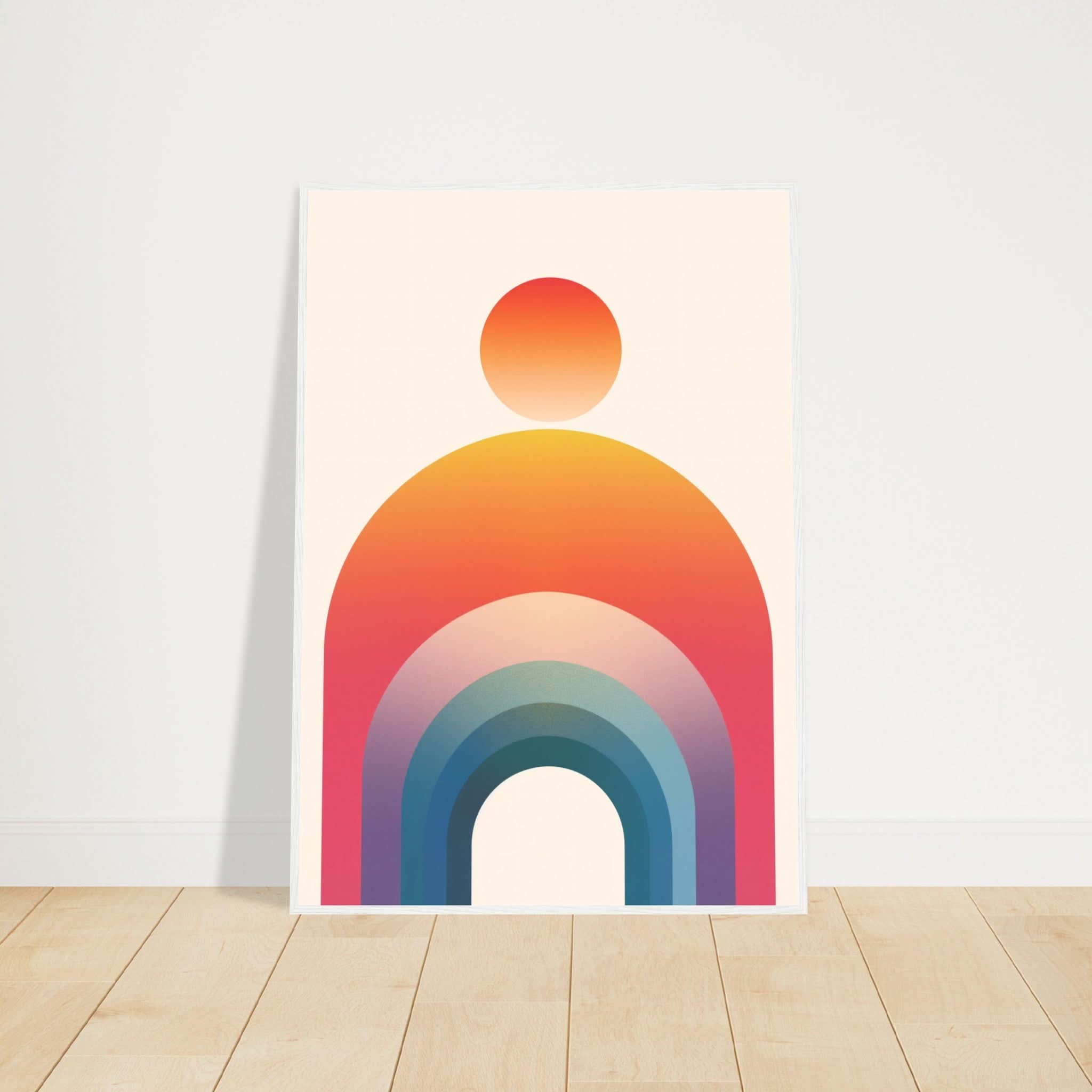
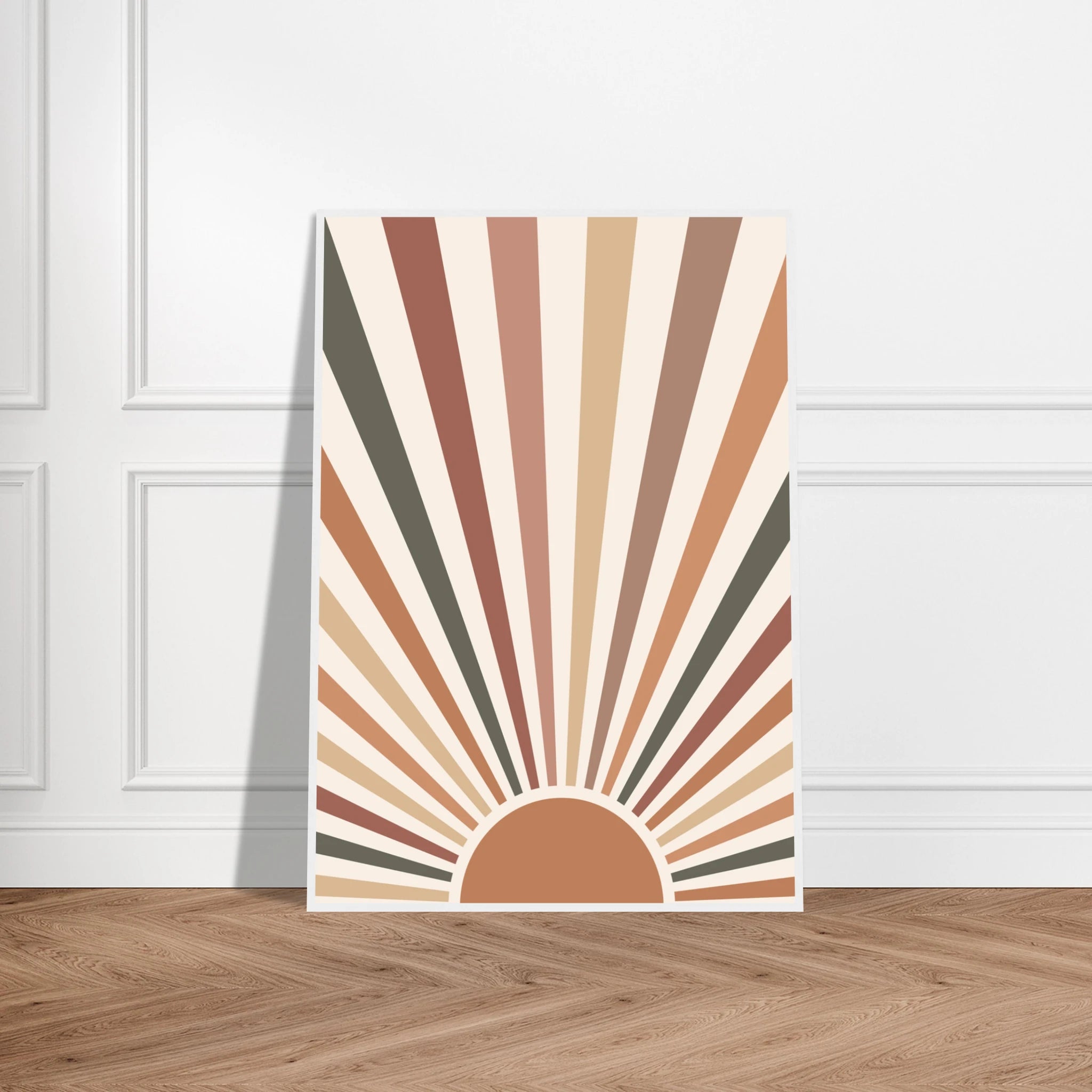
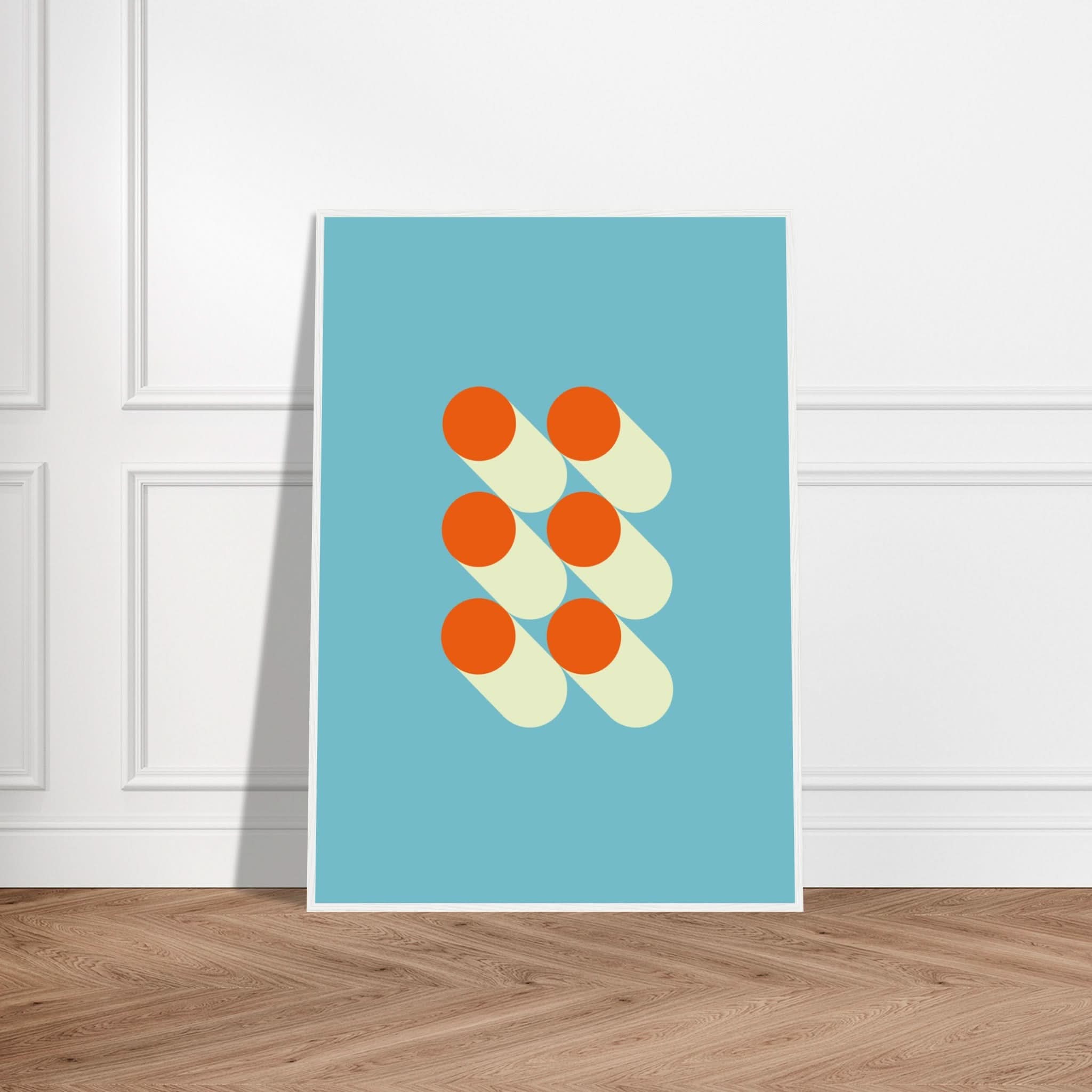
Minimalist art pictures demonstrate the elegance of restraint. A single black line across a white canvas or a carefully balanced composition of shapes can evoke deep emotion and contemplation. The less is more philosophy is especially relevant in today’s fast-paced, information-heavy world.
Minimalist art pictures help clear mental clutter, allowing viewers to focus on essential ideas and forms. Data from interior design studies show that minimalist art contributes to a sense of calm and order, with 60% of surveyed professionals recommending it for creative spaces. Brands and creators often use minimalist visuals to convey powerful messages with subtlety.
Try creating your own minimalist mood board or use minimalist art pictures as prompts for writing or design exercises. Influential minimalist artists like Agnes Martin and Donald Judd continue to inspire with their disciplined, thoughtful approach. Simplicity, as these works show, can be a powerful catalyst for innovation.
6. Whimsical Collage: Playful Mixed Media Creations
Whimsical collage art pictures burst with creativity, combining illustration, photography, and found objects into vibrant compositions. Mixed media encourages experimentation, inviting creators to break boundaries and explore new techniques.
The resurgence of analog collage and DIY art movements, especially among Gen Z and Millennials, is evident in the growing popularity of collage art pictures on platforms like Instagram and Pinterest. Artists use collage to address social issues, personal narratives, or simply to play with visual storytelling.
To spark fresh ideas, try assembling your own collage from magazines, photos, or digital elements. Use collage art pictures as a tool for brainstorming or to develop mood boards for larger projects. Online communities like Collage Collective Co. support artists sharing their creations and techniques. Whimsical collage reminds us that creativity thrives when we embrace playfulness and surprise.
7. Futuristic Visions: AI and Digital Art Innovations
The future of art pictures lies at the intersection of technology and imagination. AI-generated and digitally enhanced works are expanding the boundaries of what is possible in visual art. These futuristic pieces often feature surreal landscapes, generative patterns, and data-driven designs.
Technology is not just a tool but a collaborator, enabling artists to explore new forms of expression and interaction. According to industry statistics, the adoption of digital art tools has doubled since 2024, with more creators embracing AI for both inspiration and production. Ethical debates continue about authorship and originality, but the opportunities for innovation are vast.
Look to pioneers like Refik Anadol's AI-generated art, whose immersive installations redefine the relationship between data and creativity. Experiment with digital art platforms or generative design tools to create your own futuristic art pictures. This genre invites us to imagine not just what art is, but what it could become.
Where to Find and Curate Stunning Art Pictures in 2026
Discovering and organizing art pictures in 2026 has never been easier or more inspiring. With countless resources at your fingertips, you can curate a collection that fuels your creativity every day. Whether you prefer classic masterpieces, contemporary digital works, or niche collections, the right platforms and strategies make all the difference.
Top Online Resources for Art Inspiration
When searching for art pictures, reputable platforms are essential. Leading sites such as Unsplash, Behance, and DeviantArt provide vast libraries of high-resolution images, from emerging artists to established names. Museum digital archives, like those from the Met or the Louvre, offer access to classic works.
Here’s a quick comparison:
| Platform | Free/Paid | Focus | Copyright-Friendly |
|---|---|---|---|
| Unsplash | Free | Photography, digital | Yes |
| Behance | Free/Paid | Professional portfolios | Yes |
| DeviantArt | Free/Paid | Illustrations, mixed | Varies |
| Museum Sites | Free | Historical works | Yes |
Free sources are great for personal use, while paid platforms often provide exclusive or higher-quality art pictures for commercial projects. When selecting images, always check licenses and attribution requirements. For insight into how trends are shaping the availability and style of art pictures, explore Adobe's 2026 Creative Trends forecast.
Building Your Personal Art Collection
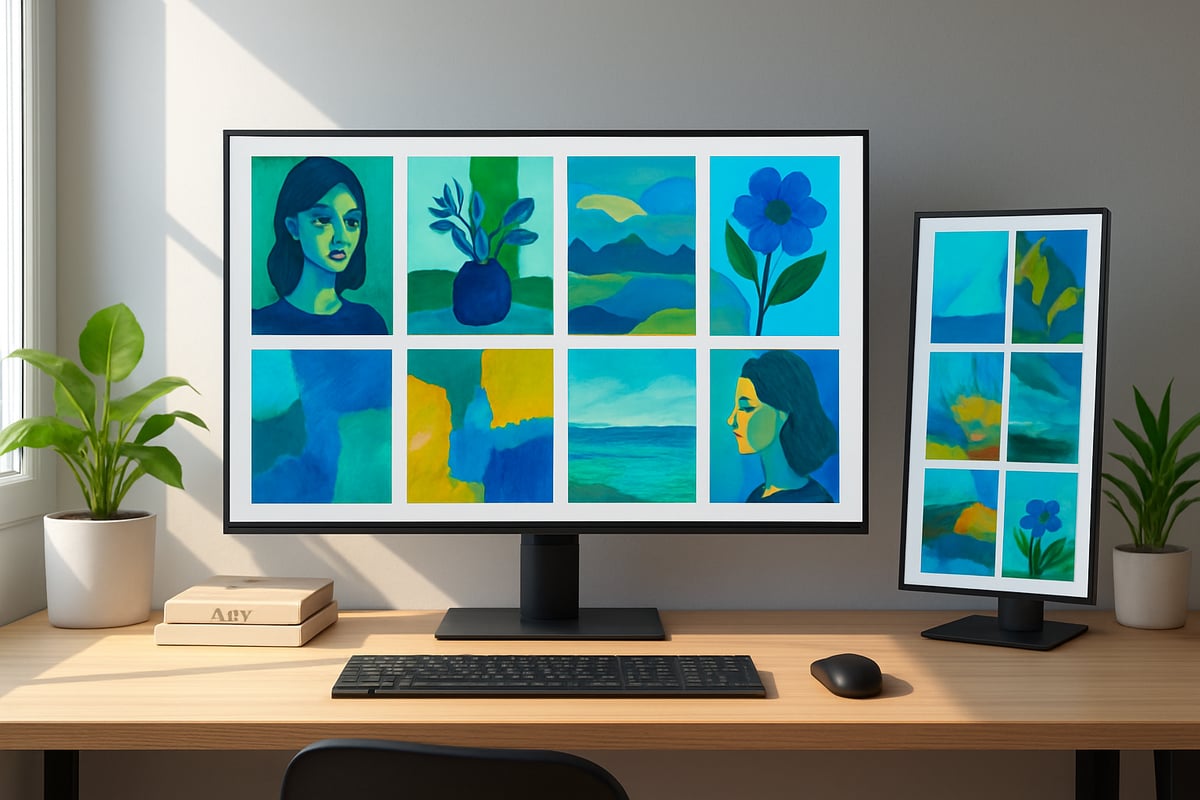
Curating your own library of art pictures can boost your creative process. Start by saving favorites into categorized folders based on themes, moods, or projects. Digital tools like Pinterest, Milanote, and Google Drive make it easy to create mood boards and inspiration libraries.
Organize your art pictures by tagging them with keywords, dates, and sources. Set a regular schedule to update your collection, ensuring a fresh stream of inspiration. Consider using apps that offer cloud sync and collaboration features, so you can access your art pictures anywhere and share them with your creative team.
Supporting Artists and Responsible Sharing
Respecting creators is crucial when using art pictures. Always credit artists, especially when sharing their work online or using it in presentations. Many platforms provide clear guidelines on how to attribute images properly.
Support artists directly by purchasing prints, subscribing to their portfolios, or sharing positive feedback. Leaving reviews and testimonials, as found on Muralla art reviews and testimonials, can also encourage and uplift creators. Recent data shows that direct support not only benefits artists financially but also fosters a vibrant, innovative art community.
Incorporating Art in Daily Life and Workspaces
Bringing art pictures into your environment transforms ordinary spaces into hubs of creativity. Display framed prints at home, set digital slideshows in offices, or use rotating art walls in studios for a fresh perspective. Many businesses report increased productivity and morale when art is integrated into workspaces.
Consider swapping out art pictures seasonally or thematically to maintain visual interest. Even a single striking image can spark new ideas and conversations. By curating and displaying art pictures intentionally, you create an atmosphere that continually inspires.