



The Essential Art Shop Guide for Beginners (2025)
Embarking on your creative journey is both exhilarating and daunting, especially when the world of the art shop presents so many choices. For beginners, navigating aisles filled with colorful supplies and unfamiliar tools can feel overwhelming.
This essential guide is designed to demystify the art shop experience for anyone starting out in 2025. Here, you will discover how to pinpoint your artistic goals, explore different types of art shops, and select the best materials for your needs.
We will walk you through comparing prices, understanding product quality, and making confident decisions. By the end, you will feel prepared and inspired to begin shopping for your first set of art supplies.
Let this guide be your trusted companion as you take your first steps into the vibrant world of art.
Understanding Your Artistic Needs
Embarking on your creative path starts with understanding what you truly need from an art shop. Before you make your first purchase, taking time to clarify your goals, skill level, interests, and workspace will help you make confident, cost-effective decisions.

Assessing Your Artistic Goals
Start by defining what you want to create. Are you drawn to painting, sketching, digital illustration, or a mix of mediums? Your preferences will guide your journey through the art shop, ensuring you select tools that match your vision.
For instance, if you love sketching, focus on pencils and quality paper. If painting excites you, prioritize brushes, paints, and canvases. Each discipline has its own essential supplies, and identifying your goals early helps prevent unnecessary purchases.
Identifying Skill Level and Budget
As a beginner, navigating an art shop can be overwhelming, especially with so many advanced products on display. It is wise to start with quality basics rather than splurging on professional-grade materials right away.
Consider this table outlining typical starter kit costs:
| Kit Type | Approximate Price (USD) | Included Items |
|---|---|---|
| Drawing Starter | $20–$35 | Pencils, eraser, sketchbook |
| Painting Starter | $30–$50 | Brushes, paints, small canvas set |
| Mixed Media | $40–$60 | Adhesives, papers, basic tools |
Selecting the right kit for your skill level ensures a smooth introduction to the art shop experience without exceeding your budget.
Exploring Popular Art Styles and Techniques
Art trends evolve, and 2025 brings a focus on mixed media, digital creations, and eco-friendly practices. Your preferred style will shape your art shop shopping list.
A recent survey found that 60% of beginners opt for mixed media, blending traditional and digital techniques. If this resonates with you, look for versatile supplies such as multi-surface paper, water-based markers, and portable tablets. Staying aware of current styles helps you choose tools that align with your creative ambitions.
Setting Up Your Creative Space
Your workspace directly impacts what you should buy at the art shop. If you live in a small apartment, seek out space-saving solutions, such as folding tables or portable easels.
Compact storage bins and organizers can keep your supplies accessible and tidy. For those with limited space, consider travel-sized sketchbooks and collapsible brush sets. Thoughtful organization makes it easier to enjoy your art practice without clutter.
Researching Inspiration and Community
Connecting with other artists online can provide valuable advice before you visit any art shop. Platforms like Reddit’s r/Art and Instagram art challenges are rich sources of tips and feedback.
Community insights often reveal which supplies are worth investing in and which trends are gaining traction. For more in-depth guidance, explore resources like the Artistic shop tips and trends, which covers expert advice and emerging trends to help you make informed choices.
Making a Shopping List
Planning your purchases before stepping into an art shop saves time and reduces impulse buys. A well-structured list ensures you cover the essentials for your chosen medium.
Sample starter shopping lists might include:
- For drawing: graphite pencils, eraser, sketchbook.
- For painting: basic brush set, acrylic paints, canvas pad.
- For mixed media: glue stick, assorted papers, fine liners.
A prepared list streamlines your art shop visit and keeps your focus on what truly matters for your creative growth.
Types of Art Shops and How to Choose
Choosing the right art shop can be a pivotal step for any beginner. The variety of stores and shopping experiences available in 2025 offers more options than ever, but also more decisions. Let’s break down the types of art shops and what you should consider to make your shopping journey smooth and successful.
Brick-and-Mortar vs. Online Art Shops
Deciding between a physical art shop and an online retailer depends on your preferences and needs. Brick-and-mortar stores offer the advantage of seeing and touching art supplies before purchase. You can test pencils, feel paper textures, and ask questions in person.
Online art shop options, on the other hand, provide convenience and a wider selection. Many beginners appreciate the ease of browsing at home, especially with fast shipping. According to recent industry data, there has been a 40% growth in online art supply sales from 2023 to 2024.
Consider what matters most to you: immediate access and tactile experience, or convenience and variety. Each type of art shop has unique benefits for new artists.
Specialty vs. General Art Stores
Specialty art shop retailers focus on specific mediums like printmaking, sculpture, or painting. These stores often carry rare pigments, unique brushes, or niche tools you might not find elsewhere. Their staff usually have deep expertise in their area, which can be invaluable for beginners exploring a particular medium.
General art shop locations, such as craft superstores, offer a wider product range that covers many types of art supplies. They are ideal if you want to experiment with several styles before settling on your favorite. To further help with navigating these choices, check out this artwork shop selection guide for insights on picking the best shop for your needs.
Both types of art shop can serve beginners well, but your choice depends on how specialized your interests are.
Chain Stores vs. Independent Shops
Chain art shop retailers like Michaels or Blick offer competitive prices, frequent sales, and loyalty programs. They are great for stocking up on basics or finding deals on popular items.
Independent art shop owners, however, curate unique selections and often support local artists. You may discover one-of-a-kind supplies or handmade items not available elsewhere. Many local art shop locations also host beginner workshops, giving you a chance to learn and connect with other artists.
Choosing between a chain and an independent art shop depends on whether you value price and convenience or community and unique finds.
Evaluating Customer Service and Expertise
A knowledgeable art shop staff can make a huge difference for beginners. Staff members who understand materials and techniques can recommend the best products for your skill level and goals.
Look for art shops that offer in-store demonstrations or hands-on support. This direct interaction helps demystify unfamiliar materials and boosts your confidence. According to a recent competitor survey, 70% of beginners value staff recommendations when choosing an art shop.
Prioritizing customer service ensures a more personalized and educational art shop visit.
Checking Shop Reviews and Reputation
Before committing to any art shop, research their reputation online. Platforms like Google, Yelp, and Trustpilot are valuable for reading customer experiences. High ratings, consistent inventory, and positive return policies signal a trustworthy art shop.
Be cautious of stores with frequent complaints about missing stock or unclear policies. Shops with 4.5-star ratings or higher tend to see more repeat visits, which is a strong indicator of reliability.
Taking the time to review feedback can save you from disappointment and wasted resources.
Accessibility and Location Factors
Convenience is key when selecting an art shop. Consider the proximity of the shop to your home or studio, as well as its opening hours. A nearby art shop makes it easier to replace supplies or get advice quickly.
If you prefer online shopping, look for art shops that offer fast and reliable shipping. Some retailers provide same-day delivery or curbside pickup, which can be especially helpful for urgent projects.
Balancing accessibility with product range ensures you get the most out of your art shop experience.
How to Buy Wall Art Online
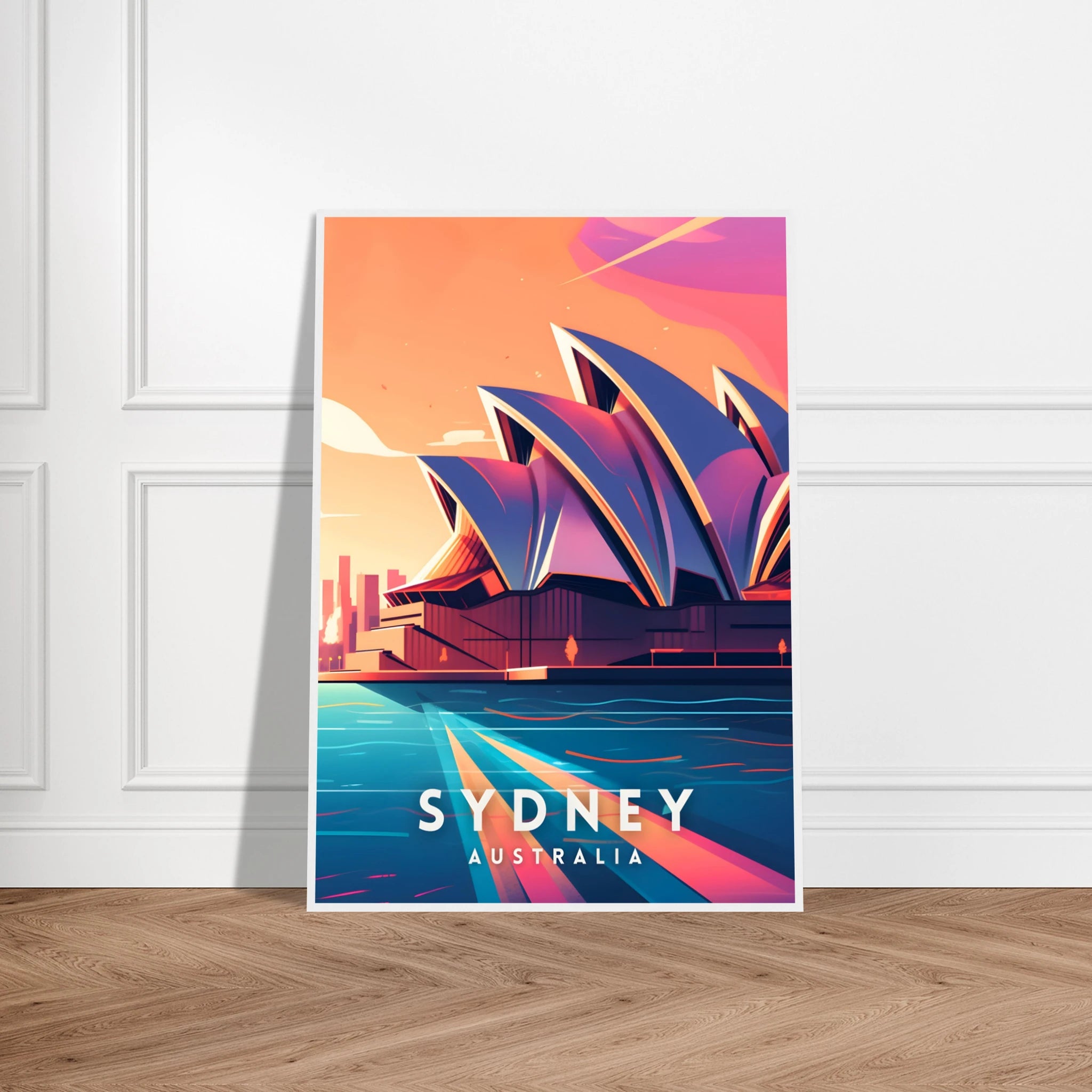
If you’re looking to decorate your space, buying wall art online is an excellent option. Specialized art shop websites curate collections of prints and original works, making it easy to find art that matches your taste and budget.
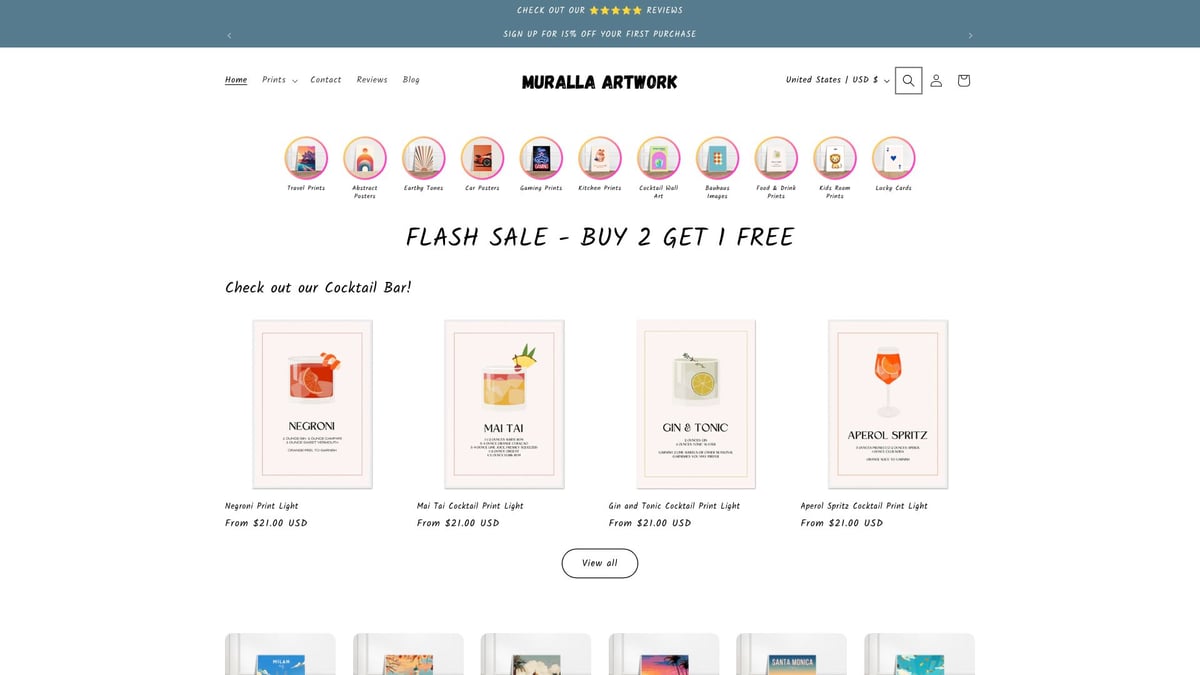
These art shop platforms often feature filters for style, color, and size, streamlining your search. You’ll also benefit from affordable pricing and exclusive selections not found in general stores.
Choosing a dedicated art shop for wall art simplifies the process and guarantees a curated, satisfying shopping experience.
Essential Art Supplies for Beginners
Starting your creative journey is exciting, but stepping into an art shop for the first time can feel overwhelming. Knowing what to look for and which supplies are essential will help you walk in with confidence, make smart choices, and avoid unnecessary purchases. Let us break down the beginner’s toolkit in every art shop so you can focus on creating rather than worrying about what you need.
Must-Have Drawing Supplies
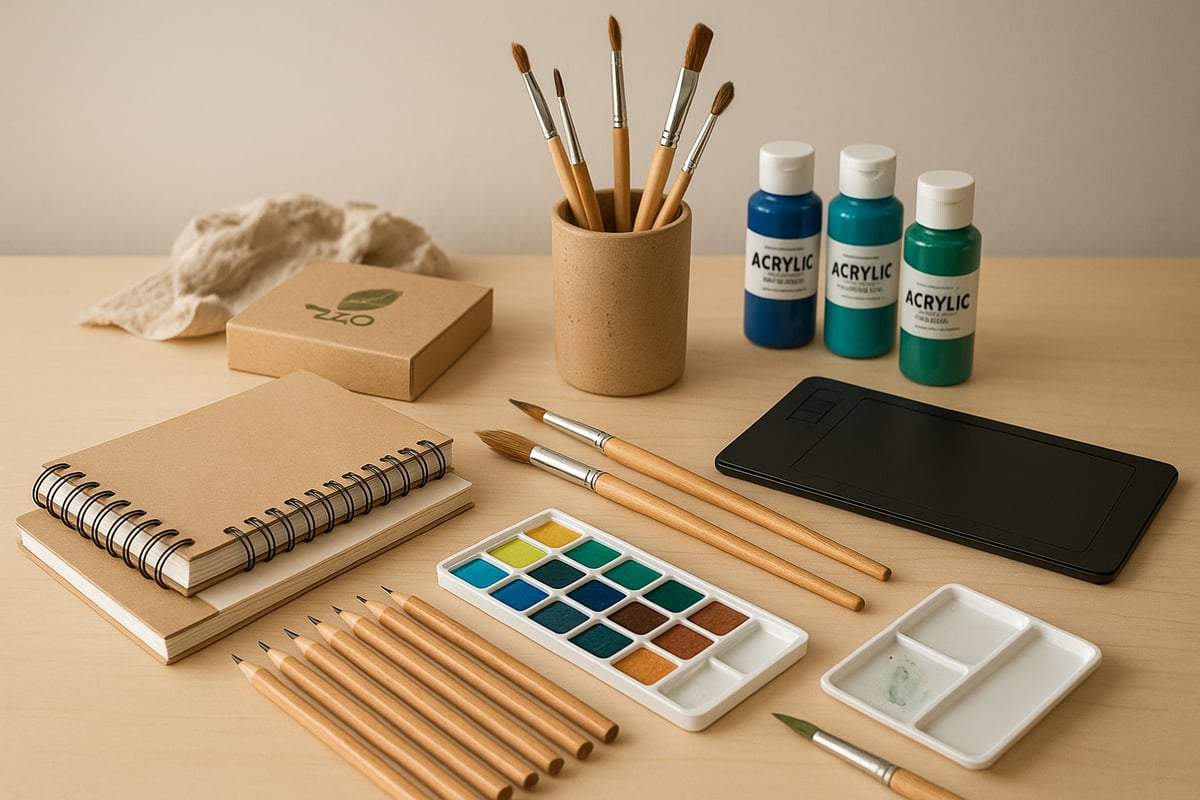
When you step into an art shop as a beginner, drawing supplies are often the first stop. Start with a range of graphite pencils, from soft (6B) to hard (2H), which are perfect for sketching and shading. Pair them with a kneaded eraser and a white plastic eraser for clean correction.
A quality sketchbook is essential. Look for acid-free paper, ideally 70–100gsm, which is versatile for pencil, charcoal, or ink. Brands like Faber-Castell and Staedtler offer reliable beginner sets frequently found in any reputable art shop.
Consider a pencil sharpener and a set of colored pencils to expand your creative options. Keep your toolkit simple, focusing on versatility and comfort rather than quantity. This approach ensures you get the most out of your art shop visits without overspending.
Painting Essentials: Acrylic, Watercolor, Oil
Painting is a major attraction in every art shop, and choosing your medium starts with understanding your preferences. Acrylic paints are beginner-friendly, quick-drying, and easy to clean up, making them the top choice for many new artists in 2024. Watercolors offer delicate washes and are great for portable setups, while oils provide rich, blendable colors but require more setup and ventilation.
Begin with a basic set of paints, three to five brushes in various shapes (flat, round, detail), and a palette for mixing. Look for affordable starter kits that include canvases or watercolor paper. For a deep dive into painting supplies, check out the Painting shop essentials guide for detailed recommendations.
Remember, the art shop staff can help you select brands that balance quality and price, making your first painting experience enjoyable and frustration-free.
Tools for Mixed Media and Collage
Mixed media is becoming increasingly popular, with 60% of beginners exploring it in 2025. An art shop catering to this trend will stock adhesives like glue sticks, gel mediums, and double-sided tape. Scissors, craft knives, and self-healing cutting mats are must-haves for safe and precise work.
Experiment with textured papers, magazine cutouts, and found objects. Many art shops now offer eco-friendly collage kits made from recycled materials, allowing you to build unique pieces without harming the environment.
Starter packs often bundle the basics, making it easy to try new techniques. Embrace the flexibility of mixed media, and do not hesitate to ask your art shop for recommendations on creative supplies.
Digital Art Supplies
Digital art is more accessible than ever, and the modern art shop increasingly stocks digital tools. Entry-level tablets like the Wacom One, XP-Pen, or iPad with Apple Pencil are excellent starting points.
Pair your tablet with beginner-friendly software such as Krita, Autodesk SketchBook, or Procreate. While some art shops focus on traditional supplies, many now offer digital accessories, screen protectors, and styluses.
Start with basic gear and upgrade as your skills grow. Digital art supplies from a well-stocked art shop ensure a smooth transition into this exciting medium.
Surface Choices: Paper, Canvas, Boards
Choosing the right surface can make or break your project. An art shop typically carries a variety of options, and knowing the differences is crucial. For drawing, select smooth or textured sketchbooks. Watercolor artists need thick, 300gsm paper to prevent warping. Acrylic painters benefit from pre-stretched canvases or canvas boards, while mixed media pads handle wet and dry materials.
Here is a quick comparison table:
| Medium | Surface Type | Key Features |
|---|---|---|
| Drawing | Sketchbook | Acid-free, 70–100gsm |
| Watercolor | Watercolor Paper | 300gsm, cold-pressed |
| Acrylic/Oil | Canvas/Board | Pre-primed, sturdy |
| Mixed Media | Mixed Media Pad | Versatile, heavy weight |
Ask your art shop for surface samples if unsure. The right foundation enhances your art and helps you develop your skills with confidence.
Storage and Organization Solutions
A clutter-free workspace starts with smart storage from your art shop. Look for portable cases, pencil rolls, and stackable bins designed for artists. These keep your supplies safe, visible, and easy to access, even in small spaces.
Drawer organizers and desktop caddies are perfect for brushes, paints, and pencils. Some art shops offer modular storage systems that grow with your collection. Prioritize functionality and fit, ensuring your creative area remains inspiring rather than overwhelming.
Organized supplies not only protect your investment but also streamline your creative process every time you visit the art shop.
Safety and Eco-Friendly Options
Safety and sustainability are top priorities in the modern art shop. Choose non-toxic paints, especially if you share your space with children or pets. Eco-friendly products like bamboo brushes, recycled sketchbooks, and plant-based inks are widely available.
Trends show that 35% of new artists seek green alternatives. Look for supplies labeled AP (Approved Product) for safe use. Some art shops highlight their eco ranges and provide recycling programs for empty tubes and containers.
Making mindful choices at the art shop supports both your creativity and the planet’s well-being.
Budgeting and Price Comparison Strategies
Setting a budget for your art shop adventure is the first step toward building your creative toolkit without overspending. Many beginners are surprised by the range of prices, so understanding your needs and prioritizing essentials is vital.
Setting a Realistic Art Supply Budget
Begin by outlining what you want to achieve with your first art shop visit. Are you focusing on drawing, painting, or mixed media? Once you identify your preferred medium, research average starter kit prices.
For example, a basic drawing kit ranges from $20 to $40, while painting sets can start around $30. A well-balanced beginner budget for an art shop typically falls between $50 and $100. This amount covers must-haves without unnecessary extras.
Sample Budget Table
| Item | Price Range ($) |
|---|---|
| Drawing Kit | 20–40 |
| Painting Set | 30–50 |
| Mixed Media Kit | 35–60 |
| Organizer/Storage | 10–25 |
Careful planning helps you get the most from your art shop budget.
Comparing Brands and Product Quality
Choosing between brands is a crucial part of the art shop experience. Premium brands offer longevity and color richness, while student-grade products are more affordable for beginners.
When comparing options, look for reviews and industry insights. According to the Global Art Supplies Market Growth, reputable brands remain top choices due to consistent quality and innovative materials.
Consider creating a comparison table:
| Brand | Price | Quality Level | Best For |
|---|---|---|---|
| Faber-Castell | $$ | High | Beginners |
| Prismacolor | $$ | High | Color work |
| Generic Brand | $ | Medium | Practice |
Investing in artist-grade supplies from an art shop pays off as your skills grow.
Utilizing Sales, Discounts, and Loyalty Programs
Maximize your art shop budget by timing purchases around seasonal sales. Back-to-school periods, holiday promotions, and annual clearance events often feature significant discounts.
Many art shops offer loyalty programs where you earn rewards on every purchase. Sign up for store newsletters to receive exclusive coupons. On average, artists save up to 25 percent during major sales, making it easier to stretch your budget further.
Bulk buying or joining a loyalty program can help you access quality supplies at lower prices.
Buying in Bulk vs. Individual Purchases
A common question for new artists is whether to buy in bulk or stick to individual items at the art shop. Bulk packs, such as multi-brush sets or paper bundles, typically offer better value per item. However, avoid overcommitting to supplies you may not use.
Pros of Bulk Buying:
- Lower cost per item
- Fewer shopping trips
Cons:
- Higher upfront cost
- Storage challenges
For most beginners, starting with a few essentials from the art shop, then expanding as needed, strikes the right balance.
Second-Hand and Upcycled Art Supplies
Exploring second-hand options can make your art shop journey both affordable and sustainable. Local swap groups, online marketplaces, and even community centers often have gently used materials at a fraction of retail cost.
Sustainability is a growing trend, with many artists seeking eco-friendly choices. According to Eco-Friendly Art Supply Trends 2025, upcycled and green materials are more accessible than ever. This approach not only reduces waste but also adds unique character to your art supplies.
Tracking Spending and Avoiding Overbuying
Keep your art shop spending on track by using budgeting apps or simple spreadsheets. List all purchases, categorize them by type, and review your spending monthly.
Prioritize essentials before splurging on specialty items. Many beginners benefit from free budgeting templates designed for artists, helping you stay organized and focused. Tracking your art shop expenses ensures you invest wisely and avoid clutter.
Making the Most of Your Art Shop Experience
Exploring an art shop for the first time can be an inspiring milestone. To truly benefit from each visit, it pays to use every available resource, build relationships, and stay informed about the art supply landscape. Here is how you can maximize your art shop experience as a beginner.
Building Relationships with Shop Staff
Forming a genuine connection with art shop staff can transform your shopping experience. Knowledgeable staff often provide tailored advice, helping you avoid common beginner mistakes. They can alert you to new arrivals, recommend supplies based on your goals, and even offer tips on techniques.
Many art shop employees are artists themselves, so do not hesitate to ask questions. Their insights can save you time and money.
Attending In-Store Events and Workshops
Participating in workshops or demonstrations hosted by your local art shop is invaluable. These events offer hands-on learning opportunities, enabling you to test products before making a purchase. Beginners often find confidence and inspiration by watching live demonstrations or joining group classes.
Some art shops also host artist talks or portfolio reviews, creating a supportive community for newcomers.
Leveraging Online Resources and Tutorials
The modern art shop experience extends online. Many shops provide digital tutorials, product reviews, and supply guides. Platforms like YouTube and art blogs are rich with step-by-step instructions for beginners. For example, you can explore the Poster art shop guide to learn about selecting prints and poster art, which complements your in-store discoveries.
By combining in-person advice with online learning, you will make more informed decisions on your art journey.
Understanding Return Policies and Warranties
Before finalizing a purchase at any art shop, check their return and warranty policies. Flexible return options are essential for beginners experimenting with new mediums or brands. Some stores offer satisfaction guarantees or exchanges for unused items.
Clear policies provide peace of mind, letting you focus on creativity rather than buyer’s remorse.
Joining Art Loyalty Programs and Communities
Many art shop retailers reward loyal customers with exclusive discounts, points systems, or early access to new products. Signing up for these programs can save you money over time.
Additionally, joining store-sponsored art communities or forums opens doors to peer support, collaborative projects, and special events.
Staying Updated on Art Trends and New Products
To keep your art shop experience fresh, stay informed about industry trends and new product launches. Following shop newsletters and social media channels helps you discover trending supplies and techniques.
You may also consult industry resources and market reports to understand broader shifts in art supplies and consumer preferences. This awareness ensures that your toolkit evolves with your artistic ambitions.
Documenting Your Art Shopping Journey
Keep a journal or digital log of your art shop purchases and creative progress. Recording what you buy, what you use most, and where you found the best deals helps you refine your shopping strategy.
Over time, this habit will highlight your growth and make each art shop visit more purposeful.