


Art to Print Guide: Your Creative Blueprint for 2025
Are you ready to turn your creative ideas into beautiful works that people can hold and display? The art to print journey in 2025 is filled with new opportunities, whether you are an artist, designer, or passionate collector.
This guide will walk you through every step, from preparing your art to choosing the perfect print materials. You will discover the latest trends, learn about cutting-edge print technology, and get practical advice for selling your prints.
Unlock the full potential of your creativity and let your artwork shine in the real world.
Understanding the Art-to-Print Landscape in 2025
The art to print world is evolving rapidly in 2025, creating exciting opportunities for artists, designers, and collectors. Whether you want to turn your original artwork into high-quality prints or explore new market trends, understanding this landscape is the first step toward success.
Key Trends Shaping Art Prints in 2025
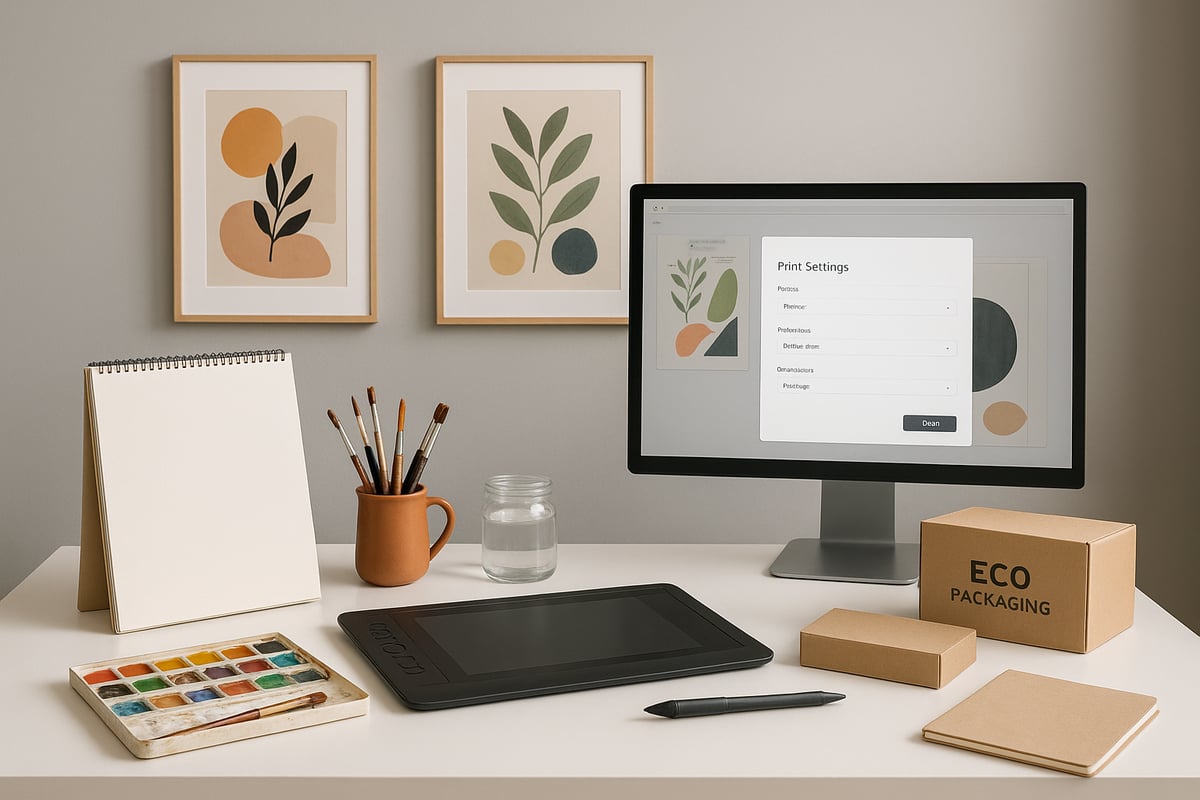
In 2025, the art to print industry is driven by personalization and sustainability. Consumers increasingly seek unique, customizable prints that reflect their tastes. Eco-friendly materials and sustainable printing practices are now standard expectations, while artists blend digital and traditional media for innovative results.
Limited edition and exclusive print runs are more popular than ever, giving buyers a sense of rarity. Social media and online art communities help trends spread at lightning speed. For a deeper dive into what’s influencing this year’s market, check out the 2025 Wall Art Trends.
Popular Styles and Subjects for Prints
When it comes to art to print, abstract, minimalist, and maximalist designs lead the way. Nature-inspired and botanical themes remain favorites for home décor. Retro, vintage, and pop culture motifs are seeing a resurgence, appealing to a broad audience.
Market data shows that 65 percent of 2024’s best-selling prints featured abstract or botanical motifs. This shift highlights the importance of staying current with both style and subject matter, ensuring your prints resonate with buyers.
The Print Market: Opportunities & Challenges
The art to print market is expanding thanks to robust e-commerce platforms. Artists can showcase and sell prints globally through sites like Etsy and Shopify. However, this growth brings increased competition and market saturation.
To stand out, many creators focus on niche or micro-niche markets. For example, small artists find success by targeting specific interests or communities. Adapting quickly to market shifts is essential for long-term growth in this dynamic environment.
Who Should Consider Printing Their Art?
The art to print process offers benefits for a wide range of creators. Professional and hobbyist artists, designers, illustrators, and photographers can all unlock new revenue streams by offering prints. Home décor enthusiasts and interior designers also use art prints to personalize living spaces.
An industry survey in 2024 found that 78 percent of artists saw increased income from print sales. By joining this growing movement, you can broaden your reach and connect with new audiences.
What Makes Art “Print-Ready” in 2025?
For successful art to print projects, your files must be high-resolution, at least 300 DPI for crisp results. Accurate color profiles, such as sRGB or Adobe RGB, ensure your prints look true to life. Clean, scalable artwork is essential to avoid pixelation or loss of detail.
For example, vector-based illustrator files are ideal, while scanned watercolor paintings should be carefully digitized and retouched. Meeting these technical standards guarantees your art is truly print-ready and marketable.
Step-by-Step: Preparing Your Artwork for Print
Turning your creative work from concept into a professional, print-ready masterpiece requires precision and planning. The art to print process in 2025 is more accessible than ever, yet it demands careful attention to detail at every stage. Let’s break down each step so you can confidently bring your vision to life.
Digitizing Your Artwork
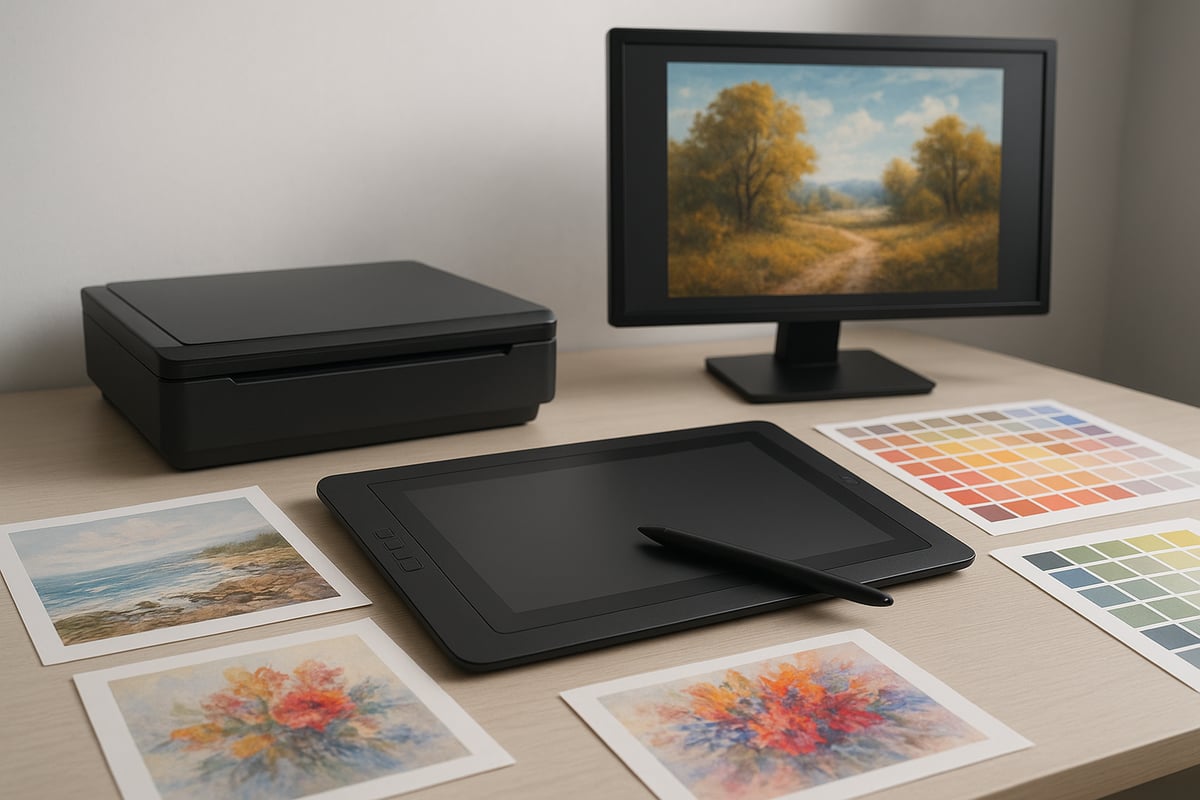
The first step in the art to print journey is turning your physical or digital creations into high-fidelity digital files. For traditional pieces, use a flatbed scanner with at least 600 DPI optical resolution to capture fine details. If your work is larger than the scanner bed, photograph it with a camera featuring a minimum of 24MP and high dynamic range.
Ensure even, natural lighting to avoid color shifts or shadows. Position your artwork flat, and use a tripod to maintain a consistent angle. For digital artists, export your final piece at the highest possible resolution.
For a more detailed walkthrough, you can consult the Artwork for Printing Guide to optimize your art to print workflow.
Editing and Enhancing Digital Files
Once digitized, your next task is to refine the artwork for flawless results. Use professional editing software such as Adobe Photoshop or Procreate. Begin by color correcting to match the original piece, adjusting brightness, contrast, and saturation.
Remove unwanted backgrounds or imperfections using selection tools and healing brushes. For line art, increase the sharpness and clean up any smudges. Retouch dust or stray marks, especially if scanning traditional art.
Accurate editing ensures your art to print project maintains professional quality and reflects your creative intent.
Understanding Resolution, Size, and Aspect Ratios
Print clarity depends on meeting or exceeding industry standards for resolution and sizing. Always work with files at 300 DPI or higher for most art to print applications, including posters, fine art prints, and canvases.
Choose common aspect ratios such as 2:3, 3:4, or square for easy framing and versatile display options. Use the table below as a quick reference:
| Print Size (inches) | DPI | Aspect Ratio |
|---|---|---|
| 8 x 10 | 300 | 4:5 |
| 12 x 18 | 300 | 2:3 |
| 16 x 20 | 300 | 4:5 |
Accurate sizing prevents distortion and ensures your art to print project looks crisp at every dimension.
Color Management and Proofing
Color accuracy is vital in the art to print process. Begin by working in RGB for digital editing, then convert to CMYK for print output. Calibrate your monitor regularly to ensure colors appear true to life.
Use soft proofing features within your editing software to preview how your artwork will look once printed. Always order a physical test print before committing to a full run. This step helps verify that your art to print colors remain consistent from screen to paper.
File Formats and Exporting Best Practices
Choosing the right file format is key for maintaining detail and color fidelity. For most professional art to print needs, export your files as TIFF or PNG for lossless quality. JPEGs are suitable for smaller prints but may introduce compression artifacts.
Set your export resolution to 300 DPI and include bleed areas if your printer requires them. Adjust export settings based on your chosen printing method, such as giclée or screen printing.
A well-prepared file streamlines the art to print process and reduces the risk of printing errors.
Avoiding Common Mistakes
Even experienced artists can encounter pitfalls when preparing art to print. Avoid over-compressing files, which can result in visible loss of detail. Always check for bleed and trim areas to prevent accidental cropping of essential elements.
Inspect your artwork at 100 percent zoom to spot hidden dust, artifacts, or color shifts. Save a backup copy before making final adjustments, and review your file against the printer’s technical requirements.
Taking these precautions ensures your art to print results meet the highest standards and delight your audience.
Choosing the Right Printing Methods and Materials
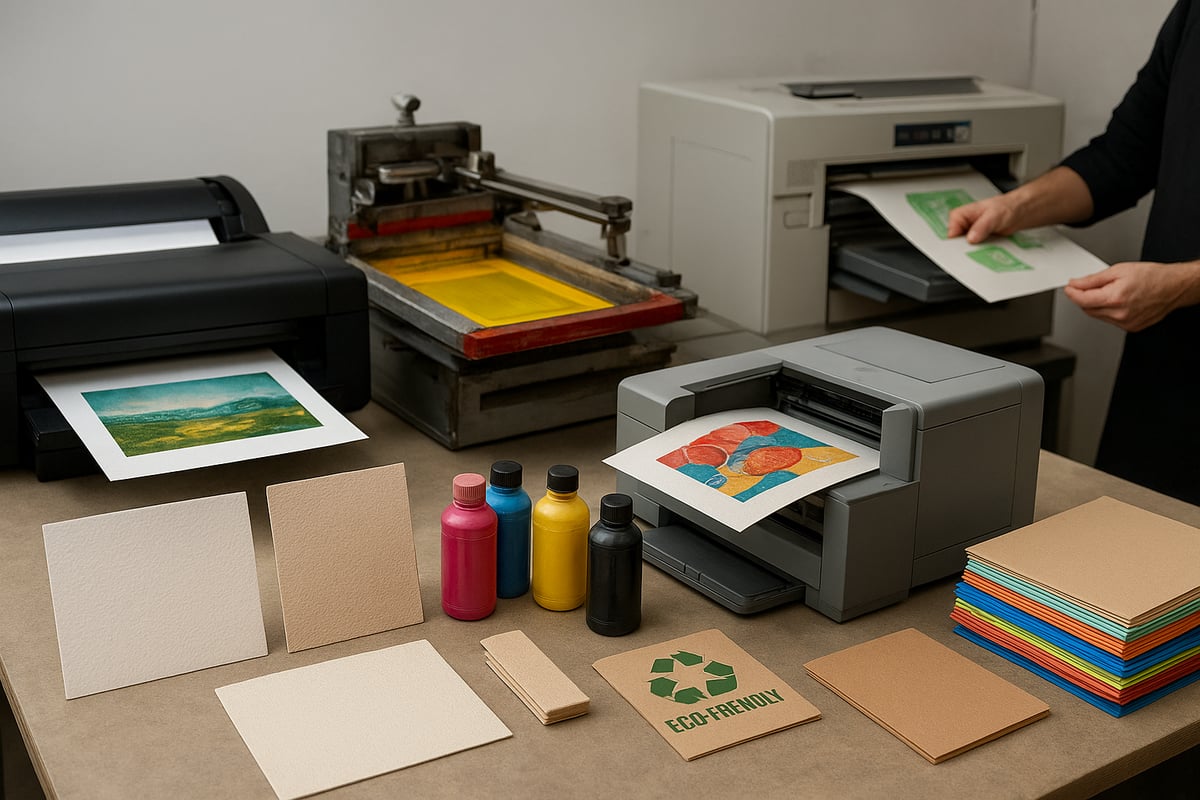
Selecting the ideal printing technique and materials is a critical part of the art to print journey. The right choices can elevate your work, ensuring it looks exceptional and stands the test of time. Let us break down the top options and considerations for 2025.
Overview of Printing Techniques
In 2025, artists have a range of art to print methods to choose from. Giclée printing offers museum-quality results with vibrant colors and fine details, making it ideal for fine art reproductions. Screen printing excels at bold, graphic designs and allows for unique textures.
Digital printing is fast, flexible, and cost-effective for short runs, while risograph printing is prized for its retro aesthetic and eco-friendly inks. Each method suits different needs:
| Technique | Pros | Cons | Best For |
|---|---|---|---|
| Giclée | High detail, color accuracy | Higher cost per print | Fine art, photography |
| Screen Print | Texture, vivid colors | Setup cost, limited detail | Posters, bold graphics |
| Digital | Quick, affordable | Less texture, color range | Small runs, illustrations |
| Risograph | Eco-friendly, unique look | Limited colors, registration | Indie art, zines |
If you want a broader understanding of foundational methods and terminology, the Posters and Prints Overview is a helpful resource for learning about the art to print landscape.
Selecting the Best Paper and Canvas Types
Choosing the right surface is essential for bringing your art to print vision to life. Matte papers reduce glare and suit subtle, detailed work. Glossy finishes enhance colors and contrast, perfect for vibrant photography.
For longevity, archival-quality papers and canvases are the gold standard. These materials resist fading and yellowing, preserving prints for decades. According to print industry analysis, 80 percent of high-end prints use archival paper.
Key options include:
- Watercolor paper: Textured, ideal for traditional media.
- Smooth fine art paper: Great for digital illustrations and photography.
- Premium canvas: Adds depth and tactile appeal, perfect for paintings.
The art to print process benefits from matching your medium to the right substrate, ensuring both visual impact and durability.
Specialty Materials and Finishes for 2025
Innovation is transforming the art to print space. Artists are now using metallic, textured, and recycled papers to create standout pieces. These materials bring unique visual and tactile qualities that attract collectors and eco-conscious buyers.
UV-resistant inks and coatings protect prints from sunlight, keeping colors true over time. Sustainable bamboo and hemp papers are gaining popularity for their low environmental impact.
Consider these specialty options:
- Metallic paper: Adds shimmer and depth to modern art to print projects.
- Textured stocks: Mimic canvas or handmade papers for a tactile finish.
- Recycled and sustainable papers: Appeal to environmentally aware audiences.
Choosing the right specialty material can help your art to print work stand out in a crowded market.
Cost Considerations and Budgeting
Budgeting for art to print projects requires balancing quality with affordability. Small print runs are costlier per piece, while larger runs reduce the unit price but require higher upfront investment.
In 2024, average costs ranged from 10 to 35 dollars per print, depending on materials and method. Giclée prints tend to be pricier but offer superior quality, while digital prints are more economical for short runs.
Tips for managing costs:
- Compare quotes from multiple printers.
- Choose substrates and finishes that fit your target market.
- Plan editions and print quantities based on demand.
Understanding these factors will help you set realistic goals for your art to print business.
Working with Professional Print Shops vs. DIY Printing
Deciding between professional print shops and DIY printing is a key step in the art to print process. Professional shops offer consistency, advanced equipment, and expert guidance, ensuring your vision is realized accurately.
DIY printing is viable for small batches, experimentation, or when you want hands-on control. However, it may lack the color fidelity and finish of professional services.
Example scenarios:
- Use a local print shop for gallery-quality limited editions.
- Try online print-on-demand services for global reach and convenience.
- DIY print at home for test runs or zines.
Evaluate your goals, budget, and technical skills to find the best path for your art to print journey.
Selling, Marketing, and Distributing Your Art Prints
Turning your art to print into a successful business in 2025 requires more than just creative talent. It demands strategic branding, smart sales choices, and an understanding of customer needs. Artists who master these essentials can build a loyal following and maximize their earnings in a competitive landscape.
Building a Brand and Online Presence
A strong brand is the foundation for art to print success. Start by crafting a cohesive visual identity, including a memorable logo, consistent color palette, and distinct style across your website and social media. Use Instagram, Pinterest, and TikTok to showcase your creative process, behind-the-scenes content, and finished prints.
Case studies reveal that artists with a unified online presence attract more collectors and collaborations. Engage your audience by sharing stories about your inspiration and techniques. Remember, authenticity builds trust and encourages repeat business.
Choosing the Right Sales Channels
Selecting effective sales platforms is crucial for reaching art to print buyers. Personal websites give you full control over branding and pricing, while marketplaces like Etsy and Saatchi Art offer built-in audiences and global reach. Print-on-demand platforms streamline fulfillment and let you test new designs with minimal upfront costs.
According to the Art Basel and UBS Art Market Report 2025, online art sales continue to rise, with digital engagement shaping purchasing trends. Evaluate each channel’s fees, audience, and logistics to find the best fit for your goals.
Pricing Strategies for 2025
Pricing your art to print collection involves balancing costs, market value, and perceived exclusivity. The cost-plus method calculates price by adding a markup to production and shipping expenses. Value-based pricing considers the uniqueness of your work and customer willingness to pay.
Tiered pricing works well for limited editions, offering standard prints at accessible rates and premium formats at higher prices. Stay informed about industry trends by reviewing resources like Print-on-Demand Industry Trends 2025. Regularly reassess your pricing to stay competitive.
Packaging, Shipping, and Customer Experience
The unboxing experience can set your art to print business apart. Use sturdy, acid-free materials to protect prints during transit. Consider eco-friendly packaging, such as recycled tubes or compostable sleeves, to appeal to environmentally conscious buyers.
Include certificates of authenticity, care instructions, and a thank-you note to create a memorable impression. Offer tracking and insurance options for peace of mind. Exceptional customer service encourages positive reviews and repeat purchases.
Legal Considerations: Copyright and Licensing
Protecting your art to print work is vital. Register your designs with your country’s copyright office to secure legal rights. Understand the difference between exclusive and non-exclusive licenses before selling or collaborating.
Creative Commons licenses can broaden your reach but may limit commercial use. Always clarify terms in writing when partnering with galleries or distributors. Staying proactive with legal safeguards helps preserve your intellectual property and reputation.
Leveraging Customer Feedback and Reviews
Reviews are essential for building credibility in the art to print market. Encourage buyers to share their experiences through follow-up emails or incentives. Display testimonials prominently on your website and social media.
Use feedback to refine your products, packaging, and communication. According to industry reports, 92% of buyers trust user reviews as much as personal recommendations. Harness this power to boost sales and foster a thriving community.
Expert Resources, Tools, and Inspiration for Art-to-Print Success
Achieving excellence in art to print requires more than creative talent. It demands the right tools, a strong network, and constant inspiration. Whether you are refining your process or scaling your business in 2025, these curated resources will help you stay ahead.
Essential Software and Apps for Artists
To succeed in art to print, mastering digital tools is essential. Adobe Creative Suite remains the industry standard for editing and preparing files, offering precise color management and scalability. Procreate is favored among illustrators for its intuitive interface and brush variety, making it ideal for digital sketches and paintings. Affinity Designer provides a cost-effective alternative with robust vector capabilities.
AI-powered solutions like Topaz Gigapixel help artists upscale images without losing detail, crucial for large format art to print projects. These tools streamline editing, enhance quality, and ensure your files are print-ready. Investing in the right software accelerates your workflow and boosts your professional output.
Online Communities and Learning Platforms
Engaging with online communities is vital for growth in the art to print landscape. Forums, Facebook groups, and Discord channels connect you with fellow artists, printers, and industry experts. These communities offer feedback, troubleshooting, and collaboration opportunities.
Learning platforms such as Skillshare and Domestika provide structured courses on digital art, print preparation, and business strategies. The “Print Your Art” community, boasting over 10,000 members, serves as a hub for inspiration and peer support. Joining these networks expands your knowledge and keeps you updated on the latest art to print techniques.
Trends and Inspiration Sources for 2025
Staying inspired is key to thriving in art to print. Explore art blogs, Pinterest boards, and design magazines to discover emerging trends and creative ideas. Trend reports and color forecasts, like Pantone’s Color of the Year, often influence print designs and consumer preferences.
Following leading artists and designers on social media exposes you to fresh concepts and innovative styles. For example, the rise of biophilic and retro-inspired prints has dominated recent collections, shaping the direction of art to print in 2025. Drawing from diverse sources ensures your work remains relevant and appealing.
Muralla Art: Elevating Your Wall Art Experience
Muralla Art stands out as a premier resource for art to print enthusiasts. The platform curates a diverse selection of high-quality, affordable wall art prints and posters. Featuring exclusive designs across modern, classic, and minimalist aesthetics, Muralla Art makes it easy for both artists and buyers to access unique pieces.
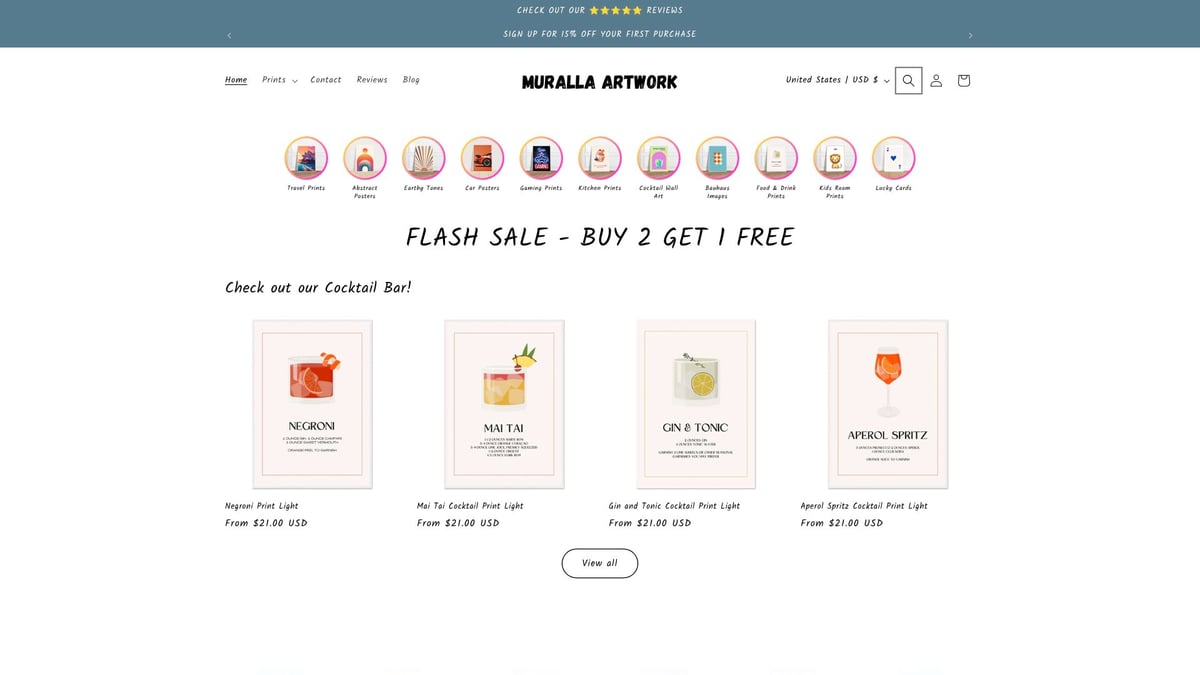
Their commitment to accessibility and enhancing home atmospheres with art aligns perfectly with the evolving art to print market. By exploring Muralla Art, you gain insight into current trends and discover opportunities to showcase or acquire exceptional prints.
Networking and Collaboration Opportunities
Building relationships is fundamental to success in art to print. Partner with other artists, designers, and influencers to expand your reach and generate fresh ideas. Participating in art fairs, pop-up events, and online exhibitions exposes your work to broader audiences and potential buyers.
Collaborative print series have gained traction on social media, allowing artists to pool resources and cross-promote. These partnerships not only boost visibility but also foster a sense of community within the art to print space, making collaboration a strategic move for growth.
Staying Ahead: Monitoring Industry News and Innovations
Keeping pace with industry developments is crucial for long-term success in art to print. Subscribe to leading newsletters, attend virtual conferences, and join webinars to learn about technological advances and market shifts.
Tracking new printing technologies and material advancements helps you future-proof your business. Staying informed about the expanding online art market is especially important, as digital engagement and NFT adoption are reshaping the landscape. According to Online Art Market Growth Projections, the market is expected to surpass $18.84 billion by 2032, reflecting new opportunities for artists and collectors.