

Canvas Artwork Guide: Your Creative Roadmap for 2026
In 2026, canvas artwork is experiencing an unprecedented surge, transforming both personal and professional environments with dynamic style and creativity. This comprehensive guide serves as your step-by-step roadmap, designed to help you master every aspect of canvas artwork—from creation and selection to display.
Whether you are a beginner seeking inspiration or a seasoned artist aiming to refine your skills, you will discover the latest trends, techniques, and technologies shaping the world of canvas artwork. Gain actionable tips, expert insights, and creative ideas tailored for every level.
Explore each section to unlock practical guidance for understanding fundamentals, planning your project, mastering techniques, displaying your art, and staying ahead of future trends.
The Fundamentals of Canvas Artwork in 2026
Canvas artwork continues to captivate both casual decorators and seasoned collectors in 2026. Its unique ability to transform any environment, from homes to offices and public venues, has cemented its place as a timeless décor staple. Whether you seek a bold centerpiece or a subtle accent, canvas artwork offers unmatched versatility and enduring appeal.
One reason for this popularity lies in the variety of materials available. Cotton remains a favorite for its affordability and smooth texture, while linen is prized for its strength and longevity. Synthetic blends, increasingly common, offer durability at a lower cost but may sacrifice some of the tactile qualities artists value.
| Canvas Material | Pros | Cons |
|---|---|---|
| Cotton | Affordable, smooth | Less durable over decades |
| Linen | Strong, long-lasting | Higher price |
| Synthetic Blends | Durable, budget-friendly | May lack authentic feel |
Canvas artwork comes in several forms. Original paintings showcase an artist’s hand and unique vision, while high-quality prints make renowned designs accessible to a wider audience. Mixed media pieces combine paint with fabric, collage, or metallic leaf, introducing new dimensions. Digital-to-canvas transfers allow artists to print digital creations onto traditional surfaces, blending technology with classic artistry.
In 2026, canvas artwork is available in a spectrum of sizes and shapes. Standard formats like 16x20 inches remain popular, but panoramic and custom-shaped canvases are on the rise. This flexibility lets you select pieces that fit your space and design vision perfectly.
Texture and priming play a crucial role in the final appearance. Heavily textured canvases add depth and drama, while smoother surfaces suit detailed work. Proper priming ensures colors remain vibrant and prevents paint from deteriorating the fabric over time.
Essential tools for creating canvas artwork include a selection of brushes, palette knives, and paints—acrylics for their bold hues and quick drying, oils for rich layering, and water-based options for an eco-friendly approach. Many artists now integrate digital tools, such as tablets and projectors, to plan or execute their work.
Cost varies significantly. DIY projects may only require an investment in basic supplies, while commissioned or mass-produced canvas artwork can range widely in price. On average, a handmade abstract painting commands a higher price than a giclée print, which uses advanced printing technology to replicate original works with remarkable accuracy.
For example, a hand-painted abstract canvas artwork offers unique brushwork and texture, making each piece one of a kind. In contrast, a giclée print provides a faithful reproduction at a fraction of the cost, ideal for those seeking quality on a budget.
The demand for canvas artwork continues to surge. According to recent Wall Art and Canvas Print Market Growth research, canvas prints experienced a 28% year-over-year sales increase, reflecting the growing appreciation for this art form worldwide.
Whether you are a creator or a collector, understanding these fundamentals ensures you make informed decisions and fully enjoy the possibilities canvas artwork brings to your space.

Planning Your Canvas Artwork Project: Step-by-Step Roadmap
Embarking on your canvas artwork journey begins with a clear, actionable plan. Whether you are aiming to transform your living room, create a personal masterpiece, or invest in unique art, a structured approach ensures your vision translates into reality. This step-by-step roadmap walks you through defining your creative goals, choosing the best materials, organizing your workspace, and managing your time and budget for a seamless canvas artwork experience.

Setting Your Creative Vision
The first step in any canvas artwork project is defining your creative vision. Consider your primary goal: are you enhancing a room, expressing your personality, searching for a meaningful gift, or looking to make a long-term investment? Each objective will shape your direction.
Gather inspiration from various sources. Social media platforms like Pinterest and Instagram offer endless ideas, while art galleries and natural landscapes can spark fresh concepts. Creating a mood board, either digitally with apps like Procreate or physically with cutouts, helps visualize your canvas artwork before you begin.
Color psychology plays a crucial role in how your finished piece interacts with its environment. Select hues that complement your room’s palette and evoke the desired mood. In 2026, sustainable and biophilic themes are trending, reflecting a collective move toward nature-inspired designs. According to recent surveys, 64% of buyers in 2025 preferred nature-themed canvas artwork for their living spaces.
Selecting the Right Canvas and Materials
Choosing the best canvas and materials is essential for quality results in canvas artwork. Start by selecting the canvas type—cotton is affordable and versatile, linen offers superior longevity, and synthetic blends cater to specific needs. Size also matters; standard rectangles, panoramic formats, and custom shapes allow for tailored impact.
Your choice of paint affects both appearance and sustainability. Acrylics deliver vibrant colors and quick drying, oils provide rich depth, while water-based paints are ideal for eco-conscious creators. Frame options include gallery wrap for a modern look, floater frames for added depth, or going unframed for a minimalist approach.
Sourcing sustainable and archival-quality materials not only preserves your canvas artwork but aligns with growing environmental awareness. Linen canvases, for example, are prized for their durability and resilience. If you are considering a personalized or commissioned piece, you can Contact Muralla Art for custom canvas to explore bespoke options tailored to your style and space. Eco-friendly canvases saw a 35% global market growth in 2025, highlighting the importance of responsible choices.
Preparing Your Workspace
A well-prepared workspace is fundamental for efficient and enjoyable canvas artwork creation. Start by ensuring your area has ample natural or adjustable lighting to accurately view colors and details. Ergonomics matter—arrange your table and seating to reduce strain during long sessions.
Organize your tools and materials for easy access. Use storage bins or wall-mounted racks for brushes, paints, and other essentials. Safety is also a priority; opt for non-toxic paints and use gloves or aprons as needed. Proper ventilation is crucial, especially when working with solvents or sprays.
Digital tools now play a significant role in modern studios. Tablets and projectors help artists plan compositions or transfer sketches to canvas. Many new artists in 2026 blend digital and traditional methods, transforming even small home offices into functional creative nooks.
Budgeting and Timeline Planning
Careful budgeting and scheduling are key to a successful canvas artwork project. Estimate the time required for each phase, including planning, execution, drying, and framing. Rushed timelines can impact quality, so allocate buffer periods for unexpected delays.
Set a realistic budget by listing all required materials, tools, and optional professional services. Use project management apps to track progress and expenses. To save costs, consider buying supplies in bulk or upcycling old canvases for practice.
For example, a 24x36 inch acrylic canvas artwork typically costs between $120 and $350 when you factor in all components. Being mindful of your resources ensures that both beginners and experienced artists can achieve satisfying results without overspending.
Mastering Creative Techniques for Canvas Art
Unlocking the full potential of canvas artwork in 2026 means embracing both time-honored traditions and cutting-edge innovations. Whether you are just starting out or refining your technique, mastering creative strategies will elevate your results and help your canvas artwork stand out in any space.

Traditional Painting Methods
Traditional techniques remain the backbone of canvas artwork, offering artists a tactile and expressive experience. Mastery of brushwork is crucial. Layering, blending, and impasto techniques create depth and texture, while dry brushing adds subtle highlights. For more dramatic effects, palette knives excel at creating movement and bold textures, making each canvas artwork unique.
Underpainting sets the stage by establishing values and composition. Glazing, the application of thin transparent paint layers, adds richness and complexity to colors. These foundational methods are especially impactful when painting landscapes or portraits, as they allow for nuanced light effects and realistic detail.
Step-by-Step Example: Modern Acrylic Landscape
- Begin with a toned canvas and sketch the composition.
- Apply underpainting to block in shapes and values.
- Build up color with layered brushwork, blending edges for atmospheric perspective.
- Add texture with palette knife accents.
- Finish with highlights and fine details.
According to recent surveys, acrylics remain the top choice for 58% of canvas artists. Their quick drying time and versatility make them ideal for layering and experimenting with new ideas. Canvas artwork created with these methods continues to captivate collectors and interior designers alike.
Mixed Media and Experimental Approaches
Mixed media is redefining canvas artwork in 2026. Artists are blending acrylics with collage, fabric, metallic leaf, and found objects, adding layers of meaning and tactile intrigue. Incorporating 3D elements transforms the surface, inviting viewers to engage with the artwork on multiple sensory levels.
Digital-to-canvas transfers are increasingly popular. Here, digital art is printed onto canvas, then enhanced with hand-painted details or additional textures. This hybrid approach bridges the gap between technology and tradition, giving each canvas artwork a contemporary edge.
Example: Mixed Media Cityscape
- Start with a painted acrylic background.
- Layer torn paper and metallic foil for structure and shine.
- Use gel mediums to adhere fabric or found objects, adding dimension.
- Finish with paint overlays and varnish for cohesion.
Mixed media canvas artwork sales rose 22% in 2025, reflecting a growing appetite for innovation. These experimental techniques empower artists to push boundaries and personalize their creations. For those seeking inspiration, exploring current Illustration Trends for 2026 can spark new ideas while emphasizing the importance of authenticity in a digital age.
Digital Tools and AI in Canvas Art
The digital revolution is transforming how artists approach canvas artwork. Tablets and digital sketching apps like Procreate allow creators to plan compositions, refine color palettes, and even produce base layers for physical transfer. This workflow streamlines experimentation and gives artists more control before committing paint to canvas.
AI-generated art is gaining momentum. Artists use artificial intelligence to generate unique compositions or patterns, which are then printed onto canvas and sometimes hand-finished for a personal touch. This synergy between human creativity and machine learning results in canvas artwork that is both innovative and deeply individualized.
Hybrid methods are also on the rise. Combining hand-painted elements with printed digital layers blurs the line between traditional and modern. For instance, an artist might print an AI-assisted portrait on canvas, then embellish it with acrylics or gold leaf for added impact.
Data from 2026 reveals that AI-assisted canvas art represented 15% of new works. This shift signals a future where artists harness technology to expand their creative vocabulary, ensuring canvas artwork remains at the forefront of artistic innovation.
Finishing and Protecting Your Art
Proper finishing techniques are essential for preserving canvas artwork. Varnishing is the first line of defense, protecting against dust, moisture, and UV light. Choose between matte, satin, or gloss varnish, and always allow adequate drying time for optimal results.
Framing adds another layer of protection and elevates presentation. Options include gallery wraps, floater frames, or classic wood styles. For storage and transport, use acid-free materials and avoid direct sunlight or humid environments to ensure longevity.
A practical tip: use UV-protective varnish if your canvas artwork will hang in a sunlit room. Studies show that UV-protected canvases last twice as long, making this step invaluable for both artists and collectors.
Displaying and Styling Canvas Artwork
Choosing how to display and style canvas artwork can change the entire mood of a room. The right placement, hanging method, and décor pairing ensure your canvas artwork becomes a captivating focal point, harmonizing with the space while reflecting your personal style.
Choosing the Perfect Placement
Effective placement of canvas artwork starts with evaluating the room’s lighting, wall color, and intended function. Natural light can enhance colors, while soft artificial lighting creates ambiance for evening hours. Always consider how the canvas artwork’s palette interacts with the surrounding color scheme.
Focal points matter. Mount canvas artwork above a sofa, bed, mantel, or in an entryway to draw the eye. For larger walls, try a gallery wall arrangement using multiple pieces with consistent spacing. This approach adds depth and visual interest, especially in open living areas.
Gallery walls can balance eclectic collections or showcase a unified theme. For inspiration, many homeowners mix abstract and botanical pieces, adapting to new trends. In fact, 41 percent of homeowners updated their art placement after the pandemic, seeking more balance and vibrancy in their living spaces.
Hanging Techniques and Hardware
Proper hanging is crucial for both safety and aesthetics. Select hooks, wires, or anchors rated for your canvas artwork’s weight and size. Use a tape measure and level to ensure precise placement. For heavy or oversized pieces, consider wall anchors or professional installation.
Renters can use damage-free solutions like adhesive strips or removable hooks. These options allow flexibility in rearranging canvas artwork without leaving marks. For a seamless look, hang pieces at eye level and align edges for a professional finish.
For guidance on the latest presentation styles, explore 2026 Framing Trends to discover innovative framing materials and techniques that elevate canvas artwork. Command strip sales for art hanging increased by 18 percent in 2025, reflecting this growing demand for renter-friendly and adaptable methods.
Styling With Canvas Art: Layering and Complementing Décor
Styling canvas artwork is about creating dialogue between art and environment. Combine canvas artwork with mirrors, shelves, or sculptural elements to add layers and dimension. This approach transforms a flat wall into a curated visual experience.
Coordinate colors and textures. Select canvas artwork that echoes hues found in your furniture, textiles, or accent pieces. For a cohesive look, repeat a color or motif throughout the room. Minimalist canvases can be paired with vintage prints for contrast, or grouped with three-dimensional décor for depth.
Rotate and refresh displays seasonally. Swapping out canvas artwork keeps your environment lively and responsive to changing moods. According to recent surveys, 72 percent of interior designers recommend seasonal rotation to maintain freshness and engagement.
Below is a quick-reference table for styling strategies:
| Styling Tip | Effect |
|---|---|
| Layer with mirrors/shelves | Adds depth, reflects light |
| Mix canvas artwork styles | Creates eclectic interest |
| Color coordination | Ensures harmony |
| Rotate art seasonally | Keeps décor feeling fresh |
Ultimately, canvas artwork should resonate with your taste and enhance the space. By experimenting with placement, hanging methods, and styling combinations, you can showcase canvas artwork that feels both timeless and utterly unique.
Canvas Artwork Trends and Innovations for 2026
Canvas artwork in 2026 is evolving at a remarkable pace, reflecting shifts in aesthetics, sustainability, and personalization. Artists and collectors alike are embracing new directions, materials, and technologies that redefine what canvas artwork can be. Let's explore the leading trends shaping the future of this creative field.
Emerging Styles and Themes
2026 sees a dynamic fusion of styles in canvas artwork, where bold creativity meets contemporary sensibilities. Maximalism continues to captivate, with artists layering vivid colors, intricate patterns, and expressive brushwork for dramatic visual impact. Meanwhile, abstract botanicals are surging in popularity, offering organic forms and calming palettes that echo nature's serenity.
Urban minimalism remains a strong influence, focusing on sleek lines, negative space, and subtle color gradients. The year's color forecasts highlight earthy tones, digital neons, and monochrome schemes, catering to both adventurous and refined tastes. For example, oversized abstract botanicals lead best-seller lists, transforming living rooms and offices into inviting sanctuaries.
A notable trend is the integration of nature-inspired themes, as seen in pieces like the Flowers and leaves canvas art, which blends botanical motifs with modern design. According to recent sales data, abstract and botanical canvas artwork dominated 2025 sales, confirming the public's appetite for both tranquility and visual intrigue.
Sustainable and Eco-Friendly Canvas Art
Environmental consciousness is redefining canvas artwork production in 2026. Artists are adopting recycled canvases, plant-based paints, and ethically sourced materials to minimize ecological impact. Studios are prioritizing zero-waste practices, from upcycling old frames to using water-based, non-toxic pigments.
Leading creators are spotlighted for innovative approaches, such as crafting canvas artwork from reclaimed textiles or using natural dyes derived from plants and minerals. These methods not only reduce waste, but also add unique textures and colors to each piece. Upcycled projects, like turning vintage fabrics into textured backgrounds, are gaining traction among eco-minded collectors.
Data reveals a significant shift: eco-conscious buyers grew by 40 percent in 2025, and the demand for sustainable canvas artwork is projected to keep rising. As a result, more galleries and online platforms are curating selections that champion green practices, making it easier than ever to support artists who prioritize both beauty and environmental responsibility.
Personalized and Custom Canvas Art
Personalization is transforming how people experience canvas artwork in 2026. The growth of bespoke commissions and photo-to-canvas services allows buyers to create meaningful, one-of-a-kind pieces tailored to their stories and spaces. Online platforms now offer intuitive tools to customize size, color palette, and subject matter, ensuring every canvas artwork fits seamlessly into its intended environment.
Custom canvas artwork is increasingly popular for milestone events, with gifts for weddings, anniversaries, and family celebrations driving demand. For example, transforming a cherished family photo into a hand-finished canvas elevates personal memories into lasting art. According to recent data, custom canvas orders increased by 33 percent year over year.
This surge in digital engagement is mirrored by the projected growth of the global art market, as highlighted in the Online Art Market Size Projection. As technology advances, canvas artwork becomes more accessible and customizable, inviting everyone to participate in the creative process.
Resources, Inspiration, and Expert Communities for Canvas Artists
Access to the right resources and supportive communities is crucial for anyone looking to master canvas artwork. Whether you are just starting or refining your practice, the digital era offers a wealth of opportunities to learn, connect, and source materials. In this section, explore top learning platforms, artist networks, supply sources, and a leading destination for high-quality canvas artwork.
Online Learning and Tutorials
Learning new techniques for canvas artwork is easier than ever. Online platforms like Skillshare, YouTube, and Domestika offer step-by-step video tutorials for every skill level. These resources allow artists to explore acrylics, oils, mixed media, and digital-to-canvas transfers at their own pace.
Many platforms feature community-driven learning. Live workshops, real-time Q&A sessions, and feedback forums help artists grow faster. For example, the most-watched canvas painting tutorials of 2025 covered abstract landscapes, palette knife techniques, and digital sketching for canvas artwork.
According to recent data, online art course enrollments rose by 29% in 2025, reflecting the growing demand for accessible, expert-led instruction. By leveraging these tools, artists can confidently expand their canvas artwork repertoire and stay updated with evolving trends.
Artist Networks and Social Media Inspiration
Social media has become a vital source of inspiration and connection for canvas artwork enthusiasts. Platforms like Instagram, Pinterest, and TikTok allow artists to follow trending styles, participate in challenges, and showcase their creations. Hashtags such as #Canvas2026 or #ModernCanvasArt make it easy to discover new ideas and connect with a global audience.
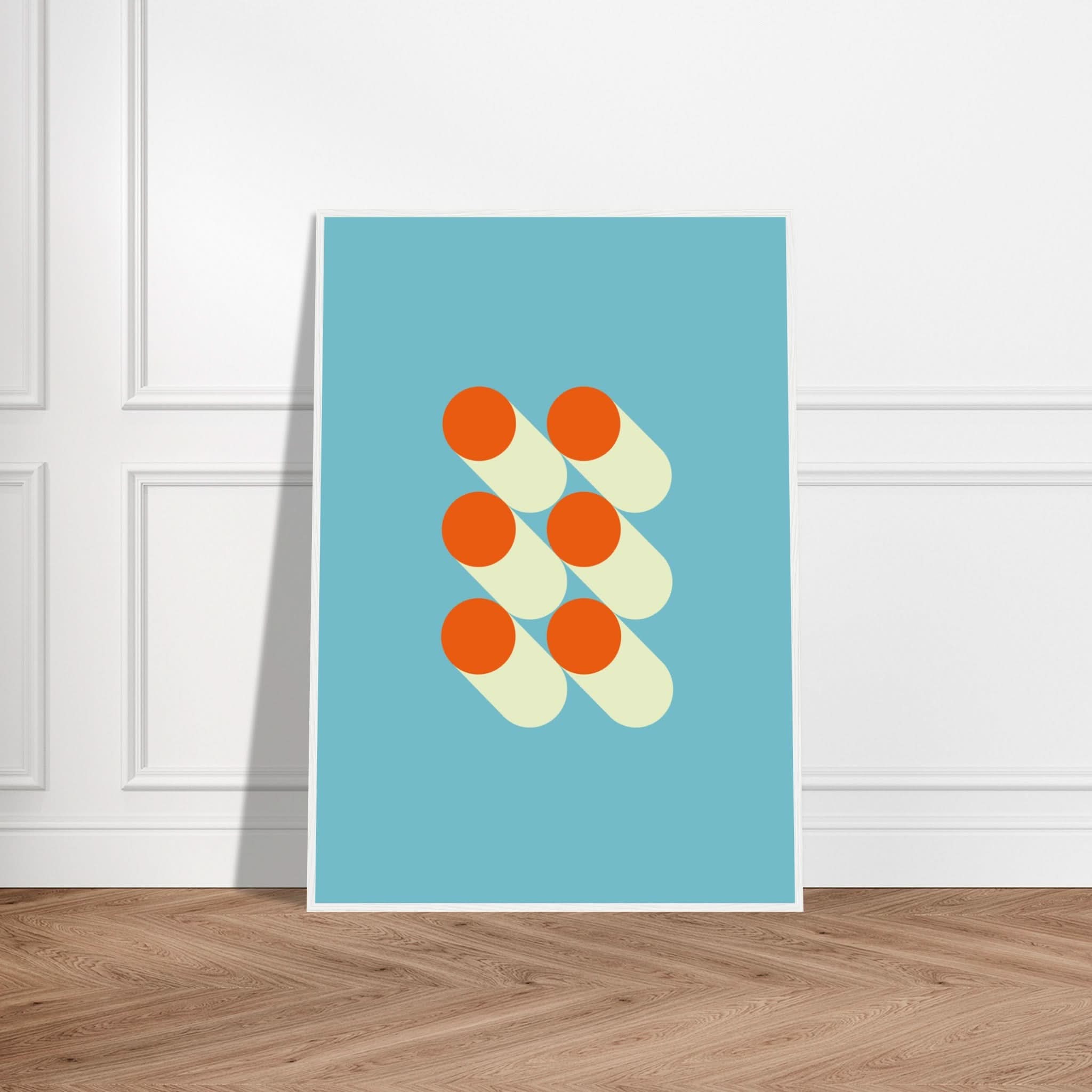
Participating in viral challenges can boost creativity and visibility. For instance, the #Canvas2026 challenge encouraged artists to share their interpretation of contemporary abstract styles, with some referencing the Abstract blue circles canvas print as a trending motif. Art-related TikTok content reached over 1 billion views in 2025, highlighting the immense influence of these platforms on canvas artwork trends.
Staying active in these communities not only inspires new projects but also helps artists keep pace with what is resonating in the world of canvas artwork.
Art Supply Retailers and Galleries
Sourcing quality materials is essential for creating lasting canvas artwork. Artists can choose between local art supply stores and specialized online retailers to find the best brushes, paints, and canvases. Online specialty shops often provide a broader selection, competitive pricing, and convenient delivery options.
Visiting galleries and attending art fairs offer both inspiration and networking opportunities. The annual Canvas Art Expo, held in major cities, is a prime example where artists and collectors meet to discuss the latest trends in canvas artwork.
Recent studies show that 42% of artists now source supplies from online specialty stores, making it easier to access premium materials for every stage of the canvas artwork process.
Muralla Art: Your Online Destination for Canvas Prints and Wall Art
Muralla Art stands out as a leading source for curated, high-quality canvas artwork. Their diverse collection features exclusive designs across multiple styles, perfect for those seeking ready-to-hang inspiration for any space. The platform offers a seamless shopping experience, including free global shipping and multi-currency support.
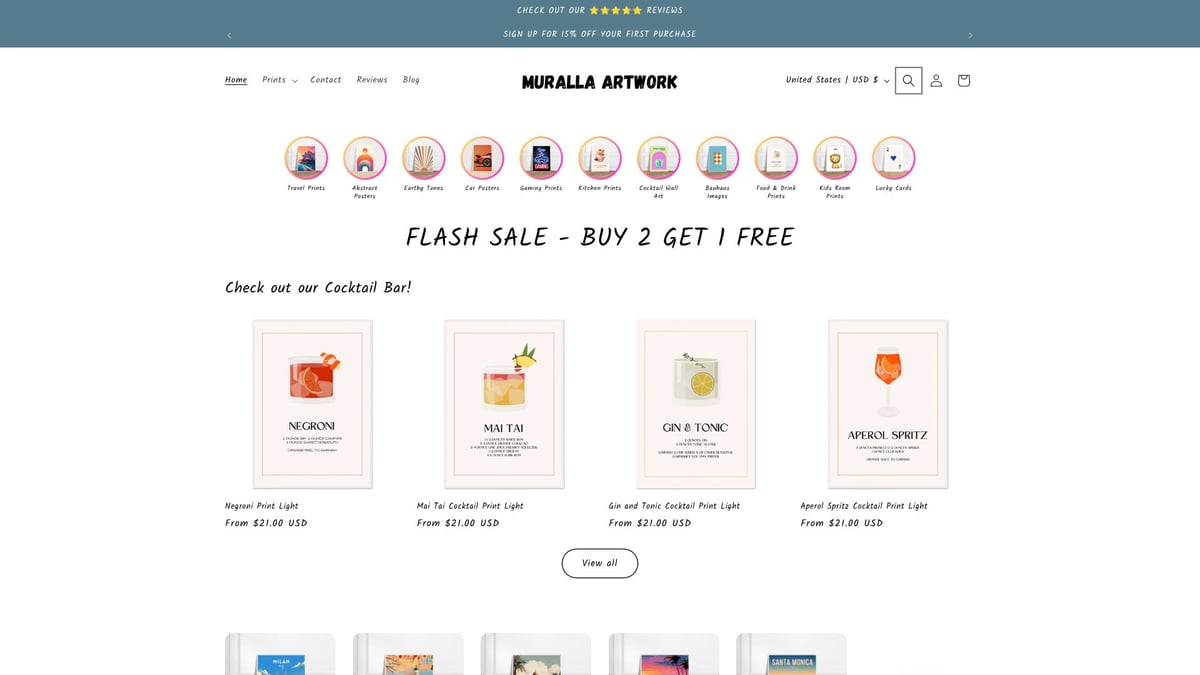
New arrivals are updated regularly, and subscribers receive a 15% discount on their first purchase. Refreshing a living room with Muralla Art’s abstract canvas collection is both accessible and affordable. Customers consistently rate their experience as five stars, as seen in the Muralla Art reviews and testimonials, ensuring confidence in every canvas artwork selection.