

Flower Artwork Guide: Inspiring Creations for 2026
Discover the renewed allure of flower artwork as it blossoms into the heart of creative expression for 2026. Whether you are a seasoned artist or a passionate beginner, this guide reveals the latest trends, breakthrough techniques, and sources of inspiration shaping the world of flower artwork. Uncover how to create, appreciate, and display floral art that blends modern style with your unique flair. Ready to elevate your skills and embrace the beauty of contemporary floral design? Let’s explore the vibrant world of flower artwork together.
The Evolution of Flower Artwork: Trends for 2026
Flower artwork has long captured the imagination of artists and admirers alike, weaving its way through centuries of creative expression. Today, as we look toward 2026, the evolution of flower artwork reflects a dynamic blend of historical influences, cutting-edge trends, and a growing appreciation for global motifs. Let’s explore how this timeless subject continues to flourish in new and exciting directions.
Historical Influence and Modern Revival
The enduring appeal of flower artwork can be traced through art history, from classical still lifes to ornate Art Nouveau patterns. Throughout the ages, artists have used floral subjects to explore beauty, symbolism, and the natural world. In particular, the flowing lines of Art Nouveau, the expressive brushwork of Impressionism, and the clean simplicity of Minimalism have all left an imprint on how flower artwork is created and appreciated today.
A notable trend shaping modern flower artwork is the revival of vintage botanical illustrations. These detailed studies, once found in 19th-century scientific texts, have found new life in contemporary interiors. The meticulous depiction of petals, stems, and leaves resonates with today’s audiences, blending nostalgia with modern aesthetics. For those curious about how these classic prints are making a comeback, Vintage Art Prints for Modern Homes offers a deeper look at their renewed popularity.
This fusion of past and present has inspired artists to reinterpret historical motifs while introducing fresh color palettes and innovative techniques. Whether displayed as standalone pieces or integrated into gallery walls, flower artwork continues to bridge eras and styles.
Key Trends Shaping 2026 Flower Art
Looking ahead to 2026, flower artwork is set to embrace several defining trends. Sustainability is at the forefront, with artists increasingly choosing eco-friendly materials such as plant-based paints and recycled canvases. This shift not only reflects environmental awareness but also adds authenticity to each creation.
Another major trend is the fusion of abstract and hyper-realistic styles within a single composition. Artists experiment with bold, oversized petals rendered in saturated hues, then contrast them with delicate, pastel backgrounds. Mixed media approaches—combining traditional paint with digital textures—are also gaining traction, providing new avenues for creative exploration.
According to 2024 art market reports, sales of flower artwork have surged by 30 percent, highlighting its growing appeal. The most sought-after collections in 2025 featured dramatic, vibrant blooms that command attention in any space. Here’s a quick overview of current style elements:
| Style Element | Description |
|---|---|
| Color Palettes | Bold reds, yellows, and purples; soft pastels |
| Composition | Oversized, single blooms; wild bouquets |
| Materials | Eco-friendly paints, mixed media |
These innovations ensure that flower artwork remains both relevant and visually captivating as we move into 2026.
Cultural and Global Influences
The global reach of flower artwork has never been more apparent. Artists are drawing inspiration from diverse floral motifs, such as Japanese cherry blossoms, Dutch tulips, and African proteas. Each brings its own cultural symbolism and unique visual language to the art world.
In many cultures, specific flowers are chosen not only for their beauty but also for their meaning. For example, cherry blossoms (sakura) symbolize renewal and the fleeting nature of life in Japan, while tulips represent elegance in Dutch tradition. The growing popularity of sakura-inspired digital prints across Asia and Western markets showcases this blend of tradition and modernity.
As artists incorporate international influences, flower artwork becomes a powerful tool for cross-cultural storytelling. By thoughtfully selecting flowers and arranging them with intention, creators infuse each piece with layers of meaning that resonate with a global audience. This cultural exchange ensures that flower artwork continues to evolve, reflecting both personal expression and a shared appreciation for the world’s botanical diversity.
Step-by-Step Guide to Creating Flower Artwork
Embarking on the journey of creating flower artwork is both rewarding and transformative. Whether you are aiming for a bold statement piece or a delicate study, following a structured approach ensures your creative process is both enjoyable and successful. This guide provides practical steps, from finding inspiration to preserving your finished masterpiece.
Step 1: Gathering Inspiration and Planning
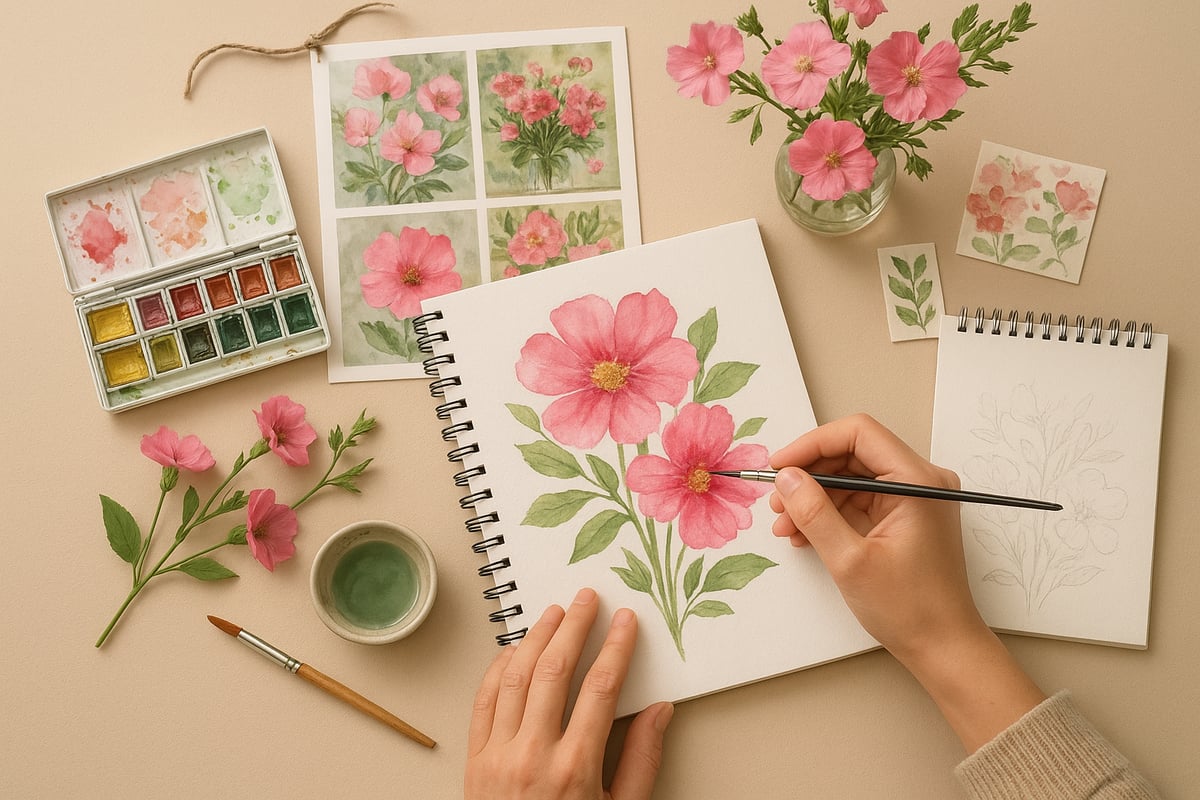
The foundation of compelling flower artwork lies in thoughtful inspiration and careful planning. Start by immersing yourself in the beauty of nature, visiting gardens, or observing seasonal blooms in your area. Photography, art history books, and botanical illustrations are also excellent sources.
To organize your ideas, create mood boards using platforms like Pinterest or curate a physical sketchbook. Capture color palettes, interesting shapes, and arrangements that resonate with your vision. Social media is a treasure trove, offering endless inspiration from global artists.
Stay ahead by exploring 2026 Floral Trends You Need to Know for Your Wedding or Event, which highlights the rise of rich metallics, textured arrangements, and sustainable practices in contemporary flower artwork. Use these trends to fuel your creativity and develop a unique concept for your next piece.
Careful planning at this stage ensures your flower artwork reflects both personal style and modern aesthetics.
Step 2: Choosing Your Medium and Materials
Selecting the right medium is crucial for achieving your desired effect in flower artwork. Traditional options like watercolor, acrylic, and oil each offer unique qualities. Watercolor provides transparency and soft edges, acrylic is versatile and fast-drying, while oil delivers depth and richness.
Modern artists are increasingly drawn to digital painting and mixed media, which allow unlimited experimentation. Sustainability is another key consideration. Opt for eco-friendly paints and papers, which are now widely available and preferred by over half of today’s artists.
| Medium | Pros | Cons |
|---|---|---|
| Watercolor | Light, transparent, portable | Less forgiving, delicate |
| Acrylic | Fast-drying, versatile | Can dry too quickly |
| Oil | Rich color, blendable | Slow drying, requires care |
| Digital | Flexible, undo option | Needs tech, less tactile |
By choosing materials that align with your values and creative goals, your flower artwork will be both visually stunning and environmentally conscious.
Step 3: Sketching and Composition
With inspiration and materials in hand, begin sketching your flower artwork. Use light pencil strokes to outline the main shapes and decide on the placement of each element. Consider composition techniques such as the rule of thirds, dynamic diagonals, or central focus to create a visually balanced piece.
Experiment with different arrangements, from a single dramatic bloom to a wild, overflowing bouquet. Pay attention to light and shadow, as these details add dimension and realism. Negative space is equally important, allowing your florals to breathe and draw the viewer’s eye.
Popular approaches in flower artwork include minimalist stems for a modern touch, or layered compositions for a lush, abundant effect. Take your time refining the sketch before moving to color.
Step 4: Bringing Flowers to Life with Color and Texture
Color and texture are what bring flower artwork to life. Start with a base layer of light washes or digital fills, gradually building up intensity. Use a mix of bold, saturated hues and gentle pastels to capture the energy and delicacy of real flowers.
Texture can be introduced through varied brushwork, collage elements, or digital effects. Metallic accents, such as gold or copper, can mimic dew or sunlight on petals, adding an unexpected spark. If working with mixed media, try layering pressed flowers or fabric for a tactile quality.
Experimentation is key in this phase. Trust your artistic instincts and do not be afraid to try new techniques to make your flower artwork truly unique.
Step 5: Final Touches and Preservation
The final step in creating flower artwork is ensuring its longevity and presentation. For physical pieces, carefully seal your work with a protective spray or varnish to guard against fading and dust. Mounting and framing are essential for both protection and display, so choose options that complement your style.
For digital flower artwork, optimize your files for both print and online sharing. Save high-resolution versions for printing, and adjust colors to ensure vibrancy across platforms. When displaying your work, consider professional matting or creative gallery wall layouts.
Preserving your flower artwork not only maintains its beauty, but also allows you to share your passion with others for years to come.
Innovative Materials and Techniques in 2026 Flower Art
The landscape of flower artwork is rapidly evolving, driven by a blend of sustainability, technology, and creative experimentation. Artists are exploring new materials and techniques, resulting in pieces that are visually dynamic and environmentally responsible. Whether you are a contemporary creator or a traditionalist, 2026 offers exciting possibilities for elevating your flower artwork.
Eco-Friendly and Sustainable Art Supplies
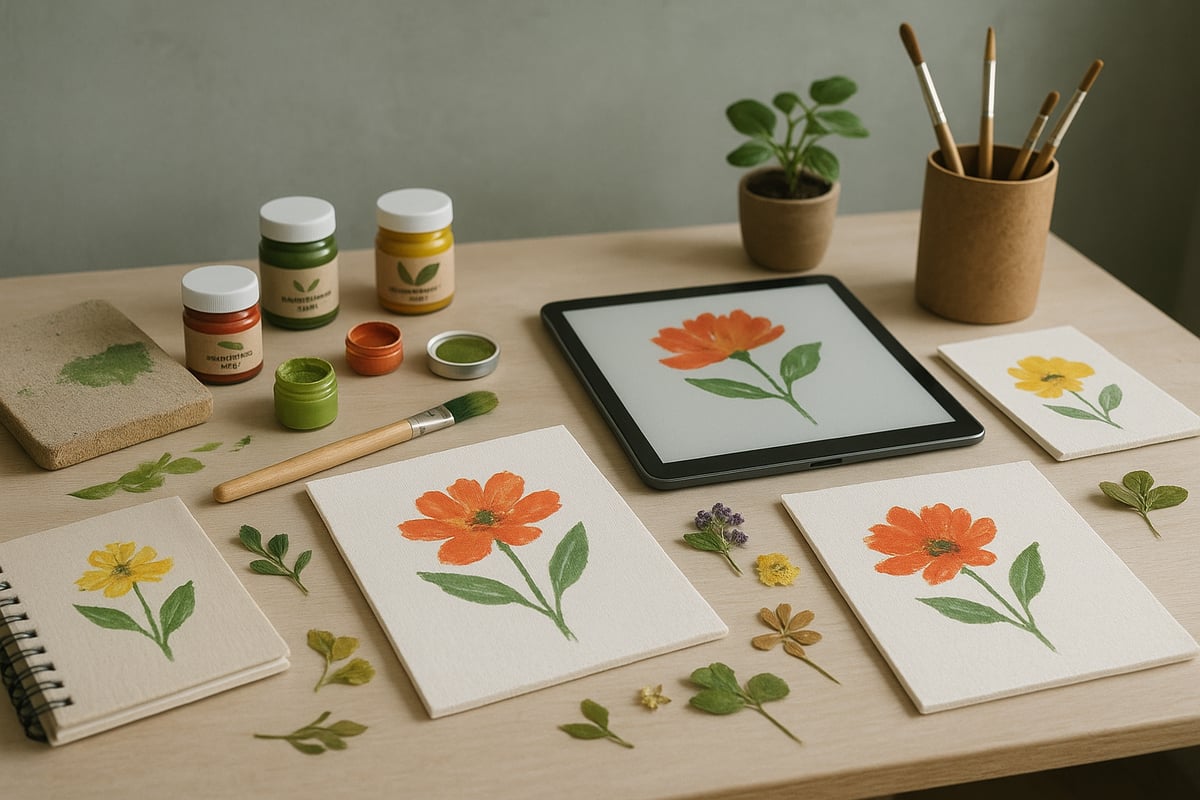
Sustainability is at the forefront of 2026's flower artwork trends. Artists are increasingly choosing plant-based paints, recycled canvases, and biodegradable packaging to minimize their environmental impact. This shift is not only a matter of ethics but also a response to growing consumer demand for responsible art practices.
Leading brands introduced organic pigment sets in 2025, making it easier to access vibrant, earth-friendly colors. According to market data, 45% of new art supply launches last year were eco-friendly, signaling a major industry transformation.
For those looking to deepen their commitment to sustainability, eco-friendly painting supplies are a growing trend in the industry, with more manufacturers offering options that support both quality and environmental stewardship.
Table: Comparison of Eco-Friendly Art Supplies
| Material | Traditional Option | Sustainable Option |
|---|---|---|
| Paints | Acrylic/Oil | Plant-based pigments |
| Canvas | Cotton/Polyester | Recycled fibers |
| Packaging | Plastic | Biodegradable paper |
By integrating these materials, your flower artwork can reflect both artistic vision and a commitment to the planet.
Mixed Media and Experimental Approaches
Mixed media techniques are breathing new life into flower artwork. Artists are merging traditional painting with embroidery, collage, and even three-dimensional elements to create pieces that invite touch and curiosity.
Pressed flowers layered onto painted backgrounds bring a tactile, organic quality to compositions. Some creators incorporate fabric, wire, or paper to build depth and movement within their work. These experimental methods encourage artists to break boundaries and develop unique personal styles.
Workshops focusing on mixed media flower artwork saw a 40% rise in attendance in 2025, highlighting the growing appetite for hands-on, innovative techniques. Exploring these approaches can make your pieces stand out in a crowded marketplace while offering endless opportunities for creative growth.
Digital Techniques and AI Integration
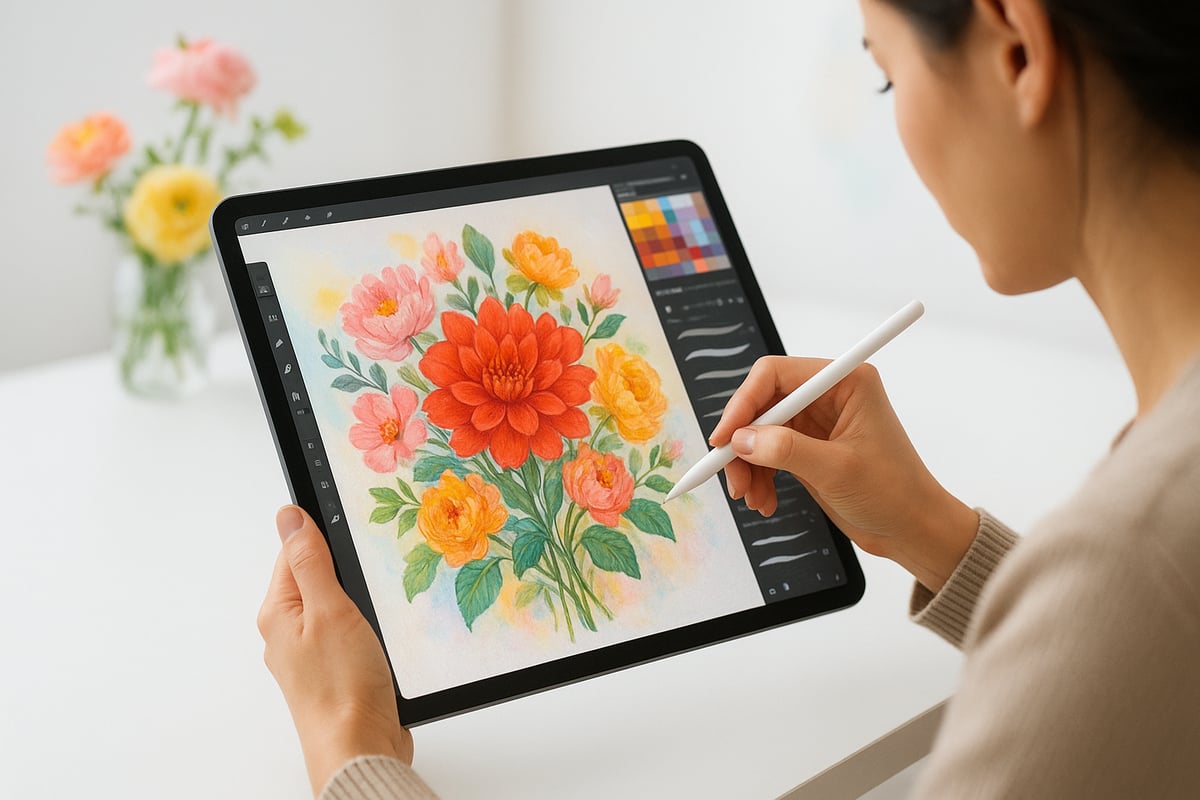
Digital innovation is transforming how artists approach flower artwork. Tools like Procreate, Adobe Fresco, and Corel Painter allow for precise control over color, texture, and composition. Digital brushes can simulate watercolor, oil, or pastel, opening new possibilities for floral expression.
AI-generated floral patterns are also making waves. Artists use AI-assisted color palette generators to discover harmonious combinations quickly, streamlining the creative process. These tools foster experimentation, enabling artists to iterate on ideas without wasting physical materials.
As digital workflows become more sophisticated, flower artwork is reaching new audiences online. Animated florals and interactive pieces are gaining popularity, making digital proficiency a valuable asset for contemporary creators.
Textural Effects and Finishing Methods
Creating texture is essential for bringing flower artwork to life. Artists are increasingly using modeling paste, resin, and metallic accents to add dimension and realism to petals and leaves. These materials can mimic natural phenomena like dew, sunlight, or the roughness of a flower's surface.
Layering techniques, such as building up paint or embedding physical elements, result in artwork that is not only visually striking but also inviting to touch. Collage and impasto styles are particularly effective for emphasizing the tactile qualities of flowers.
Finishing methods matter as well. Sealing and protecting your flower artwork ensures longevity, while thoughtful mounting or framing can enhance its presence in any setting. By experimenting with texture, you can create pieces that resonate both visually and emotionally.
Digital Flower Artwork: Tools, Platforms, and Trends
The digital landscape is transforming how artists create and share flower artwork. In 2026, creators are leveraging advanced tools, engaging platforms, and emerging trends to craft and showcase floral masterpieces. Whether you are a seasoned digital artist or just starting, understanding the latest in flower artwork tools and communities will help you thrive in this vibrant space.
Popular Digital Tools for Flower Art
Digital artists rely on powerful software to bring flower artwork to life. Procreate, Adobe Illustrator, and Corel Painter remain top choices for their intuitive interfaces and wide range of brushes. Procreate is favored for its natural brush feel and seamless layering, making it ideal for detailed petals and soft gradients. Adobe Illustrator excels in vector-based floral patterns, perfect for scalable designs and print projects. Corel Painter stands out for its realistic painting tools, mimicking traditional media.
Below is a quick comparison of these leading tools:
| Tool | Best For | Notable Features |
|---|---|---|
| Procreate | Hand-drawn flower artwork | Custom brushes, time-lapse |
| Adobe Illustrator | Vector floral patterns | Precision, scalable graphics |
| Corel Painter | Realistic flower painting | Texture simulation, blending |
In 2025, floral brush sets became some of the most downloaded add-ons, reflecting the surging popularity of digital flower artwork. For a deeper look at how these digital trends intersect with broader art movements, explore the 2025 Wall Art Trends.
Online Platforms and Communities
Sharing and selling digital flower artwork has never been more accessible. Platforms like Etsy, Redbubble, and Society6 connect artists with global audiences who appreciate unique floral designs. These marketplaces enable creators to offer both prints and digital downloads, expanding the reach of flower artwork beyond traditional galleries.
Building a strong online portfolio is crucial. Artists often use Instagram and personal websites to showcase their flower artwork, engage with followers, and attract potential buyers. Participating in digital art communities fosters collaboration and feedback, driving innovation in floral design.
Etsy, in particular, reported a 25% increase in floral digital art sales in 2025, highlighting the demand for contemporary flower artwork. Leveraging these platforms can turn a creative passion into a thriving business.
Trends in Digital Floral Art
Trends in digital flower artwork are evolving rapidly. Animated floral pieces and NFT flower collections have captured the imagination of collectors and artists alike. Viral Instagram reels featuring time-lapse digital flower paintings showcase both process and creativity, making flower artwork more interactive and shareable.
Data from 2024 to 2025 reveals digital workshops on flower artwork doubled in attendance, reflecting a hunger for skill-building in this genre. Artists are experimenting with motion, vibrant color schemes, and dynamic compositions, ensuring their flower artwork stands out in crowded online spaces.
Staying attuned to these trends will help artists create innovative, in-demand flower artwork that resonates with audiences worldwide.
Displaying and Selling Your Flower Artwork
Bringing your flower artwork from the studio into the world is a rewarding process that blends creativity with presentation. Thoughtful display and strategic selling can transform your pieces into cherished focal points and successful products. Explore professional advice for showcasing, marketing, and monetizing your flower artwork in 2026.
Home Décor and Interior Design Integration
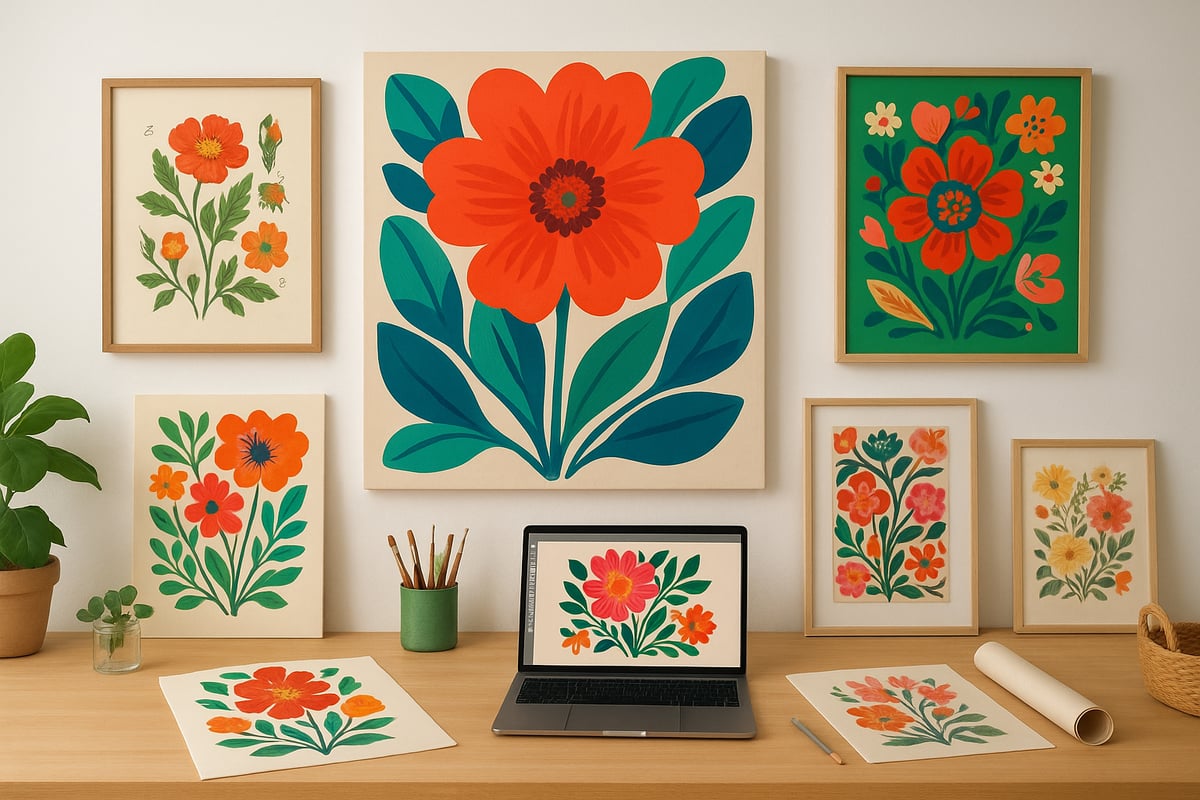
Displaying flower artwork in your home is both an art and a science. The right presentation can elevate any room, making your creations the centerpiece of modern décor. Start by selecting frames that complement your flower artwork's style and color palette. Neutral mats and sleek frames work well for bold, vibrant florals, while ornate or colored frames can enhance more classic pieces.
Consider curating a gallery wall with mixed floral prints, combining different sizes and styles for visual interest. Placement matters: position flower artwork at eye level, and use natural light to highlight texture and color. For more inspiration, explore creative arrangement tips in this Gallery Wall Layout Ideas guide.
Interior designers report that floral art remains a top trend for 2026, with demand for both minimalist stems and lavish bouquets. Rotating your flower artwork seasonally can keep your space feeling fresh and dynamic. Remember, the key is to let your flower artwork reflect your personality and the mood you want to evoke in your space.
Art Shows, Markets, and Online Sales
Taking your flower artwork to art shows and markets opens doors to a broader audience. Begin by ensuring each piece is professionally finished: use archival-quality mats, sturdy backing, and protective sleeves for transport. Prepare a portfolio that showcases the diversity and quality of your flower artwork, including close-up shots and installation views.
Online sales continue to surge, with platforms like Etsy, Redbubble, and Society6 offering global reach. Build an engaging online shop by writing compelling descriptions, using high-resolution images, and optimizing listings with keywords related to flower artwork. Leverage social media to connect with art lovers, share behind-the-scenes content, and announce new releases.
Success stories abound from artists who transitioned to full-time selling by combining in-person events with a robust digital presence. Consistency in branding and customer engagement is key. Whether you are selling originals, prints, or digital downloads, prioritize clear communication and prompt fulfillment to build a loyal following for your flower artwork.
Licensing and Collaborations
Licensing your flower artwork offers exciting opportunities to expand your creative influence. Brands and publishers seek unique floral designs for textiles, stationery, home goods, and more. Research potential partners and prepare a professional portfolio that demonstrates your range and signature style.
Collaborating with interior designers and commercial clients can also bring your flower artwork into new spaces, such as hotels, offices, or retail environments. Negotiate clear terms for usage, royalties, and credit to protect your creative rights. Data from 2025 shows an 18% growth in licensing floral patterns for textiles, signaling strong demand.
Building relationships in the art and design industries can lead to repeat commissions and expanded exposure. Stay proactive in seeking collaborations, and remain open to new applications for your flower artwork. By diversifying your approach, you can maximize both the visibility and profitability of your creative work.
Expert Tips and Inspiration from Leading Flower Artists
The journey to mastering flower artwork is enriched by learning from those who have shaped the field. Leading artists offer a wealth of wisdom, creative strategies, and personal anecdotes that can help you elevate your own flower artwork practice. Whether you are seeking technical advice or motivation during creative slumps, these expert tips provide a strong foundation.
Insights from Top Flower Artists
Top flower artists emphasize the importance of observation and experimentation. They often draw inspiration from nature, art history, and personal experience. Renowned painter Amelia Chen advises, “Spend time with real flowers, notice how light transforms their colors and shapes.” Many artists also recommend regular sketching to better understand form and gesture.
Common advice from accomplished flower artwork creators includes:
- Embrace mistakes as opportunities for unique outcomes.
- Use mood boards to clarify your vision before starting a new project.
- Balance traditional techniques with innovation, such as combining watercolor with digital tools.
Overcoming creative blocks is another shared theme. Illustrator Marcus Veldman suggests, “When stuck, switch mediums or change your environment. Sometimes a walk in the garden sparks new ideas.” These insights can transform how you approach your own flower artwork.
Staying Inspired and Evolving Your Practice
Sustained growth in flower artwork relies on continual learning and fresh sources of inspiration. Many leading artists engage in workshops, online courses, and artist residencies to refine their skills. According to a recent survey, 70% of artists believe ongoing education is the key to artistic development.
Recommended strategies for staying inspired include:
- Joining local or virtual flower artwork communities for regular feedback.
- Reading books such as “The Art of Botanical Drawing” or “Flowers: Art & Bouquets.”
- Attending live demonstrations or enrolling in specialized floral art classes.
Artist Sofia Malik shares, “Every new technique I learn becomes part of my visual vocabulary.” By seeking out diverse learning opportunities, you can keep your flower artwork evolving with current trends and personal growth.
Building a Signature Style
Developing a signature approach to flower artwork sets you apart in a crowded field. Experts suggest experimenting with composition, palette, and scale to discover what resonates with your artistic voice. Case studies of artists like Leo Duarte, known for oversized, vibrant floral canvases, show that consistency in style and subject matter builds recognition.
Consider these steps to refine your flower artwork identity:
- Analyze your favorite pieces to identify recurring themes or techniques.
- Explore minimalist styles for a modern aesthetic, as discussed in Minimalist Wall Art Inspiration.
- Tell a personal story through your artwork, using symbolism or cultural motifs.
Remember, the most memorable flower artwork reflects both contemporary trends and your individual perspective. Allow your style to evolve by staying curious and open to new influences.