
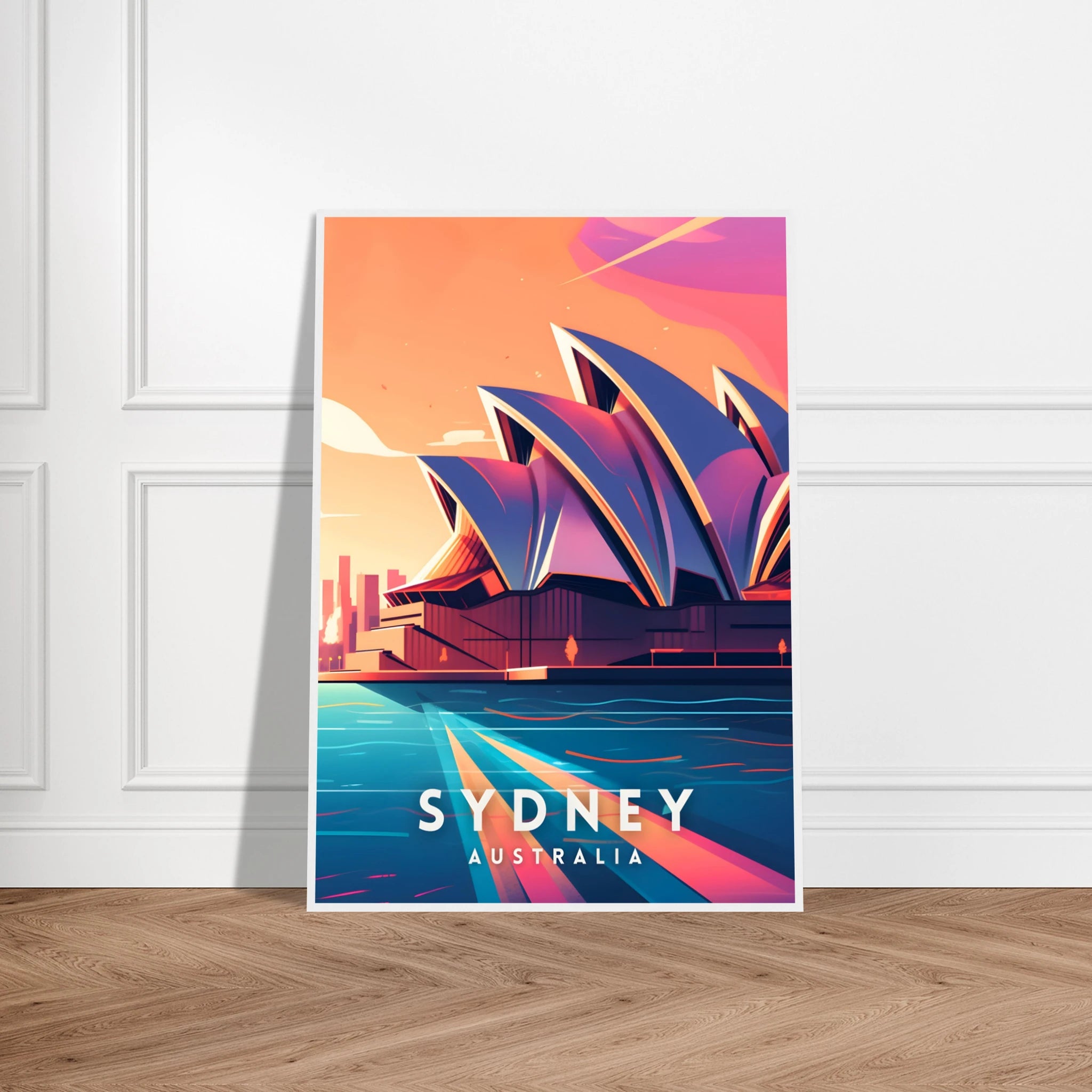
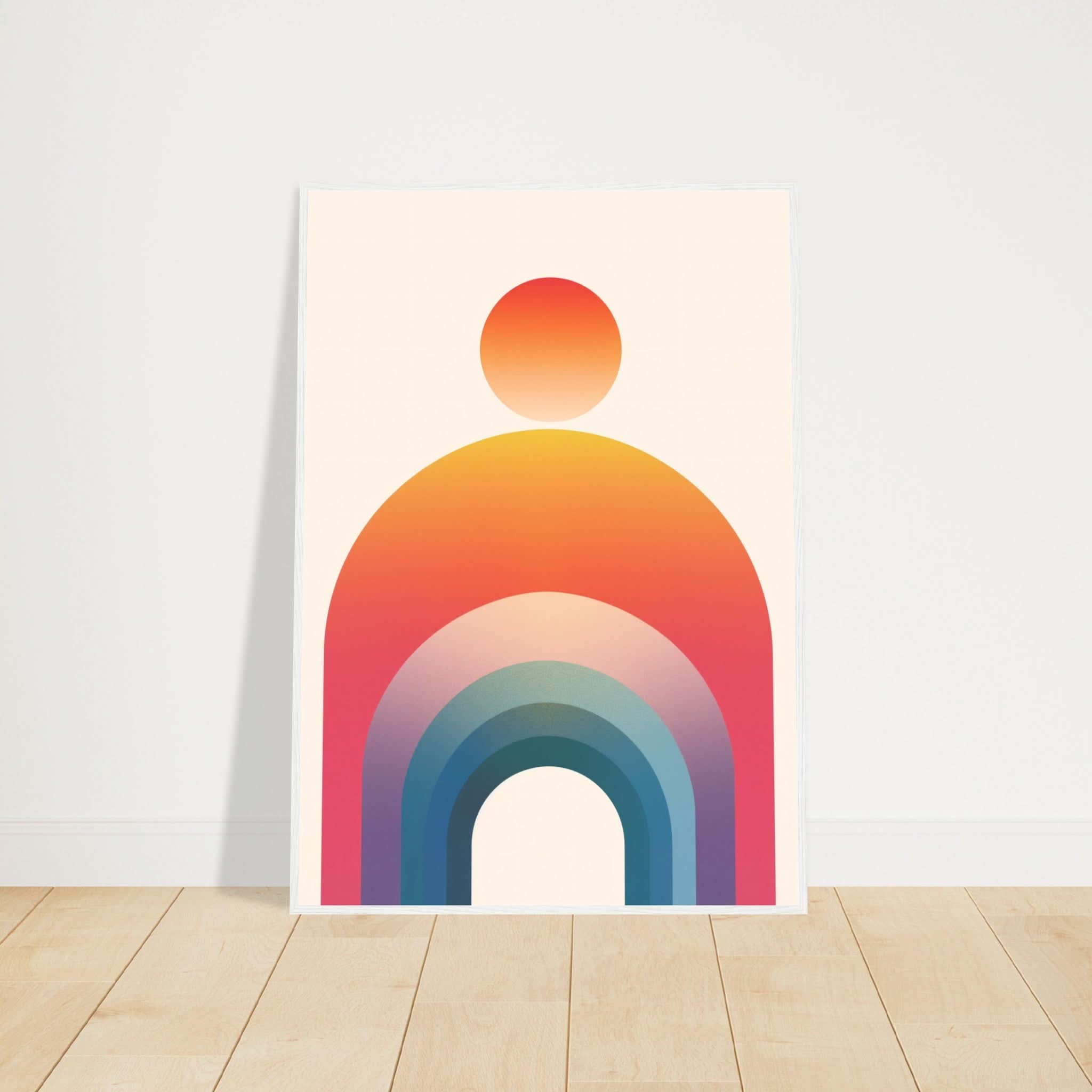
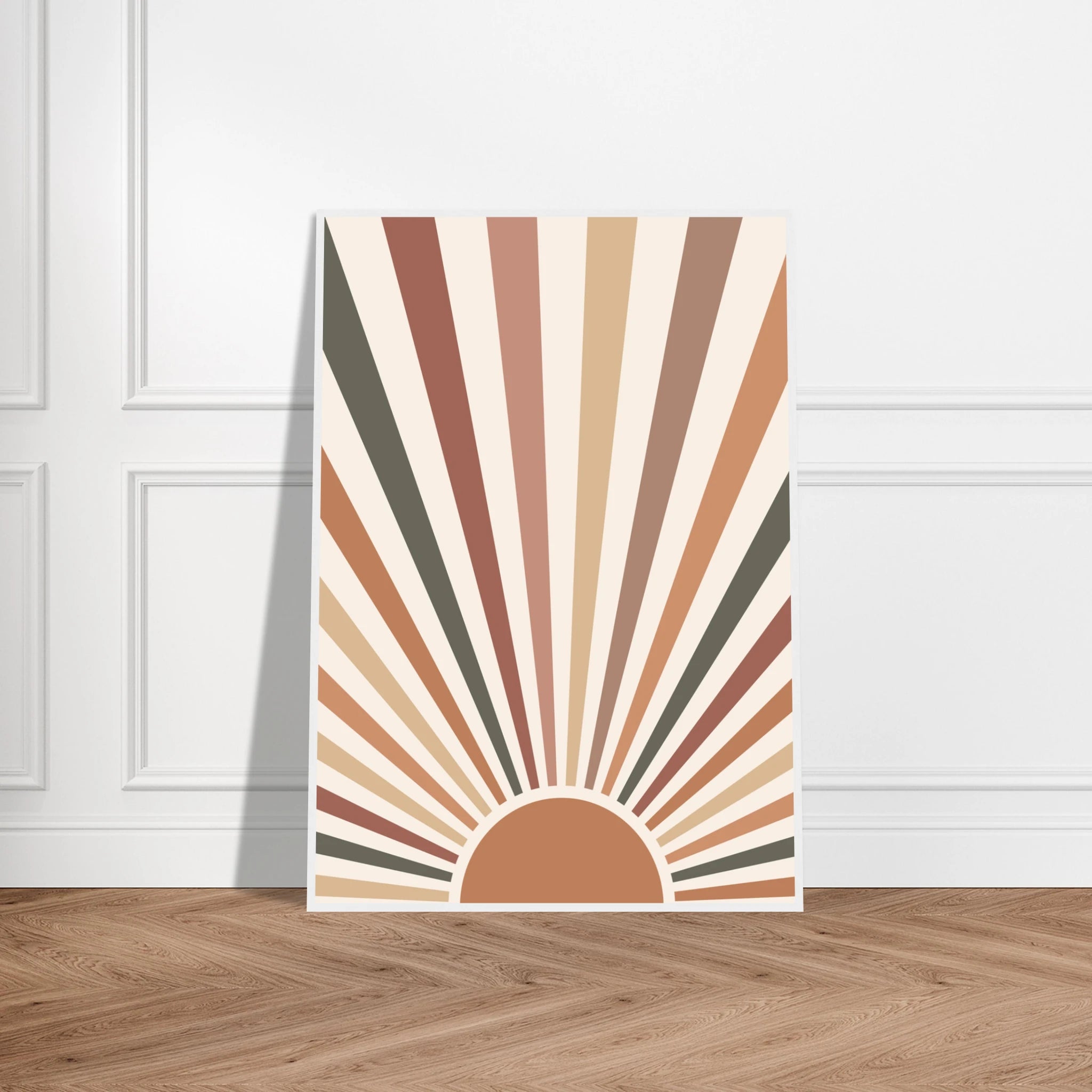
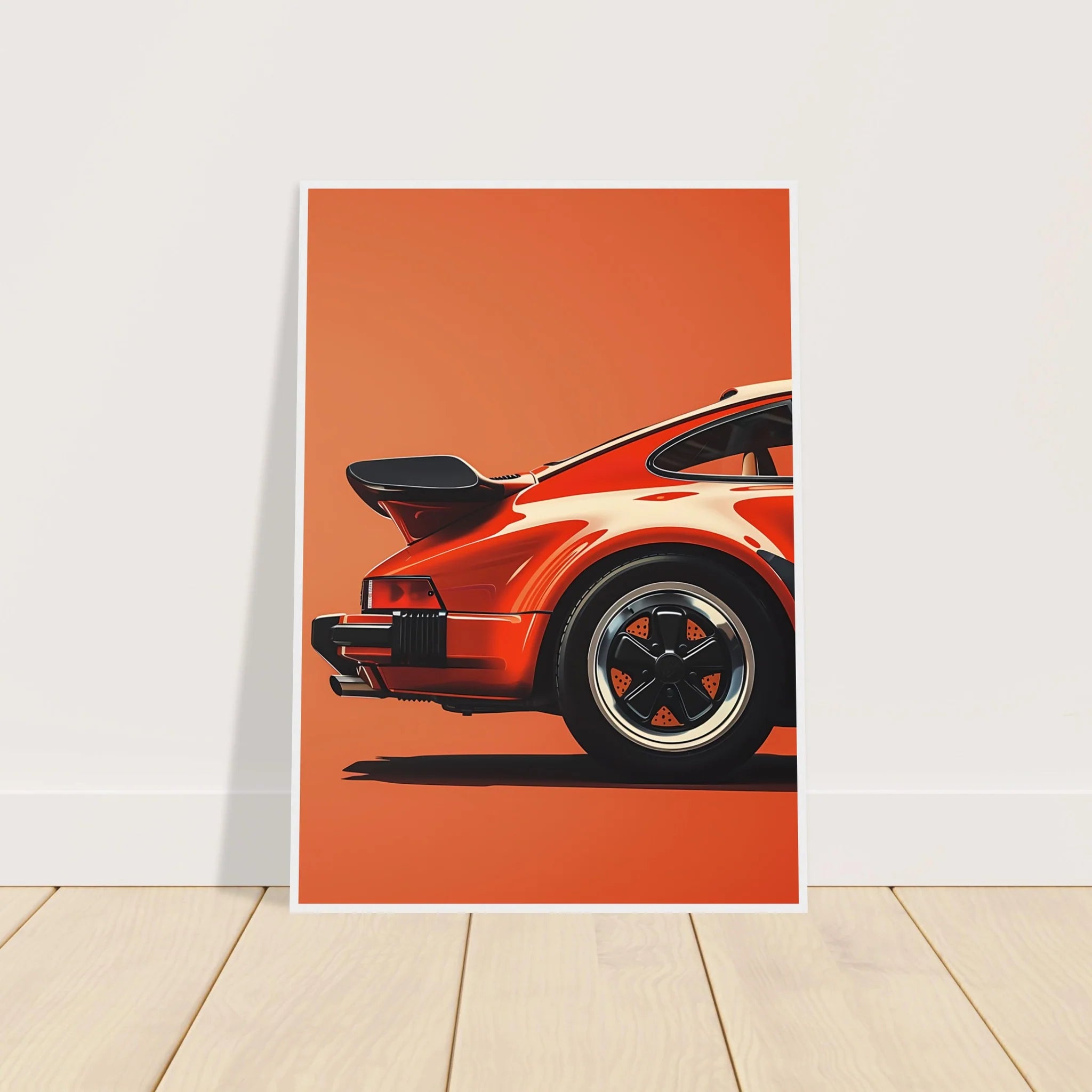




Framed Canvas Guide: Expert Tips for Stylish Wall Art 2026
Imagine walking into a room where a single framed canvas transforms blank walls into a gallery of personal style. The right framed canvas can instantly elevate any space, offering both sophistication and individuality. In this guide, you will discover expert tips and the latest trends for choosing, styling, and caring for framed canvas wall art in 2026. Our aim is to empower you to curate interiors that reflect your taste, using framed canvas art as a statement piece or a subtle accent. From understanding the basics to learning about placement, trends, care, and smart shopping, this guide will inspire you to create a home that feels uniquely yours. Ready to redefine your space with art? Let’s get started.
Understanding Framed Canvas Art: The Basics
Transforming any room starts with understanding the essentials. Framed canvas art is a versatile choice for both new decorators and seasoned designers. This section unpacks the fundamentals, from definitions and types to the real advantages and sizing tips.
What Is a Framed Canvas?
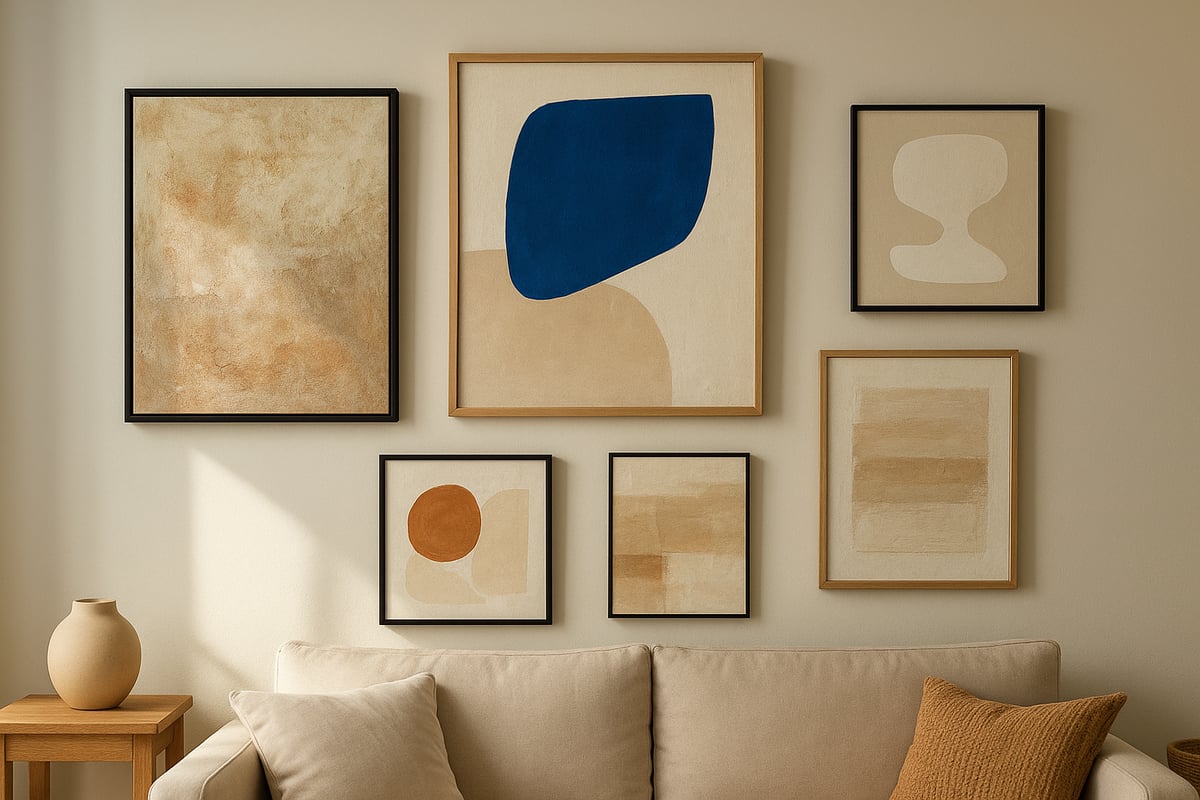
A framed canvas is a canvas print that has been stretched over a wooden frame and then mounted within a decorative outer frame. This approach distinguishes framed canvas from unframed canvas, which lacks the finished border, and from paper prints or posters that require glass for protection.
The framed canvas offers a professional finish, making it ready to hang as soon as it arrives. Popular frame materials include wood, metal, and composite options. Finishes range from matte and glossy to painted or natural wood looks. For example, a black wood frame paired with a bold abstract canvas can bring modern sophistication to any space.
Types of Framed Canvas Art
Framed canvas art comes in many forms. Single-panel canvases provide a clean, focused look, while multi-panel sets like diptychs, triptychs, or split canvases create dynamic displays. Choose between hand-painted canvases for texture and uniqueness or printed canvases for crisp imagery.
Custom photo canvases let you showcase personal memories, while ready-made art offers convenience and variety. Large-scale framed canvas pieces make bold statements, while smaller accents suit shelves or gallery walls. Some designs are even made for tabletop display, not just wall mounting. Mixing small and large canvases can create a visually balanced gallery wall.
Key Benefits of Choosing Framed Canvas
Opting for a framed canvas enhances both the look and longevity of your art. The added frame protects edges from wear and gives the piece a polished, high-value appearance. Framed canvas art blends effortlessly with modern or traditional décor, and swapping out pieces for a new season or style is simple.
This format adds depth and texture, elevating a room’s ambiance. According to Wall Art Market Worth USD 22.56 Billion in 2024, canvas prints remain among the most popular wall art formats in the US, highlighting their ongoing appeal. Framed canvas art delivers both beauty and versatility.
Common Sizes and Formats
Selecting the right framed canvas size is crucial for impact. Standard options include 8x10, 16x20, and 24x36 inches, with oversized pieces available for large walls. Canvases come in portrait, landscape, square, and panoramic formats to suit any layout.
To choose the ideal size, measure your wall and consider the furniture below. For example, art above a sofa should be about two-thirds the sofa’s width. Here’s a quick reference:
| Size (inches) | Best Use | Orientation |
|---|---|---|
| 8x10 | Small accent walls | Portrait, landscape |
| 16x20 | Bedroom, hallway | Portrait, landscape |
| 24x36 | Living rooms, above beds | Landscape, panoramic |
| Oversized | Statement walls | Any |
Careful measurement ensures your framed canvas fits perfectly and draws just the right amount of attention.
Choosing the Right Framed Canvas for Your Space
Selecting the ideal framed canvas for your home is a rewarding process that enhances both style and personality. With so many options available, making thoughtful decisions about art, size, frame, and placement ensures your wall art feels intentional and elevates the entire room.
Assessing Your Space and Style
Begin by evaluating the room’s size, wall dimensions, and lighting. Measure the available wall space to avoid overcrowding or underwhelming your area with the wrong scale of framed canvas.
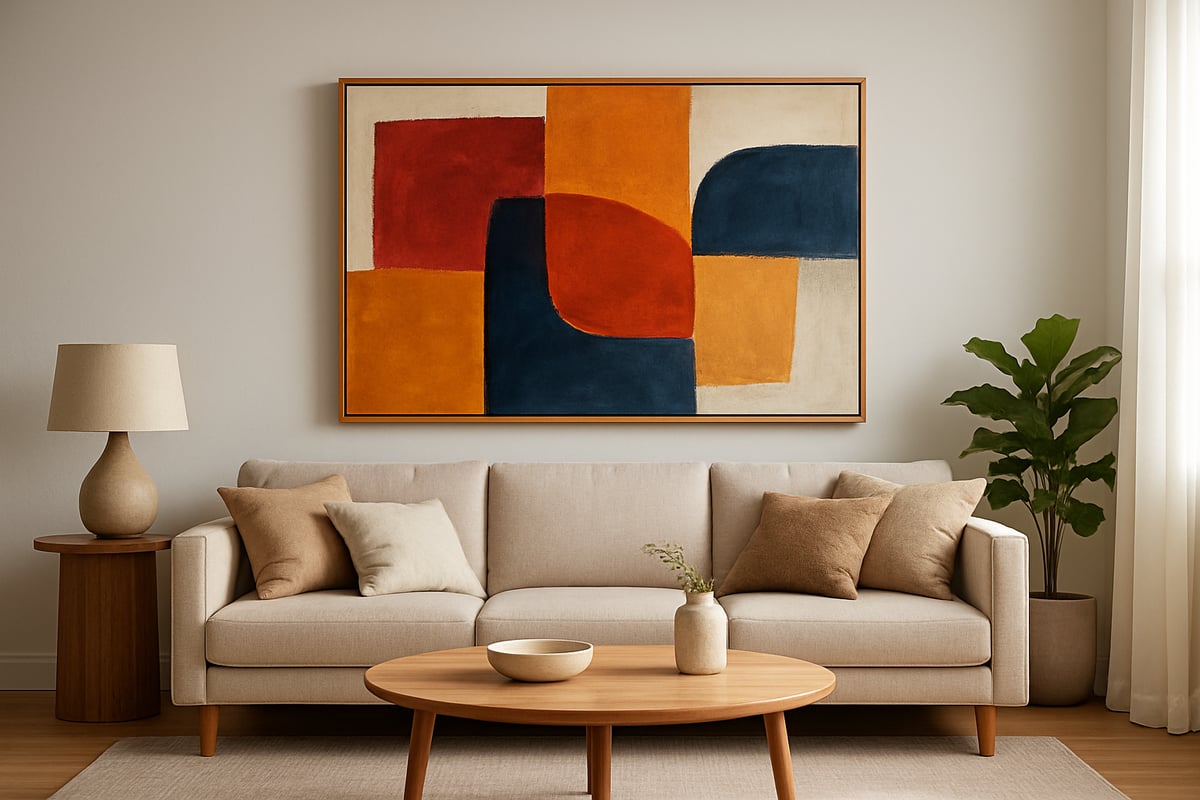
Take note of the room’s color palette and wall texture. A framed canvas should complement or thoughtfully contrast with existing décor. For example, bold abstract art in a minimalist living room can create a stunning focal point.
Consider the room’s function and mood. Is it a relaxing bedroom or a lively living area? Identify natural focal points like above a sofa, bed, or fireplace. This helps ensure the framed canvas draws attention where you want it most.
Selecting Art Themes and Subjects
Choosing the right themes and subjects for your framed canvas sets the tone for the space. Popular options include abstract, landscapes, botanicals, cityscapes, geometric patterns, and figurative art.
Think about the function of each room. Calming botanicals work well in bedrooms, while vibrant abstracts energize living spaces. Reflect your tastes and interests—travel-inspired canvases can make an entryway feel personal and inviting.
If you need more inspiration, explore choosing art for every room to match framed canvas selections with your unique style and space requirements.
Color Coordination and Visual Impact
Color plays a crucial role in the impact of framed canvas art. Choose hues that either harmonize with or boldly contrast your room’s palette. Use color theory to evoke desired moods—cool tones for calm, warm tones for energy.
Decide between monochrome and multicolor designs based on your décor. For instance, a black and white framed canvas can create striking balance in a colorful room, while a vibrant piece enlivens neutral spaces.
Consider layering several framed canvas pieces for added depth and interest, especially in open or transitional areas.
Frame Selection: Materials, Colors, and Profiles
Selecting the perfect frame is as important as the art itself. Wood frames offer warmth and work well in traditional or Scandinavian interiors, while metal frames lend a sleek, modern look.
Consider frame thickness and profile. Thin frames provide a gallery-style feel, while ornate or deep profiles add drama. Choose frame colors that echo your furniture, flooring, or trim for a cohesive effect.
Natural wood frames pair beautifully with minimalist décor, whereas painted or metallic frames can make a bold statement in contemporary spaces.
Sizing and Placement Strategies
Choosing the right framed canvas size is essential for balance. Measure your wall and consider standard sizes like 8x10, 16x20, or oversized formats. For large walls, an expansive single piece or a triptych arrangement above a dining table makes an impact.
Match the canvas orientation—portrait, landscape, square, or panoramic—to your wall shape and furniture. Gallery walls using multiple framed canvas pieces can create a dynamic display, while a single statement piece suits focal areas like above a bed.
Always leave enough space between canvases and align them with architectural features or furniture edges for a polished look.
Placement, Layout, and Hanging Tips for Maximum Style
Transforming your space with framed canvas art is not just about the artwork itself, but also how you display it. Strategic placement, thoughtful layout, and proper hanging techniques are essential to maximize the impact of your framed canvas. Follow these expert tips to achieve a gallery-worthy look in every room.
Best Practices for Placement
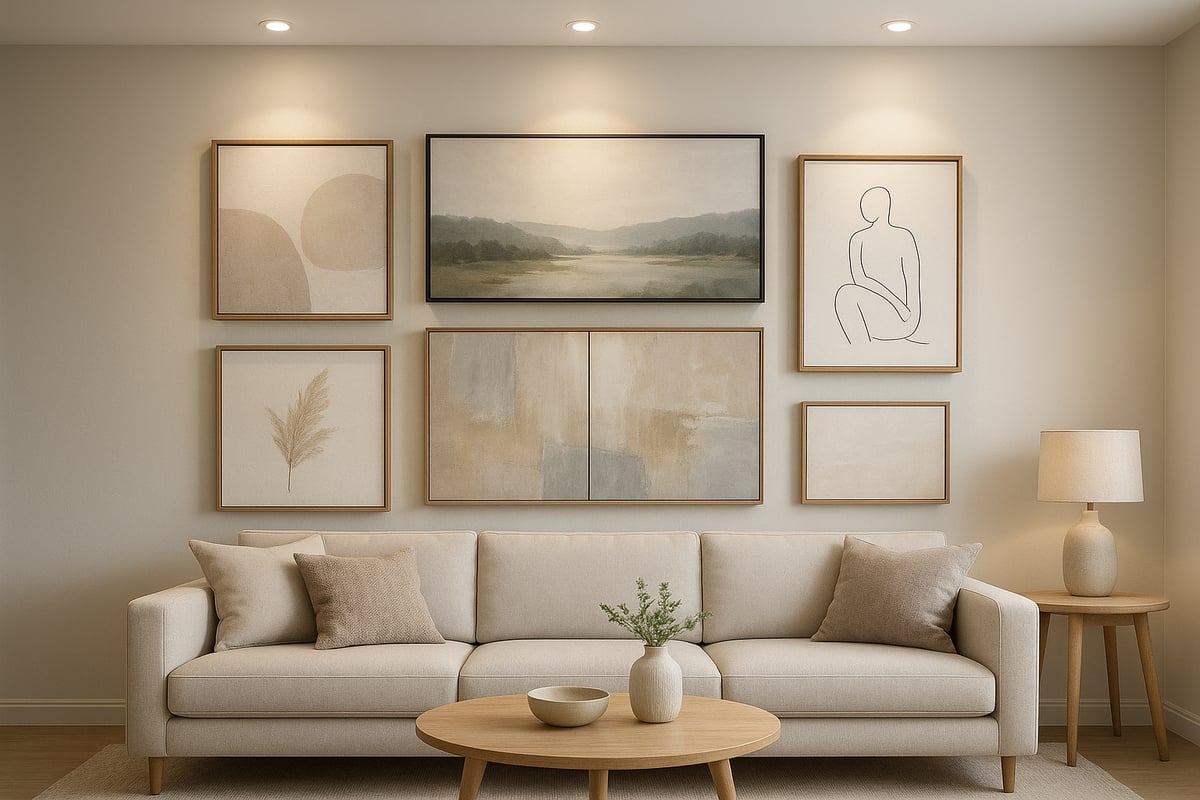
Proper placement of your framed canvas is key to creating harmony within your interior. Aim to center the artwork at eye level, which is typically 57 to 60 inches from the floor to the center of the piece. This ensures the framed canvas feels connected to the rest of the room.
When displaying multiple pieces, maintain a spacing of 2 to 4 inches between each framed canvas for a cohesive look. Align the bottom or top edges with prominent furniture, such as a sofa or headboard, to anchor the art visually.
For best results:
- Center framed canvas art with major furniture pieces
- Maintain consistent spacing between artworks
- Consider architectural features like windows and doors
A well-placed framed canvas draws attention and creates balance within your space.
Creative Layout Ideas
Exploring creative layouts can elevate the style of your framed canvas display. Consider grid patterns for a structured, modern look, or experiment with salon-style gallery walls for a more eclectic vibe. Mixing framed canvas pieces with other art types, such as mirrors or sculptural objects, adds depth and personality.
Layering different sizes works well in hallways or staircases, creating visual interest as you move through the space. For more inspiration on arranging your canvases, see these gallery wall layout strategies.
Try these ideas:
- Arrange framed canvas art in a grid for symmetry
- Combine large and small canvases for dynamic composition
- Mix in decorative objects for texture
Thoughtful layouts ensure your framed canvas collection becomes a striking focal point.
Step-by-Step Guide: Hanging Your Framed Canvas
Hanging your framed canvas correctly ensures stability and a polished appearance. Start by gathering essential tools: measuring tape, level, pencil, appropriate hooks, and wall anchors.
Measure the wall and mark where the top edge of your framed canvas will sit. Use a level to ensure your marks are straight, then install hooks or anchors based on the weight of your canvas. Carefully hang the framed canvas and adjust as needed.
Step-by-step process:
- Measure and mark the wall at eye level
- Use a level for accuracy
- Install sturdy hardware for your framed canvas
- Hang and adjust until perfectly straight
A precise approach guarantees your framed canvas sits securely and looks professional.
Avoiding Common Mistakes
Even the most beautiful framed canvas can lose its impact if not hung properly. Avoid placing art too high or too low, as this disrupts the visual flow. Select frames that complement, not clash with, your existing décor.
Be cautious not to overcrowd the wall or leave excessive empty space between pieces. Always use hardware rated for the weight of your framed canvas to prevent accidents.
Common pitfalls to avoid:
- Hanging framed canvas above standard eye level
- Using mismatched frames or styles
- Overfilling or underfilling wall space
- Skimping on proper mounting hardware
Addressing these mistakes ensures your framed canvas enhances your space rather than detracting from it.
Lighting Your Wall Art
Lighting plays a crucial role in showcasing your framed canvas. Use picture lights or spotlights to highlight textures and details, or take advantage of natural light to bring out true colors. Avoid direct sunlight, as it can cause fading over time.
LED picture lights are an excellent choice for illuminating framed canvas art without generating heat. Adjust lighting angles to minimize glare and reflections for optimal viewing.
Lighting tips:
- Use adjustable spotlights for flexibility
- Position lights to avoid direct glare on the framed canvas
- Consider dimmable options for mood settings
Proper lighting transforms your framed canvas into a captivating centerpiece, drawing attention at any time of day.
2026 Trends in Framed Canvas Wall Art
Staying ahead of the curve in home décor means understanding the latest trends shaping the world of framed canvas. In 2026, wall art is more than decoration—it is a reflection of personality, technology, and eco-conscious values. Explore what is defining the future of framed canvas art and how you can incorporate these innovations into your own space.
Popular Styles and Motifs
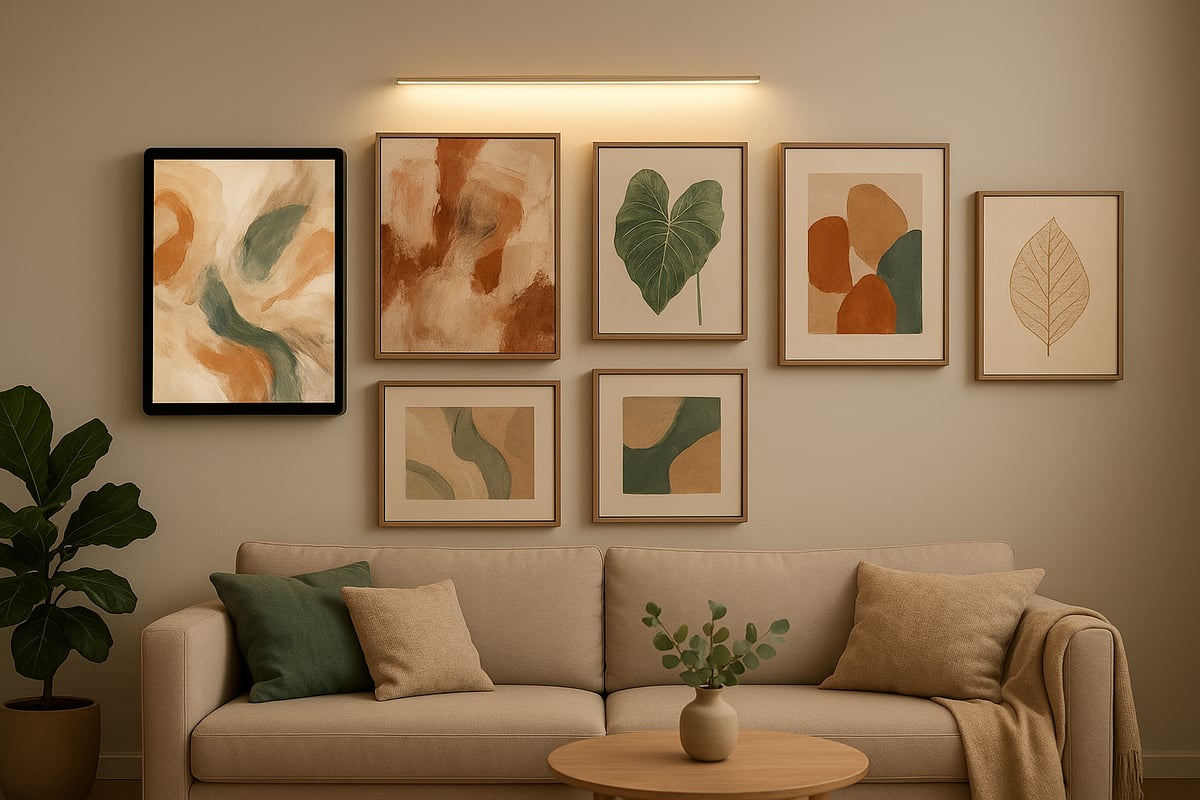
In 2026, framed canvas art is embracing a mix of expressive and serene aesthetics. Abstract expressionism leads the charge, with bold brushstrokes and dynamic color fields. Minimalist designs, oversized florals, and geometric shapes are also in demand. Earth-toned palettes, inspired by the Pantone Color of the Year, bring a sense of calm and grounding to interiors. Botanical prints and biophilic motifs echo the growing desire for a connection to nature. Homeowners are selecting framed canvas pieces that not only complement their décor but also evoke a mood or tell a personal story.
Innovative Framing Techniques
Framing is evolving rapidly, offering new ways to enhance the visual impact of framed canvas art. Floating frames and shadow box styles create depth and a gallery-like effect, while mixed-material frames—such as wood combined with metal—add unexpected texture. Sustainability is top of mind, with eco-friendly options like reclaimed wood and recycled composites gaining popularity. For a closer look at what is trending in framing, see the expert insights in 2026 Picture Frame Trends for Interior Design & Wall Décor. These innovations ensure that each framed canvas stands out, turning art into a true centerpiece.
Digital Customization and Personalization
Personalization is at the forefront of framed canvas trends. In 2026, more buyers are choosing custom photo canvases and digital artworks tailored to their tastes. Online platforms now allow users to preview art in their rooms before purchasing, making it easier to visualize the final look. A recent industry survey found that 65 percent of consumers prefer personalized wall art, underscoring the shift toward unique, meaningful décor. Whether uploading family portraits or commissioning digital designs, framed canvas options are more versatile and accessible than ever.
Integrating Art with Smart Home Technology
Technology is transforming the way we display and experience framed canvas art. Smart lighting systems can automatically adjust to highlight artwork, enhancing colors and texture throughout the day. Digital canvases allow you to change displayed images with a voice command or mobile app, creating an adaptable gallery wall. Some systems even integrate with home assistants, letting you curate your art collection hands-free. These advancements make it simple to keep your framed canvas display fresh and engaging, blending seamlessly with the modern smart home.
Caring for and Maintaining Framed Canvas Art
Proper care ensures your framed canvas remains a standout feature in your home for years. Even high-quality art pieces need regular attention to look their best and retain their value. By following expert techniques for cleaning, protection, minor repairs, and storage, you will preserve both the beauty and integrity of your artwork.
Cleaning and Dusting Techniques
Keeping your framed canvas clean starts with gentle, regular dusting. Use a soft microfiber cloth or feather duster to wipe the canvas surface and frame. Avoid using water, cleaning sprays, or harsh chemicals, as moisture can warp the canvas and damage the frame finish.
For textured or hand-painted canvases, use a soft-bristled brush to reach into crevices without scratching the surface. Dust your framed canvas every two to four weeks, depending on your home's environment. Consistent care helps prevent buildup and keeps colors vibrant.
If you live in a compact space, consider creative storage or display solutions to minimize dust accumulation. For more inspiration on maintaining art in small interiors, explore these wall art ideas for small spaces.
Protecting Against Sunlight and Moisture
Sunlight and humidity are leading causes of fading and deterioration in framed canvas art. Avoid placing your artwork where it receives direct sunlight, as UV rays can fade both canvas and frame. If your space is bright, opt for UV-protective glass or specialized coatings to add a barrier against harmful rays.
Keep framed canvas away from areas prone to high moisture, such as bathrooms or kitchens. Excess humidity can lead to mold growth, warping, or frame damage. If you must display art in these locations, ensure proper ventilation and monitor humidity levels to safeguard your investment.
Simple actions like closing blinds during peak sunlight hours and using dehumidifiers can significantly extend the life of your framed canvas.
Frame and Canvas Repair Tips
Even with the best care, framed canvas art may occasionally need minor repairs. If the canvas becomes loose or saggy, gently tighten it by adjusting the stretcher bars or using canvas pliers. For small stains, use a dry, soft eraser or spot-clean with a barely damp cloth, testing on a hidden area first.
Loose corners or frame joints can often be secured with wood glue or small finishing nails. However, if you notice severe damage, such as deep scratches or tears, consult a professional art restorer for expert help.
Regularly inspect your framed canvas to catch issues early. Prompt attention to repairs ensures your artwork remains pristine and structurally sound.
Long-Term Preservation and Storage
Proper storage techniques are essential for preserving your framed canvas during seasonal rotations or moves. Store art in a climate-controlled area with stable temperature and humidity, ideally between 65–75°F and 40–50% humidity. Avoid attics, basements, or garages, where conditions can fluctuate.
When packing, wrap each framed canvas in acid-free tissue paper and place it in a sturdy box. Store pieces upright, not flat, to prevent pressure marks or warping. For collections, label boxes clearly and keep them off the floor to avoid accidental water damage.
Taking these precautions will keep your framed canvas art in excellent condition, ready to display whenever inspiration strikes.
Where to Buy Framed Canvas Art: Shopping Tips & Trusted Sources
Choosing the right place to purchase a framed canvas can make all the difference in achieving a high-end look for your space. With so many options available, knowing what to look for ensures your investment pays off in both style and longevity.
Evaluating Quality and Craftsmanship
When selecting a framed canvas, focus on construction and materials. Look for tight, flawless corners, sturdy frames, and a canvas that is stretched evenly with no sagging. The print quality should be sharp, with accurate colors and no visible pixelation or blurring.
A well-made framed canvas uses archival inks and acid-free canvas for longevity. Compare mass-produced pieces to artisan-made options by checking frame joints, backing, and canvas texture. For example, a premium framed canvas will have seamless corners and a frame finish that matches your decor.
- Check for solid wood or metal frames rather than composite
- Inspect print clarity and color vibrancy
- Look for secure mounting hardware
These details ensure your framed canvas stands out as a true statement piece.
Online vs. In-Store Shopping
Both online and in-store shopping offer unique benefits for finding the perfect framed canvas. Online retailers provide a vast selection, customization tools, and the convenience of browsing from home. In-store shopping lets you assess color, texture, and build quality firsthand.
Consider factors like return policies, shipping costs, and customer reviews. According to Home Decor Decoded: Diving into US Market Trends, 70% of wall art purchases now occur online, reflecting buyer confidence in digital platforms. However, seeing a framed canvas in person can help you match it precisely to your space.
Compare prices between sources, and always verify satisfaction guarantees before purchasing.
Custom Orders and Commissioned Art
For a truly personalized touch, consider commissioning a custom framed canvas. Many artists and studios offer bespoke services, allowing you to select the art, frame style, and dimensions that suit your space perfectly.
Start by browsing portfolios and reviews, then discuss your vision and budget directly with the artist. Custom orders can include family photos, original artwork, or collaborative designs. For example, you might commission a series of framed canvas pieces to create a cohesive gallery wall that reflects your personal style.
- Choose frame materials and finishes
- Specify exact sizes and layout
- Collaborate for unique themes or colors
A custom framed canvas transforms your home into a curated art gallery.
Budgeting and Finding Deals
Setting a budget for framed canvas art helps you prioritize quality without overspending. Watch for seasonal sales, online promotions, and bundle offers from reputable retailers. Many shops offer discounts for first-time buyers or for purchasing multiple canvases.
Affordable framed canvas options can still deliver style and durability if you inspect materials and craftsmanship. To maximize value, opt for ready-made art in standard sizes, which often costs less than custom work. For example, shopping during end-of-season sales can help you secure a high-quality framed canvas at a fraction of the price.
- Compare prices across platforms
- Look for wholesale or clearance deals
- Use reviews to gauge quality before buying
Strategic shopping ensures you get beautiful framed canvas art that fits your budget and design goals.