

Guide to Wall 3D Panels: Transform Your Space in 2026
Imagine transforming your plain walls into stunning, textured masterpieces that redefine your space in 2026. Wall 3d panels are changing the way we approach interior design, bringing depth and modern sophistication to any room. This guide will show you how to elevate your home or office using the latest advancements in wall 3d panels. By the end, you’ll know the top options for 2026 and exactly how to implement them. We’ll cover everything from benefits and materials to installation, trends, and creative inspiration to help you create an unforgettable space.
What Are Wall 3D Panels?
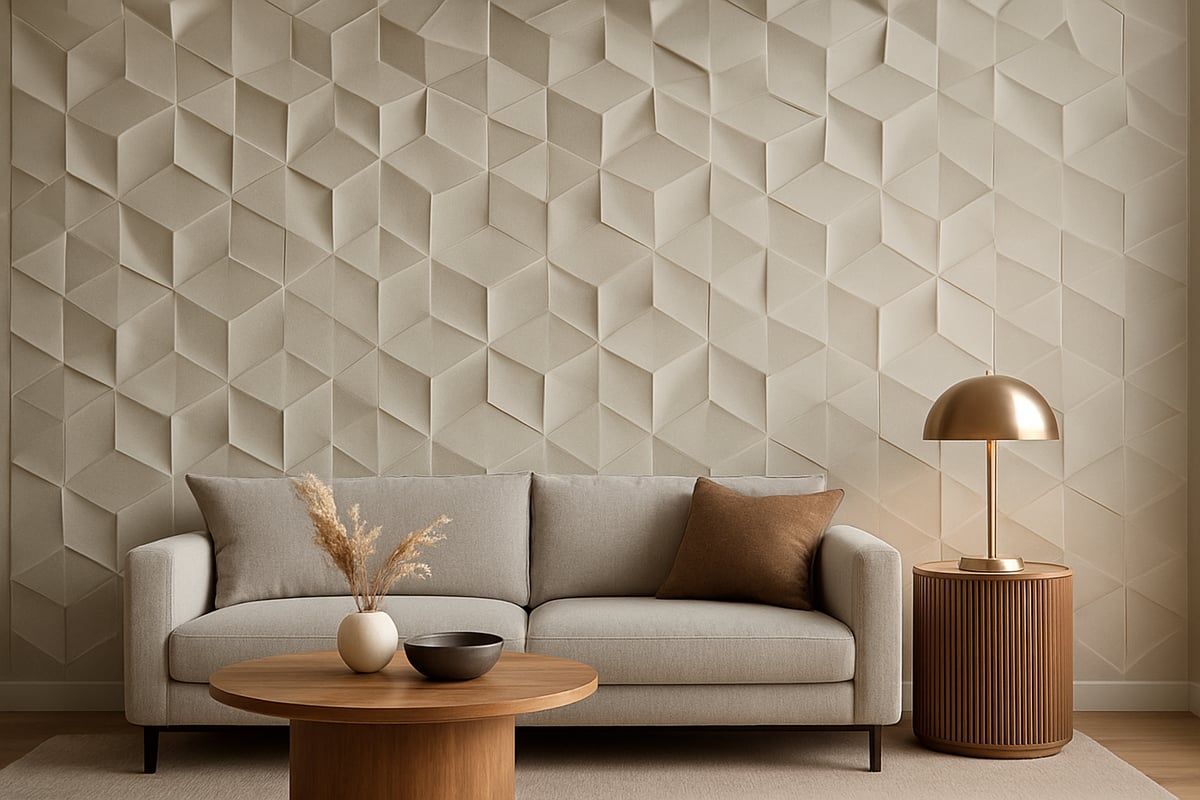
Wall 3D panels are decorative wall coverings designed to add depth and dimension to any space. Unlike flat surfaces, these panels feature raised textures and sculpted patterns that create visual interest. The concept of wall 3D panels has evolved from simple decorative moldings to innovative, modern designs seen in homes and commercial environments today.
Originally used in luxury interiors, wall 3D panels have become accessible for a wider range of applications. Compared to traditional wall treatments like paint, wallpaper, or wainscoting, wall 3D panels provide a tactile experience that transforms plain walls into dynamic features. While 2D panels offer only color or pattern, 3D panels stand out by playing with light and shadow. You will find wall 3D panels in living rooms, offices, hotels, and retail spaces, where they serve both functional and aesthetic roles.
Definition and Overview
Wall 3D panels are made to introduce raised textures and artistic designs directly onto your walls. This design element dates back to early architectural ornamentation, but recent innovations have made wall 3D panels more versatile and accessible. They differ from wallpaper or paint by offering actual physical relief, not just visual pattern.
A primary distinction is the difference between 2D and 3D designs. Where 2D options only change the look, wall 3D panels change both look and feel. They are commonly used in residential, commercial, and hospitality settings for accent walls, feature areas, and even entire rooms.
How Wall 3D Panels Work
The science behind wall 3D panels lies in their ability to create depth through raised surfaces. These panels use patterns and relief to manipulate light, casting subtle shadows that change throughout the day. As a result, the panels can make a room feel more dynamic and engaging.
Wall 3D panels also have acoustic benefits. Their textured surfaces can absorb or diffuse sound, improving room acoustics. Installation is modular, allowing patterns to repeat seamlessly across large areas. This flexibility makes wall 3D panels a practical solution for both style and function.
Popular Materials Used
Wall 3D panels are manufactured from a variety of materials, each offering unique benefits. Common choices include:
- PVC: Lightweight, water-resistant, and budget-friendly.
- MDF (Medium-Density Fiberboard): Offers a premium feel and can be finished in paint or laminate.
- Natural wood: Provides warmth and authentic grain textures.
- Bamboo: Eco-friendly and flexible, great for organic designs.
- Gypsum: Allows for intricate, sculptural detail and is fire-resistant.
- Eco-friendly options: Panels made from recycled or sustainable resources.
When choosing wall 3D panels, consider durability, appearance, cost, and fire rating. Some materials are better for high-moisture areas, while others excel in aesthetics or sustainability.
Key Features and Specs
Wall 3D panels come in various standard sizes, such as 12"x12" or 48"x96". Thickness can range from 3/4 inch to over an inch, depending on the material. Surface finishes include 3D laminate, paint-grade, matte, textured, and metallic options.
Customization is a significant advantage. Many wall 3D panels are available in a range of patterns, colors, and finishes to suit your specific design vision. Fire-rated versions are available for compliance in commercial settings, ensuring both safety and style.
Industry Data and Market Growth
The demand for wall 3D panels has surged in recent years, driven by a growing interest in tactile, dimensional interiors. Homeowners and designers are seeking new ways to add texture and depth, making these panels a top choice for feature walls and commercial spaces.
According to 3D Wall Panels Market Growth Statistics, the global market for wall 3D panels is projected to continue expanding rapidly through 2026 and beyond. This trend reflects the increasing popularity of textured wall solutions and the broadening range of available materials and designs.
Benefits of Wall 3D Panels
Wall 3D panels are more than just a design trend—they are a practical, versatile solution that transforms interiors in remarkable ways. Explore how these panels deliver both style and substance, from visual appeal to real-world functionality.

Visual and Aesthetic Impact
Wall 3D panels instantly change the look and feel of any room. Their raised surfaces add dimension, depth, and striking shadows, making flat walls come alive. You can create a statement wall in a living room, bedroom, or office, drawing the eye and setting the tone for the space.
These panels enhance design themes, whether you prefer modern, minimalist, industrial, or luxury styles. The variety of patterns and textures available with wall 3d panels allows for endless creativity, letting you personalize your environment and achieve a truly custom appearance.
Acoustic and Functional Advantages
Beyond aesthetics, wall 3d panels offer practical benefits. Their textured surfaces help absorb sound, making spaces quieter and more comfortable—ideal for home offices, studios, or busy commercial areas.
They can also conceal minor wall imperfections or damage, providing a smooth, flawless look without extensive repairs. In addition, wall 3d panels can cleverly hide wiring, cables, or unsightly wall features, keeping your interiors neat and organized.
Versatility and Flexibility
One of the standout advantages of wall 3d panels is their adaptability. Suitable for homes, offices, hotels, restaurants, and retail spaces, they fit seamlessly into nearly any environment.
You can choose from subtle patterns for a soft effect or bold designs for maximum impact. Wall 3d panels also integrate easily with other wall treatments, such as paint, wallpaper, or artwork, giving you the freedom to mix and match styles for a unique finish.
Durability and Maintenance
Wall 3d panels are engineered for lasting performance. Depending on the material, they resist moisture, stains, and everyday impacts, making them ideal for high-traffic areas or rooms with humidity, like kitchens and bathrooms.
Many options are fire-rated for safety compliance. Maintenance is simple—most panels need only occasional dusting or gentle cleaning to maintain their original beauty. With wall 3d panels, you invest in a solution that stands up to daily life.
Environmental and Health Considerations
Today’s wall 3d panels are available in eco-friendly materials such as bamboo and recycled PVC. Many feature low-VOC and non-toxic finishes, supporting healthier indoor air quality.
As sustainability becomes a priority in design, you can find panels certified for green building standards. For more insights on sustainable options and their growing impact, see the Sustainable Materials in 3D Wall Panels report.
Economic Value
Wall 3d panels provide a cost-effective way to achieve a sophisticated, high-end look without the expense of major renovations. They enhance property value, making spaces more appealing to buyers or renters.
With DIY-friendly options, installation costs can be minimized. Whether you want to refresh a single room or update an entire property, wall 3d panels deliver impressive results on any budget.
Types and Materials of Wall 3D Panels
Choosing the right type of wall 3d panels is essential for achieving your desired look, durability, and functionality. With a variety of materials and finishes available, you can tailor your selection to suit any environment or design vision. Recent Architectural Wall Panels Market Analysis highlights a surge in innovative materials and growing demand in 2026.

PVC and Plastic Panels
PVC wall 3d panels offer a lightweight, water-resistant solution ideal for high-moisture spaces like bathrooms and kitchens.
- Available in a wide range of patterns and colors
- Easy to install and maintain
- Budget-friendly and durable
These panels are perfect for DIY projects and rental properties due to their ease of removal and repositioning. However, they may lack the premium feel of natural materials.
MDF and Wood Panels
For a more luxurious and tactile effect, MDF or natural wood wall 3d panels are a top choice.
- Deep, rich textures and authentic finishes
- Paintable or laminate surfaces for customization
- Excellent acoustic properties
Wood panels add warmth and sophistication to any space. While they are heavier and may require professional installation, the results are often stunning and long-lasting.
Bamboo and Natural Fiber Panels
Eco-conscious designers increasingly turn to bamboo and natural fiber wall 3d panels.
- Sustainable, fast-growing material
- Unique organic textures
- Suitable for biophilic and nature-inspired interiors
Bamboo panels are flexible and lightweight, making them easy to install. Their natural look pairs beautifully with boho or Scandinavian décor.
Gypsum and Plaster Panels
Gypsum wall 3d panels provide highly detailed, sculptural effects for dramatic feature walls.
- Fire-resistant and paintable
- Crisp, intricate surface designs
- Heavier and more permanent installation
These panels are favored in luxury or commercial settings seeking bold visual impact. However, they require careful handling and professional installation due to their weight.
Acoustic 3D Panels
Acoustic wall 3d panels combine form and function by improving sound control in busy environments.
- Made from materials like wood slats or felt
- Effective sound dampening for offices, studios, and theaters
- Available in decorative patterns and colors
They are ideal for spaces where noise reduction is crucial without sacrificing design.
Custom and Specialty Panels
For unique projects, custom wall 3d panels are designed to exact specifications.
- Custom patterns, sizes, and finishes
- Integration with lighting, backlighting, or branding
- Suitable for statement walls and creative installations
These panels offer limitless design possibilities and are often used in high-end residential or commercial projects.
Comparison Table
Below is a quick comparison of the most popular wall 3d panels materials:
| Material | Durability | Cost | Installation | Best Uses |
|---|---|---|---|---|
| PVC | High | Low | Easy | Bathrooms, kitchens |
| MDF/Wood | High | Medium | Moderate | Living rooms, offices |
| Bamboo | Medium | Medium | Easy | Eco-friendly designs |
| Gypsum/Plaster | High | High | Difficult | Feature walls, hotels |
| Acoustic | High | Medium | Moderate | Studios, meeting rooms |
| Custom/Specialty | Variable | High | Variable | Unique, branded spaces |
Selecting the right material for your wall 3d panels ensures a balance of style, performance, and sustainability for any project.
2026 Design Trends in Wall 3D Panels
Staying ahead in interior design means understanding the latest innovations in wall 3d panels. In 2026, these panels are at the forefront of modern spaces, blending art, technology, and sustainability. Let’s explore the top design trends shaping the future of wall 3d panels and how you can incorporate them into your projects.

Trending Patterns and Textures
In 2026, geometric, wavy, fluted, and organic forms dominate the landscape of wall 3d panels. Designers are gravitating toward large-scale, seamless patterns that create dramatic visual statements. Diamond, slat, ribbed, and sculpted effects are especially popular, offering endless creative possibilities.
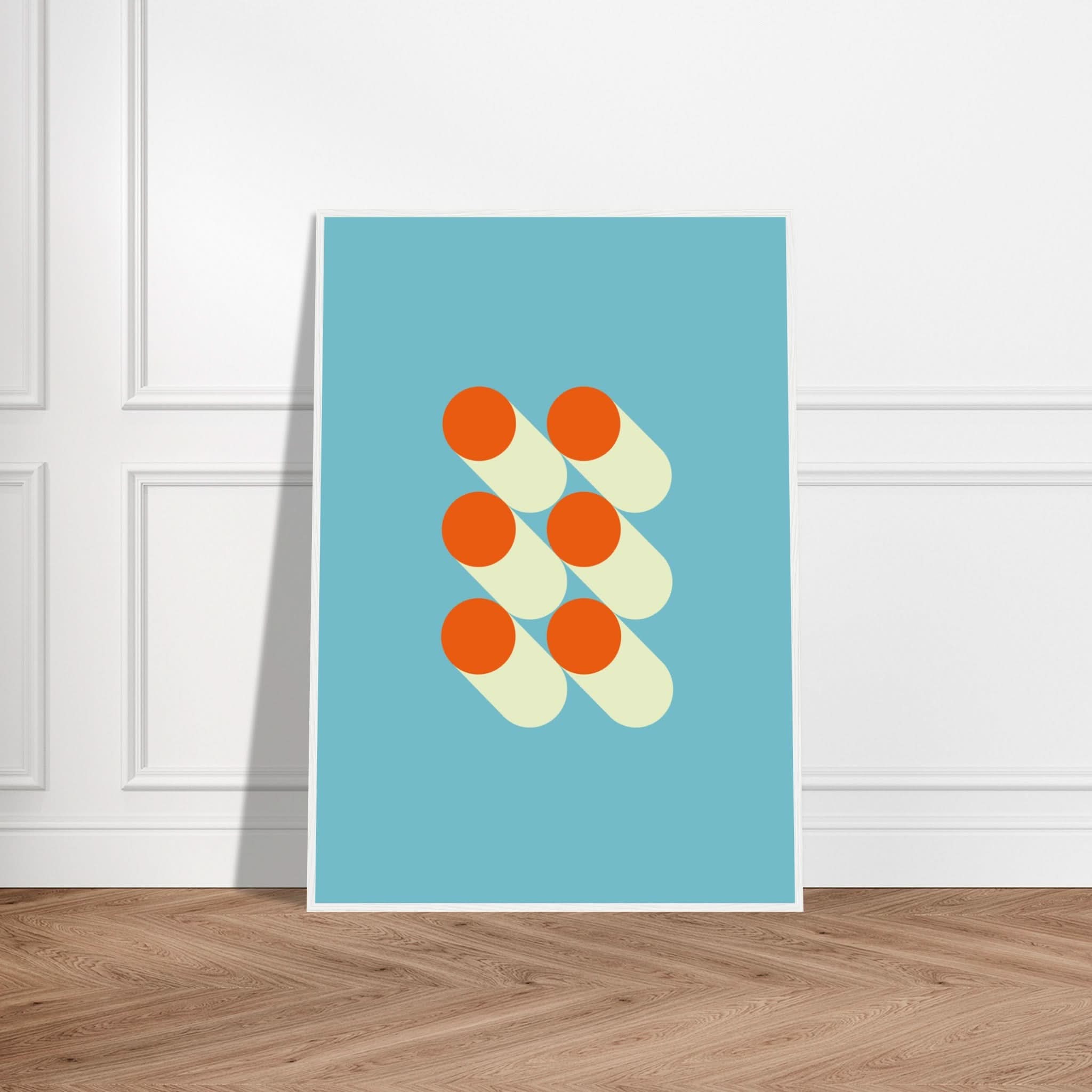
Panels with bold geometric motifs, such as those seen in the Geometric wall art prints collection, inspire fresh approaches to pattern and texture. The use of repeating shapes and varied depths enhances both tactile and visual interest, making walls true focal points. Whether you seek subtle sophistication or eye-catching drama, there is a wall 3d panels design to match every taste.
Color and Finish Innovations
Color and finish innovations are redefining wall 3d panels this year. Matte and high-gloss finishes are both in demand, providing flexibility for different design aesthetics. Natural wood grains, metallics, and stone-inspired surfaces add depth and luxury.
Designers are also embracing bold colorways and custom hues, often with over 35 finishes available from leading brands. These vibrant or subdued palettes help wall 3d panels blend seamlessly with existing decor or stand out as statement pieces. The ability to customize colors and finishes allows for truly personalized interiors.
Sustainable and Eco-Friendly Choices
Sustainability is a driving force behind the latest wall 3d panels trends. Homeowners and designers are choosing bamboo, recycled materials, and panels made with low-impact manufacturing processes. Eco-friendly certifications and labels are becoming standard, reflecting a commitment to environmental responsibility.
Bamboo and natural fiber panels are especially popular for their renewable qualities and organic textures. These sustainable wall 3d panels not only look beautiful but also support healthier indoor environments with low-VOC and non-toxic finishes.
Integration with Smart Home and Lighting
Smart technology is making its mark on wall 3d panels in 2026. Many panels are now designed for backlighting or integration with LED systems, creating dynamic visual effects and setting the mood in any space. Lighting can accentuate the depth and texture of the panels, making the patterns come alive.
Some advanced wall 3d panels feature smart acoustic properties, allowing users to control noise levels via connected devices. This blend of design and technology enhances both comfort and aesthetics, making panels a smart investment for modern homes and offices.
Case Studies and Examples
Notable installations of wall 3d panels can be found in homes, offices, hotels, and retail environments. Designers are using these panels to create signature accent walls, immersive lobbies, and branded commercial spaces. Top-rated collections, such as Soelberg’s Classic and Grande, showcase the versatility and impact of textured surfaces.
Amazon’s best-selling wall 3d panels highlight consumer preferences for easy installation and bold design. Real-world projects often combine panels with complementary elements like art and lighting, demonstrating their adaptability in diverse settings.
Data and Statistics
The market for wall 3d panels is projected to grow significantly in 2026, driven by demand for texture and dimension in interiors. Surveys show that more homeowners and businesses are prioritizing tactile finishes and innovative wall treatments.
Industry data points to a rise in sales for both residential and commercial applications. With evolving consumer preferences, wall 3d panels are set to remain a staple in contemporary design, offering unmatched flexibility and style.
Step-by-Step Guide: How to Install Wall 3D Panels
Transforming your space with wall 3d panels begins with a well-organized installation process. Whether you are a seasoned DIYer or tackling this for the first time, following each step carefully ensures a flawless finish and lasting results. Let’s break down the process to make installation simple and achievable.
Planning and Preparation
Start by measuring the wall where you want to install wall 3d panels. Accurate measurements prevent shortages or excess materials. Calculate the total surface area and determine how many panels you will need, considering the panel size and pattern repeats.
Choose your panel type and finish based on the room’s needs. For instance, moisture-resistant panels suit bathrooms, while wood or MDF adds warmth to living areas. Gather all necessary tools: tape measure, level, pencil, adhesive, saw, and safety gear.
Here’s a quick checklist:
- Measure wall dimensions
- Select wall 3d panels (material, finish, pattern)
- Purchase adhesive and tools
- Plan your layout for pattern alignment
If you need further guidance, consult a DIY 3D Wall Panel Installation Guide for extra tips and visuals.
Wall Surface Preparation
A smooth, clean surface is crucial for installing wall 3d panels. First, remove any dust, grease, or loose paint from the wall. Fill in holes or cracks with spackle, then sand until even.
Mark guidelines on the wall using a level and pencil. These reference lines help keep your panels perfectly straight and ensure an even installation from start to finish.
- Clean and dry the wall thoroughly
- Repair imperfections and sand smooth
- Draw horizontal and vertical guidelines for alignment
Proper surface prep prevents future issues and helps panels adhere securely.
Panel Installation Steps (Chronological)
Begin by dry-fitting your wall 3d panels on the floor to finalize the layout. This step allows you to visualize pattern flow and make adjustments before applying adhesive.
Step-by-step process:
- Apply adhesive to the back of each panel, focusing on edges and corners.
- Start installation from the center or a chosen edge, aligning panels with your guidelines.
- Press each panel firmly onto the wall, ensuring tight seams.
- Use a level to check alignment as you go.
- Cut panels as needed to fit around outlets or edges using a fine-tooth saw.
- Continue placing panels, maintaining consistent spacing and pattern flow.
Taking your time during this stage ensures a seamless, professional look.
Finishing Touches
Once your wall 3d panels are set, inspect the seams and edges. Use caulk to fill small gaps for a smooth, continuous surface. If your panels are paintable, apply a coat of your chosen color after the adhesive cures.
Wipe down the panels with a damp cloth to remove dust or fingerprints. Double-check for any loose sections or misalignments and fix them before the adhesive fully sets.
- Caulk seams and touch up paint as needed
- Clean panel surfaces
- Inspect the finished wall for consistency
These finishing touches elevate your installation from good to great.
DIY vs. Professional Installation
Deciding between DIY and hiring a professional depends on your skill level and project complexity. Many wall 3d panels are designed for easy installation, making them accessible for most homeowners.
DIY advantages:
- Lower labor costs
- Flexible timing
- Personal satisfaction
Professional installation is ideal for large walls, complex layouts, or specialty materials. Pros ensure speed and precision, especially for commercial spaces.
Typical installation time ranges from a few hours for small walls to a full day for larger projects. Consider your budget, timeline, and confidence before choosing your approach.
Common Mistakes and Troubleshooting
Even with careful planning, mistakes can happen during wall 3d panels installation. Here are some common issues and solutions:
- Misaligned panels: Use guidelines and check with a level as you work.
- Gaps or uneven seams: Adjust panels before adhesive sets and fill small gaps with caulk.
- Adhesive not holding: Ensure the wall is clean and use the recommended adhesive for your panel type.
- Uneven walls: Shim panels or use thicker adhesive in low spots for a flush finish.
- Damaged panels: Replace individual panels as needed, being careful to match pattern and color.
By troubleshooting promptly, you ensure your wall 3d panels look impeccable for years to come.
Creative Applications and Design Inspiration
The creative possibilities with wall 3d panels are virtually limitless. From bold accent walls to subtle textural enhancements, these panels allow you to reimagine any environment. Whether you want to make a dramatic statement or add refined detail, wall 3d panels offer the flexibility and style needed to transform your space.
Accent Walls and Focal Points
Wall 3d panels are the perfect choice for creating striking accent walls and captivating focal points. Their dimensional surfaces immediately draw the eye and can turn an ordinary wall into a work of art.
In living rooms, bedrooms, or lobbies, a well-placed installation can serve as the centerpiece of the entire space. Layering wall 3d panels with paint, wallpaper, or curated art further enhances the effect. For instance, pairing textured panels with Abstract wall art prints creates a dynamic visual interplay that elevates modern interiors.
Choose bold geometric patterns for a contemporary look or organic textures for a softer ambiance. Wall 3d panels can also be customized to fit your color scheme, ensuring a seamless integration with your existing décor.
Commercial and Hospitality Spaces
In commercial and hospitality environments, wall 3d panels are used to reinforce brand identity and improve acoustics. Offices benefit from stylish partitions or meeting room backdrops that absorb sound and inspire creativity.
Hotels and restaurants use wall 3d panels to define lounges, dining areas, and lobbies, offering guests a memorable first impression. The panels can also be applied in retail settings, where eye-catching textures attract customers and enhance the overall shopping experience.
Acoustic 3D panels are especially valuable in open-plan layouts, helping to manage noise while adding visual interest. For business owners, wall 3d panels deliver both functional and aesthetic benefits in high-traffic spaces.
Ceiling and Multi-Surface Installations
Wall 3d panels are not limited to vertical surfaces. Extending them onto ceilings or curved walls adds a new dimension to your design. Ceiling installations create immersive environments in entertainment venues, wellness centers, or home cinemas.
Using wall 3d panels on multiple surfaces can visually unify a space and highlight architectural features. Consider wrapping panels around corners or columns for a cohesive, continuous look.
These creative applications are ideal for spaces where you want to make a lasting impact, such as hotel lobbies, spas, or high-end residences. With the right combination of materials and patterns, the possibilities are endless.
Mixing and Matching Styles
For those seeking a personalized touch, mixing different wall 3d panels patterns or finishes delivers a custom result. Pairing sleek, minimalist designs with organic, textured panels creates depth and contrast.
Integrate wall 3d panels with existing elements like paint, wallpaper, or even boho-inspired décor. For example, combining textured panels with pieces from a Boho abstract poster collection can evoke a warm, inviting atmosphere while maintaining a modern edge.
This approach works well across a range of interior styles, from industrial lofts to luxury suites. The flexibility of wall 3d panels ensures you can achieve your desired look without compromise.
Seasonal and Temporary Uses
Wall 3d panels are also available in removable and peel-and-stick varieties. These options are perfect for renters, seasonal updates, or temporary installations for events.
Switching out panel designs lets you refresh your space in line with current trends or personal preferences. Wall 3d panels can be a practical solution for those who love to experiment with new looks without long-term commitments.
Real-Life Examples
Many top-rated products, such as those from Art3d and Soelberg, showcase the transformative power of wall 3d panels. Before-and-after photos highlight dramatic changes, from bland rooms to inspiring environments.
Whether used in homes, offices, or hospitality venues, wall 3d panels deliver both style and substance. They have become a favorite among designers and homeowners seeking unique, memorable interiors.
Care, Maintenance, and Longevity of Wall 3D Panels
Proper care and maintenance are essential for keeping wall 3d panels looking their best year after year. By following a few simple steps, you can ensure your panels remain a standout feature in your space.
Cleaning and Upkeep
Regular cleaning is key to preserving the appearance of wall 3d panels. For PVC or plastic varieties, simply dust with a microfiber cloth or use a damp sponge for tougher dirt. Wood panels benefit from gentle vacuuming with a brush attachment. For gypsum or painted finishes, avoid harsh chemicals and stick to mild soap and water.
- Dust weekly to prevent buildup
- Spot clean stains promptly
- Avoid abrasive tools or solvents
With these habits, wall 3d panels can maintain their texture and color without fading or damage.
Repair and Replacement
Minor dents or chips on wall 3d panels can often be repaired with touch-up kits or matching filler. If a panel is severely damaged, individual replacements are possible without removing the whole installation. Always keep spare panels or touch-up materials on hand for quick fixes.
- Fill small cracks with suitable filler
- Replace only affected panels, not entire walls
- Consult manufacturer guides for best results
This approach saves both time and cost while keeping your walls flawless.
Longevity and Durability
The lifespan of wall 3d panels depends on material and environment. PVC and MDF panels are moisture resistant and can last over a decade with minimal care. Natural wood and bamboo panels offer durability but may require occasional resealing. Exposure to direct sunlight or heavy impact can reduce longevity, so choose the right panel for each space.
- Expect 10+ years from most panels
- Protect from excess moisture and UV
- Select fire rated panels for added safety
Quality wall 3d panels are an investment in long term style and performance.
Warranty and Support
Many leading brands provide warranties on wall 3d panels, typically ranging from one to five years. Coverage often includes defects in materials or workmanship. Always register your purchase and keep documentation for reference. For technical support, manufacturers often provide installation guides and troubleshooting resources on their websites.
- Check warranty terms before purchase
- Register products for full coverage
- Access support for installation or repairs
A strong warranty adds peace of mind to your investment.
Environmental Considerations
When disposing of old wall 3d panels, consider recycling options, especially for PVC or bamboo varieties. Some manufacturers offer take back programs for sustainable disposal. Choosing panels made from recycled or eco friendly materials supports a greener future. For those inspired by dimensional design, exploring Bauhaus wall art prints can be a responsible way to update your décor while maintaining a focus on sustainability.
- Recycle panels where facilities exist
- Choose low VOC, non toxic finishes
- Support brands with green initiatives
Responsible care ensures your wall 3d panels benefit both your home and the environment.