

Abstract Painting Artwork Guide for Beginners (2025)
Unlock your creativity and transform blank canvases into vibrant masterpieces. Abstract painting artwork is more accessible than you might imagine, captivating both beginners and home decorators alike. In recent years, interest in abstract painting artwork has soared, offering a unique way for anyone to express themselves and add personal flair to their living spaces.
Abstract painting artwork provides a rewarding, stress-relieving, and deeply expressive outlet, even for those with no prior art experience. Whether you seek relaxation, self-expression, or a fresh form of artistic exploration, this approachable medium welcomes all.
This comprehensive guide will walk beginners through everything they need to know about abstract painting artwork in 2025. We will cover foundational concepts, essential tools and materials, a step-by-step painting process, style exploration, and practical tips for displaying your finished pieces at home.
Understanding Abstract Painting: Concepts & History
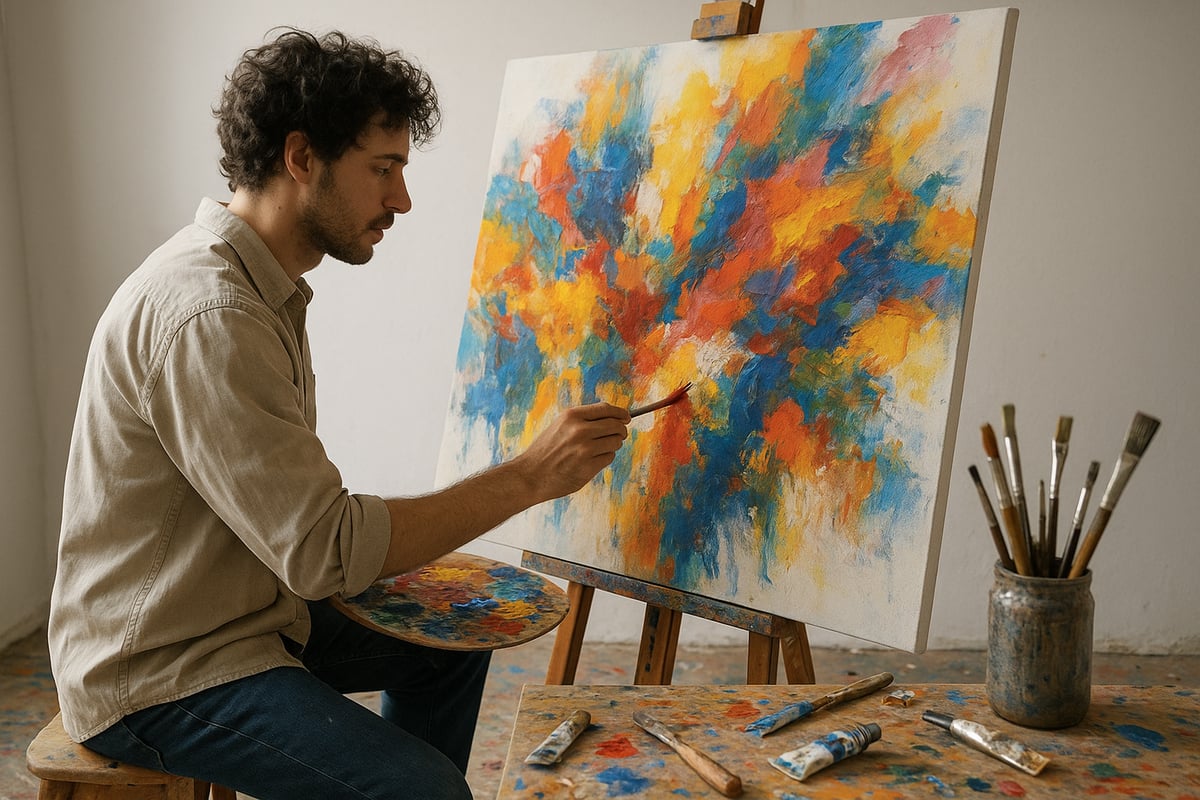
Abstract painting artwork invites viewers to experience emotion, color, and form rather than realistic images. This approach sets it apart from representational art, where subjects are recognizable. Abstract artists often use bold colors, dynamic shapes, and expressive techniques to communicate mood or energy. Instead of copying what they see, they interpret the world through visual language. Key characteristics include nontraditional composition, use of negative space, and emphasis on feeling. Iconic examples include Wassily Kandinsky’s “Composition VII” and Mark Rothko’s color field paintings. As a result, abstract painting artwork allows for endless creative possibilities.
What is Abstract Art?
The roots of abstract painting artwork trace back to the early 20th century, when movements like Cubism and Expressionism began to flourish. Artists such as Kandinsky, Mondrian, and Pollock broke away from tradition, pioneering new visual languages. These innovators challenged the art world by prioritizing concept over representation. Over time, abstract painting artwork evolved, embracing influences from digital technology and contemporary culture. Today, artists blend classic methods with modern tools, creating pieces that reflect both history and innovation. For a deeper exploration of this evolution, you can visit Artwork Abstract Paintings Insights.
Brief History and Evolution
Many beginners are drawn to abstract painting artwork because it removes the pressure of perfect technique. There is no need for advanced drawing skills, which lowers the barrier to entry. This style celebrates experimentation, letting artists play with color and materials. Studies in art therapy highlight its therapeutic and stress-relieving benefits, making it an ideal outlet for self-expression. Abstract painting artwork is also versatile, allowing creators to use traditional or unconventional supplies. This combination of freedom and flexibility makes abstract painting artwork especially appealing for those starting their creative journey.
Why Abstract Painting Appeals to Beginners
A common misconception is that abstract painting artwork is easy or requires no skill. While anyone can make marks on a canvas, intention and thoughtful composition are crucial to creating impactful pieces. Practice and understanding of fundamentals such as balance, color harmony, and movement deepen the artist’s work. Some abstract pieces are misunderstood because their meaning is not obvious, yet each element is typically chosen with purpose. By learning to analyze and appreciate these choices, viewers gain a richer connection to abstract painting artwork.
Common Misconceptions About Abstract Art
Abstract painting artwork fits seamlessly into modern lifestyles. Its popularity in home décor and interior design has surged, driven by a demand for unique and customizable pieces. DIY and personalized artwork allow individuals to reflect their taste and style. Social media platforms and online art communities have amplified the reach of abstract painting artwork, connecting creators and collectors worldwide. According to Art Basel and Artsy, sales of abstract pieces have steadily increased, further cementing their relevance in contemporary spaces. Abstract painting artwork continues to inspire and energize modern living environments.
Essential Supplies & Setting Up Your Creative Space
Starting your journey with abstract painting artwork begins with assembling the right tools and creating an inspiring workspace. The right environment and supplies can make your creative process smoother, more enjoyable, and more productive.
Choosing the Right Materials
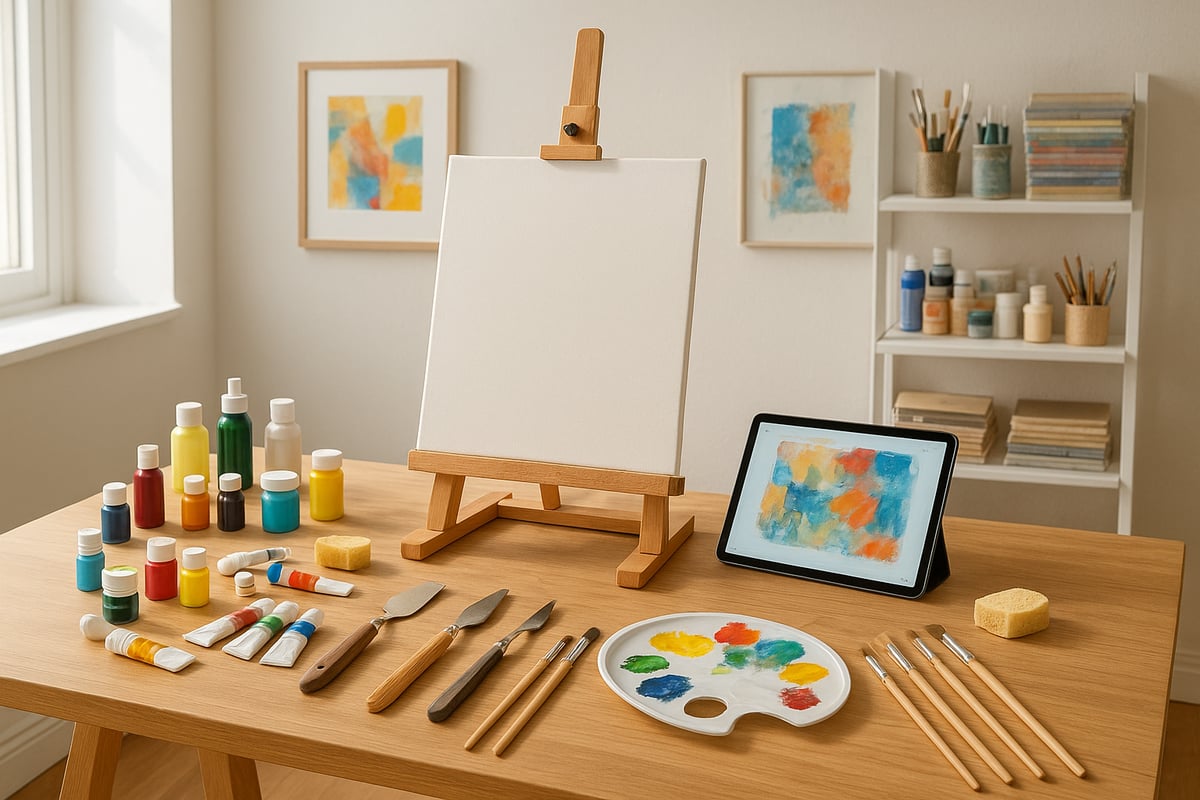
Selecting the best materials for abstract painting artwork sets the foundation for your creative experience. Beginners often choose between acrylics, oils, and watercolors, each offering unique benefits. Acrylics dry quickly and are easy to clean, making them ideal for fast-paced experimentation. Oils provide rich textures and longer blending times, while watercolors excel in transparency and layering.
| Paint Type | Pros | Cons |
|---|---|---|
| Acrylic | Fast drying, versatile | Dries quickly, less blend time |
| Oil | Rich texture, blendable | Slow drying, needs solvents |
| Watercolor | Layering, transparent | Less forgiving, needs special paper |
Pair your paints with quality canvases or heavyweight paper for best results. Palette knives, sponges, and even everyday items like old credit cards can add unique textures to your abstract painting artwork. For further insights into materials and beginner-friendly techniques, visit the Abstract Painting Blog Guide.
Organizing Your Art Space
A well-organized creative space is crucial for producing abstract painting artwork. Dedicate a table or corner specifically for art, keeping it clutter-free to avoid distractions. Natural or bright LED lighting helps you see colors accurately and work comfortably. Good ventilation is important, especially when using oil paints or varnishes.
Consider using shelves, bins, or carts to store supplies and finished pieces. Label containers for brushes, paints, and tools for quick access. Keep cleaning supplies handy to maintain a tidy workspace. Safety is key: wear gloves when handling solvents and keep your area well-ventilated.
A thoughtfully arranged space not only boosts creativity but also streamlines your workflow for every abstract painting artwork you create.
Budgeting for Beginners
Starting with abstract painting artwork does not have to be expensive. Many brands offer starter kits that bundle the essentials at a lower cost than buying items individually. On average, a beginner setup can range from $30 to $80, depending on the quality and quantity of supplies.
| Option | Estimated Cost | Included Items |
|---|---|---|
| Starter Kit | $30-$50 | Paints, brushes, canvas/paper |
| Individual Items | $50-$80 | Custom selection, higher quality |
Look for deals at local art stores, online marketplaces, or consider upcycling household items for tools and surfaces. Prioritize quality for paints and brushes, since these directly impact your abstract painting artwork results.
Digital Tools for Abstract Art
Digital apps are transforming how artists approach abstract painting artwork. Programs like Procreate and Adobe Fresco allow you to experiment with colors, brushes, and layers without wasting materials. You can test ideas digitally before committing to canvas, saving both time and resources.
Hybrid techniques are increasingly popular—try printing digital sketches and enhancing them with physical paints or collage. Platforms like Instagram and online art communities provide spaces to share your digital abstract painting artwork and receive feedback.
Exploring digital tools opens new creative paths and helps you refine your style in abstract painting artwork, whether you work on a tablet or a traditional surface.
Step-by-Step Guide: Creating Your First Abstract Painting
Starting your journey with abstract painting artwork is both exciting and accessible. This guide will walk you through each essential step, from inspiration to finishing touches. You do not need prior experience—just curiosity and a willingness to experiment.
Step 1: Finding Inspiration & Planning
Every abstract painting artwork begins with inspiration. You might draw ideas from nature, music, emotions, or the work of established artists. Keeping a sketchbook or digital mood board helps you collect visual references and color schemes that resonate with you.
Before you start, consider the emotion or message you want your abstract painting artwork to convey. Setting an intention can guide your choices in color and form. For example, using calming blues and greens might evoke tranquility, while bold reds and yellows create energy.
Experiment with color psychology to choose your palette. Sketch simple shapes or lines to visualize your composition. Remember, planning is a flexible process—let your creativity lead the way.
Step 2: Preparing Your Materials and Workspace
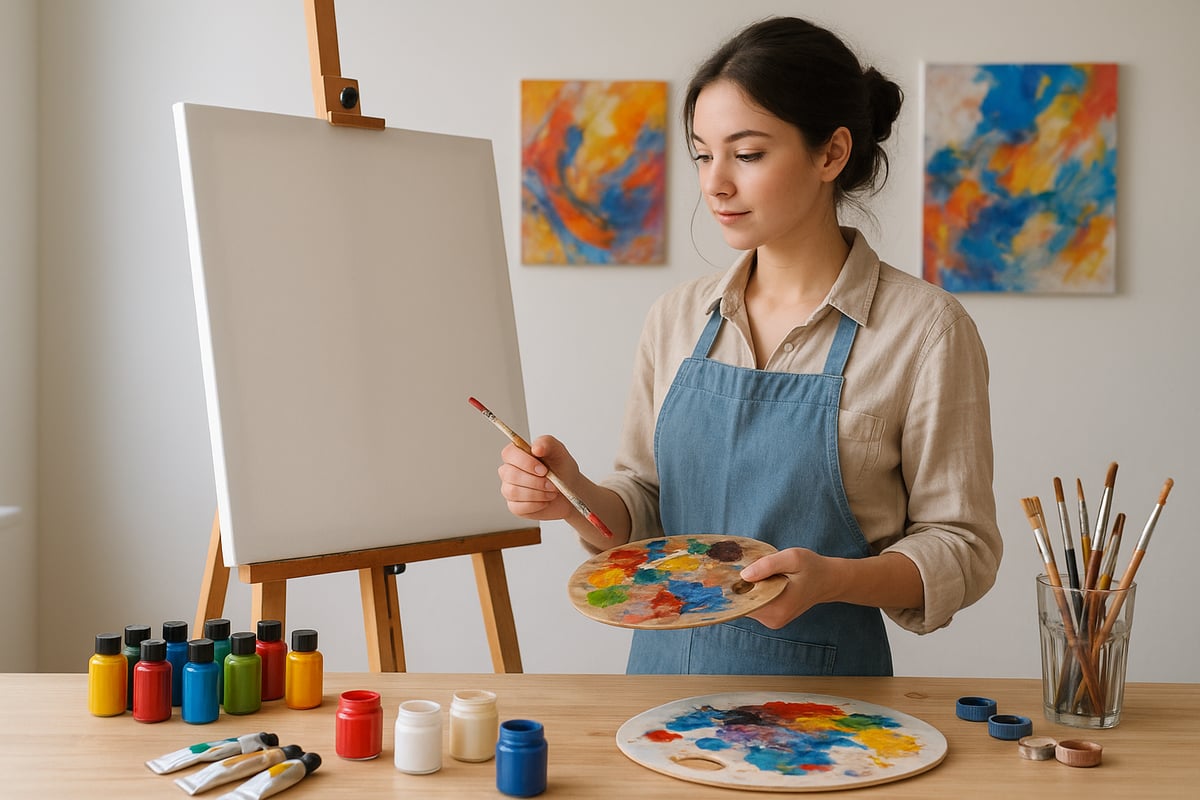
A well-prepared space is essential for a focused abstract painting artwork session. Set up your canvas on an easel or flat surface, and gather your chosen paints, brushes, and tools. Acrylics are popular for beginners, but oils or watercolors are also options.
Prime your canvas if needed, and arrange your supplies for easy access. Mixing paints in advance can save time and help you test color combinations. Lay out a color wheel nearby for reference, making it easier to select harmonious hues for your abstract painting artwork.
Keep your workspace tidy to avoid distractions. Good lighting and ventilation will enhance your comfort and results as you start painting.
Step 3: Exploring Basic Techniques
Experimenting with different techniques is a cornerstone of abstract painting artwork. Try broad brushstrokes for backgrounds, dabbing for texture, or dry brushing for subtle effects. Palette knives can create striking layers and blends, while household items like sponges or even your hands add unique marks.
For beginners, watching demonstrations can be invaluable. Explore this video tutorial on abstract painting techniques for beginners to see several easy methods in action. Do not hesitate to test new tools or combine approaches.
The goal is to discover what feels natural and expressive for your personal abstract painting artwork. Let go of perfection and focus on the process.
Step 4: Building Layers & Composition
Creating depth in your abstract painting artwork involves layering color, shape, and texture. Start with the background, gradually working toward the foreground. Use transparent washes or opaque strokes to build visual interest.
Balance is key. Pay attention to negative space, the areas left intentionally blank, as they help your composition breathe. Try layering warm and cool tones to achieve contrast and vibrancy.
Step back occasionally to view your abstract painting artwork from a distance. This helps you spot areas that need adjustment and ensures your composition remains harmonious.
Step 5: Adding Details and Refining
Once your main layers are in place, focus on refining your abstract painting artwork with intentional details. Highlight focal points using bolder colors, lines, or geometric shapes. You might add splatters or subtle metallic accents for extra dimension.
Knowing when to stop is important. Overworking can muddy colors or crowd your composition. Trust your instincts—sometimes, less is more in abstract painting artwork.
Sign and date your piece to mark your creative achievement. Each work is unique and reflects your evolving style.
Step 6: Drying, Sealing, and Finishing Touches
Proper finishing ensures your abstract painting artwork lasts and looks its best. Different paints require varying drying times—acrylics dry quickly, while oils may take days or weeks.
Once dry, consider sealing your piece with a varnish or spray to protect the surface and enhance color vibrancy. Choose a finish (matte, satin, or gloss) based on your aesthetic preference.
Explore framing options to showcase your abstract painting artwork. Floating frames or borderless mounts can elevate your piece, making it ready for display in any setting.
Troubleshooting Common Beginner Mistakes
Every artist encounters challenges, especially when creating their first abstract painting artwork. If your colors become muddy, allow layers to dry before blending. For canvas warping or cracking, use quality materials and avoid excessive water.
Creative blocks are normal. Take breaks, revisit your inspiration, or try a new technique to reignite your motivation. Remember, every mistake is a learning opportunity that adds depth to your abstract painting artwork journey.
Celebrate your progress and embrace the process—growth comes with each completed piece.
Exploring Styles & Techniques in Abstract Painting
Abstract painting artwork is a dynamic field, offering limitless ways to experiment with color, form, and materials. Whether you are drawn to bold gestures or subtle compositions, exploring different styles and techniques will help you develop your unique visual language.
Color Theory in Abstract Art
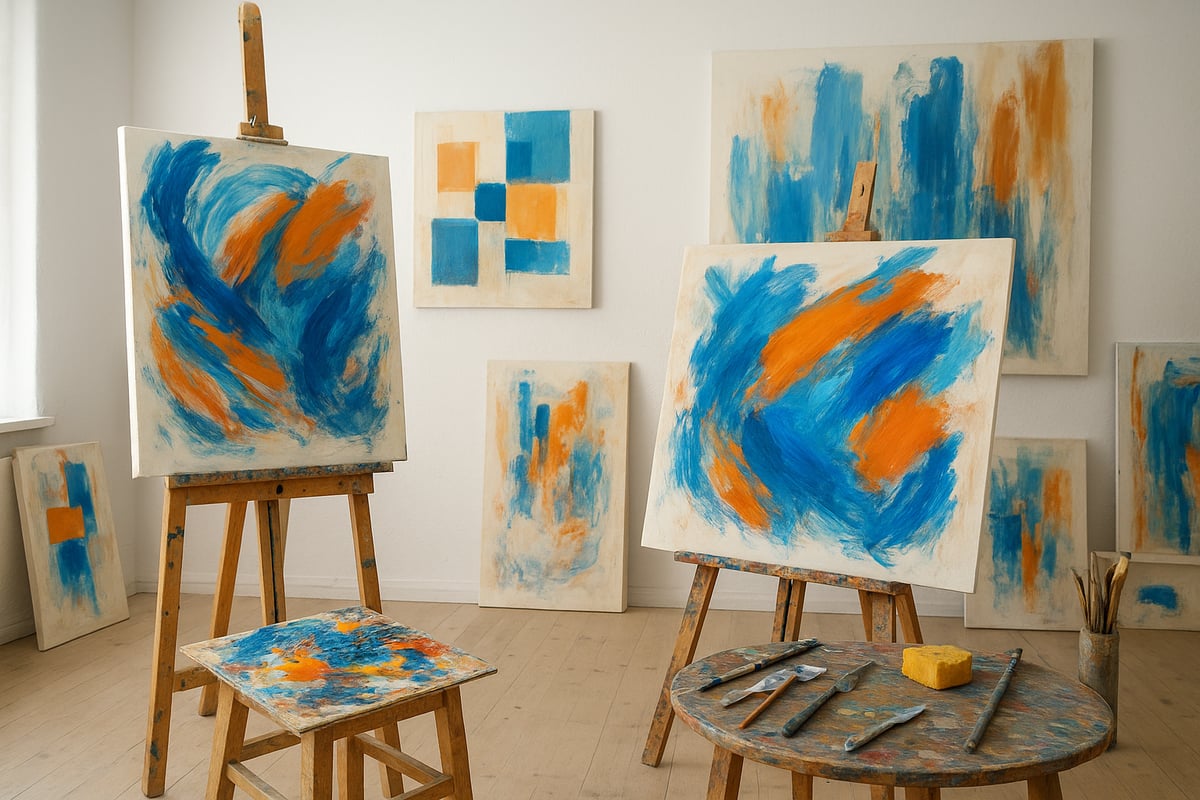
Color is the heartbeat of abstract painting artwork. Understanding hue, saturation, and value allows you to create harmonious or strikingly dynamic palettes. Artists often use color to evoke emotions, from the calming effect of cool blues to the energy of warm reds.
Famous abstract works, such as Mark Rothko's color fields or Helen Frankenthaler's washes, highlight how color alone can communicate mood. When planning your abstract painting artwork, consider how colors interact and the feelings they inspire. Experiment with different combinations to see what resonates with your personal vision.
Gestural vs. Geometric Abstraction
Abstract painting artwork can take on many forms, but two of the most popular approaches are gestural and geometric abstraction. Gestural abstraction emphasizes expressive, spontaneous brushstrokes, as seen in Jackson Pollock's energetic drips. Techniques include dripping, pouring, or sweeping paint to capture movement and emotion.
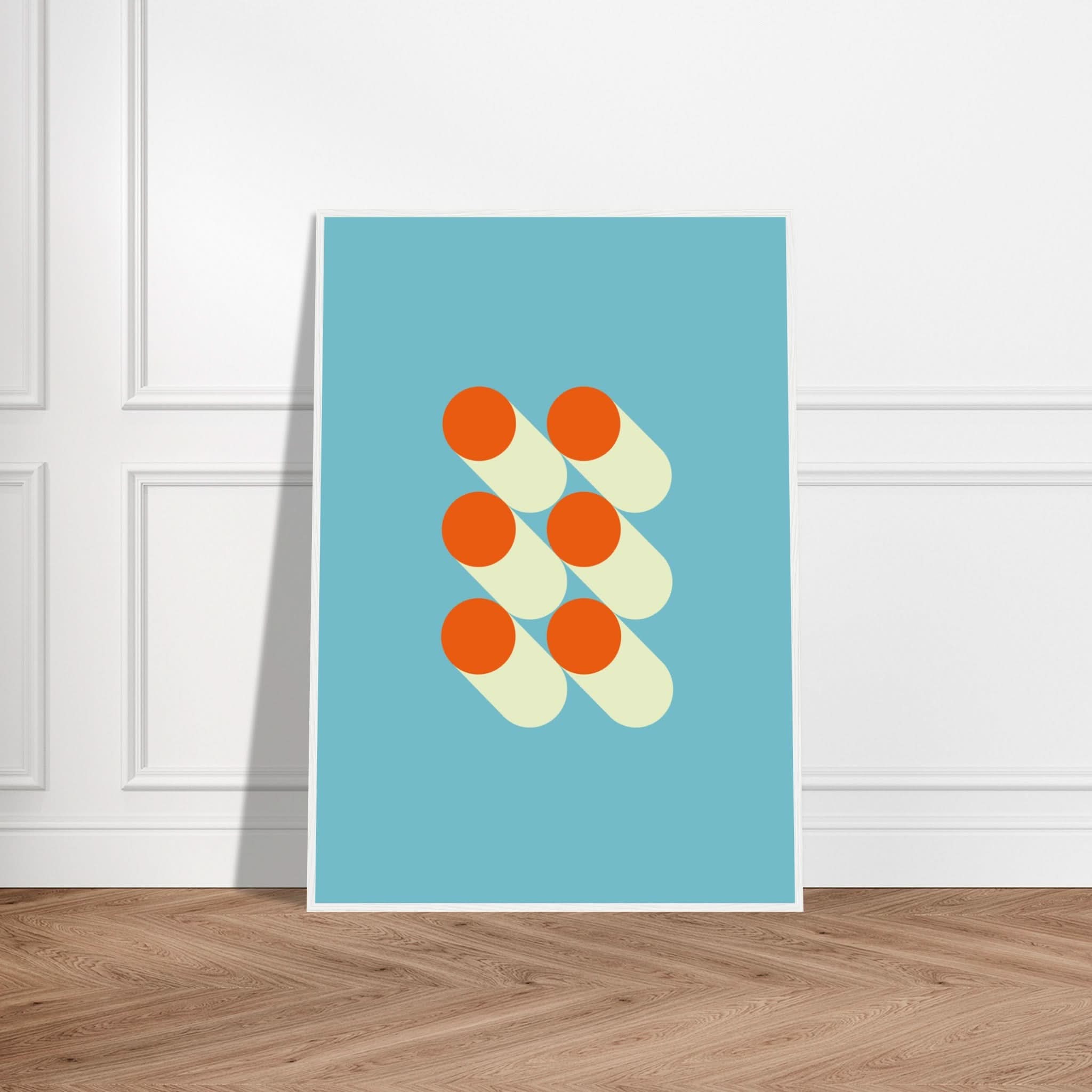
In contrast, geometric abstraction relies on structured shapes and clean lines, like Piet Mondrian's iconic grids. This style is ideal for those who enjoy order and balance in their abstract painting artwork. Try both approaches to discover which method aligns best with your creative process and personality.
Mixed Media and Texture
Adding texture and mixed media elements can elevate your abstract painting artwork. Many artists incorporate materials such as collage, fabric, sand, or found objects to introduce depth and tactile interest. Techniques like impasto, where paint is applied thickly, or layering different substances, create a rich surface.
Experimenting with texture is especially beneficial for tactile learners. Mixed media abstract painting artwork allows you to break free from traditional boundaries and discover new ways to express your ideas. Start by adding simple materials and gradually build complexity as your confidence grows.
Minimalism and Maximalism in Abstract Painting
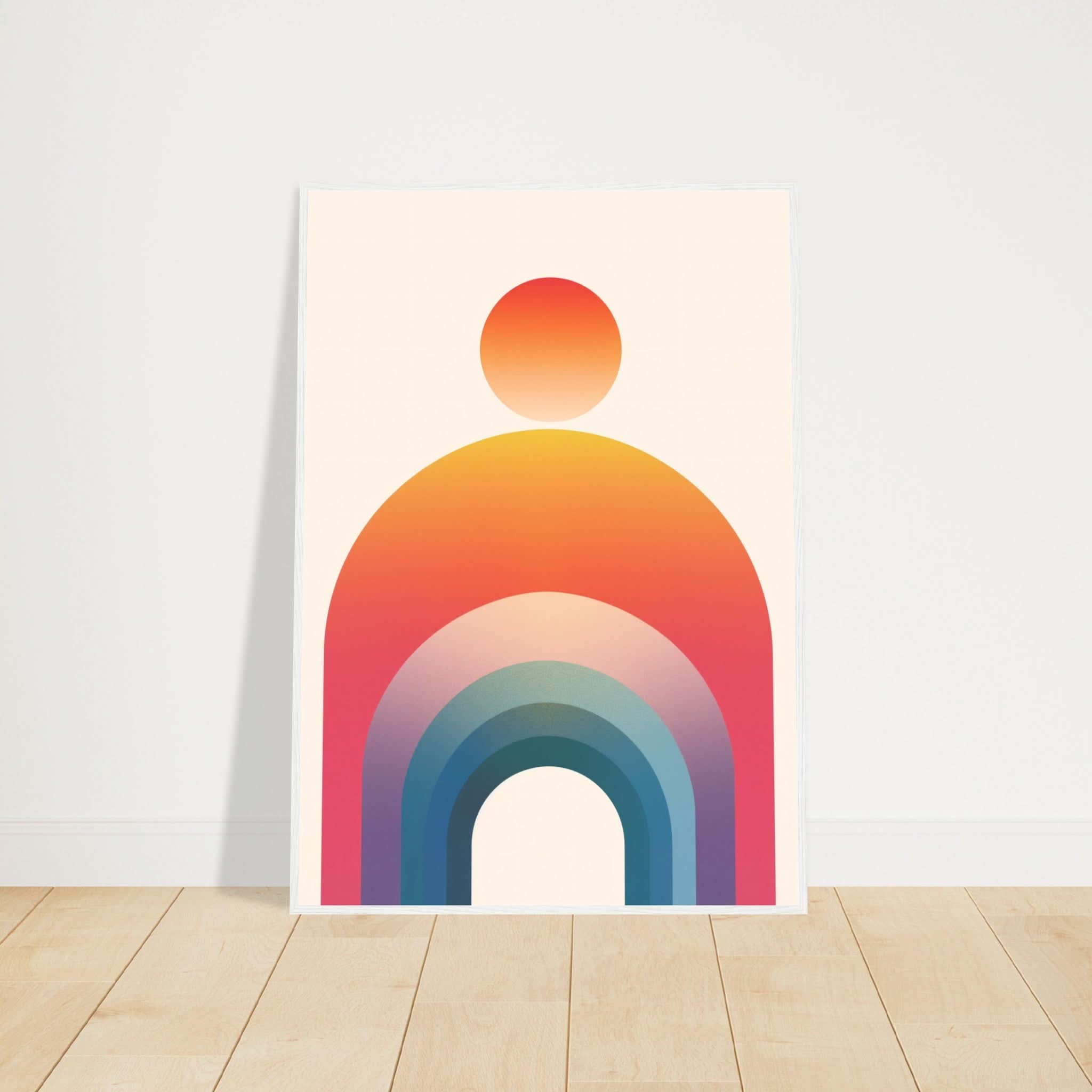
Abstract painting artwork spans from minimalist to maximalist approaches. Minimalist abstract art focuses on simplicity, using limited colors and shapes to create calm, balanced compositions. This style is perfect for those who prefer a serene, uncluttered look.
On the other hand, maximalist abstract painting artwork embraces bold colors, intricate patterns, and layered details. Achieving balance is key, even in maximalism. Look to current design trends for inspiration and decide which approach best suits your space and personal taste.
Experimenting with Scale and Format
The scale of your abstract painting artwork can dramatically affect its impact. Small canvases are perfect for intimate studies, while large statement pieces command attention in any room. Multi-panel works, such as diptychs and triptychs, offer creative ways to explore a theme across several surfaces.
When adapting techniques for different sizes, consider how brushwork and composition change. For inspiration on diverse formats and display ideas, explore the Abstract Wall Art Prints Collection, which showcases a variety of abstract painting artwork in different scales and styles. Choosing the right format can transform both your art and your living space.
Displaying, Preserving, and Sharing Your Abstract Artwork
Displaying your abstract painting artwork thoughtfully elevates both your living space and your creative confidence. Whether you have just finished your first piece or are building a collection, how you present, protect, and share your work matters as much as the process of making it.
Choosing the Perfect Spot in Your Home
Selecting the right location for your abstract painting artwork can transform any room. Start by evaluating the natural and artificial lighting in your space since good lighting reveals the depth and vibrancy of your colors. Consider the wall space and the room’s color palette, aiming for harmony or contrast with your artwork.
Gallery walls create a dynamic display by grouping several pieces together. Alternatively, a bold standalone piece can serve as a striking focal point. For inspiration, explore collections such as the Boho Abstract Poster Collection, which show how different styles complement modern interiors.
Match your abstract painting artwork to the mood of each room. For example, soothing blues and greens work well in bedrooms, while energetic reds and yellows enliven living areas.
Framing and Mounting Tips
Proper framing not only enhances the visual impact of your abstract painting artwork but also preserves it for years. When choosing a frame, opt for styles that either complement or contrast with your piece. Floating frames and borderless options are popular for their contemporary look.
DIY framing can be cost-effective, but professional services ensure archival quality and precise mounting. Matting adds depth, while simple frames keep the focus on your artwork.
Framing also protects your abstract painting artwork from dust and accidental damage. Use acid-free materials to prevent discoloration and consider UV-protective glass if your space receives strong sunlight.
Caring for and Preserving Your Artwork
Maintaining your abstract painting artwork is essential for its longevity. Dust your pieces with a soft, dry cloth and avoid using water or cleaning solutions directly on painted surfaces. To prevent fading or warping, hang your artwork away from direct sunlight and sources of humidity, such as kitchens or bathrooms.
If you need to store your abstract painting artwork, keep it upright in a climate-controlled space and avoid stacking pieces. Protective varnishes can safeguard surfaces from dust and minor abrasions, while glass covers offer an extra barrier for delicate works.
Long-term care ensures your abstract painting artwork remains vibrant and intact, ready to be enjoyed or shared at any time.
Sharing Your Art with the World
Showcasing your abstract painting artwork beyond your home can be deeply rewarding. Start by photographing your pieces in natural light, ensuring colors appear true to life. Digitize your work for online portfolios or social media, where platforms like Instagram and Pinterest connect you with global audiences.
Participating in local art shows or online exhibitions offers valuable exposure and feedback. Joining online communities helps you engage with fellow artists and collectors, expanding your network and inspiration.
Sharing your abstract painting artwork allows you to celebrate your progress, inspire others, and become part of a vibrant art community.
Inspiration & Resources for Ongoing Growth
Finding inspiration and reliable resources is essential for continuous improvement with abstract painting artwork. Whether you are just starting or looking to expand your creative horizons, learning from experts and tapping into a supportive community can make all the difference.
Learning from Masters and Contemporary Artists
Studying the work of renowned artists can offer valuable insights into abstract painting artwork. Explore pieces by pioneers such as Kandinsky, Rothko, and Richter to understand how they use color, shape, and composition to express emotions.
Contemporary creators also share their techniques and creative processes through interviews, documentaries, and virtual museum tours. Analyze recurring themes and brushwork to identify what resonates most with you. By observing established artists’ evolution, you can discover new directions for your own abstract painting artwork journey.
Online Courses and Tutorials
Structured online courses are a practical way to build foundational skills in abstract painting artwork. Platforms like Skillshare, Domestika, and YouTube offer beginner-friendly tutorials, covering everything from color theory to advanced techniques.
You can choose between guided learning paths or self-paced exploration, depending on your preferences. Many courses include interactive forums where you can share your work and receive feedback. For those on a budget, free resources are widely available, allowing anyone to start exploring abstract painting artwork without financial barriers.
Books, Magazines, and Blogs
Books provide in-depth knowledge on the fundamentals and evolution of abstract painting artwork. Notable titles like “Abstract Painting: The Elements of Visual Language” break down visual concepts and techniques. Art magazines and blogs keep you updated on trends, artist interviews, and innovative ideas in the field.
For a foundational understanding, you may want to review the Abstract art definition and characteristics, which offers a comprehensive overview of the movement and its impact. Reading artist memoirs and process journals can also inspire your own creative approach and help refine your abstract painting artwork.
Engaging with the Abstract Art Community
Connecting with others is crucial for growth in abstract painting artwork. Join local workshops, painting groups, or online communities such as Reddit, Facebook, and Discord. Sharing your work and progress allows you to receive constructive critique and encouragement.
Participating in group challenges or collaborative projects can spark creativity and introduce you to new techniques. The support of an active community helps you stay motivated and builds confidence as you develop your unique abstract painting artwork style.
Setting Personal Goals & Tracking Progress
Establishing personal goals is a powerful way to stay committed to your abstract painting artwork. Keep an art journal or sketchbook to document experiments, lessons learned, and creative milestones.
Set monthly or yearly targets, such as completing a certain number of pieces or mastering a new technique. Celebrate achievements, no matter how small, to maintain enthusiasm. Tracking your journey not only highlights your growth, but also provides a source of inspiration for future abstract painting artwork projects.