

The Essential Guide to Artistic Painting in 2026
Step into the vibrant world of artistic painting in 2026, where creativity knows no bounds and innovation shapes every brushstroke.
This essential guide explores how artistic painting continues to evolve, empowering beginners and seasoned artists alike to embrace new trends, tools, and techniques.
Discover the latest mediums, cutting-edge materials, and inspiring styles transforming the landscape. Whether you seek practical tips or fresh inspiration, this resource will help you thrive in today’s dynamic art scene.
Get ready to unlock your creative potential and master the art of modern expression.
The State of Artistic Painting in 2026: Trends & Innovations
Artistic painting in 2026 is experiencing a dynamic transformation. The fusion of technology, sustainability, and global connectivity is redefining both the creation process and the finished artwork. Artists of all backgrounds are embracing new tools and philosophies, ensuring that artistic painting remains a vibrant and ever-evolving discipline.
The Rise of Mixed Media and Hybrid Techniques
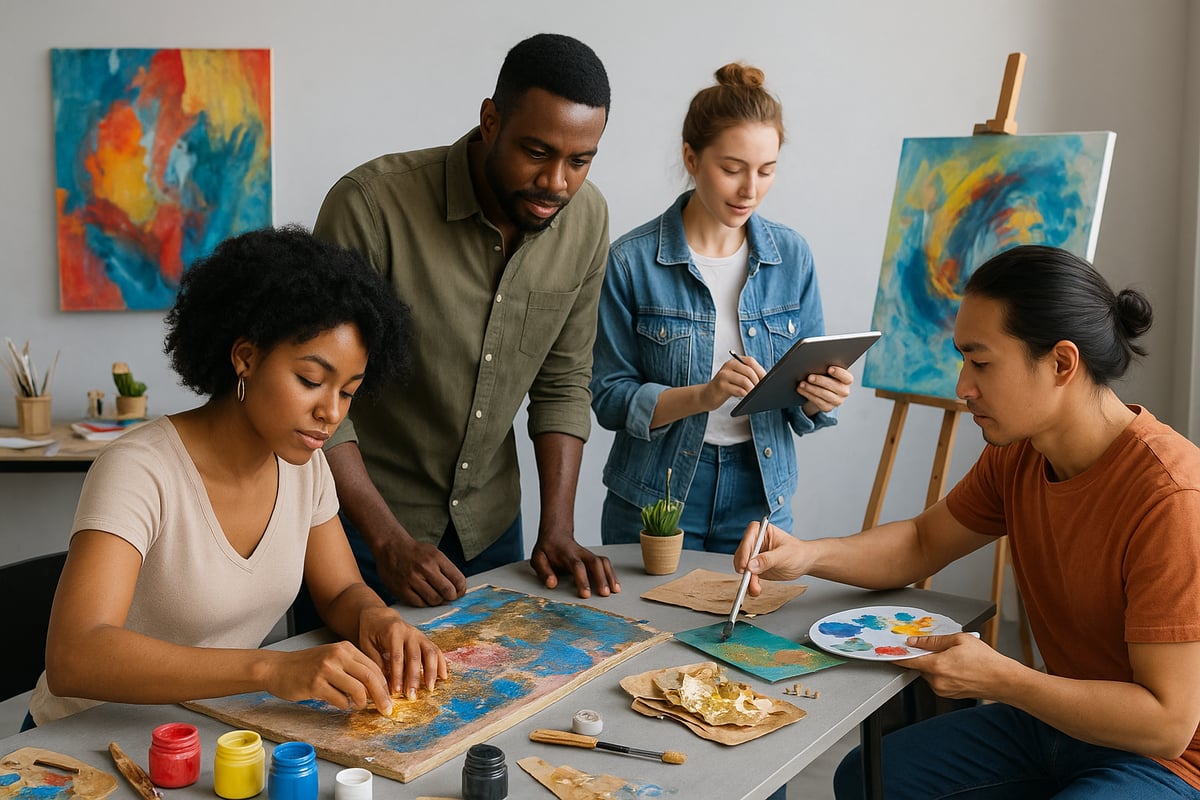
Artistic painting in 2026 is defined by boundary-pushing creativity. Artists increasingly combine traditional materials such as acrylics and oils with digital printing, epoxy, and metallic foils. This hybrid approach creates one-of-a-kind surfaces and visual effects. Social media platforms like YouTube and Instagram have seen a surge in mixed media tutorials, inspiring artists to experiment with overlays and unconventional combinations.
- Epoxy and foil overlays add depth and shine
- Digital prints layered with hand-painted details
- Increased experimentation with textures and finishes
By breaking conventions, artistic painting is now more experimental and accessible than ever.
Technology’s Influence: AI, AR, and Digital Tools
Technology is revolutionizing artistic painting. AI-assisted design tools and augmented reality (AR) apps allow artists to preview compositions, refine color palettes, and even simulate mural installations on walls before picking up a brush. Digital sketching tablets have become a staple for planning and iterating ideas. According to Art Trends 2026: The Rise of Tactile Craft, AI, and Electric Palettes, the integration of AI and immersive tech is shaping both creative workflows and finished masterpieces.
- Artists use AR to visualize large-scale works
- AI suggests color harmonies and compositional tweaks
- Digital platforms streamline collaboration and sharing
Artistic painting now seamlessly bridges the physical and digital worlds.
Eco-Friendly and Sustainable Art Practices
Environmental consciousness is reshaping artistic painting in 2026. A growing number of artists are choosing non-toxic, water-based paints, recycled canvases, and sustainably sourced brushes. Market data from 2025 reveals a 30 percent increase in eco-art supply sales, reflecting a shift in both consumer demand and artist priorities.
- Non-toxic paints reduce health risks
- Recycled surfaces lower environmental impact
- Themes of nature and sustainability inspire new works
Sustainable choices are influencing not just materials, but also the messages within artistic painting.
The Democratization of Art Education
Learning artistic painting has never been more accessible. Online courses, interactive tutorials, and virtual workshops have lowered barriers for aspiring creators worldwide. Platforms like YouTube and Amazon offer step-by-step guides, while virtual communities provide feedback and encouragement.
- Artistic Painting Studio’s YouTube channel offers free lessons
- Amazon hosts live product demos and reviews
- Virtual workshops connect artists across continents
These resources ensure anyone, anywhere, can begin their artistic painting journey.
Social Media and Community-Driven Inspiration
Social media platforms have become powerful engines for artistic painting inspiration, technique sharing, and community support. Artists exchange feedback, participate in viral challenges, and showcase their progress in real time. Trends like DIY stenciling, upcycled furniture painting, and foil art are spreading rapidly, fueled by online engagement.
- Online communities foster peer learning
- Viral trends keep artists motivated and connected
- Community-driven projects encourage creative risk-taking
This collaborative atmosphere accelerates both skill development and artistic painting innovation.
Globalization of Artistic Styles
Artistic painting in 2026 reflects a rich tapestry of global influences. Artists are blending motifs from Bauhaus, abstract expressionism, and diverse cultural traditions, resulting in fresh visual languages. This cross-pollination is evident in trending patterns, color palettes, and thematic choices.
- Fusion of geometric, abstract, and ethnic designs
- Trending palettes inspired by global travel and culture
- Increased collaboration between international artists
The global exchange of ideas ensures artistic painting continues to evolve and resonate across borders.
Essential Painting Materials and Tools for 2026
Choosing the right materials and tools is foundational to successful artistic painting in 2026. Today’s artists are empowered by a vast array of innovative supplies that cater to evolving techniques and sustainability goals. Let’s explore the essential resources shaping the future of artistic painting.
Advances in Paint Formulations
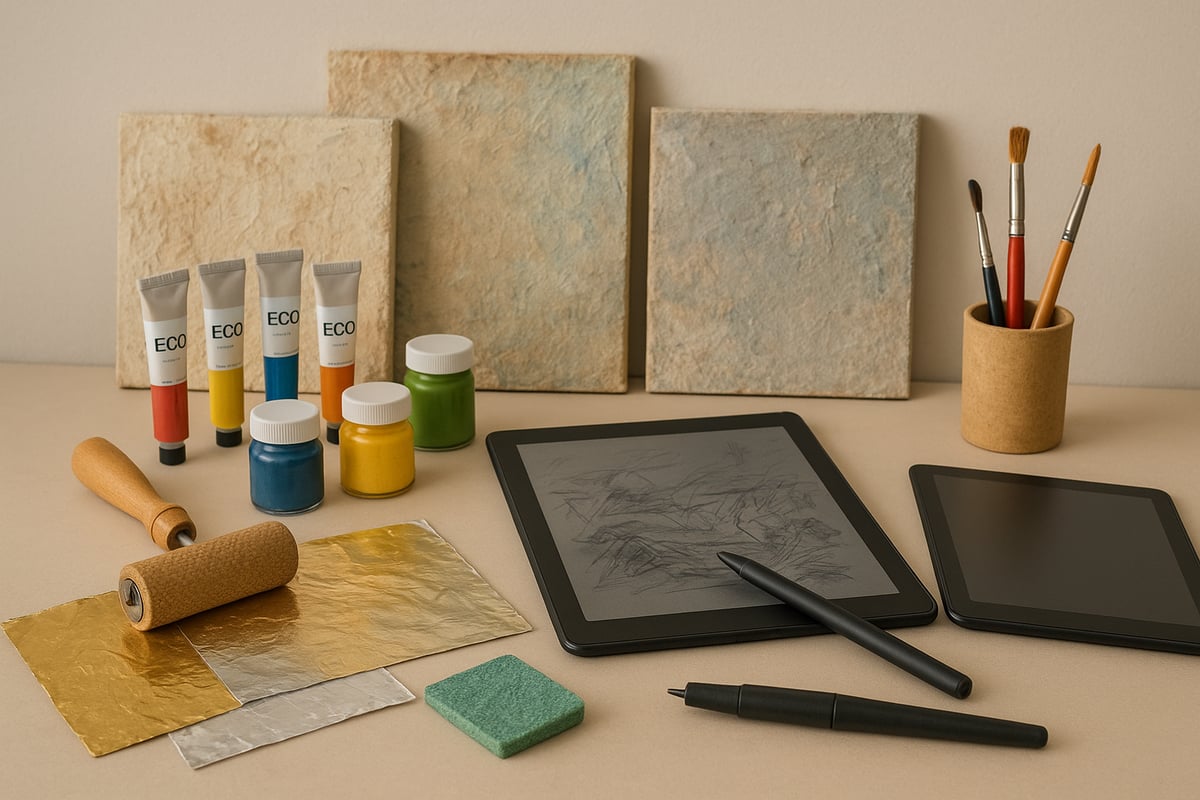
Paint technology for artistic painting has advanced rapidly, with a strong focus on speed, vibrancy, and environmental impact. Artists now have access to fast-drying acrylics, highly pigmented water-based paints, and hybrid formulas that minimize harmful emissions. Metallic foils and epoxy finishes are increasingly popular for adding dynamic textures and reflective qualities to artwork.
Eco-friendly choices are central to current trends. Non-toxic paints, recycled packaging, and sustainable pigments are in high demand. According to Sustainability In The Art Industry Statistics: Market Data Report 2025, there was a notable 30% increase in eco-art supply sales last year, reinforcing the movement toward greener artistic painting practices.
Innovative Brushes, Rollers, and Applicators
The tools for artistic painting have never been more diverse. Textured rollers, such as crocodile and simplicity patterns, enable artists to create unique backgrounds quickly. Stamping rollers offer precision when replicating motifs, while ergonomic applicator handles reduce fatigue during long sessions.
Modern brush designs include synthetic bristles for smooth blending and specialty shapes for intricate details. These innovations allow artists to experiment with a wide range of effects, making artistic painting more versatile and efficient.
- Textured rollers for backgrounds
- Stamping rollers for patterns
- Ergonomic handles for comfort
Choosing the right applicator can transform a painting’s look and speed up the creative process.
Choosing the Right Surface: Canvas, Wood, and Beyond
Selecting the best surface is crucial in artistic painting. Traditional cotton and linen canvases remain popular, valued for their texture and durability. However, wood panels have gained traction for their stability and smooth finish, ideal for detailed work or mixed media.
Upcycled materials are also in vogue. Many artists repurpose reclaimed furniture or found objects as painting surfaces, reflecting a commitment to sustainability and originality in artistic painting.
| Surface Type | Key Features | Best For |
|---|---|---|
| Canvas | Textured, flexible | Most paint types |
| Wood Panel | Smooth, rigid | Mixed media, detail |
| Upcycled Material | Unique, eco-friendly | Custom projects |
Experimentation with surfaces expands creative horizons and supports eco-conscious art.
Accessory Essentials: Palettes, Easels, and Storage
The right accessories streamline the artistic painting process. Modern palettes are designed for easy mixing and cleaning, often featuring ergonomic grips for comfort. Collapsible and adjustable easels fit into small home studios, making painting accessible even in limited spaces.
Effective storage solutions keep paints, brushes, and tools organized. Stackable bins, wall-mounted racks, and mobile carts help maintain a tidy workspace, allowing artists to focus on creativity rather than clutter.
Digital Tools and Accessories
Digital innovation continues to shape artistic painting. Many artists use tablets for preliminary sketches, benefiting from endless undo options and versatile brushes. Augmented reality projectors help visualize compositions on real-world surfaces before committing paint.
Online color selection tools and digital mood boards simplify the planning process. These digital resources make artistic painting more accessible and open new avenues for experimentation.
- Tablets for sketching
- AR projectors for layouts
- Online color tools for palette planning
Digital accessories complement traditional methods, bridging classic techniques with modern convenience.
Sourcing Materials in 2026
Acquiring quality materials for artistic painting is easier than ever. Online marketplaces offer a wide selection of unique and specialty supplies, from eco-friendly paints to custom applicators. The rise of direct-to-consumer art supply brands means artists can access professional-grade products with global shipping options.
Specialty stores continue to thrive, providing hands-on advice and curated selections. Whether shopping online or locally, artists are empowered to find the perfect materials for their creative vision.
Staying informed about new products and sustainable options ensures artistic painting remains innovative and environmentally responsible.
Step-by-Step Guide to Creating a Modern Artistic Painting
Embarking on an artistic painting journey in 2026 is both exciting and accessible. With new tools and creative approaches, anyone can craft unique works of art. This guide breaks down the six essential steps, making the process clear and achievable for every level of painter.
Step 1: Conceptualization and Inspiration
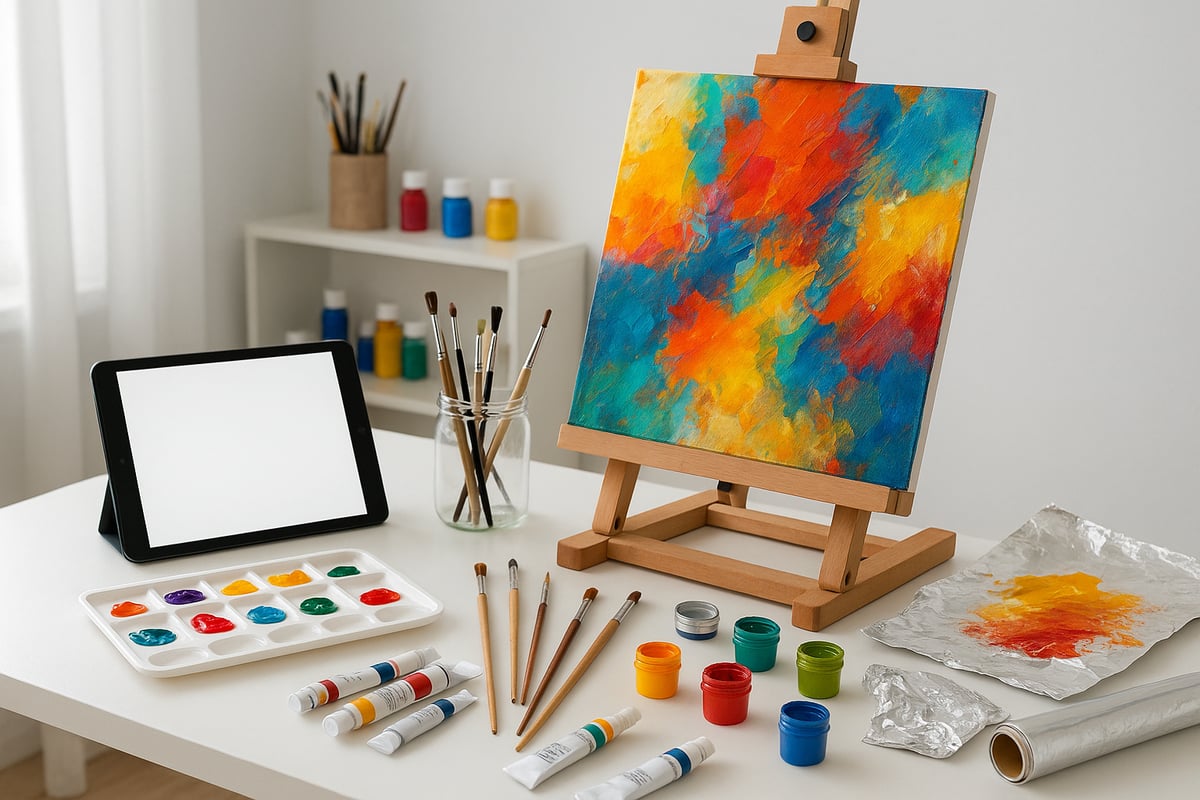
Every artistic painting begins with inspiration. In 2026, ideas can come from online galleries, social media trends, or the world outside your window. Artists often create digital mood boards to collect color palettes, motifs, and compositions that spark creativity.
Using augmented reality apps, you can visualize how your painting might look in a particular space before you even pick up a brush. Try referencing trending styles or seasonal themes to keep your work fresh. Remember, the heart of artistic painting lies in expressing your personal vision and experimenting with new sources of inspiration.
Step 2: Choosing Materials and Preparing Your Workspace
Selecting the right supplies is fundamental for successful artistic painting. Today’s artists have access to eco-friendly paints, textured rollers, metallic foils, and innovative surfaces like reclaimed wood or upcycled furniture. When preparing your workspace, focus on:
- Good lighting
- Proper ventilation
- Organized storage for paints and tools
Safety is crucial, especially with new materials like epoxy or metallic finishes. Always read product labels and wear gloves or masks as needed. By investing time in preparation, you create an environment where artistic painting becomes enjoyable and efficient.
Step 3: Sketching and Planning the Composition
Before applying paint, artists sketch their designs—either traditionally on canvas or digitally on a tablet. Each method offers benefits. Digital sketching allows for easy edits and overlays, while traditional sketching connects you directly with your surface.
For precise layouts, consider using stencils, templates, or a projector. This is especially useful for mixed media pieces where layers need careful planning. A well-thought-out composition is the backbone of any artistic painting, helping you achieve depth and visual balance from the start.
Step 4: Layering Techniques and Application
Building up your painting in layers brings dimension and texture. Start with broad strokes using large brushes or rollers to establish the background. Next, experiment with stamping rollers, foils, and epoxy for added interest.
Blending, glazing, and impasto techniques create richness and depth. For a deeper dive into these methods, explore this Artistic painting techniques guide for expert tips and inspiration. Layering is where artistic painting truly comes alive, allowing you to craft unique effects and personal style.
Step 5: Detailing and Finishing Touches
Once your main layers are dry, it is time for details. Add metallic accents, highlights, and intricate linework to make your artistic painting stand out. Use fine brushes or specialized tools for precision.
To protect your artwork, seal it with modern varnishes or resins. This not only enhances color vibrancy but also extends the life of your piece. A careful finishing process ensures your artistic painting remains vibrant and durable for years to come.
Step 6: Showcasing and Sharing Your Artwork
With your artistic painting complete, presentation is the final step. Photograph your work in natural light to capture true colors and textures. Digitize your art for social media, online galleries, or sales platforms.
Engage with online art communities to receive feedback and build your audience. Many artists participate in virtual exhibitions or themed challenges to gain exposure and inspiration. Sharing your artistic painting journey helps you grow as an artist and connects you with a supportive creative network.
Mastering Popular Artistic Painting Techniques in 2026
Exploring the world of artistic painting in 2026 means embracing a toolbox of innovative techniques. Artists are blending classic methods with modern twists, making each project unique and engaging. Whether you are refining your style or venturing into new territory, mastering these approaches can elevate your creative journey.
Faux Finishes and Decorative Effects
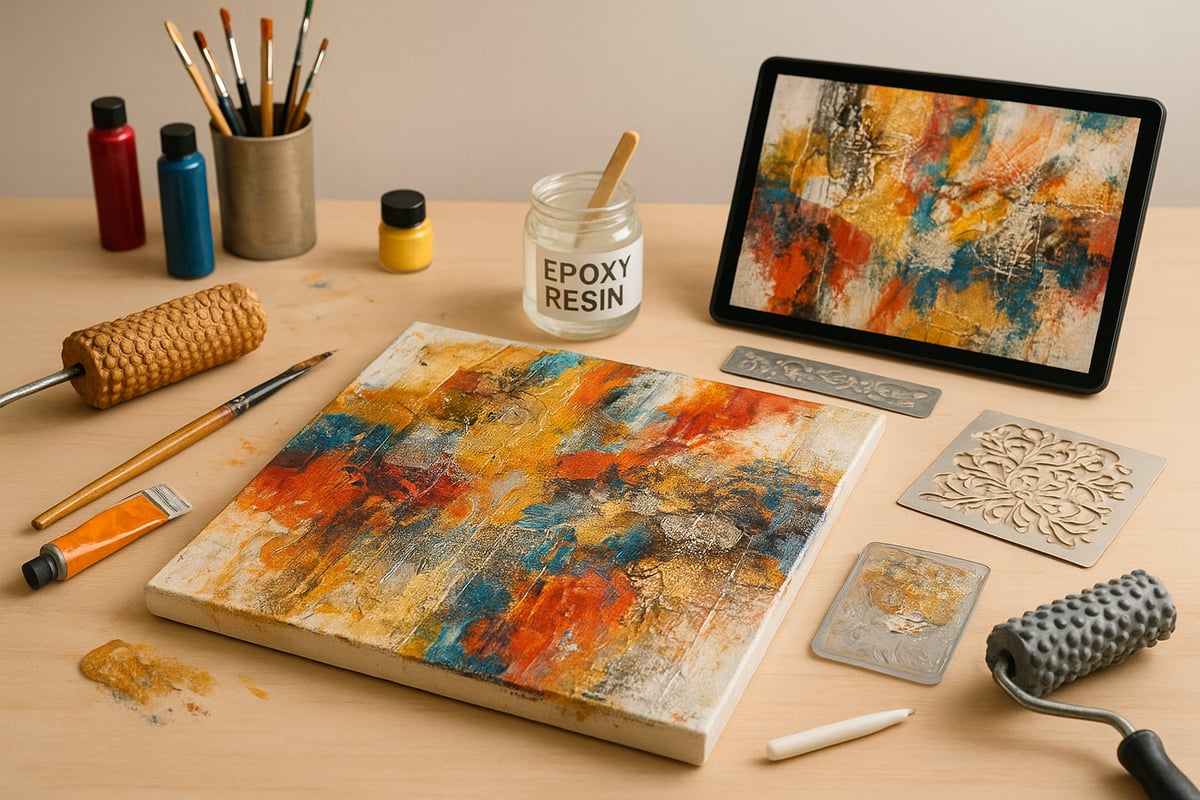
Faux finishes have become a cornerstone of artistic painting, offering endless possibilities for surface transformation. Techniques like granite effects with foils and epoxy, marbleizing, and wood graining are in high demand for both home décor and fine art.
- Granite look: Achieved by layering metallic foils and epoxy for a realistic stone effect.
- Marbleizing: Swirling paint for organic, luxurious patterns.
- Wood graining: Using specialized tools to mimic natural wood textures.
These methods allow artists to add depth, texture, and personality to any surface, keeping artistic painting fresh and contemporary.
Stenciling and Pattern Repetition
Stenciling is seeing a revival in artistic painting circles, thanks to modern materials and laser-cut precision. Artists use stencils and pattern rollers to create striking wall murals, custom furniture, and detailed canvas work.
- Graffiti-inspired walls: Bold, layered stenciled shapes.
- Custom trays: Repeating motifs for a designer touch.
- Seamless patterns: Achieved with new rolling applicators.
Pattern repetition not only saves time but also ensures uniformity and sophistication in every artistic painting project.
Upcycling and Painting on Alternative Surfaces
Upcycling is a major trend in artistic painting, encouraging sustainability and creativity. Artists are transforming glass, ceramics, and reclaimed furniture into vibrant works of art.
- Painted glassware: Tumblers and vases with foiled accents.
- Upcycled furniture: Old tables and chairs get a fresh identity.
- Seasonal décor: DIY foiled pumpkins and garden ornaments.
By painting on unconventional surfaces, artistic painting expands beyond canvas, bringing new life to everyday objects.
Mixed Media Integration
Mixed media is redefining artistic painting in 2026. Combining paint with collage, fabric, or digital prints adds richness and narrative.
- Collage layers: Incorporate magazine clippings or textiles.
- Digital elements: Print transfers and AR overlays.
- Fabric texture: Embed cloth for tactile dimension.
Mixed media unlocks storytelling and complexity, making each artistic painting piece a multi-sensory experience.
Metallics, Foils, and Epoxy Art
Metallics and epoxy are elevating the look and feel of artistic painting. Vibrant foils and glossy finishes are trending in both décor and fine art circles.
- Foiled tumblers: Shimmering, custom drinkware.
- Epoxy ornaments: Durable, glass-like surfaces.
- Layered metallics: Add reflective highlights to any design.
These materials bring luminosity and depth, pushing the boundaries of artistic painting technique.
Tips for Technique Mastery
To excel in artistic painting, practice and continuous learning are essential. Try these strategies:
- Routine practice: Dedicate time to experiment with new tools and materials.
- Online demos: Watch step-by-step tutorials to refine your skills.
- Community feedback: Share progress for constructive critique.
For more inspiration and to stay updated on current styles, explore Abstract painting trends to see how artists blend tradition with innovation.
Artistic Painting Styles and Inspirations for Every Space
Discovering the perfect artistic painting style can completely transform any space, infusing it with personality, sophistication, or playful energy. In 2026, a wide spectrum of trends and inspirations ensures that every room, from modern living areas to children’s bedrooms, can benefit from the latest in artistic painting innovation.
Abstract and Bauhaus-Inspired Art
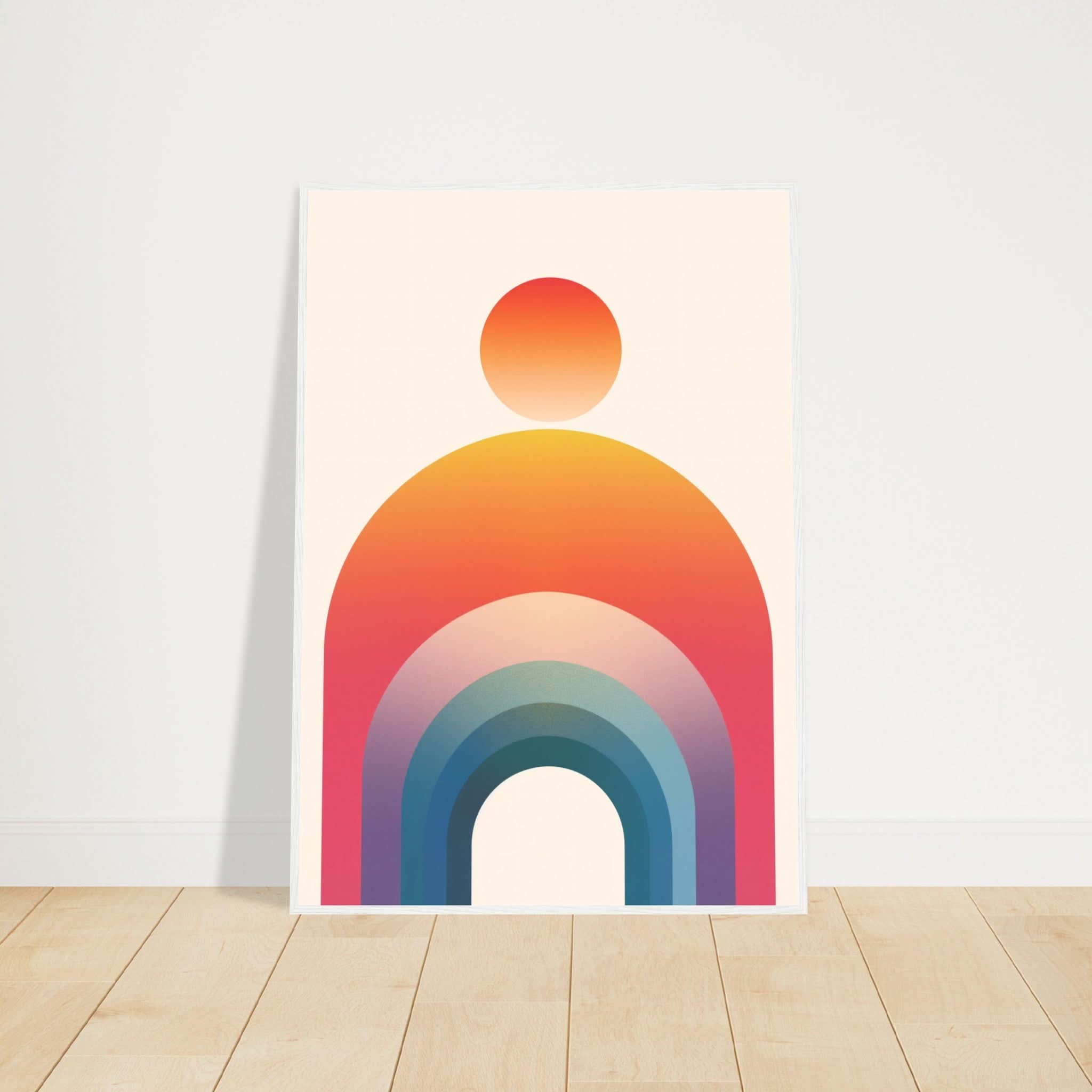
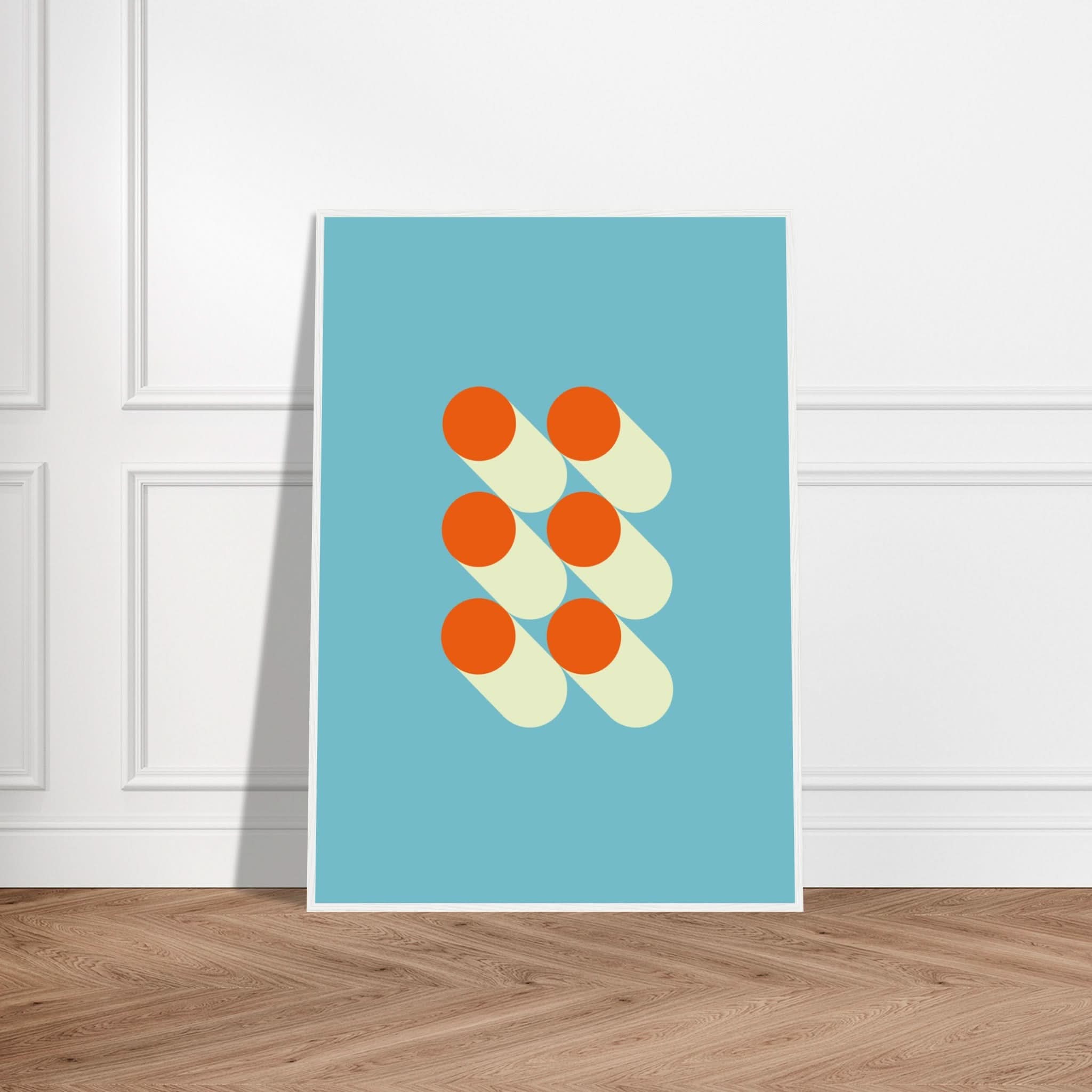
Abstract and Bauhaus-inspired styles continue to shape the world of artistic painting, offering bold color combinations and geometric forms that make a striking statement. These styles blend expressive brushwork with structured design, bringing energy and modern flair to interiors. For those seeking inspiration or ready-to-hang options, the Bauhaus wall art inspiration collection showcases signature looks perfect for contemporary spaces.
Whether you prefer large canvases or smaller accent pieces, artistic painting in these styles can anchor a room and reflect your unique taste.
Minimalist and Monochrome Trends
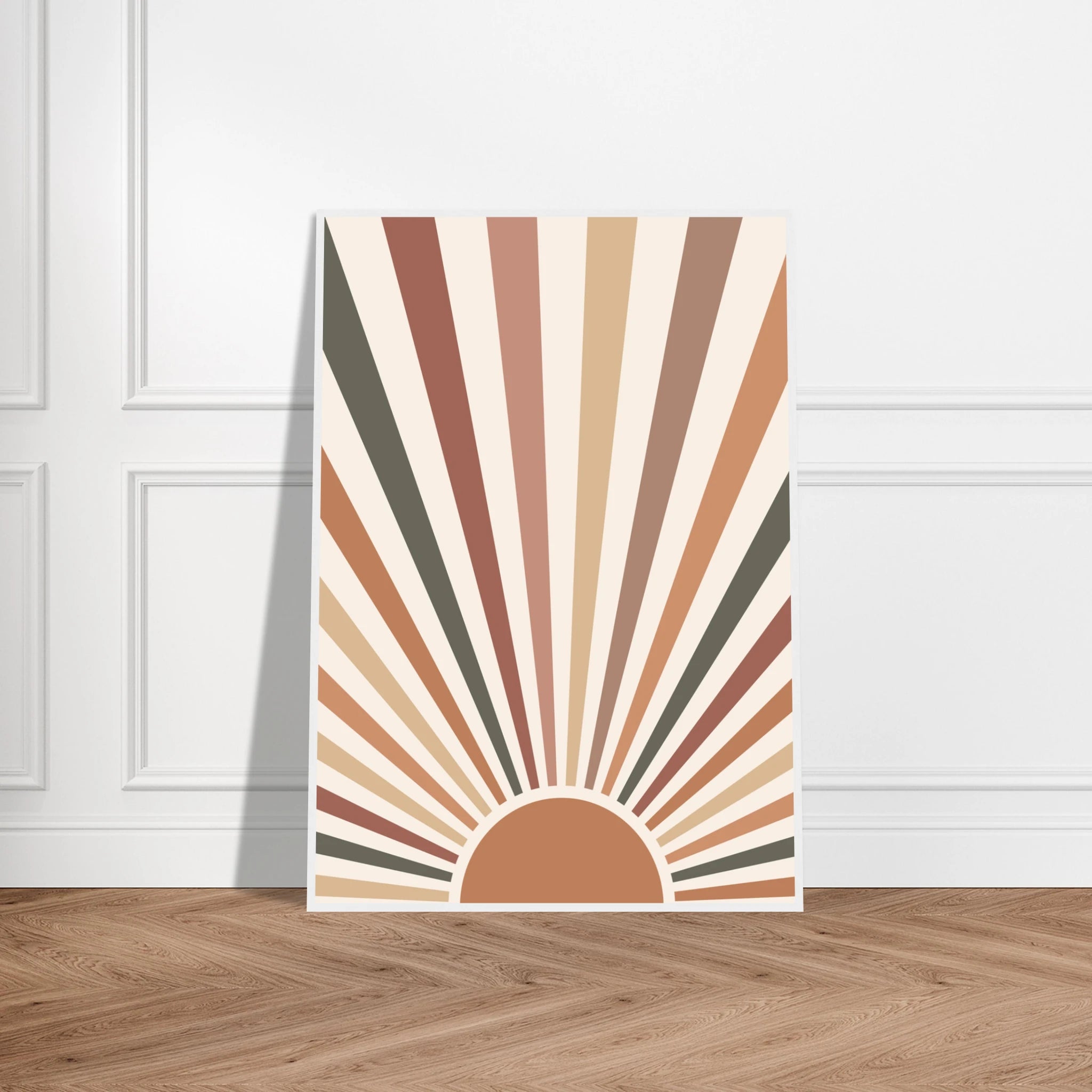
Embracing simplicity, minimalist and monochrome artistic painting emphasizes clean lines, subtle textures, and the beauty of negative space. These works often use a restrained color palette, highlighting the interplay between light, shadow, and form. Minimalist art is ideal for Scandinavian-inspired homes or offices seeking a calming, uncluttered atmosphere.
A monochrome piece can add sophistication, making it a timeless choice that complements evolving décor trends.
Themed and Seasonal Art Projects
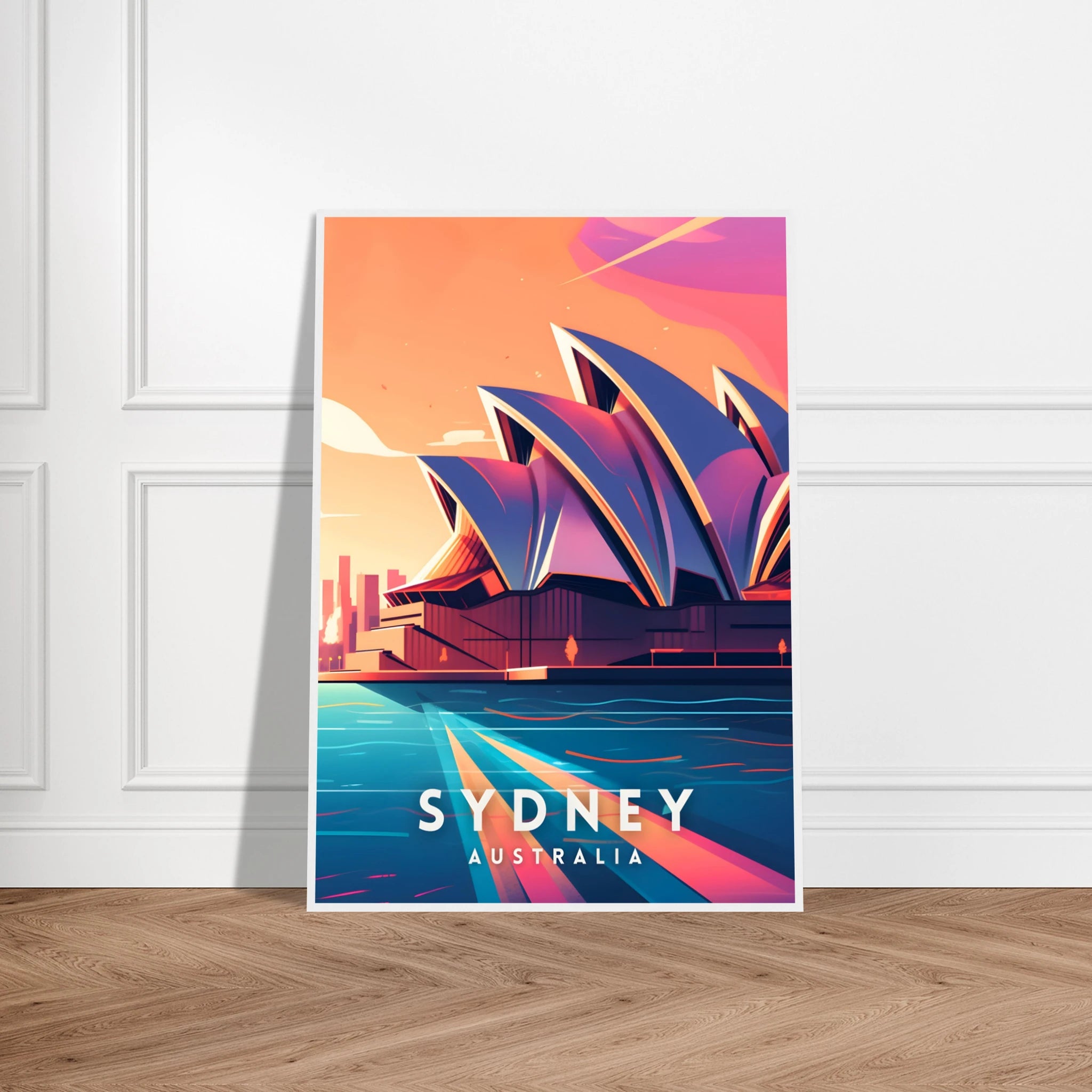
Artistic painting thrives on the creative possibilities of themed and seasonal projects. From nature-inspired motifs to travel memories, these works bring a personal touch to any environment. Popular projects include DIY Easter eggs, festive ornaments, and travel-inspired prints that celebrate cherished experiences.
With each season, artists find new inspiration, ensuring fresh ideas for every space year-round.
Kids’ Art and Family-Friendly Painting
Artistic painting is especially rewarding when it brings families together. Engaging children in creative projects fosters imagination and confidence. Playful wall art, custom foiled pumpkins, and whimsical murals transform kids’ rooms into vibrant, inviting spaces. For more ideas, explore the Artistic painting for kids' rooms collection, offering styles tailored to young imaginations.
Family-friendly artistic painting projects create lasting memories and brighten every corner of the home.
Customization and Personalized Art
Personalized artistic painting allows individuals to tell their story through color, motif, and message. Techniques such as name art, custom palettes, and commissioned pieces make it possible to design artwork that is truly one-of-a-kind. Customized art is perfect for gifts, statement walls, or commemorating special occasions.
This approach ensures each piece resonates with meaning and harmonizes with existing décor.
Integrating Artistic Painting into Home Décor
Integrating artistic painting into home décor is about more than hanging art on the wall. Thoughtful placement, creative rotations, and upcycled furniture painting all contribute to a dynamic, evolving environment. Statement murals or painted side tables can redefine a space, while curated displays keep your interiors feeling fresh.
The right artistic painting style can enhance any room, reflecting personal style and elevating the ambiance.
Building Your Artistic Painting Practice: Learning, Community, and Growth
Building a successful artistic painting practice in 2026 means taking advantage of new learning pathways, community support, and digital opportunities. Whether you are just starting or looking to elevate your skills, there are more resources and connections than ever to help you grow as an artist. Staying engaged, inspired, and connected is essential for ongoing success.
Online Learning Platforms and Resources
In 2026, online platforms have transformed artistic painting education. Accessible resources like YouTube, Skillshare, and specialized art sites provide video tutorials, live demonstrations, and interactive feedback. These resources cover everything from foundational techniques to advanced mixed media methods. Artists can find step-by-step guides, participate in live Q&A sessions, and explore a wide range of styles at their own pace. This digital shift lowers barriers, making artistic painting more inclusive and flexible for all learners.
Virtual and In-Person Workshops
Hybrid workshops blend the best of both worlds, offering real-time instruction in virtual spaces and hands-on experiences in local studios. Many artists join Facebook Live sessions, attend Zoom classes, or participate in community paint parties. These workshops foster collaboration, allowing participants to share their artistic painting progress and receive constructive guidance. The interactive setting encourages experimentation and helps artists build confidence in new techniques.
Joining Art Communities and Networks
Online and local art communities are thriving in 2026. Artists connect through forums, social media groups, and collaborative projects. These networks offer valuable feedback, spark inspiration, and create opportunities for collaboration. Participating in online challenges or joining neighborhood art groups can accelerate artistic painting growth and help artists stay motivated. Community support is a powerful resource for overcoming creative hurdles and celebrating achievements.
Showcasing and Selling Your Art Online
Artists now have direct access to global audiences through platforms like Etsy, Instagram, and personal websites. Building an online portfolio allows you to present your artistic painting in a professional light. Tips for success include photographing work in good lighting, writing engaging descriptions, and interacting with potential buyers. By engaging with online communities and sharing the story behind each piece, artists can boost visibility and sales while growing their reputation.
Staying Inspired and Avoiding Creative Blocks
Maintaining momentum in artistic painting requires fresh inspiration and resilience. Setting clear creative goals and experimenting with new techniques can reignite your passion. Many artists share progress updates on social media for accountability and encouragement. Seeking feedback from peers and exploring trending color palettes or motifs keeps your work dynamic. Remember, creative blocks are temporary, and community support can help you push through challenges.
The Future of Artistic Painting: What’s Next?
Looking ahead, artistic painting is set to evolve with ongoing technological advances and cultural fusion. Expect greater integration of AI tools, global influences, and new eco-friendly materials. Artists who embrace continuous learning and adaptability will thrive. For insights on emerging directions, explore Fine Art Trends of 2025: What to Expect, which highlights sustainability, immersive experiences, and digital innovation as key drivers for the future of artistic painting.