



Guide To Choosing Living Room Art For Walls In 2026
Looking to refresh your home in 2026? The right living room art for walls can instantly transform your space, making it feel both modern and uniquely yours. Art not only adds visual interest, but it also reflects your personality and sets the tone for your living room.
This comprehensive guide walks you through the process of selecting living room art for walls that aligns with the latest trends, your personal style, and your room’s functional needs. You will discover emerging art styles, learn how to assess your space, explore art types and materials, and gain expert tips for curating a cohesive, stylish look. Start your journey to a more inspiring living room today.
Understanding 2026 Living Room Art Trends
Staying ahead of evolving trends is essential when choosing living room art for walls. The right art not only updates your space but also reflects your unique taste and the spirit of the times. In 2026, several key influences are shaping how homeowners approach wall art, from aesthetics and colors to technology and sustainability.
Shifts in Art Styles and Aesthetics
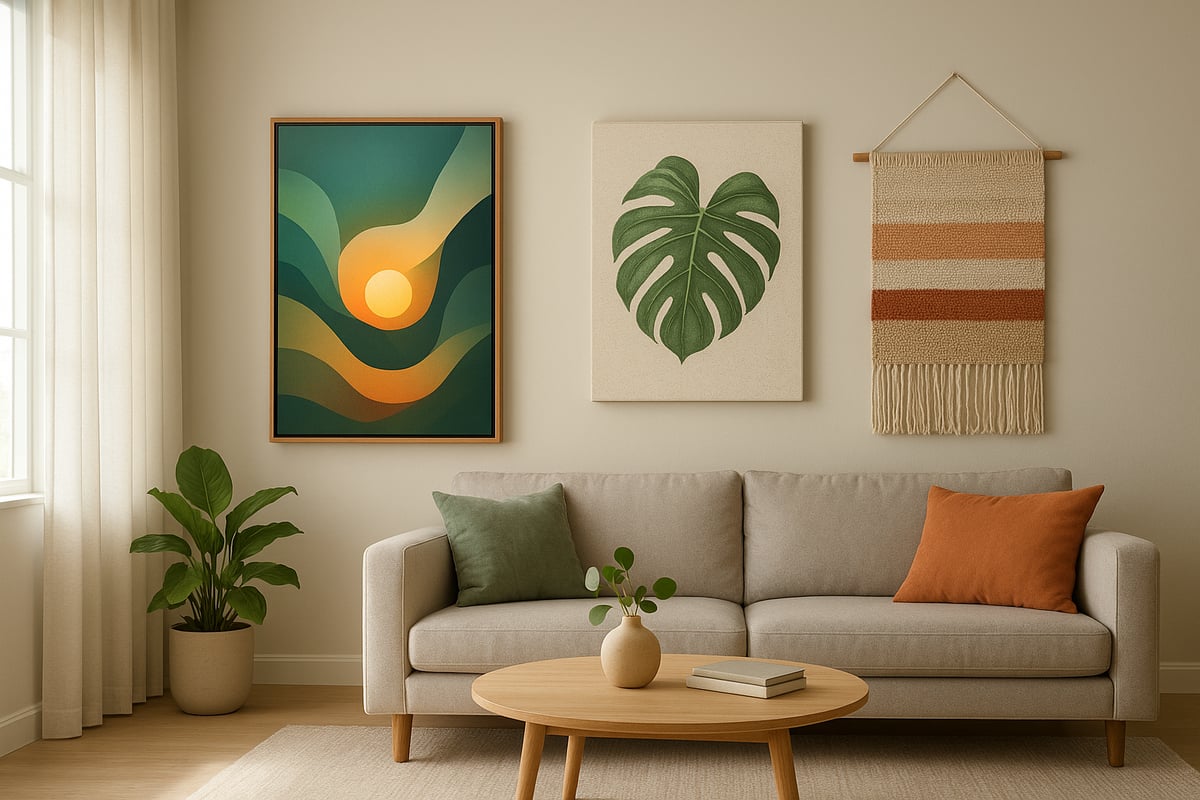
In 2026, living room art for walls is seeing a surge in abstract, minimalist, biophilic, digital, and mixed media styles. These trends are shaped by global events, cultural shifts, and a growing appreciation for art that soothes and inspires. Eco-conscious materials are becoming more popular, with recycled and upcycled works gaining traction.
Trending motifs include organic shapes, calming landscapes, and expressive digital pieces. According to recent data, demand for nature-inspired and serene artwork is climbing. Keeping up with these styles will ensure your living room art for walls feels relevant and inviting, while allowing your personality to shine through.
Popular Color Palettes for 2026
Color choices for living room art for walls in 2026 are inspired by earthy neutrals, bold jewel tones, and muted pastels. These shades create calming, sophisticated atmospheres and blend seamlessly with modern décor. Terracotta, sage green, and digital blues are especially sought after, while color psychology guides selections that influence mood and comfort.
A sample of trending hues:
| Color | Effect on Space |
|---|---|
| Terracotta | Warmth, coziness |
| Sage Green | Calm, biophilic feel |
| Digital Blue | Modern, tranquil |
Data shows a marked increase in sales of art featuring nature-inspired shades. For deeper insight into color impact, see Vogue's 2026 Interior Design Trends.
Technology and Digital Art Integration
Technology is redefining living room art for walls, with digital prints, NFTs, and interactive displays becoming more accessible. Homeowners appreciate the customization, flexibility, and affordability that digital art offers. Digital canvases can now change images based on the time of day or season, providing endless variety.
For those seeking creative options, digital art allows you to refresh your living room art for walls without physical replacements. This innovation is making it easier to personalize spaces and stay current with shifting tastes.
Sourcing Sustainable and Ethical Art
Eco-friendly practices are at the forefront of living room art for walls in 2026. Consumers are prioritizing sustainable materials and ethical sourcing, often looking for certifications or labels that guarantee responsible production. Popular choices include art made from recycled materials or pieces crafted through local artisan collaborations.
Transparency is key for today’s buyers. As more people seek out eco-conscious options, supporting sustainable artists and materials ensures your living room art for walls aligns with your values and contributes positively to the environment.
Influences from Interior Design Movements
Interior design styles such as Scandinavian, Japandi, and maximalism directly impact choices for living room art for walls. Scandinavian and Japandi encourage simplicity and harmony, making large-scale, minimal art ideal. Maximalism embraces bold gallery walls and eclectic combinations.
Designers recommend matching art with your room’s dominant style, whether that means curating a gallery wall for an eclectic look or opting for a single statement piece in a minimalist space. Harmonizing living room art for walls with furniture and architectural details creates a cohesive, designer-approved atmosphere.
Assessing Your Living Room Space
Choosing the perfect living room art for walls begins with a careful assessment of your space. Thoughtful evaluation ensures your selections complement your room’s size, light, décor, and intended function. This step-by-step approach will help you create a harmonious and visually engaging environment.
Evaluating Wall Size and Layout
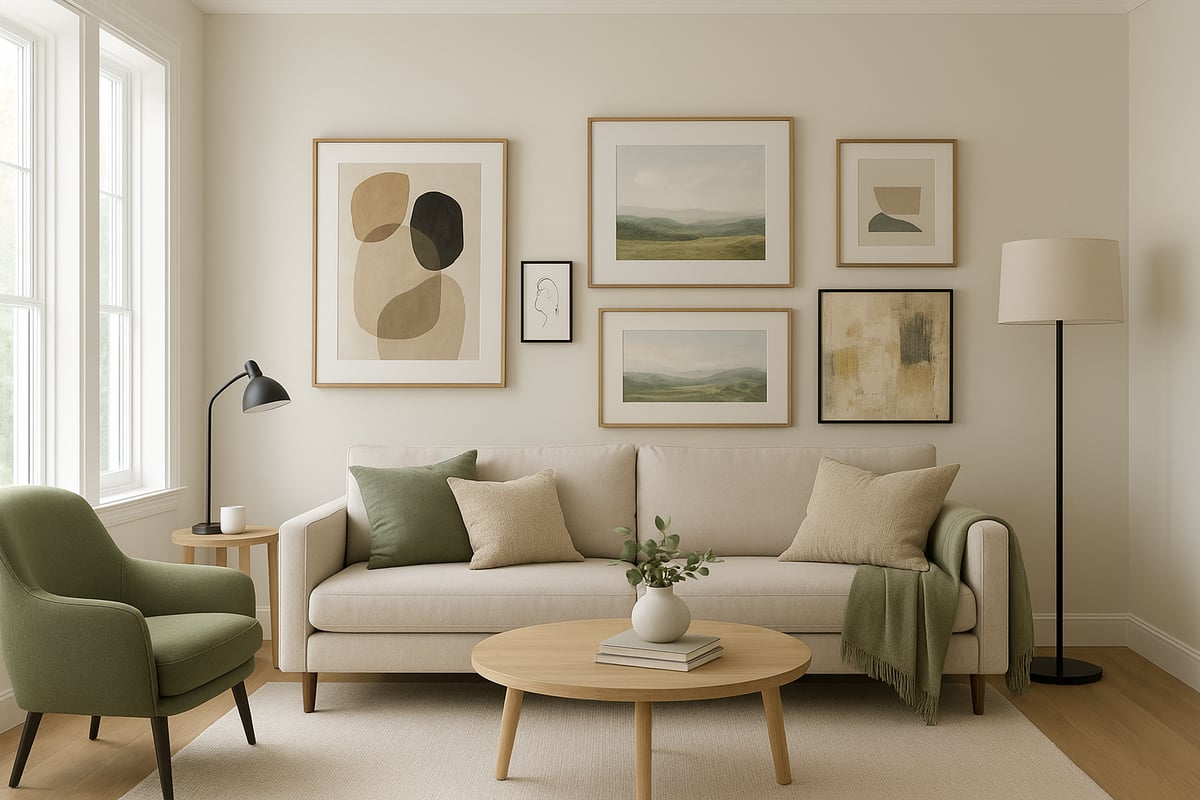
Start by measuring the exact dimensions of your available wall space. Use a tape measure for accuracy, noting the width and height. Take into account architectural features such as windows, doors, or built-in shelving that might affect placement of living room art for walls.
Identify the room’s focal points. In open-plan spaces, a large wall can accommodate a single statement piece. For smaller or segmented areas, consider sets or diptychs to maintain balance. Use painter’s tape or paper templates to visualize how different sizes and groupings will look before committing.
Proper sizing is essential. Art that is too large can overwhelm, while pieces that are too small may fade into the background. For more inspiration on layout and placement, explore Wall art for living rooms, which offers expert guidance on arranging art for maximum impact.
Considering Lighting and Ambience
Lighting dramatically affects how living room art for walls is perceived. Observe how natural light enters your room throughout the day. Strong sunlight can fade delicate works, so position valuable or light-sensitive pieces away from direct rays. For darker corners, use spotlights or picture lights to highlight art and enhance colors.
Choose finishes that suit your lighting conditions. Matte surfaces reduce glare in bright rooms, while gloss finishes can create a striking effect in softly lit spaces. Always check for reflections and adjust placement to ensure optimal visibility. Well-lit art not only draws attention but also increases the sense of value and enjoyment in your living room.
Harmonizing with Existing Décor
Analyze your furniture style, color palette, and room textures before selecting living room art for walls. Look for shared tones or motifs between your décor and potential art choices. This approach fosters a seamless visual flow.
Match frame materials to other elements in the room, such as metallic finishes or natural woods. For example, coordinate black frames with dark hardware or pair warm wood frames with neutral textiles. When art and décor are in harmony, the entire space feels cohesive and thoughtfully designed.
Defining Your Room’s Function and Mood
Consider how you use your living room most often. Is it a lively gathering spot, a peaceful retreat, or a multi-functional family area? The function should guide your choice of living room art for walls.
Art can set the tone for the entire room. Bold abstracts energize, while serene landscapes promote relaxation. For an inspiring workspace, choose motivational prints or vibrant colors. Remember, art influences not just aesthetics but also the atmosphere and emotional response of everyone in the space.
Budgeting for Art Investments
Set a clear budget for living room art for walls to avoid overspending. Decide early whether you want to invest in original works, opt for high-quality prints, or embrace affordable digital options.
Compare costs and longevity:
| Art Type | Price Range | Longevity |
|---|---|---|
| Originals | $$$–$$$$ | 30+ years |
| Prints | $–$$$ | 5–15 years |
| Digital | $–$$ | Varies |
Affordable sources include online marketplaces, local art fairs, and emerging artists. Prints and posters remain popular for those seeking style on a budget. Allocate more for a statement piece if desired, and remember that thoughtful curation can elevate any investment, regardless of price.
Choosing the Right Art Types and Mediums
Selecting the ideal living room art for walls in 2026 means understanding the wide variety of art types and mediums available. Each option brings its own character, durability, and visual impact. By exploring these categories, you can find pieces that complement your style and suit your space perfectly.
Paintings, Prints, and Posters: What’s Best?
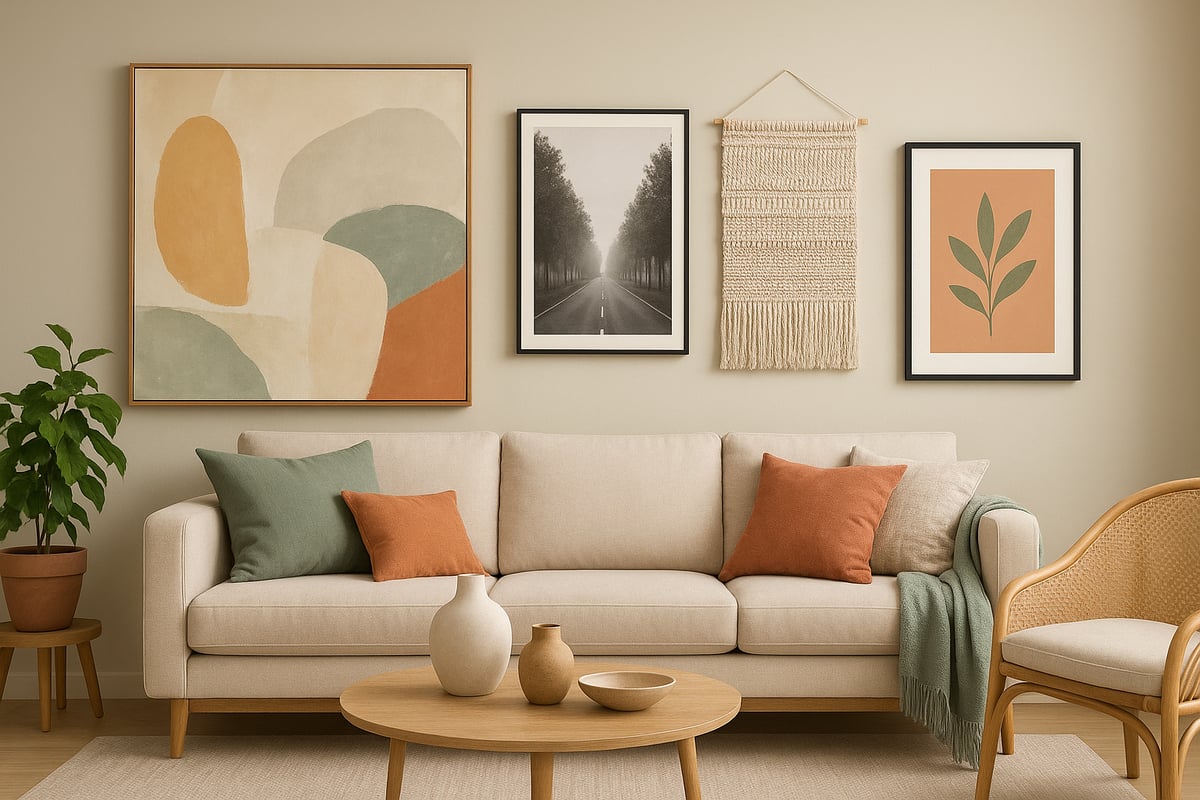
When considering living room art for walls, it is important to distinguish between original paintings, limited edition prints, and mass-produced posters. Originals are one-of-a-kind and often command higher prices, offering unique texture and presence. Limited edition prints deliver a blend of exclusivity and affordability, while posters are budget-friendly and ideal for frequent updates.
A quick comparison helps clarify:
| Type | Uniqueness | Price Range | Longevity |
|---|---|---|---|
| Original | High | $$$$ | Excellent |
| Limited Print | Medium | $$-$$$ | Good |
| Poster | Low | $ | Fair |
For those looking to decorate stylishly without overspending, Affordable wall art tips can help you source quality pieces that suit your budget and taste. The right choice depends on your priorities: investment value, frequency of change, and the statement you wish to make with your living room art for walls.
Photography and Mixed Media Art
Photography continues to be a popular choice for living room art for walls, offering a timeless quality and a wide range of subjects from landscapes to urban scenes. Black-and-white photos add elegance, while color photography can energize or calm a space.
Mixed media art, which combines painting, collage, and digital elements, introduces texture and depth to your walls. These pieces can incorporate recycled materials, textiles, or layered visuals, making each work stand out. For those seeking a unique and tactile experience, mixed media enriches the storytelling potential of living room art for walls.
Sculptural and 3D Wall Art
Dimensional pieces are redefining living room art for walls in 2026. Sculptural works, such as metal hangings, woven tapestries, or wooden installations, introduce tactile interest and create visual drama. These pieces are especially effective in minimalist spaces, where a single 3D artwork can become a striking focal point.
Choosing sculptural art allows you to experiment with light and shadow, adding movement and energy to your living room. Whether you opt for a handcrafted textile or a contemporary metal piece, sculptural living room art for walls elevates the atmosphere and adds a curated touch.
Digital and Interactive Art
As technology advances, digital and interactive art is transforming living room art for walls. Digital frames that rotate curated galleries or display NFTs offer dynamic content, allowing homeowners to change their art with the season or mood.
Interactive installations, such as motion-activated displays, provide a personalized experience and invite engagement from guests. The flexibility and customization possibilities of digital living room art for walls make it an attractive option for those who enjoy experimenting and updating their décor regularly.
Selecting Art Mediums: Canvas, Paper, Metal, and More
The medium you select greatly affects the look and longevity of living room art for walls. Canvas remains a top choice for its warmth and classic appeal, while paper is ideal for prints and posters that are easy to frame and update. Metal art brings a modern, sleek touch and is highly durable, making it suitable for contemporary interiors.
Other materials, such as wood, glass, or textile, offer additional texture and personality. When choosing living room art for walls, consider the maintenance needs and how each medium interacts with your lighting and overall design. Canvas prints, in particular, continue to lead sales due to their versatility and lasting beauty.
Curating a Cohesive Living Room Art Collection
Curating a cohesive collection of living room art for walls is essential for creating a harmonious and visually appealing space. A well-thought-out approach ensures your art tells a story, complements your décor, and evolves with your personal taste. Let us explore expert strategies for building a unified yet dynamic art display.
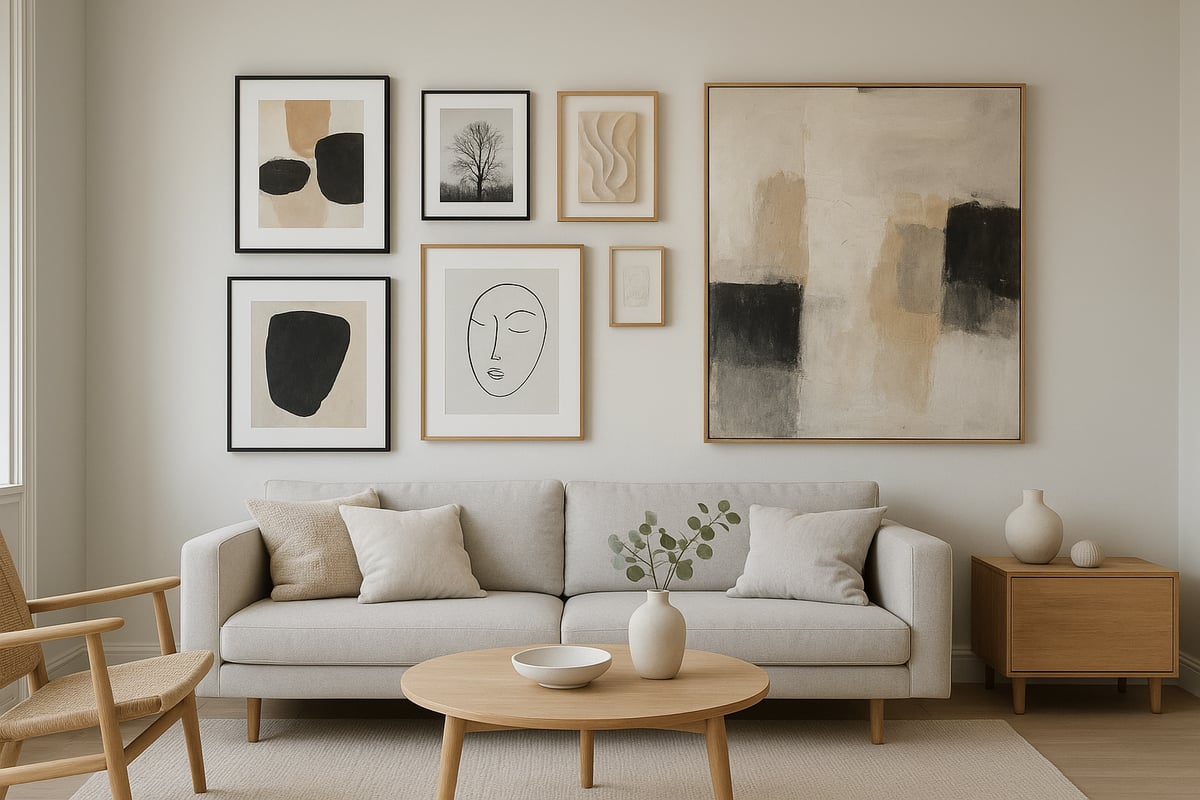
Establishing a Visual Theme or Story
A cohesive living room art for walls collection starts with a unifying theme. This could be a color palette, a subject matter such as botanicals or travel, or an underlying mood like tranquility or vibrancy. By choosing a theme that resonates with your personality, you set the foundation for a meaningful display.
Consider these popular themes:
- Nature-inspired prints for a calming effect
- Abstract expressionism for creative energy
- Travel photography to evoke memories
A clear visual story not only enhances the aesthetic appeal but also makes your living room art for walls a true reflection of who you are.
Mixing and Matching Art Styles
Blending different styles can make your living room art for walls feel curated and personal. Start by balancing contrast and complement. Pair vintage pieces with contemporary prints or mix photography with mixed media. This approach adds depth and interest without overwhelming the space.
Tips for mixing styles:
- Keep one element consistent, such as frame color or matting
- Use color to tie disparate pieces together
- Vary sizes and shapes for visual rhythm
The key is to experiment while maintaining a sense of harmony so your living room art for walls feels intentional and inviting.
Arranging Art: Gallery Walls vs. Statement Pieces
When arranging living room art for walls, you can choose a gallery wall or a single large statement piece. Gallery walls allow you to showcase multiple artworks in creative layouts, such as grids or salon-style arrangements. A statement piece, on the other hand, draws focus and anchors the room.
If you are considering a gallery wall, explore Gallery wall layout ideas for inspiration on spacing, alignment, and overall impact. Remember to plan your layout before hanging to achieve balance and cohesion. Whether you go for a bold centerpiece or a curated cluster, the arrangement greatly influences the atmosphere of your living room art for walls.
Framing and Presentation Techniques
Framing plays a pivotal role in elevating living room art for walls. The right frame can enhance the artwork and tie it into your room’s décor. Choose materials that complement your style, such as sleek metal for modern spaces or ornate wood for classic interiors.
Presentation tips:
- Use uniform spacing between pieces for a polished look
- Hang art at eye level for optimal viewing
- Consider floating frames for a contemporary touch
Proper framing and thoughtful presentation increase the perceived value and longevity of your living room art for walls.
Refreshing and Rotating Art Collections
Refreshing your living room art for walls keeps your space feeling dynamic and current. Rotate pieces seasonally or for special occasions to introduce new energy and perspectives. For easy updates, consider digital art frames that allow you to switch displays at the touch of a button.
Care and storage are important for maintaining your collection. Store unused pieces in a cool, dry place and handle them with clean hands. Regularly updating your living room art for walls ensures your space remains inspiring and reflective of your evolving style.
Step-by-Step Guide to Selecting Living Room Wall Art
Selecting the perfect living room art for walls is a process best approached step by step. By following these clear stages, you can confidently curate a collection that feels personal, cohesive, and on trend for 2026.
Step 1: Define Your Style and Inspiration
Start by identifying the styles and themes that resonate with you. Gather inspiration from design magazines, online galleries, or platforms like Pinterest. Reviewing resources such as Pinterest Predicts 2026 Trends can reveal emerging motifs and popular palettes, guiding your choices for living room art for walls.
Create a mood board to visualize your preferences. Consider what emotions you want your space to evoke. Are you drawn to calming landscapes, bold abstracts, or digital art? Clarifying your taste streamlines the entire process, making art selection more enjoyable and focused.
Step 2: Measure and Plan Your Wall Space
Before buying any living room art for walls, measure your available wall space carefully. Note architectural features, outlets, and furniture placement. Use painter’s tape or paper templates to preview arrangements on the wall.
Digital visualization tools or simple sketches can help you plan. Ensuring the scale of each piece matches your wall prevents the art from overwhelming or getting lost in the room. This planning step also helps you determine if you want a single statement piece or a gallery wall.
Step 3: Set a Realistic Budget
Establish a clear budget for your living room art for walls. Consider how much you want to invest in originals, prints, framing, and installation. Prioritize spending on focal pieces that will anchor your space.
Divide your budget between statement art and supporting pieces. Many homeowners allocate 5 to 10 percent of their décor budget to art. Remember, high-quality prints and digital works can offer style at a lower cost, allowing you to balance investment and affordability.
Step 4: Source Art from Reputable Platforms
Research where to buy living room art for walls. Explore online marketplaces, local galleries, and independent artists. Compare quality, authenticity, and customer reviews to make informed decisions.
Look for platforms offering curated selections, artist bios, and transparent return policies. Supporting local creators not only adds unique character to your space but also ensures you are investing in quality craftsmanship. Trusted sources provide peace of mind and lasting satisfaction.
Step 5: Visualize and Arrange Before Hanging
Arrange your living room art for walls before committing to nails or hooks. Use digital mockups or lay pieces on the floor to experiment with layouts. Take into account sightlines from key seating areas and how the art interacts with natural and artificial light.
Color placement is crucial for harmony. For guidance on how hues influence mood and arrangement, see Color psychology in décor. Ensuring each piece complements your décor creates a polished, cohesive look.
Step 6: Install and Maintain Your Art
Install your living room art for walls securely and at the correct height. Use appropriate hardware for the weight and type of each piece. For large or valuable works, consider professional installation.
Protect your art from direct sunlight, humidity, and accidental damage. Regularly dust frames and surfaces. Proper care will help your collection remain vibrant and inspiring for years to come, preserving both beauty and value.
Where to Find Unique and Affordable Living Room Art
Finding distinctive and budget-friendly living room art for walls is easier than ever in 2026. Whether you prefer shopping online, supporting your local art scene, or seeking out one-of-a-kind pieces, there are countless options to explore for every taste and budget.
Online Marketplaces and Art Platforms
Online marketplaces have revolutionized how people discover living room art for walls. Leading platforms provide an extensive range of styles, from affordable prints to limited editions, with user reviews to guide your choices.
Benefits of these platforms include:
- Wide selection of global and local artists
- Competitive pricing and frequent promotions
- Options for custom sizing and framing
For inspiration, explore online retailers that spotlight innovative designers, such as those featured in the Wallpaper* Design Awards 2026 Shortlist. Art sales are projected to grow by 12% online in 2026, making these platforms a prime destination for unique finds.
Supporting Local Artists and Galleries
Supporting local artists and galleries is a rewarding way to acquire living room art for walls with a personal touch. Purchasing directly from creators allows for customization and often results in truly original pieces.
Consider visiting:
- Artisan fairs and pop-up exhibitions
- Community art walks
- Independent gallery openings
By choosing local sources, you not only enrich your space but also foster creativity within your community. Many local artists offer commissions, enabling you to collaborate on art tailored to your living room's style and needs.
Tips for Identifying Quality and Authenticity
When selecting living room art for walls, distinguishing original work from mass-produced prints is essential. Look for certificates of authenticity, artist signatures, and detailed descriptions.
Tips for ensuring authenticity:
- Request artist statements or provenance documentation
- Check online portfolios and customer testimonials
- Compare editions and print runs for limited works
An informed approach guarantees lasting satisfaction and value. By prioritizing quality and provenance, your art collection will stand the test of time and continue to inspire.