

Mural Painting Guide: Techniques, Trends, and Tips 2026
Mural painting is making a stunning comeback in 2026, transforming city walls and home interiors alike. The bold colors and powerful stories these artworks bring have captured the world’s imagination.
This guide will take you inside the world of mural painting. You will uncover its fascinating history, learn about essential materials, discover step-by-step processes, explore trending styles, and pick up expert tips and modern innovations.
Ready to unlock the creative and transformative power of mural painting? Dive in for inspiration, practical advice, and the tools you need to master this dynamic art form.
The Art and Evolution of Mural Painting
Mural painting is more than just an art form, it is a visual language that shapes public and private spaces. Its story spans centuries, reflecting social values, cultural shifts, and artistic innovation. Today, mural painting stands at the crossroads of tradition and modernity, offering artists endless possibilities for creative expression.
Understanding Murals: Definition and Purpose
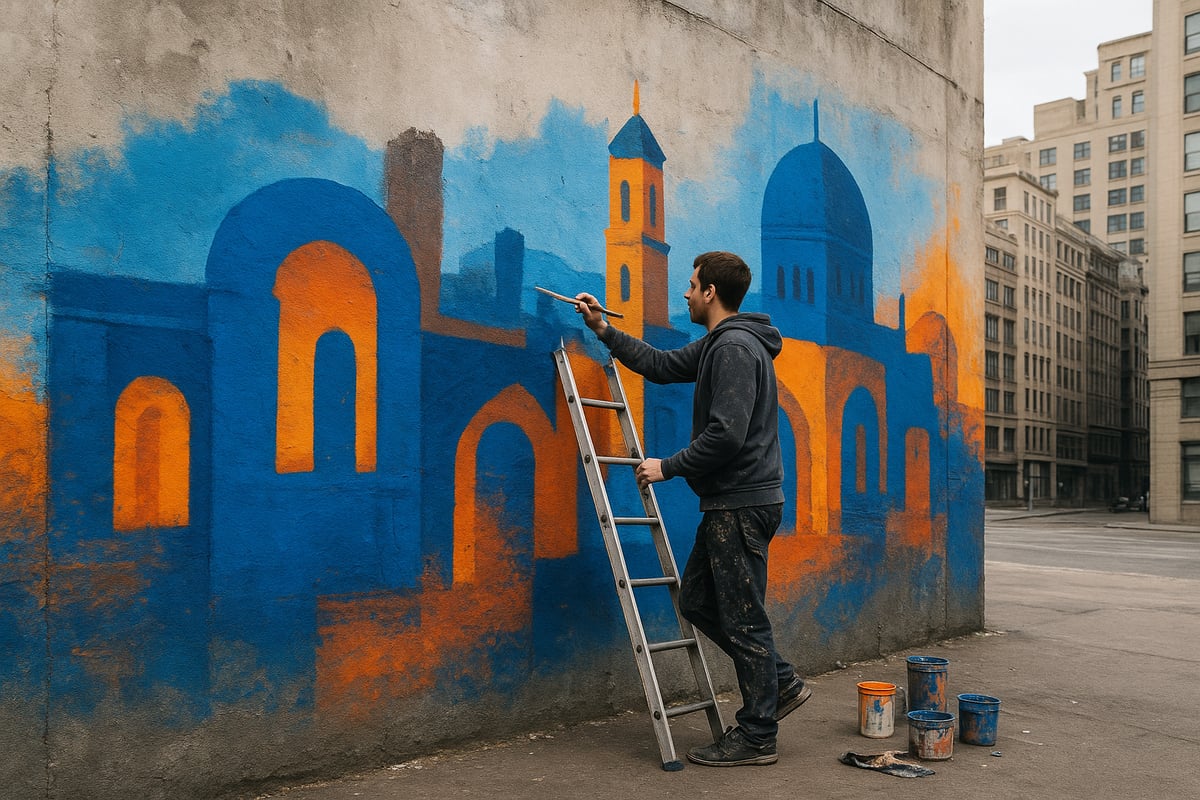
Mural painting refers to artwork applied directly to walls, ceilings, or other large surfaces, distinguishing it from pieces created on canvas. Unlike framed art, murals become part of their environment, merging with the architecture and engaging viewers in a three-dimensional experience. This integration makes mural painting uniquely powerful for storytelling, social commentary, and beautification.
Murals often serve as visual narratives, celebrating community identity or honoring local history. According to Britannica, murals are considered three-dimensional art because they interact with structural elements. For example, a neighborhood mural might depict important historical events, fostering pride and unity among residents.
Historical Milestones in Mural Art
The origins of mural painting can be traced back to ancient civilizations such as Rome and Byzantium, where artists adorned public buildings with vibrant imagery. During the Renaissance, mural painting flourished, with figures like Masaccio, Fra Angelico, Leonardo da Vinci, Michelangelo, and Raphael revolutionizing techniques such as fresco, tempera, and encaustic.
One of the most renowned examples is the Sistine Chapel ceiling, painted by Michelangelo. This masterpiece not only showcases the technical skill of mural painting but also demonstrates how murals can inspire awe and communicate complex religious themes for generations.
Modern Mural Movements and Influences
In the 20th century, mural painting evolved rapidly, influenced by street art, graffiti, and large-scale public art campaigns. Artists like Diego Rivera and Keith Haring brought murals into the spotlight, using them to address political, social, and cultural issues. The Berlin Wall, covered in striking murals, stands as a testament to the power of mural painting as both protest and celebration.
Today, contemporary movements continue to redefine mural painting, blending traditional techniques with new styles and mediums. The rise of urban art has transformed cityscapes into open-air galleries, making art accessible to all.
The Role of Murals in 2026
In 2026, mural painting plays a vital role in community engagement, activism, and even commercial branding. Recent surveys show a significant increase in public art commissions, highlighting the growing demand for murals in urban revitalization projects. Cities now use mural painting to breathe new life into neglected neighborhoods, foster dialogue, and create shared experiences.
Digital and interactive murals are also emerging, allowing viewers to engage with art in dynamic ways. For further insights into the evolution and impact of mural painting, explore this mural art painting guide for examples and expert perspectives.
Essential Materials and Tools for Mural Painting
Selecting the right materials and tools is the foundation of successful mural painting. Whether you are a beginner or a seasoned artist, understanding your options ensures your mural painting projects stand the test of time and look vibrant for years. Let us explore what you need to get started.
Choosing the Right Paints and Mediums
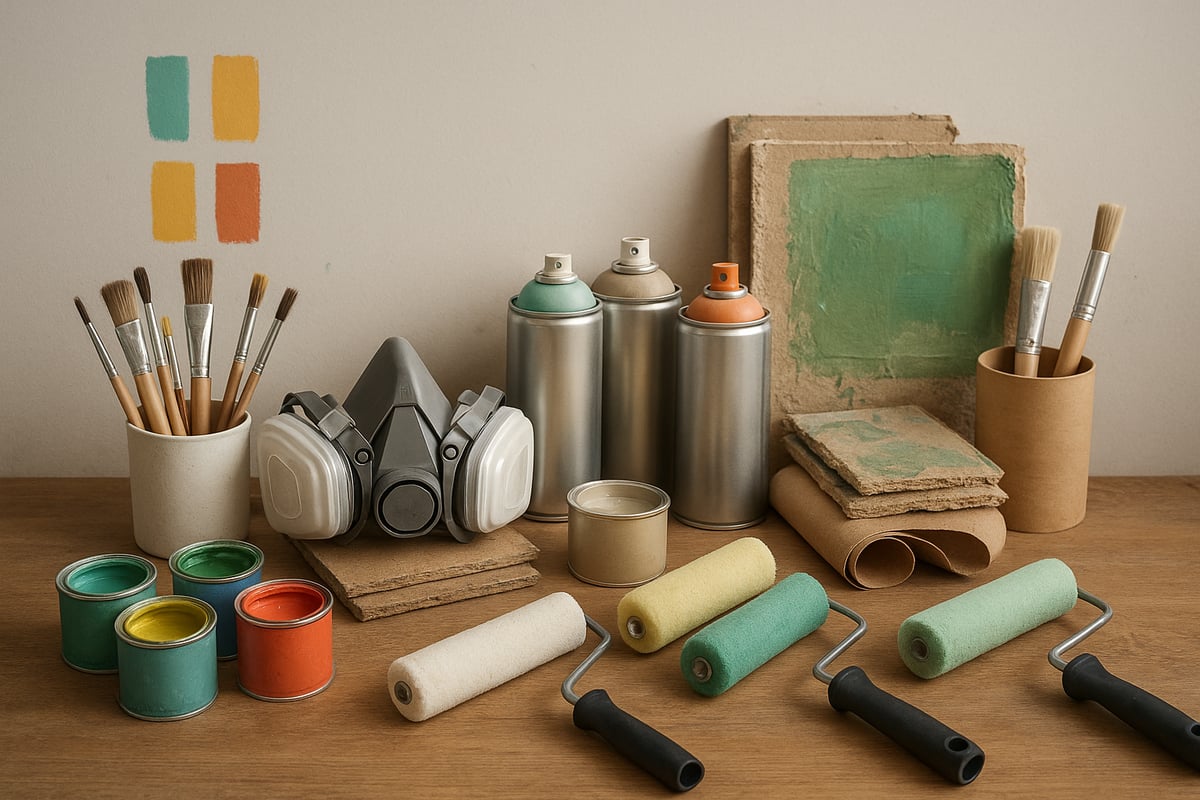
Selecting paints is a crucial step in mural painting. Artists often choose between acrylics, spray paints, latex, and eco-friendly options. Acrylics are popular for their quick drying time and vibrant colors, while spray paints offer speed and smooth gradients for large-scale mural painting. Latex paints provide excellent durability for outdoor projects. Eco-conscious artists now favor bio-based and low-VOC paints, reflecting a growing trend towards sustainability, as highlighted in recent Painting Industry Statistics 2025.
| Paint Type | Pros | Cons |
|---|---|---|
| Acrylic | Bright colors, fast dry | Less weatherproof outside |
| Spray Paint | Quick, smooth coverage | Ventilation needed |
| Latex | Durable, weatherproof | Slower drying |
| Bio-Based | Eco-friendly, low odor | Limited color range |
Choose the medium that best fits your mural painting vision and environment.
Surface Preparation: Walls and Alternatives
The longevity of mural painting depends on proper surface preparation. Artists frequently work on concrete, brick, wood, or canvas panels, each requiring specific steps for optimal results. Always clean the surface thoroughly to remove dust and debris. Next, apply a primer or gesso to create a smooth, absorbent base that ensures paint adhesion. Sealing the wall with a protective coat increases durability, especially for exterior mural painting.
Sustainable practices are gaining ground, with many artists using recycled canvases or reclaimed wood panels. This approach not only supports eco-friendly mural painting but also adds unique character to each project.
Brushes, Rollers, and Application Tools
Every mural painting project calls for a tailored set of tools. Flat and round brushes are essential for broad strokes and fine details, while rollers cover large areas quickly. Sponges are ideal for texture effects. Specialty tools like spray guns, stencils, and palette knives expand creative possibilities for mural painting.
Professional artists often invest in ergonomic handles for comfort during long sessions. Beginner sets are affordable and readily available, but upgrading to high-quality brushes and knives, as recommended by leading suppliers, can enhance mural painting results. Choose tools that match your style and project scale.
Safety, Accessibility, and Sustainability
Prioritizing safety and sustainability is vital in mural painting. Always wear protective gear such as masks and gloves, especially when working with spray paints or chemicals. Scaffolding and ladders should meet safety standards to prevent accidents during mural painting.
Eco-friendly practices include using bio-based paints and recycled materials. Many mural painting projects now incorporate accessibility features, such as adaptive brushes for artists with disabilities. This inclusive approach ensures mural painting remains open to everyone, fostering creativity and community engagement.
Step-by-Step Mural Painting Process
Starting a mural painting project involves careful planning, technical preparation, and creative execution. Each stage is essential to ensure your mural is both visually impactful and durable. Follow this comprehensive process to master every aspect of mural painting, from concept to preservation.
Planning and Concept Development
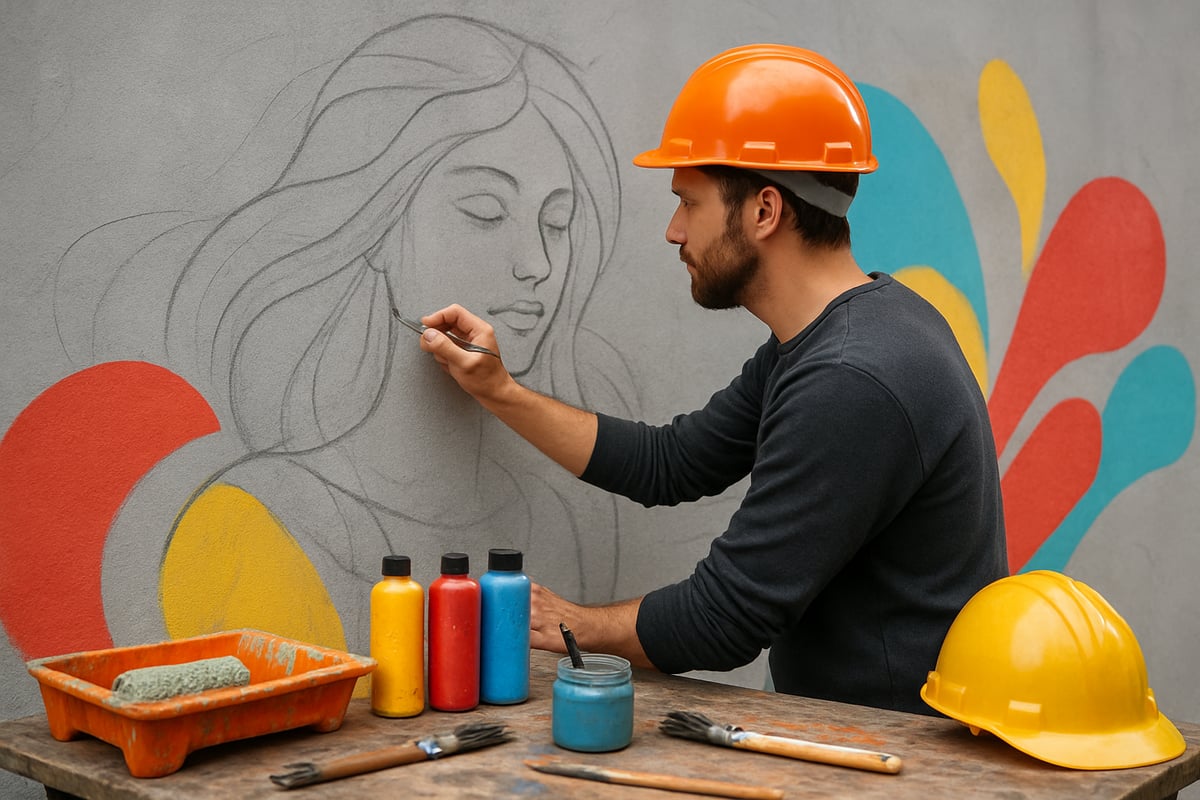
Every successful mural painting begins with thorough planning. Start by researching your mural location, considering the cultural context, audience, and message you want to convey. Create mood boards and preliminary sketches to visualize your concept and refine the design.
If you are planning a mural for a public space, secure necessary permissions and permits in advance. Community-driven design workshops can foster engagement and ensure the mural resonates with local values. For inspiration on composition and layout, explore gallery wall layout ideas to spark creativity during this initial phase.
Surface Preparation and Priming
Preparing your surface is a foundational step in mural painting. Begin by cleaning the wall to remove dust, dirt, and loose paint. Repair any cracks or imperfections to create a smooth base.
Apply a suitable primer or gesso to enhance paint adhesion and durability. For outdoor murals, select weather-resistant products that shield against moisture. Use chalk or a light pencil to mark guidelines or grid systems, which help maintain proportions as you scale up your design.
Transferring Designs and Scaling Up
Once your surface is ready, focus on accurately transferring your mural painting design. Common methods include freehand drawing, the grid method, projection, or using stencils. The grid method involves dividing your sketch and wall into equal squares, making it easier to enlarge the artwork with precision.
Digital projectors are increasingly popular, allowing artists to trace complex designs directly onto large surfaces. Always double-check your composition and make adjustments as needed before applying paint.
Layering Paint and Building the Image
Begin mural painting by blocking in large shapes and background colors. This provides a strong foundation for the composition. Gradually build up mid-tones and add details in subsequent layers.
Use blending techniques, such as wet-on-wet or dry brush, to create depth and transitions. Work systematically from top to bottom to avoid smudging. Select paints that are suitable for the wall type and climate to ensure vibrant, long-lasting results.
Detailing, Texturing, and Special Effects
After establishing the main image, focus on detailing and texture. Use fine brushes for crisp linework and intricate patterns. Experiment with mixed media, such as metallic or glow-in-the-dark paints, to add unique effects.
Textured gels, pastes, or palette knives can create raised surfaces and tactile interest. Incorporate special effects thoughtfully to enhance the overall impact of your mural painting without overpowering the design.
Sealing and Protecting the Mural
The final step in mural painting is sealing and protecting your artwork. Apply a clear varnish or sealant to shield the mural from UV rays, moisture, and pollution. For outdoor projects, consider anti-graffiti coatings to prevent vandalism.
Regular maintenance checks help preserve color vibrancy and structural integrity. Quick touch-ups and cleaning ensure your mural remains a lasting visual statement for years to come.
Innovative Mural Techniques and Styles in 2026
In 2026, mural painting is experiencing a vibrant transformation. Artists are pushing creative boundaries, merging technology, sustainability, and community voices into their work. This section explores the most innovative techniques and styles redefining mural painting for the modern era.
Trending Techniques: 3D, Digital, and Interactive Murals
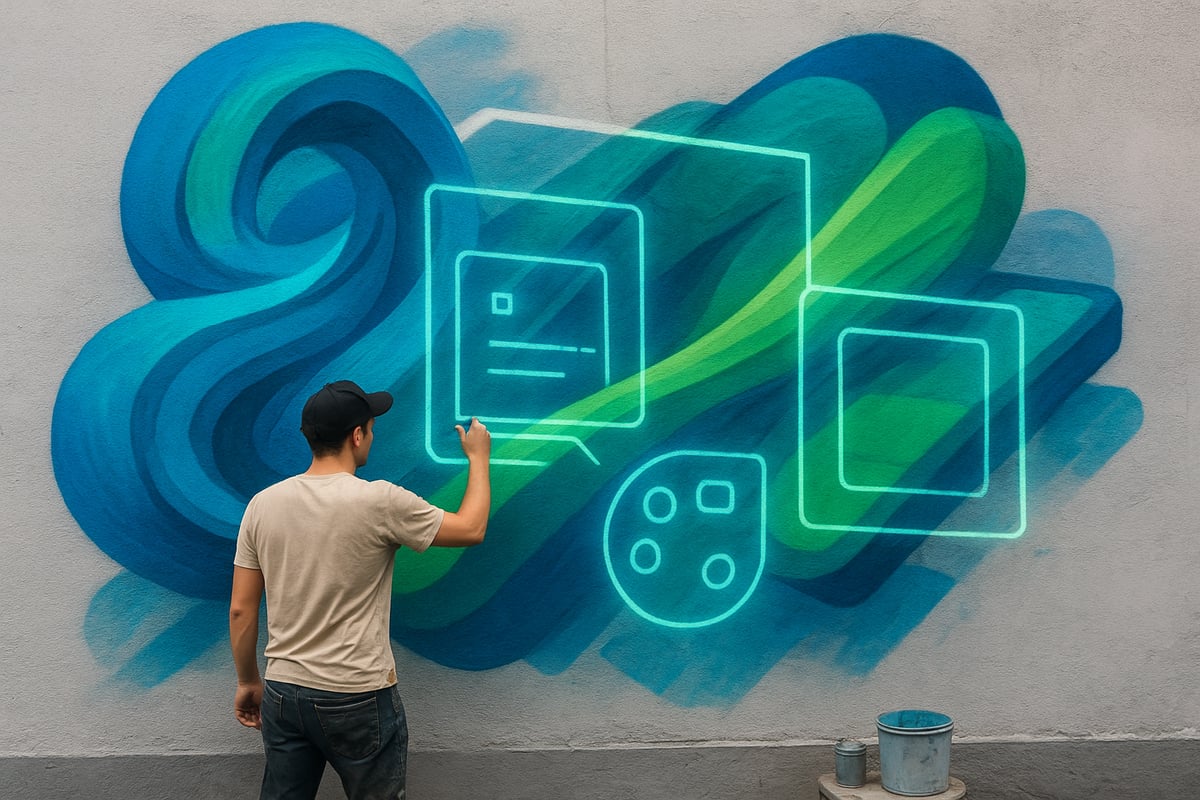
Mural painting in 2026 thrives on interactivity and illusion. Artists are using 3D anamorphic techniques to create murals that seem to leap from the wall when viewed from specific angles. Digital projection mapping brings murals to life at night, adding animated layers and changing visuals.
Interactive murals now often include QR codes or augmented reality features, allowing viewers to engage with the art through their smartphones. Some murals even respond to sound or movement, turning static walls into dynamic experiences. For deeper insight into these trends, see the latest Top Mural Trends in 2025, which highlights augmented reality and eco-friendly innovations in mural painting.
Fusion of Traditional and Modern Media
Contemporary mural painting bridges the gap between old and new. Artists are blending classic fresco or tempera methods with spray paint, digital art, and even collage. This fusion results in visually rich murals that honor tradition while embracing innovation.
Mixed-media approaches, such as embedding mosaic tiles or sculptural elements, add depth and texture. Urban revitalization projects often feature murals where digital prints and hand-painted sections coexist, creating multi-layered narratives. This style encourages artists to experiment and push the boundaries of what mural painting can achieve.
Sustainable and Eco-Conscious Murals
Sustainability is a key focus in mural painting today. Artists are choosing low-VOC paints, recycled materials, and bio-based supplies to minimize environmental impact. Some murals are painted on reclaimed walls or recycled canvases, turning forgotten spaces into eco-friendly art.
Community-driven projects often use mural painting to promote environmental messages or raise awareness about local issues. By incorporating green practices, artists not only protect the planet but also inspire others to adopt eco-conscious habits. This commitment to sustainability is shaping the future of mural painting.
Cultural and Social Storytelling
Mural painting remains a powerful tool for cultural expression and social change. Artists collaborate with local communities to ensure murals reflect shared histories, values, and aspirations. These projects often highlight indigenous, minority, or marginalized narratives, fostering inclusion and dialogue.
Murals can serve as public statements on issues like equality, justice, or environmental stewardship. Through collaborative design and community involvement, mural painting helps preserve cultural heritage and spark meaningful conversations in public spaces.
Commercial and Residential Mural Trends
The demand for mural painting is rising in both commercial and residential settings. Businesses use murals for branding, creating memorable environments that attract customers and communicate their identity. Offices, retail spaces, and restaurants are embracing custom wall art for ambiance and inspiration.
Homeowners are also turning to mural painting for personal expression, transforming living spaces with bespoke designs. According to recent market data, the popularity of unique, hand-painted murals in interior design continues to grow, making mural painting a sought-after art form for diverse audiences.
Expert Tips for Mural Painting Success
Unlocking your full potential in mural painting involves mastering both artistic and practical skills. Each stage, from color selection to project management, can define the outcome of your mural. Below, we provide expert insights and actionable strategies to help you excel, whether you are a beginner or seasoned artist.
Mastering Color, Composition, and Scale
Every successful mural painting starts with a well-chosen color palette and a strong composition. Selecting colors that harmonize across a wide surface is essential for visual impact. Consider the wall's environment and lighting when making your choices. In 2026, color trends are inspired by global culture and contemporary design, as seen in Graham & Brown's 2026 Color and Mural of the Year.
Balancing focal points with negative space is crucial. Place key elements where they naturally draw the eye, and allow breathing room for supporting details. For large-scale works, step back frequently to assess the overall effect.
| Tip | Why It Matters |
|---|---|
| Use a limited palette | Ensures harmony and clarity |
| Plan focal areas | Guides viewer attention |
| Test colors on-site | Adjusts for real lighting |
| Sketch full-scale mockups | Refines composition and scale |
Careful planning at this stage will elevate your mural painting to a professional standard.
Troubleshooting Common Mural Challenges
Mural painting is rarely without obstacles. Common issues include paint drips, fading, and surface imperfections. If you notice drips, wait for the paint to dry, then carefully sand and touch up the area. For fading, choose UV-resistant paints and apply a protective topcoat.
Variable weather can disrupt outdoor projects. Always check forecasts and use quick-drying materials when needed. If mistakes happen, do not panic. Many errors can be fixed by layering fresh paint or using creative solutions like adding new design elements.
- Address cracks with flexible fillers before repainting
- Use retouching brushes for small corrections
- Keep a record of color mixes for easy repairs
A proactive approach ensures your mural painting remains vibrant and intact.
Collaboration and Community Engagement
Collaboration is often at the heart of mural painting, especially for community or public projects. Working with clients, organizations, or local groups requires clear communication and flexibility. Start by holding design workshops to gather input and ensure the mural reflects shared values.
During the approval process, be open to feedback and ready to adjust your plans. Set clear roles and expectations if you are part of a team. Document all steps for transparency.
- Host meetings for idea exchange
- Share progress updates with stakeholders
- Celebrate milestones together
Engaged communities are more likely to value and protect your mural painting for years to come.
Time Management and Project Planning
Large-scale mural painting projects demand careful scheduling and resource management. Begin by mapping out a realistic timeline, factoring in drying times, weather, and material deliveries. Break the project into phases, such as surface prep, sketching, painting, and sealing.
Budgeting is just as important. Track expenses for paints, tools, and equipment. For outdoor murals, plan for possible delays due to rain or temperature shifts.
- Use project management tools or spreadsheets
- Schedule regular check-ins for team projects
- Prepare contingency plans for unexpected issues
A well-structured approach allows you to maintain momentum and deliver mural painting projects on time.
Professional Growth and Showcasing Your Work
Building your reputation in mural painting requires ongoing learning and proactive self-promotion. Document each project with high-quality photos, and organize your best work into a portfolio. Leverage social media and artist platforms to reach a wider audience.
Participate in mural festivals, competitions, and public art programs to connect with peers and gain exposure. Networking with other artists and organizations can open doors to new opportunities.
- Share behind-the-scenes content online
- Approach local businesses or galleries for commissions
- Seek feedback to refine your skills
Consistent effort in showcasing your mural painting will help you grow professionally and attract new clients.
Resources and Inspiration for Mural Artists
Mural painting thrives on a strong foundation of knowledge, community, and inspiration. Whether you are just beginning or seeking to refine your skills, the right resources can transform your mural painting journey. Explore this curated guide to discover learning opportunities, collaborative spaces, material sources, and strategies for showcasing your work.
Learning and Skill Development
Advancing your mural painting abilities requires continuous learning. Online courses, such as those offered by established muralists or art schools, provide step-by-step instruction in both classic and contemporary techniques. In-person workshops allow for hands-on practice and immediate feedback from professionals.
Consider exploring books that cover the fundamentals of mural painting, color theory, and large-scale design. Video tutorials on platforms like YouTube and specialized art forums also offer practical demonstrations for different mural styles and surface types.
Staying updated on current trends is crucial. Reading articles like 2025 wall art trends helps artists anticipate what styles and techniques are influencing mural painting in 2026.
Mural Art Communities and Events
Connecting with fellow mural artists expands your perspective and opportunities. Local and global mural festivals bring together artists for collaborative projects, public exhibitions, and networking. These events often feature live painting sessions, panel discussions, and community engagement initiatives.
Online forums and artist collectives offer ongoing support and inspiration. Platforms like Instagram, Facebook groups, and dedicated mural painting communities foster mentorship and skill-sharing. Participating in these spaces can lead to new collaborations and help you stay motivated.
Look out for annual events such as international mural festivals, which showcase diverse styles and foster cross-cultural exchange. These gatherings celebrate the evolving world of mural painting and spark new creative directions.
Sourcing Materials and Tools
Quality supplies are essential to any successful mural painting project. Seek out art supply stores specializing in professional-grade paints, brushes, rollers, and specialty tools. Many suppliers offer eco-friendly and sustainable options, supporting both your art and the environment.
When choosing materials, consider durability, color vibrancy, and surface compatibility. Supplier directories often list trusted brands and provide artist discounts on bulk orders. Ask fellow muralists for recommendations to find the best sources for your specific needs.
Sustainability is increasingly important in mural painting. Look for recycled canvases, low-VOC paints, and biodegradable tools to reduce your environmental footprint while creating impactful artwork.
Showcasing and Promoting Your Murals
Building an audience for your mural painting begins with a strong online presence. Create a professional website or digital portfolio to highlight your completed works, process photos, and testimonials. Social media platforms like Instagram and Pinterest are ideal for sharing your creative journey and attracting new clients.
Approaching local galleries, businesses, and public spaces can open doors to new commissions and collaborations. Case studies of artists who have gained recognition through murals underscore the value of persistence and visibility.
For creative inspiration, explore wall-to-wall mural ideas to see how others are pushing the boundaries of mural painting. Participating in art competitions and public art programs can further boost your profile and connect you with new opportunities.