

The Essential Guide to Prints on the Wall (2026)
Imagine stepping into a room where every wall tells a story, brought to life by carefully chosen prints on the wall. These pieces do more than decorate, they infuse personality and style, transforming ordinary spaces into reflections of who you are.
This essential guide to prints on the wall (2026) will help you select, display, and care for artwork that elevates your home and captures your unique taste. We will explore different print types, how to choose the perfect fit, the latest trends for 2026, expert tips for arrangement and framing, and maintenance strategies to keep your collection looking its best.
Get ready to unlock the transformative power of prints on the wall and turn any blank canvas into a vibrant masterpiece.
Understanding Prints on the Wall: Types, Materials, and Formats
Transforming your home with prints on the wall is about more than just decoration—it’s about telling a story. Let’s break down the types, materials, formats, and eco-friendly choices that shape the modern wall art landscape.
The Evolution of Wall Prints: From Classic to Contemporary
The journey of prints on the wall began with classic engravings and lithographs adorning stately homes. Over time, movements like Bauhaus, Abstract, and Minimalism introduced bold lines and innovative concepts, reshaping print styles for generations. Today, the rise of digital and mixed-media prints on the wall means art lovers have more creative options than ever before. This evolution mirrors changes in technology, taste, and accessibility, making it simple for anyone to bring personality into their space with prints on the wall.
Types of Wall Prints: Posters, Fine Art, Photography, and More
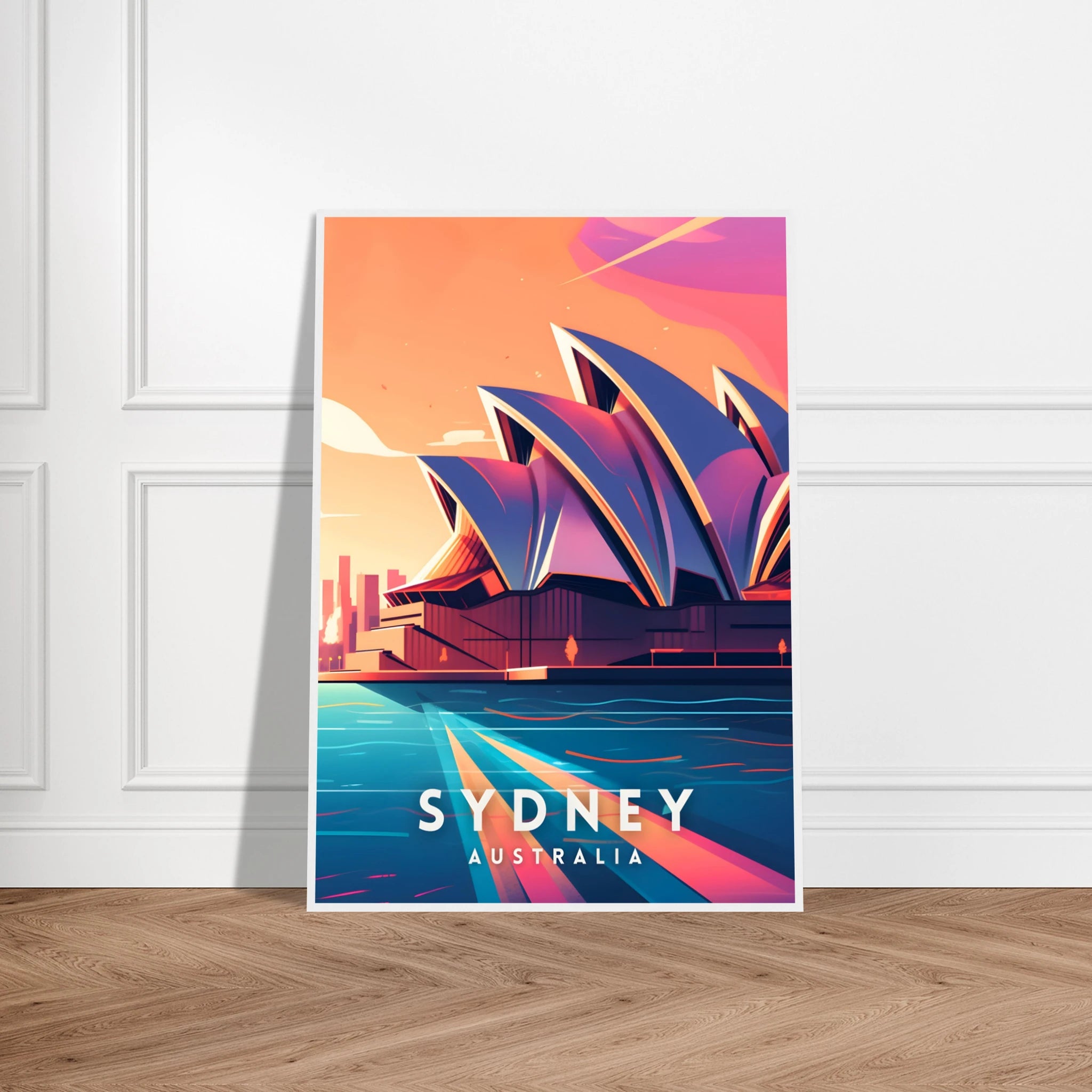
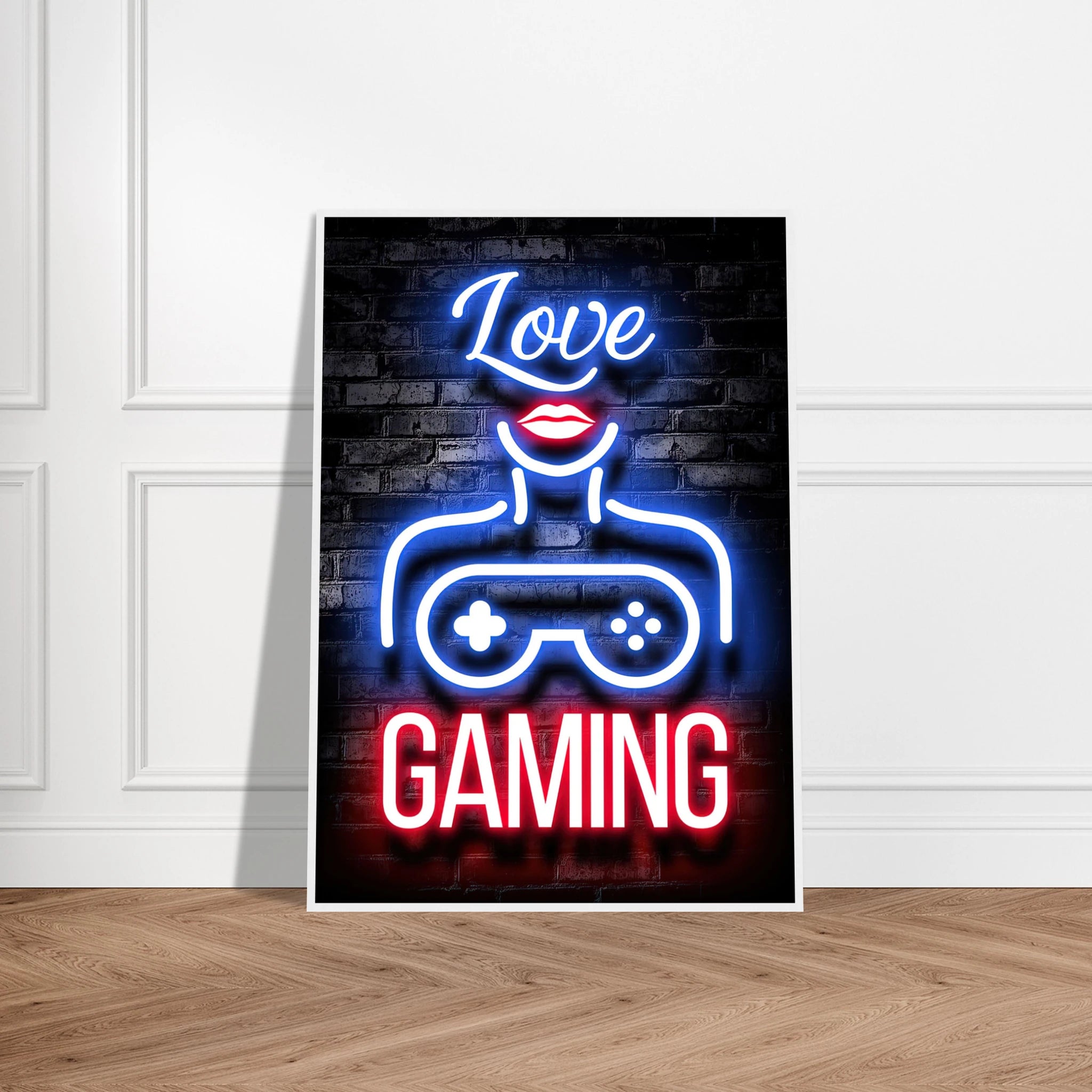
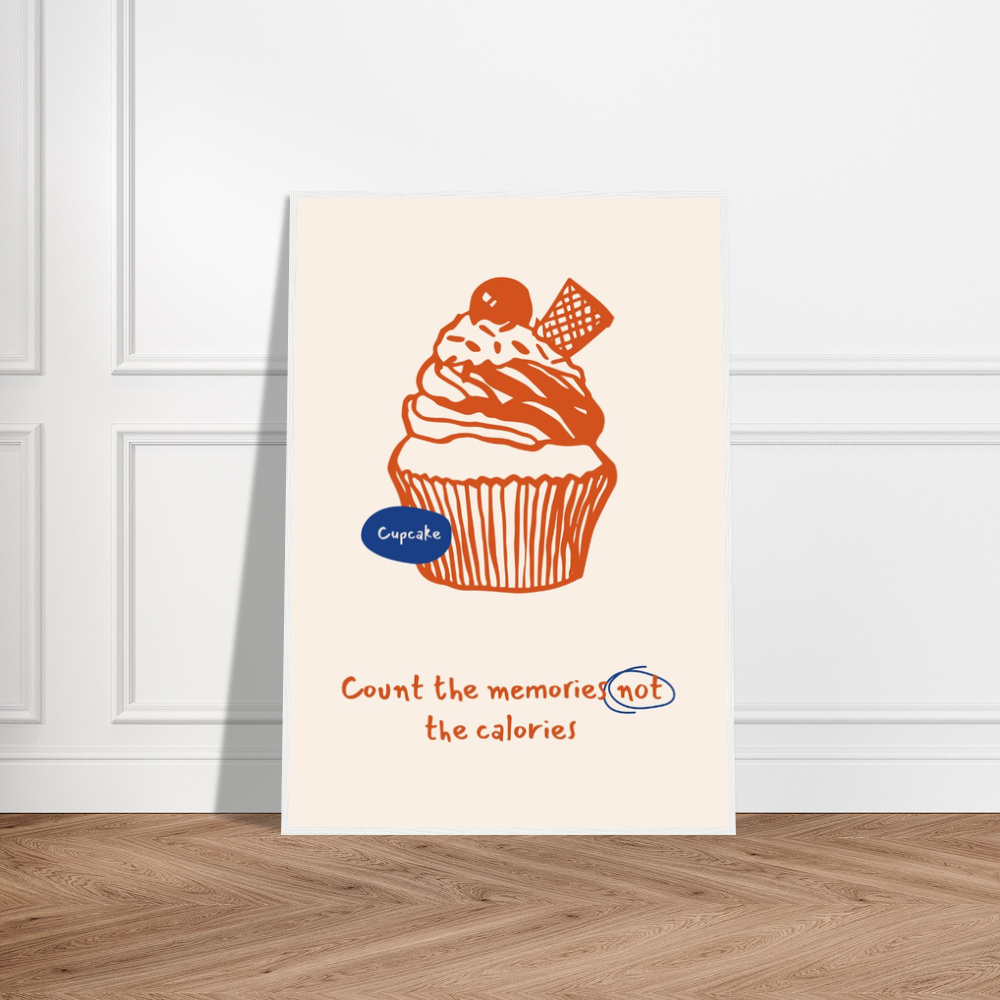
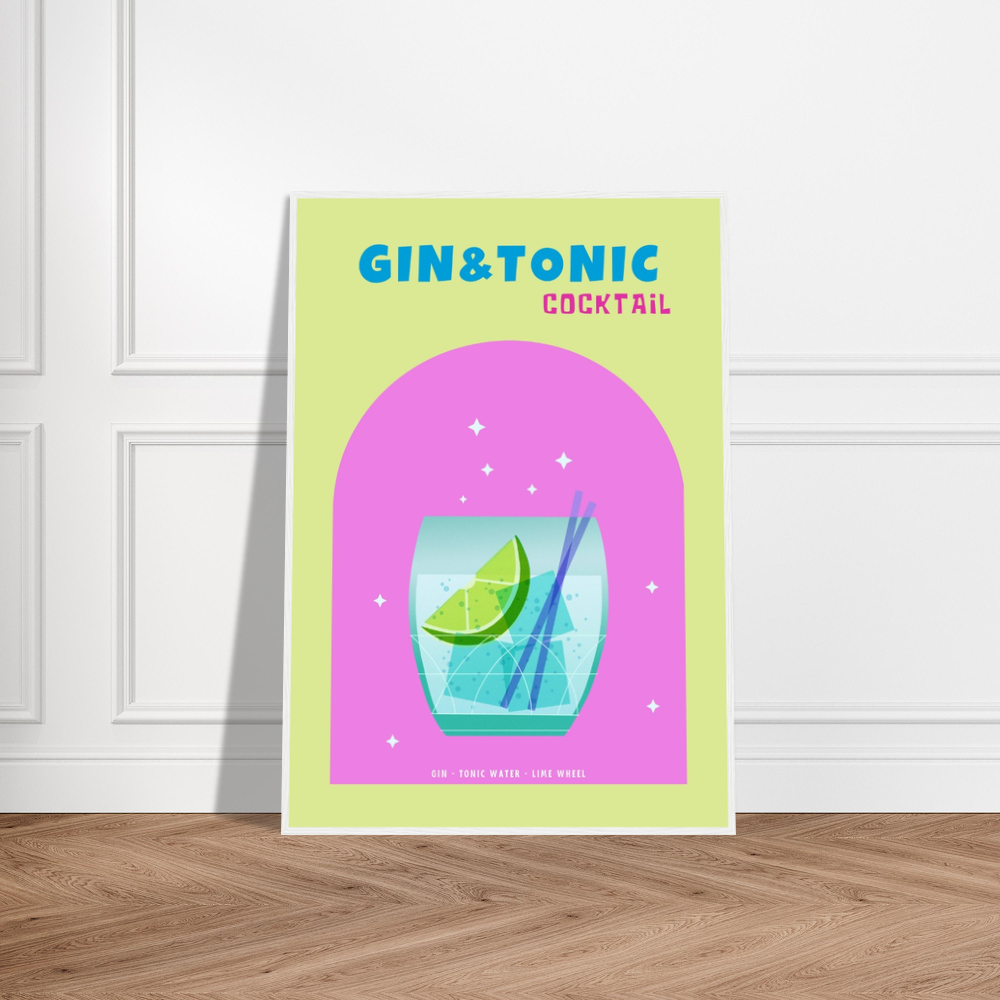
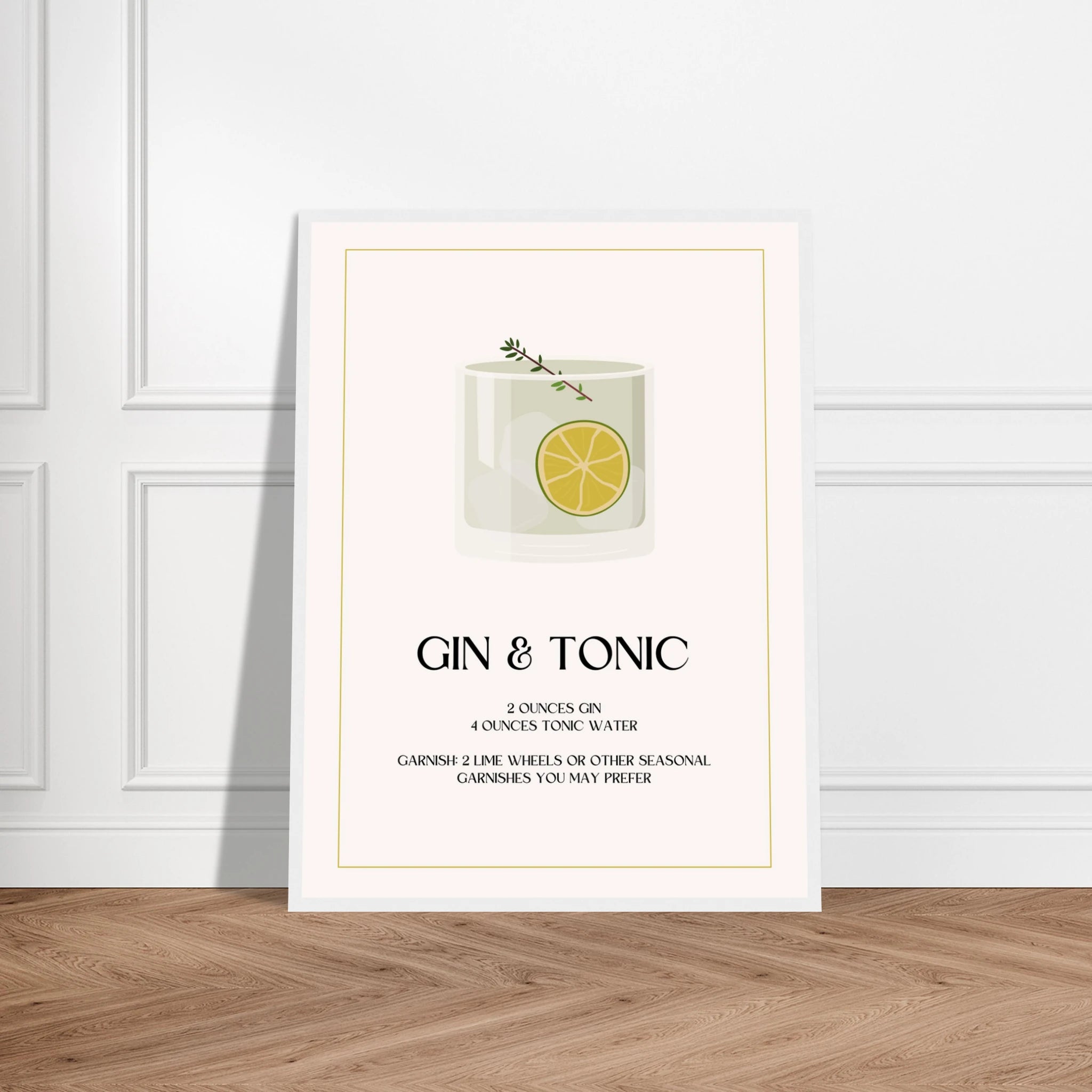
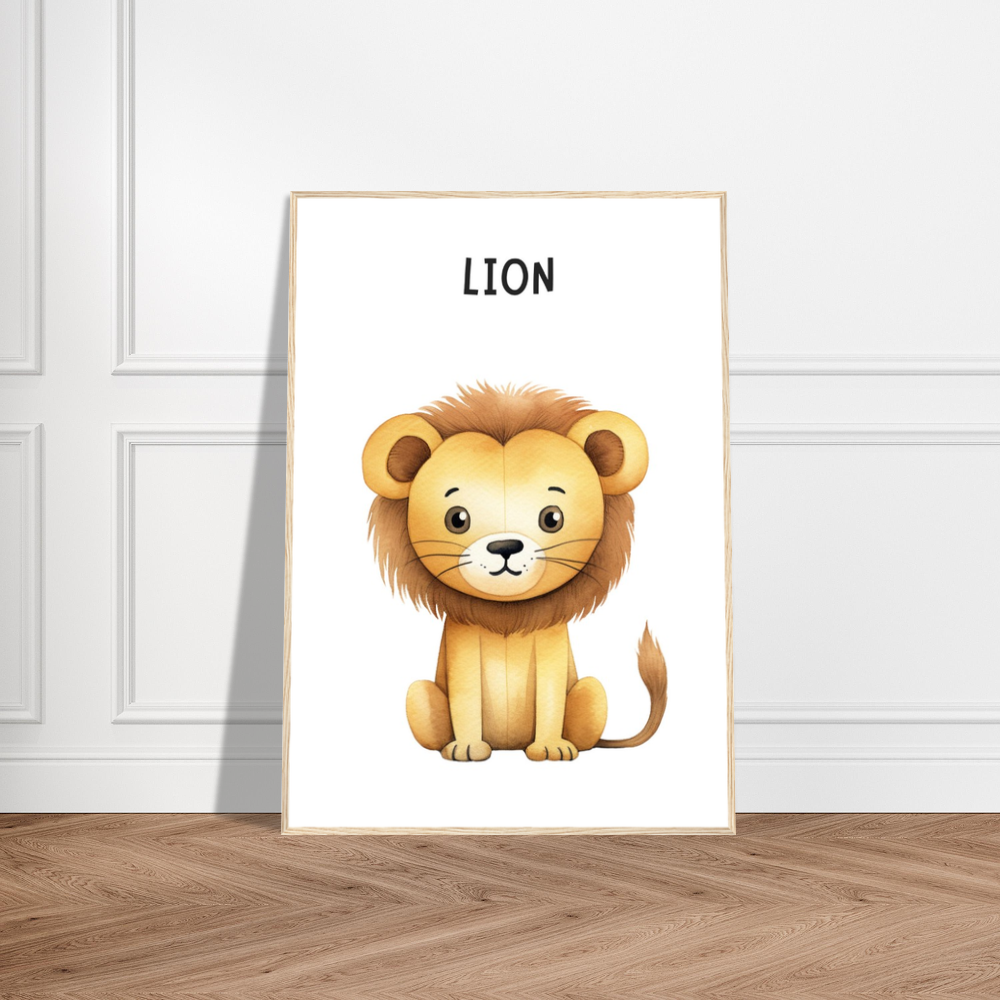
When selecting prints on the wall, you’ll encounter a wide array of categories. Art prints, posters, photography, illustrations, and typographic designs each offer unique appeal. Original prints are hand-crafted by artists, while reproductions and limited editions provide more accessible ways to enjoy sought-after designs. Iconic posters, trending photography, and abstract art are all popular choices for prints on the wall, allowing you to tailor your display to your style and the story you want to tell.
Print Materials: Paper, Canvas, Metal, and Acrylic
The material you choose for prints on the wall directly affects their look, feel, and longevity. Paper is classic and affordable but more delicate. Canvas brings texture and a gallery feel, while metal offers durability and a modern edge. Acrylic prints on the wall deliver vibrant colors and a sleek finish. According to Wall Art and Canvas Print Market Growth, canvas and metal print sales have surged in recent years, reflecting their growing popularity. Consider the pros and cons of each to match your space and budget.
| Material | Appearance | Durability | Price Point |
|---|---|---|---|
| Paper | Matte/Gloss | Moderate | $ |
| Canvas | Textured | High | $$ |
| Metal | Sleek | Very High | $$$ |
| Acrylic | Glossy | High | $$$ |
Print Formats and Sizes: Standard, Custom, and Oversized
Prints on the wall come in standard sizes for easy framing, but custom dimensions let you personalize your display. Oversized prints on the wall can create a dramatic focal point, while smaller pieces add subtle accents. The right format depends on the room’s purpose—think large statement works in living rooms, calming prints in bedrooms, and motivating art in offices. Assessing space and visual balance ensures your prints on the wall enhance, rather than overwhelm, your environment.
Sustainability and Eco-Friendly Printing
As demand grows for eco-conscious interiors, many seek sustainable prints on the wall. Look for materials like FSC-certified paper and water-based inks, which minimize environmental impact. Certifications such as the Sustainable Green Printing Partnership indicate responsible production practices. Brands adopting recycled materials or transparent sourcing are leading the way, making it easier to find prints on the wall that align with your values. Prioritizing sustainability ensures your art is as thoughtful as it is beautiful.
Choosing the Perfect Prints for Your Space
Selecting the right prints on the wall is both an art and a science. Each choice reflects your personality, enhances your environment, and creates a mood unique to your space. This section will walk you through every consideration, from style and color to scale, arrangement, and investment.
Assessing Your Style and Room Requirements
The first step to choosing prints on the wall is understanding your personal style and the specific needs of each room. Do you prefer modern minimalism, timeless classics, or an eclectic mix? Analyze how the room is used, the amount of natural light, and the existing color palette. For instance, a bold statement piece may suit a living room, while calming prints work well in bedrooms or kitchens.
Matching the right prints on the wall to your space ensures harmony and functionality. For more tailored advice, explore this comprehensive guide on Choosing Wall Art for Every Room.
Color Psychology and Mood Setting with Prints
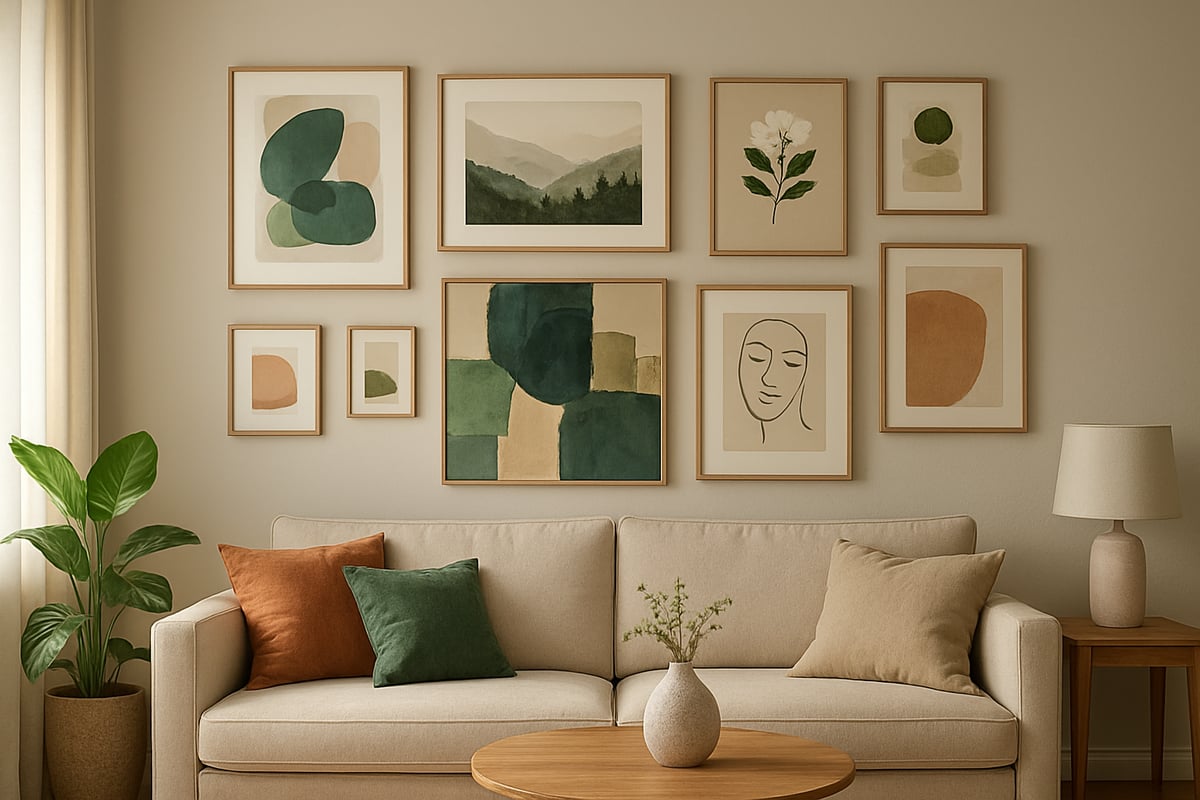
Color is a powerful tool when selecting prints on the wall, as it directly influences mood and perception. Warm tones like reds and oranges energize a space, while cool blues and greens create calm. In 2026, earthy greens and bold contrasts are trending, reflecting a desire for both serenity and vibrancy.
Research shows that color choices in prints on the wall can affect well-being and productivity. Consider the atmosphere you want to create, whether it is a soothing retreat or a lively gathering place, and use color to set the tone.
The Role of Scale, Balance, and Negative Space
The scale and placement of prints on the wall dramatically impact the look and feel of your room. Large prints can serve as focal points, while smaller pieces add interest and texture. Striking the right balance prevents a cluttered or sparse appearance.
Use negative space thoughtfully to let each print breathe. When arranging prints on the wall, combine statement pieces with smaller accents, maintaining visual harmony. This approach ensures that your art enhances rather than overwhelms your space.
Mixing and Matching: Creating Cohesive Galleries
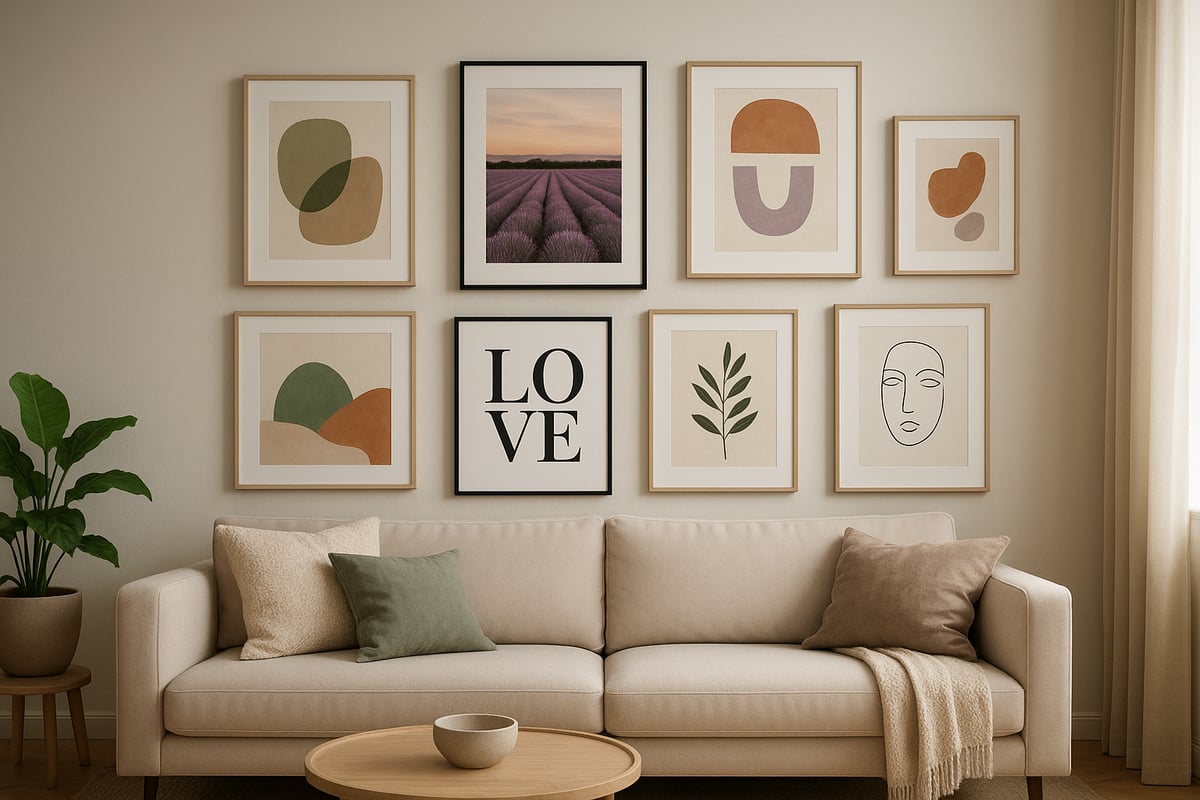
Creating a gallery of prints on the wall allows for personal expression and creativity. Start by selecting a unifying element, such as color, theme, or frame style, then mix different sizes and styles for visual interest. Grouping prints on the wall in odd numbers often feels more dynamic.
Successful gallery walls balance variety and cohesion. Layouts from leading design blogs suggest starting with a central anchor piece, then expanding outward. Play with spacing and alignment until you achieve a look that feels intentional and inviting.
Personalization and Custom Prints
Personalizing prints on the wall transforms your space into a reflection of your story. Options range from custom artwork and family photography to prints featuring meaningful quotes or places. Bespoke prints on the wall can commemorate milestones, showcase your travels, or simply highlight what you love most.
A homeowner might display a series of custom prints on the wall to tell a family story, making the art both decorative and deeply personal. These unique touches ensure your decor stands out and resonates with visitors.
Budgeting and Investment: Affordable vs. Collectible Prints
When budgeting for prints on the wall, consider both affordability and potential long-term value. Mass-market prints on the wall are accessible and perfect for seasonal refreshes, while limited editions and collectible pieces may appreciate over time.
Factors like artist reputation, edition size, and print quality influence price. Recent market trends from 2024 to 2026 show growing demand for high-quality, unique prints on the wall at various price points. Whether you are investing or decorating on a budget, there are options to suit every need.
Top Trends in Wall Prints for 2026
Staying ahead of the curve with prints on the wall can instantly refresh your living space and showcase your personal taste. The coming year brings an exciting mix of styles, innovative materials, and eco-conscious choices to the forefront. Let us explore the defining trends set to shape wall art in 2026.
Trending Styles: Abstract, Minimalism, and Beyond
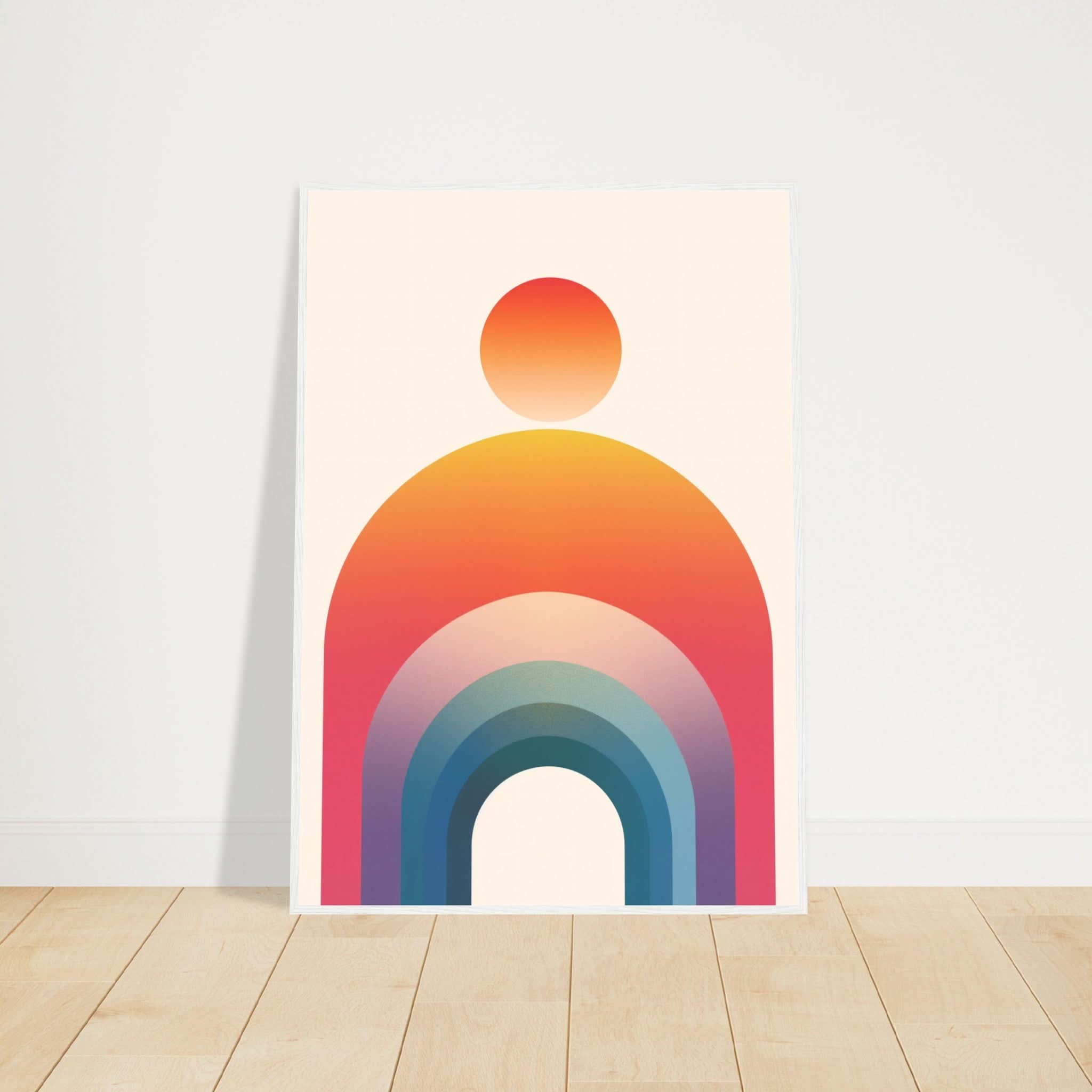
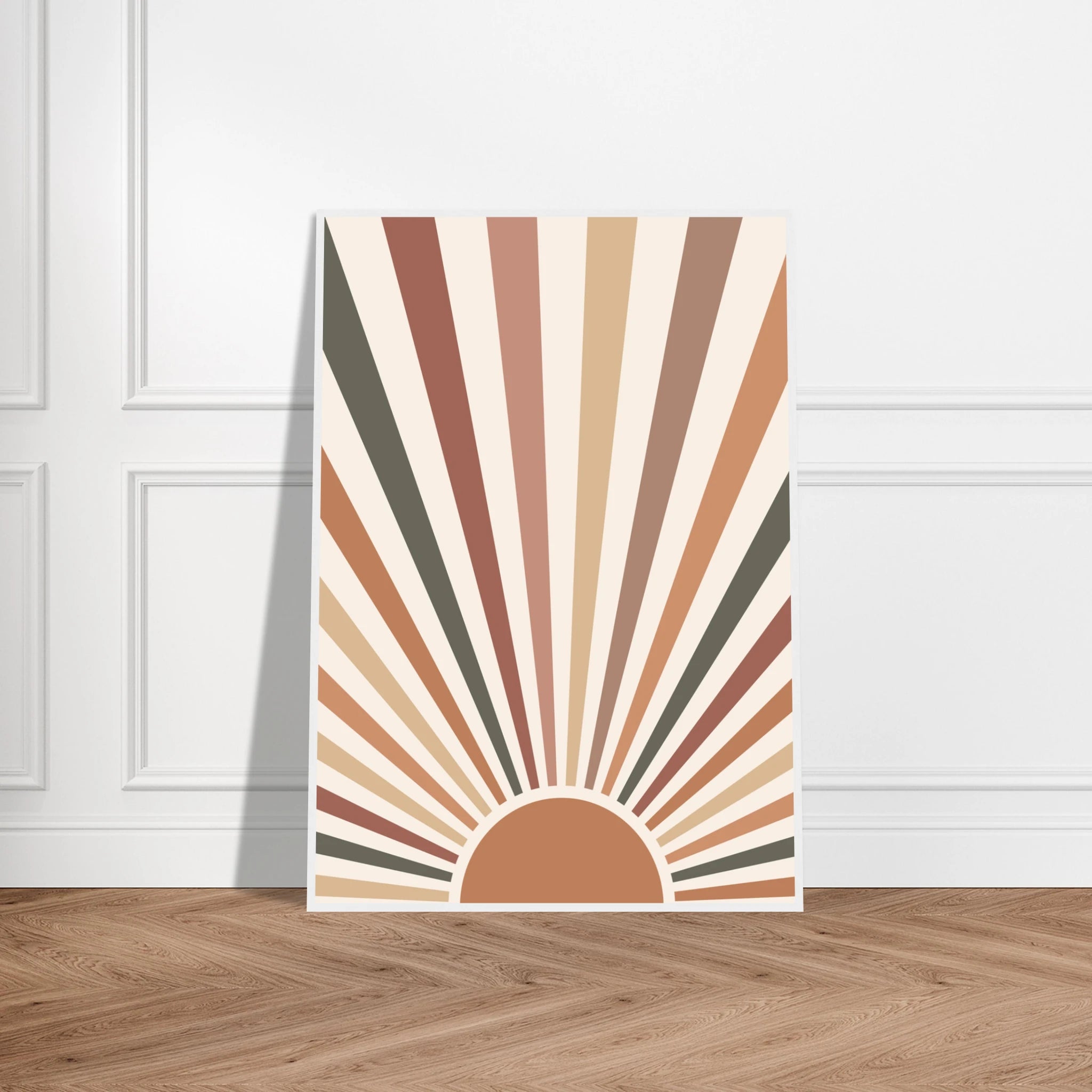
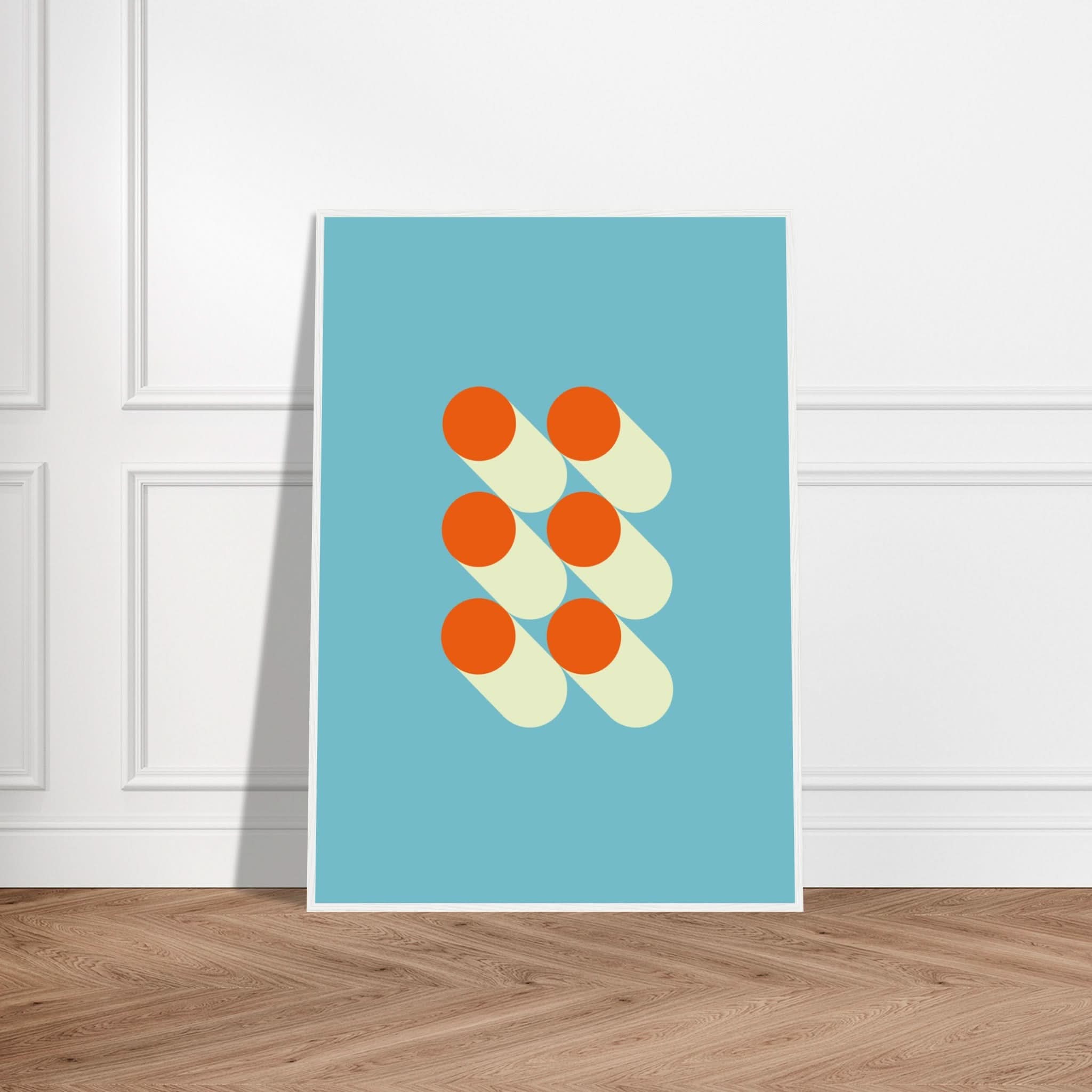
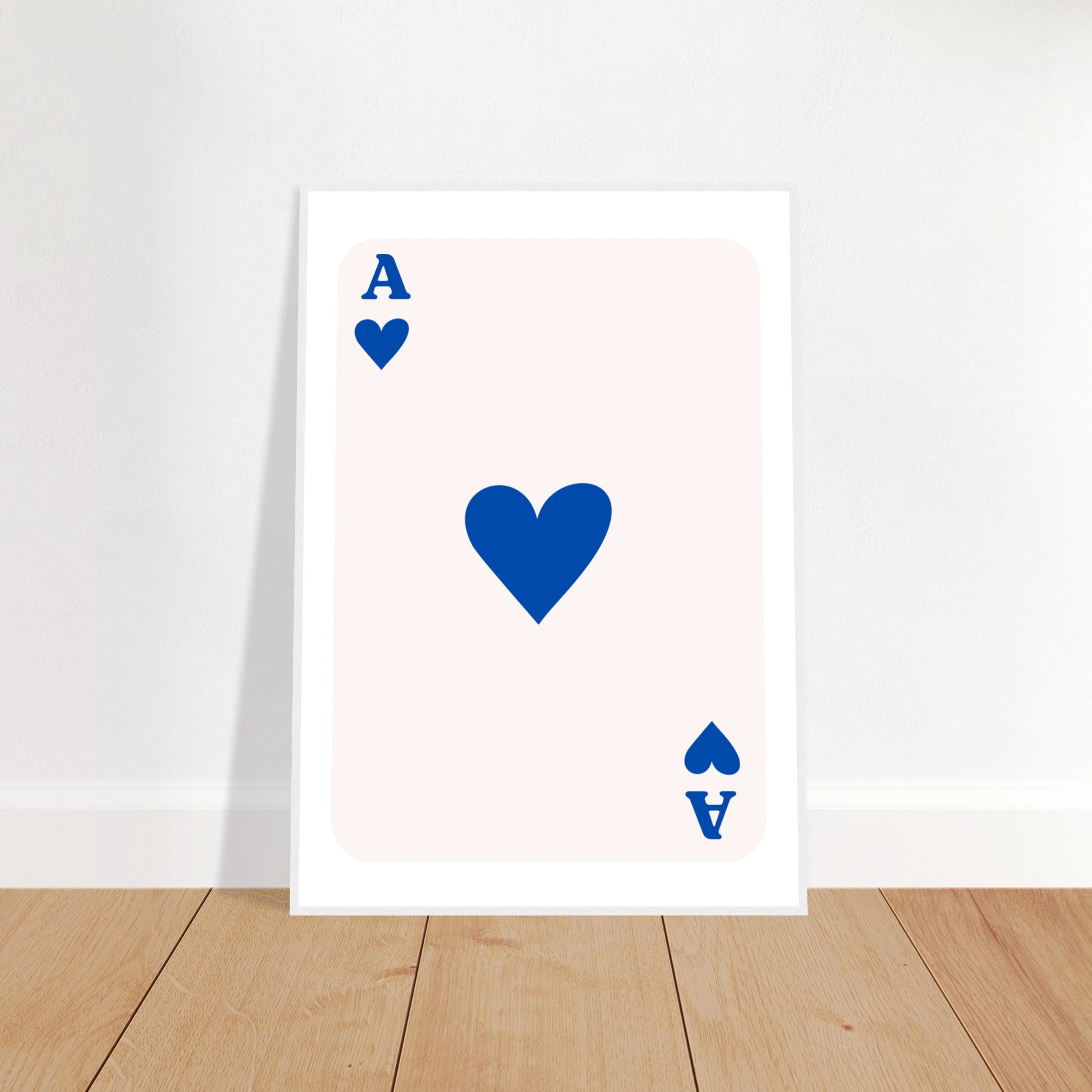
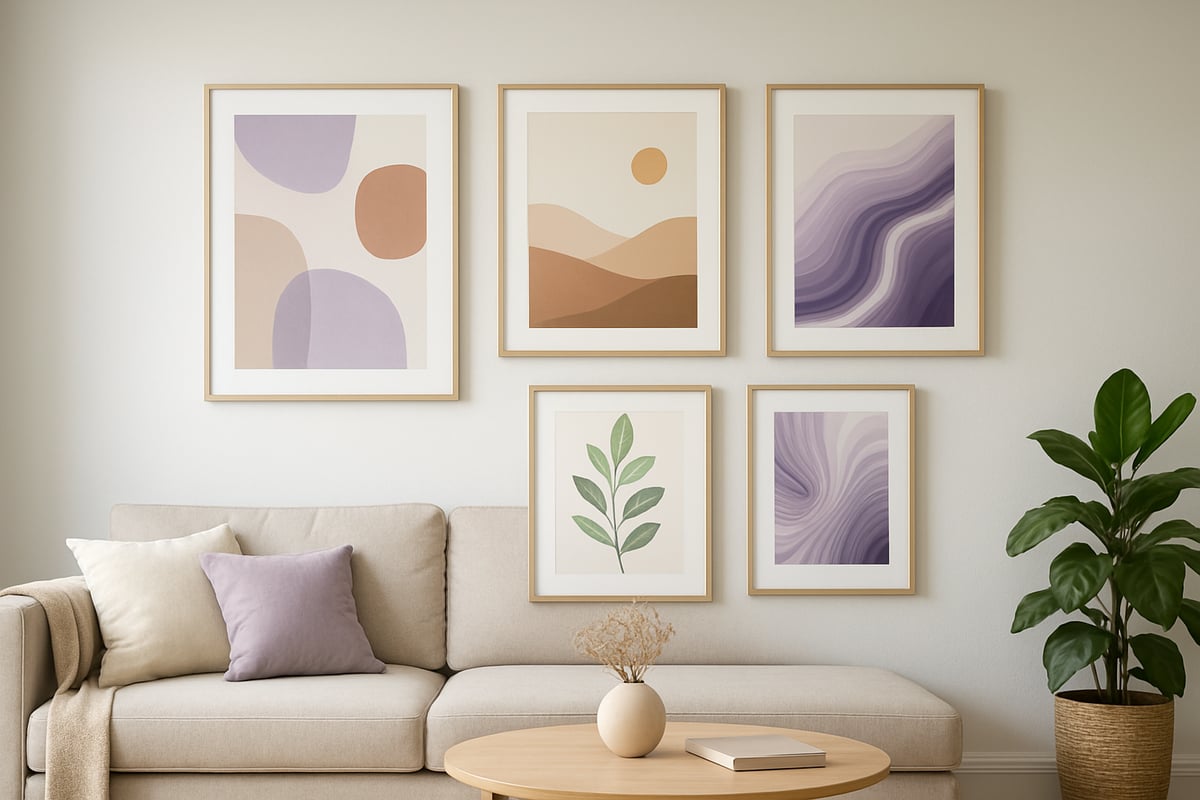
Abstract and minimalism remain at the forefront of prints on the wall for 2026, with a growing appreciation for Bauhaus-inspired graphics and vintage revivals. Clean lines, bold shapes, and restrained color palettes are in demand, offering a sophisticated look that complements modern interiors.
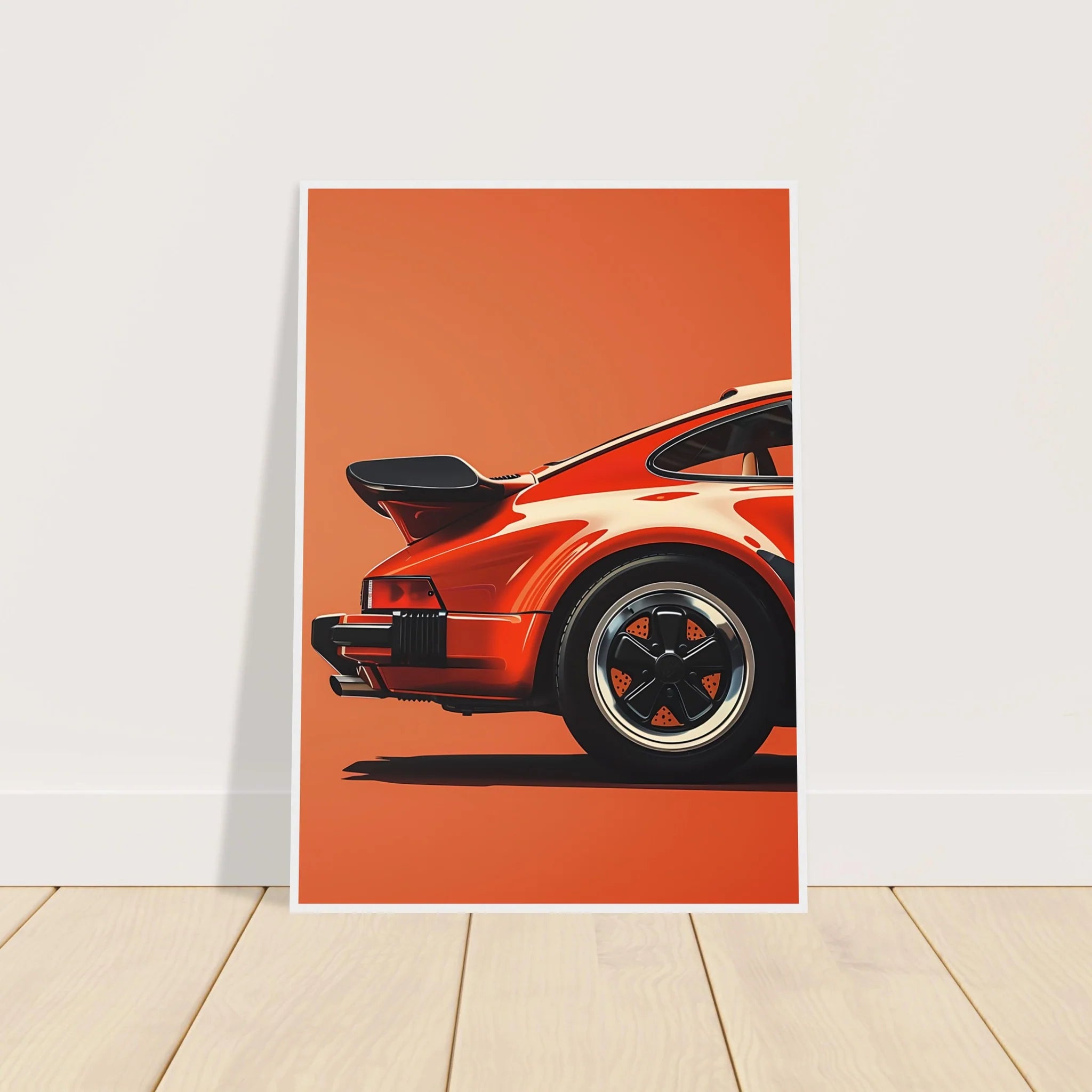
Fashion and pop culture continue to influence print styles, with retro posters and nostalgic motifs gaining popularity. According to 2025 Wall Art Trends, top-selling prints on the wall include geometric abstracts and minimalist photography, reflecting a shift toward simplicity and timeless design.
Color and Theme Trends: Nature, Geometry, and More
Nature-inspired prints on the wall are making a strong statement, with botanicals, landscapes, and serene seascapes bringing the outdoors inside. Geometric patterns and typographic art also rise in prominence, offering energy and structure to gallery walls.
Color palettes for 2026 are both calming and bold. Expect to see digital lavender, terracotta, and earthy greens dominating, adding warmth and tranquility. Consumer surveys reveal that these colors and themes evoke feelings of comfort and optimism, making them ideal for personal and communal spaces.
Digital Art and AI-Generated Prints
The digital revolution is reshaping prints on the wall, with AI-generated and digitally manipulated artworks gaining traction. These pieces offer unmatched uniqueness and allow for rapid customization, appealing to tech-savvy collectors and design enthusiasts alike.
However, considerations around copyright and authenticity remain important when choosing digital or AI art. Popular online platforms now feature curated selections of AI-generated prints on the wall, bridging traditional aesthetics with cutting-edge technology for a truly contemporary look.
Limited Editions and Artist Collaborations
Limited edition prints on the wall are increasingly sought after by collectors and those seeking exclusivity. Artist collaborations bring fresh perspectives and often result in unique, numbered pieces that stand out in any collection.
The benefits are clear: limited runs boost value, while partnerships with emerging artists foster creativity and originality. Recent case studies highlight successful print launches where artist signatures and certificates of authenticity are highly prized by buyers.
Sustainable and Ethical Print Choices
Sustainability is a key trend shaping prints on the wall for 2026. Eco-friendly materials, water-based inks, and transparent sourcing are now top priorities for consumers. Leading brands are adopting FSC-certified paper and ethical production methods to reduce environmental impact.
Certifications and clear labeling help buyers make informed choices. As demand for responsible decor grows, prints on the wall made with sustainable practices offer both style and peace of mind for modern households.
How to Arrange and Frame Prints Like a Pro
Transforming your space with prints on the wall begins with a strategic approach to arrangement and framing. Mastering these steps allows your art to shine, creates harmony, and reflects your personal style. Follow these expert techniques to achieve gallery-worthy results in any room.
Planning Your Wall: Measuring, Mapping, and Visualizing
Before hanging prints on the wall, careful planning is essential. Begin by measuring the available wall space, noting any architectural features or furniture placement. Use painter’s tape to outline potential arrangements directly on the wall, ensuring prints fit comfortably and maintain visual balance.
Digital tools and gallery wall apps can help you visualize different layouts before making any holes. Sketching your design on paper or using online templates offers another layer of confidence. Remember to account for breathing room between each piece so your prints on the wall do not appear crowded.
This preparation stage saves time and prevents common mistakes, making it easier to achieve a cohesive, professional display.
Hanging Prints: Techniques and Best Practices
To secure prints on the wall safely and attractively, select the right hardware for your wall type—anchors for drywall, masonry hooks for brick, or adhesive strips for lightweight frames. Mark your chosen spots with a pencil, then use a level to keep everything straight.
Hang prints at eye level, which is typically around 57 to 60 inches from the floor to the center of the artwork. For groupings, treat the entire arrangement as one visual unit. Always double-check measurements before installing any hardware.
Avoid rushing this process, as patience ensures both the security and the visual impact of your prints on the wall.
Gallery Walls: Arranging Multiple Prints for Impact
Gallery walls are a dynamic way to showcase prints on the wall and express your creativity. Begin by selecting a unifying element—such as frame color, subject, or style—to tie the collection together. Lay out your prints on the floor first to experiment with spacing and composition.
Symmetrical arrangements provide a classic, orderly look, while eclectic placements add personality. For more expert tips, explore Arranging Multiple Prints Like a Pro, which offers step-by-step guidance and layout ideas.
Whether you choose a grid or a freeform design, a thoughtfully curated gallery wall will make your prints on the wall the focal point of any space.
Framing Options: Materials, Styles, and DIY Tips
Framing elevates prints on the wall, enhancing both presentation and protection. Common frame materials include wood (warm and classic), metal (sleek and modern), and acrylic (lightweight and contemporary). Choose matting to add depth and glass types—standard, UV-protective, or acrylic—for safeguarding your art.
| Frame Material | Style | Durability | Cost |
|---|---|---|---|
| Wood | Classic | High | Moderate |
| Metal | Modern | Very High | Moderate |
| Acrylic | Contemporary | Medium | Lower |
Consider DIY framing for affordability or consult professionals for valuable or oversized prints. Proper framing extends the life and beauty of prints on the wall.
Lighting Your Prints for Maximum Effect
Proper lighting enhances the colors and details of prints on the wall. Use picture lights, spotlights, or adjustable track lighting to direct illumination onto the artwork. LED bulbs are preferred for their cool temperature and energy efficiency, preventing heat or UV damage.
Natural light can be beautiful but avoid direct sunlight to prevent fading. Experiment with lighting angles to minimize glare and shadows, allowing your prints on the wall to stand out day or night.
A well-lit display can dramatically change the ambiance, making your collection more vibrant and engaging.
Avoiding Common Arrangement Mistakes
Even the most beautiful prints on the wall can fall flat if arranged poorly. Common pitfalls include hanging pieces too high or low, overcrowding the space, and ignoring scale. Always center art at eye level and leave consistent gaps between frames.
Balance large statement prints with smaller pieces for visual interest. Use negative space strategically to avoid a cluttered look. Learning from others' experiences, such as regrets about poor placement or mismatched frames, can help you sidestep these errors.
Thoughtful arrangement ensures your prints on the wall look intentional and polished.
Muralla Art: Your Online Destination for Quality Wall Prints
Discover Muralla Art, a premier source for prints on the wall that suit any taste or space. Their curated selection spans modern abstracts, timeless photography, and exclusive designs not found elsewhere.
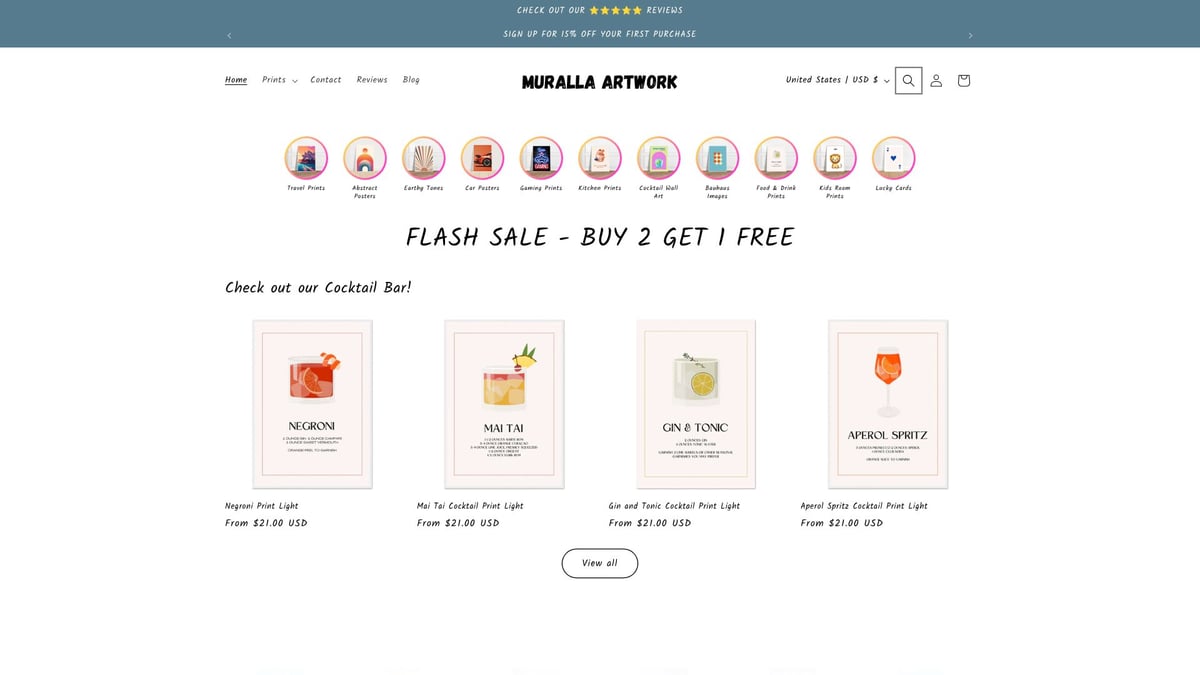
Enjoy benefits like free worldwide shipping, multi-currency pricing, frequent new arrivals, and a 15% discount for first-time buyers. Muralla Art is trusted by homeowners, renters, and designers for its high-quality prints on the wall and exceptional customer service.
Explore their collection to find the perfect pieces to elevate your décor and express your unique style.
Caring for and Maintaining Your Wall Prints
Caring for your prints on the wall is essential for keeping your space inspiring and your artwork in top condition. With the right approach, you can protect, clean, and preserve your prints for years to come. This section explores proven strategies to ensure your collection remains vibrant and valuable.
Protecting Prints from Sunlight, Moisture, and Damage
Exposure to sunlight can cause prints on the wall to fade, while humidity and fluctuating temperatures may lead to warping or mold. To prevent this, avoid hanging prints directly across from windows or near heat sources. If sunlight is unavoidable, use UV-protective glass or acrylic in your frames.
For moisture-prone areas, such as bathrooms or kitchens, select prints on the wall that are sealed or mounted on moisture-resistant materials. Always keep prints away from damp corners or leaky pipes. For added protection, monitor indoor humidity and maintain it between 40% and 60%.
By choosing safe display locations and proper framing, you can greatly extend the life of your prints on the wall.
Cleaning and Dusting Prints and Frames
Regular cleaning keeps prints on the wall looking fresh. For framed prints with glass or acrylic covers, gently wipe the surface with a soft, lint-free cloth. Avoid using harsh chemicals or paper towels, as these may scratch or damage the surface.
For canvas or unframed prints on the wall, use a dry microfiber cloth to lift dust. Never spray cleaners directly onto the artwork. If deeper cleaning is needed, consult a professional conservator.
Cleaning Methods Table
| Material | Cleaning Tool | Avoid |
|---|---|---|
| Glass/Acrylic | Microfiber Cloth | Paper towels |
| Canvas/Paper | Dry Brush/Cloth | Water, cleaners |
| Metal | Soft Cloth | Abrasives |
Proper cleaning routines will keep your prints on the wall bright and inviting.
Rotating and Refreshing Your Wall Art
Refreshing the look of your space is easy by rotating prints on the wall. Changing prints seasonally or for special occasions not only updates your decor but also helps prevent sun or light damage from prolonged exposure.
When storing prints on the wall that are not in use, keep them in acid-free sleeves or portfolios, flat and away from direct sunlight. This preserves their quality until you are ready to display them again.
Many homeowners enjoy updating prints on the wall for holidays or when redecorating, keeping their space dynamic and personal.
Repairing and Restoring Damaged Prints
Even with careful handling, prints on the wall may experience tears, wrinkles, or fading over time. Small tears can sometimes be repaired with acid-free tape on the back, but significant damage should be addressed by professional restorers.
Fading may be slowed or partially reversed using conservation techniques, but prevention is always best. Restoration costs can vary, with minor repairs starting around $50 and extensive restoration reaching several hundred dollars in 2025.
Prompt attention to issues ensures that prints on the wall remain beautiful and valuable for the long term.
Storing Prints Properly for Longevity
When not displayed, proper storage is crucial for prints on the wall. Store unframed prints flat between acid-free boards or in archival sleeves. Avoid rolling unless necessary, and always use a wide diameter tube and acid-free materials.
Framed prints should be wrapped in bubble wrap and stored upright in a climate-controlled space. Professional art handlers recommend keeping storage areas clean, dry, and free from pests.
Following these guidelines will help your prints on the wall withstand the test of time.
Insurance and Documentation for Valuable Prints
If you own collectible or high-value prints on the wall, consider obtaining insurance. To do this, create a detailed inventory including photographs, purchase receipts, and certificates of authenticity.
Many insurance policies require proof of value and documentation of condition. In case of damage or theft, having organized records will streamline the claims process and protect your investment.
By documenting and insuring your prints on the wall, you safeguard both their financial and sentimental value.