

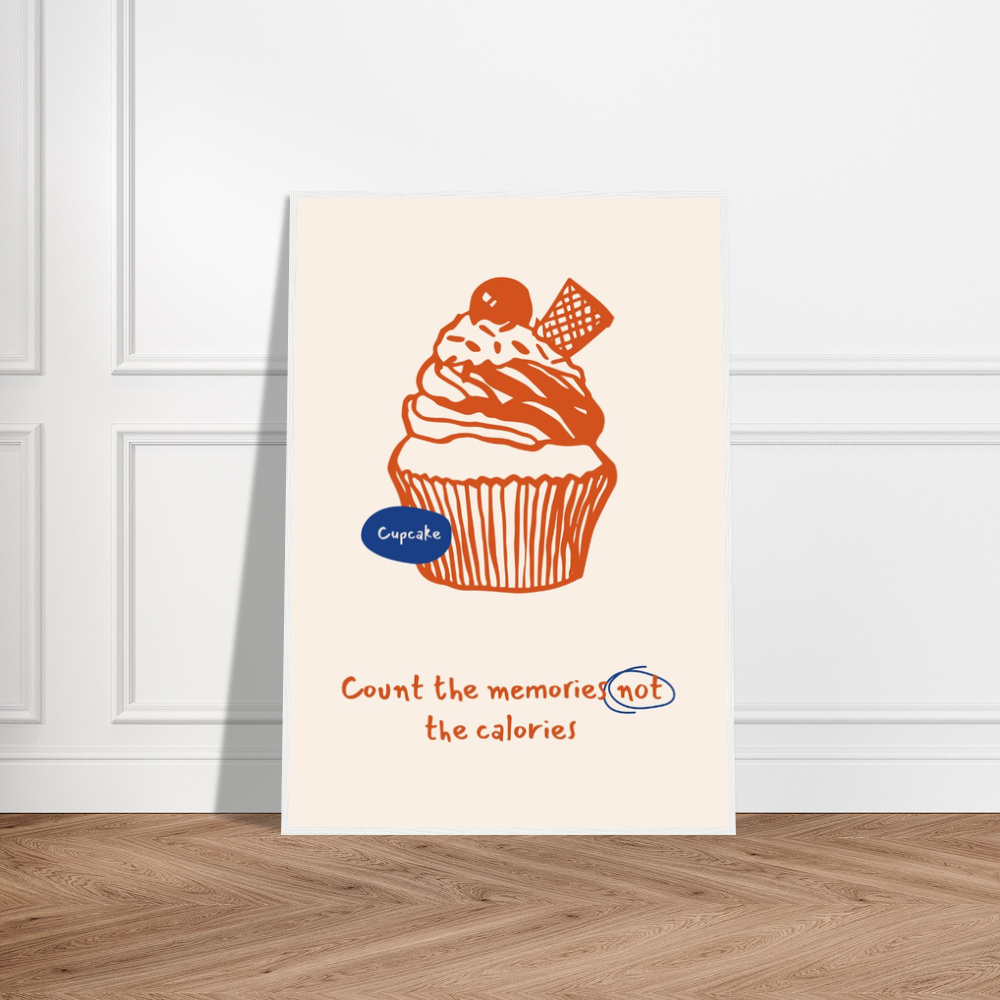
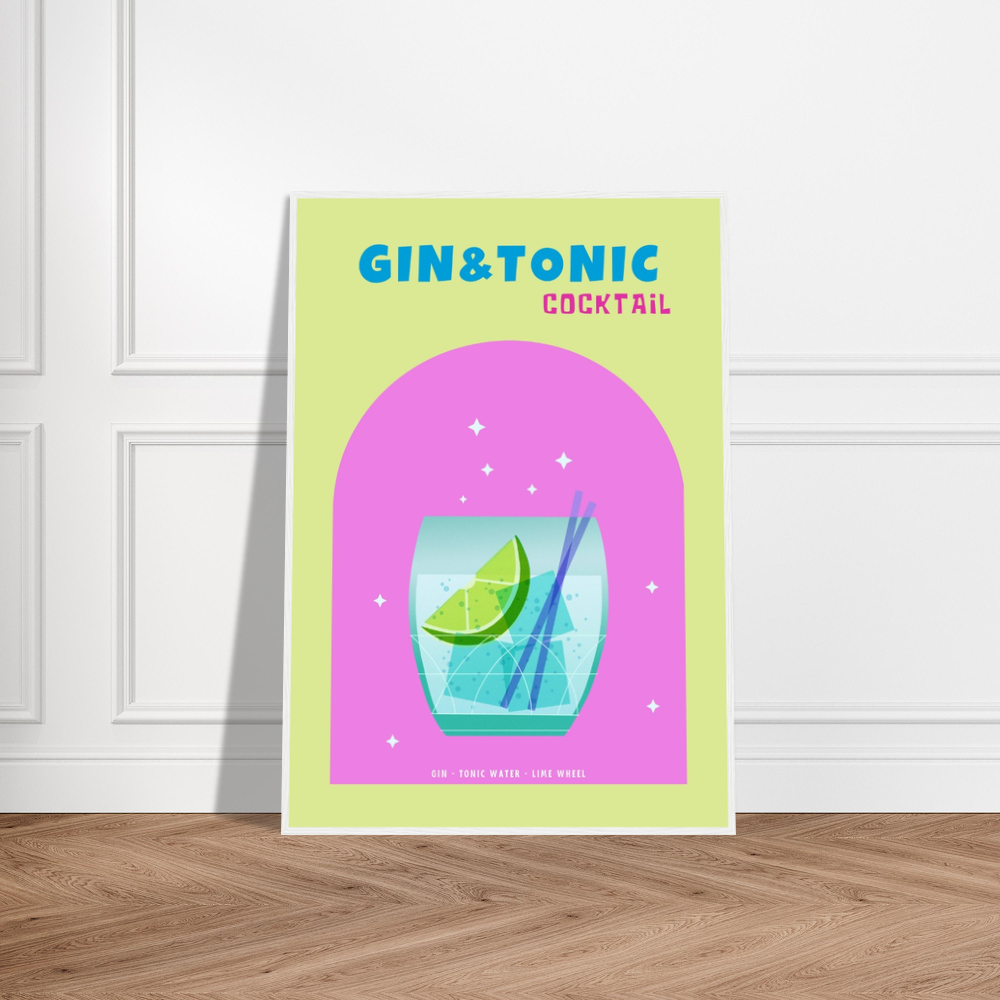
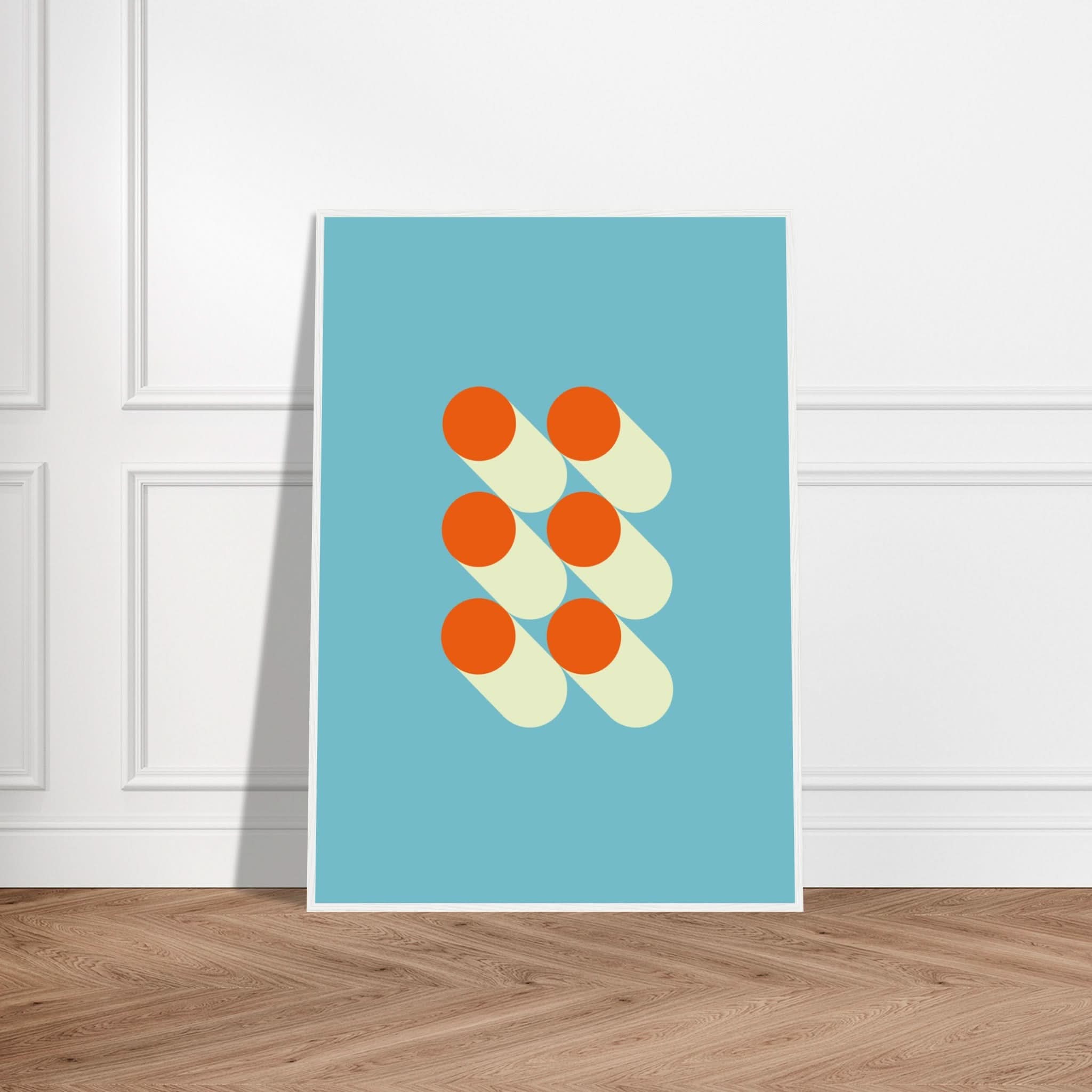
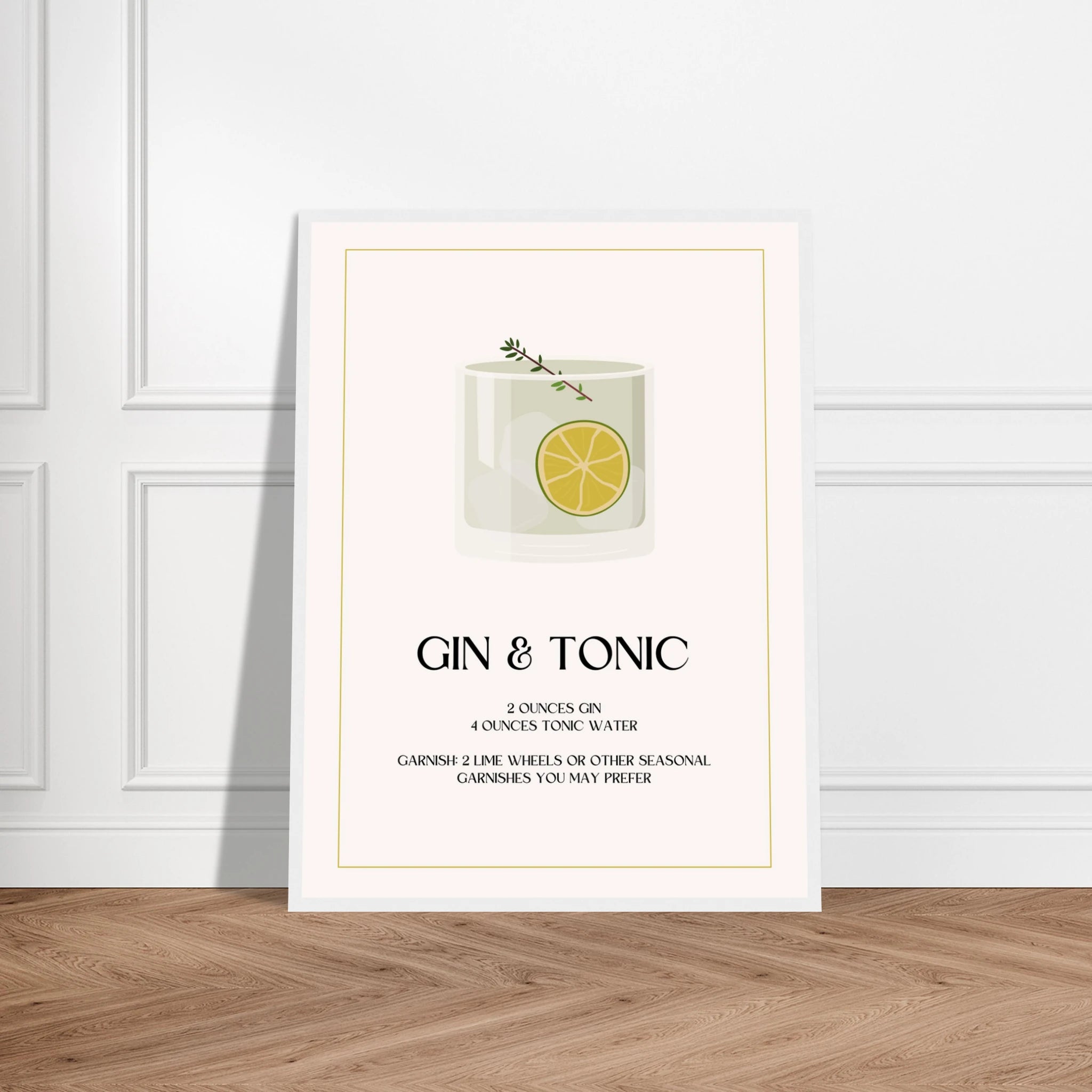

The Ultimate Guide to Canvas Art: Trends & Tips for 2026
Canvas art has the remarkable ability to transform any space, making ordinary rooms feel vibrant and uniquely personal. As more people look for ways to express their style, canvas art has surged in popularity, becoming a top choice for modern interiors.
This guide is your gateway to understanding the evolution of canvas art, the breakthrough trends shaping 2026, and actionable tips to help you select the perfect pieces. You will discover expert advice on everything from choosing and displaying art to caring for your collection and sourcing the best works.
Ready to elevate your home or workspace? Let’s explore how canvas art can redefine your environment with creativity, style, and confidence.
The Evolution of Canvas Art: From Classic to Contemporary
Canvas art has a rich and transformative history, evolving from classical masterpieces to today’s diverse, accessible expressions. Understanding this journey reveals why canvas art remains a cornerstone in both personal and commercial interiors.

The Origins and History of Canvas Art
Canvas art originated in Renaissance Europe, where artists began using canvas as a durable, portable surface for oil paintings. This innovation allowed for larger works and more vivid colors compared to traditional wood panels. Over centuries, canvas art expanded beyond religious and royal commissions, gaining popularity among emerging artists.
Key milestones include the adoption of canvas by Dutch and Italian masters, the rise of Impressionism, and the eventual embrace of modernist styles. Each period introduced new techniques, making canvas art an evolving medium that bridges tradition and innovation.
Canvas Art in the Digital Age
The digital age revolutionized canvas art, making it more accessible and affordable than ever. Digital printing techniques enable artists to reproduce their work with exceptional detail and color accuracy. Online marketplaces have empowered artists and buyers alike, expanding the reach of canvas art globally.
According to Wall Art and Canvas Print Market Growth, the market continues to grow rapidly, driven by increased online sales and consumer interest. Digital platforms have democratized canvas art, allowing emerging creators to showcase their talent and reach new audiences.
Shifting Aesthetics: From Realism to Abstraction and Beyond
Over time, canvas art aesthetics have shifted dramatically. While realism dominated early periods, the 20th and 21st centuries saw the rise of abstract, minimalist, and geometric designs. These styles reflect societal changes and the influence of global art movements.
Today, canvas art often features bold abstract forms, minimalist line work, and motifs inspired by nature or pop culture. Recent years, especially 2024 and 2025, have seen a surge in botanical and geometric prints, illustrating the medium’s dynamic appeal.
Canvas Art’s Role in Home and Commercial Spaces
Canvas art plays a vital role in shaping the ambiance of both residential and commercial environments. In homes, it serves as a focal point, reflecting the owner’s personality and setting the tone for each room. Offices and hospitality venues use canvas art to create inviting, inspiring spaces for clients and employees.
Leading online retailers showcase real-world examples where canvas art elevates interiors, from serene landscapes in hotel lobbies to vibrant abstracts in modern living rooms. Its versatility ensures canvas art remains a preferred choice for designers and homeowners alike.
The Democratization of Art Ownership
Affordable prints and digital innovations have made canvas art accessible to a broader audience. Custom and limited-edition offerings allow individuals to own unique pieces tailored to their tastes. The rise in first-time art buyers is a testament to this trend, as more people discover the joy of personalizing their spaces with canvas art.
Brands emphasize satisfaction guarantees and easy online shopping, encouraging more consumers to invest in canvas art. This democratization has transformed art ownership from an exclusive privilege to a widespread, enriching experience.
Canvas Art Trends for 2026: What’s In and What’s Next
The world of canvas art is set for an exciting transformation in 2026. As homes and commercial spaces become more expressive, the demand for innovative designs and forward-thinking aesthetics continues to rise. Let’s explore the dominant trends shaping canvas art, from color palettes to sustainable practices.
Color Palettes and Themes Dominating 2026
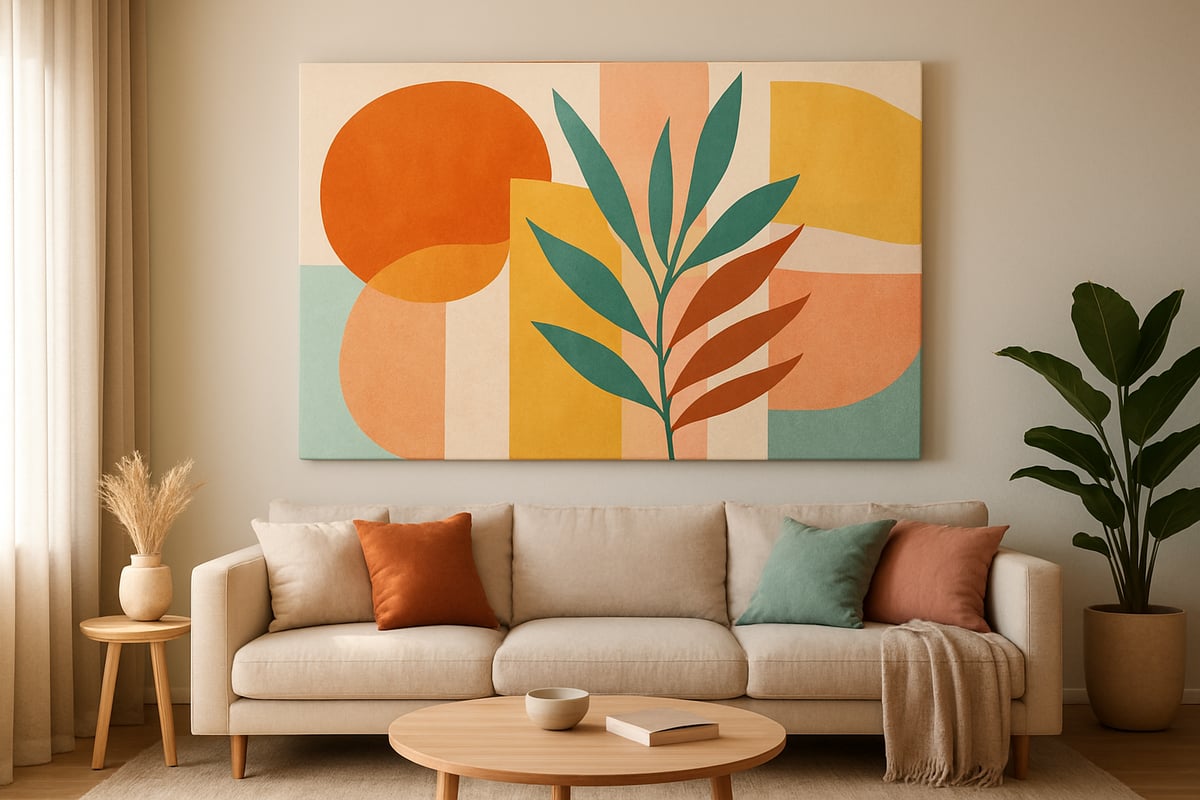
Color is the heartbeat of canvas art, and in 2026, the palette is both grounded and uplifting. Earth tones such as terracotta, olive green, and warm taupe provide a calming foundation. Muted pastels—including blush pink, sage, and powder blue—add a gentle, contemporary touch.
Bold contrasts remain popular, especially when paired with biophilic designs that bring nature indoors. Abstract expressionism is on the rise, with fluid brushstrokes and organic shapes. Cultural motifs, inspired by global traditions, infuse canvas art with rich storytelling and depth.
Botanical and landscape prints continue to surge in popularity, reflecting a desire for tranquility and connection to the natural world. These themes offer versatility for any interior, from minimalist apartments to eclectic commercial spaces.
Styles on the Rise: Minimalism, Maximalism, and Mixed Media
Canvas art styles in 2026 are polarizing yet harmonious. Minimalism thrives through line art, geometric abstraction, and monochrome palettes. Clean lines and understated forms deliver a sense of calm and space.
On the other end, maximalism embraces layered compositions with vibrant hues, intricate patterns, and a blend of styles. Mixed media canvases, incorporating foil accents, textured paint, and even fabric elements, are making waves. These pieces create visual interest and a tactile experience that stands out.
Society6’s foil-accented art exemplifies this trend, offering both subtle shimmer and bold, statement-making visuals. The interplay between minimalism and maximalism allows canvas art to cater to diverse aesthetics and personal tastes.
Technological Innovations in Canvas Art
Innovation is accelerating in the canvas art landscape. The use of AI-generated art and digital manipulation is expanding creative possibilities. Artists now blend hand-drawn techniques with digital enhancements, resulting in unique, never-before-seen visuals.
Sustainability is another key focus. Eco-friendly inks and recycled materials are becoming mainstream, meeting the growing demand for responsible production. Advances in digital printing ensure high-resolution, color-accurate reproductions that rival traditional methods.
The online art market continues to grow, with digital platforms making it easier to discover and purchase canvas art from anywhere in the world. This technological evolution is democratizing access and boosting creativity.
Personalization and Customization Trends
Personalization is at the forefront of canvas art trends for 2026. Consumers crave unique pieces that reflect their story and style. Custom canvas prints—featuring family portraits, beloved pets, or travel memories—are more accessible than ever.
Online tools now allow shoppers to preview artwork in their own space, ensuring the perfect fit. Leading platforms offer a range of customization options, from size and format to color adjustments and text additions.
This surge in tailored canvas art empowers buyers to create meaningful, one-of-a-kind displays. Whether commemorating milestones or designing a gallery wall, personalization enhances emotional connection with art.
Sizing and Display Innovations
Canvas art is making a statement through scale and arrangement. Large-scale pieces, including XL and panoramic canvases, dominate feature walls and open-concept spaces. Modular and multi-panel sets provide flexibility, enabling dynamic configurations that adapt to any room.
Gallery wall arrangements remain popular, mixing various sizes and orientations for a curated, artistic feel. According to 2026 Canvas Wall Art Trends, illuminated art and modular displays are gaining traction, offering new ways to showcase creativity.
These innovations in sizing and display encourage experimentation, allowing canvas art to transform spaces both large and small.
Influences from Social Media and Pop Culture
Social media continues to shape canvas art trends, with viral designs on Instagram and TikTok swiftly influencing consumer preferences. Motifs inspired by trending hashtags, contemporary artists, and influencer collaborations are everywhere.
Featured artist collections on platforms like Desenio and Society6 highlight the impact of digital culture. Pop culture references, from music to cinema, are embedded in canvas art, making it a dynamic reflection of the times.
This digital influence ensures that canvas art remains fresh, relevant, and in tune with global conversations.
Sustainability and Ethical Production
Environmental consciousness is integral to canvas art in 2026. Consumers increasingly seek ethically sourced and responsibly produced artwork. Brands are responding with recycled canvas materials, water-based inks, and transparent supply chains.
Eco-friendly credentials are now a selling point, with companies highlighting their commitment to sustainability. Limited-edition runs and made-to-order pieces reduce waste and add exclusivity.
This emphasis on ethics and sustainability not only benefits the planet but also enhances the value and integrity of canvas art for today’s discerning buyers.
How to Choose the Perfect Canvas Art for Your Space
Selecting the ideal canvas art can transform any room, but knowing where to start makes all the difference. With countless options available, understanding your space, style, and preferences ensures you make a choice that elevates your interior.
Assessing Your Space and Style
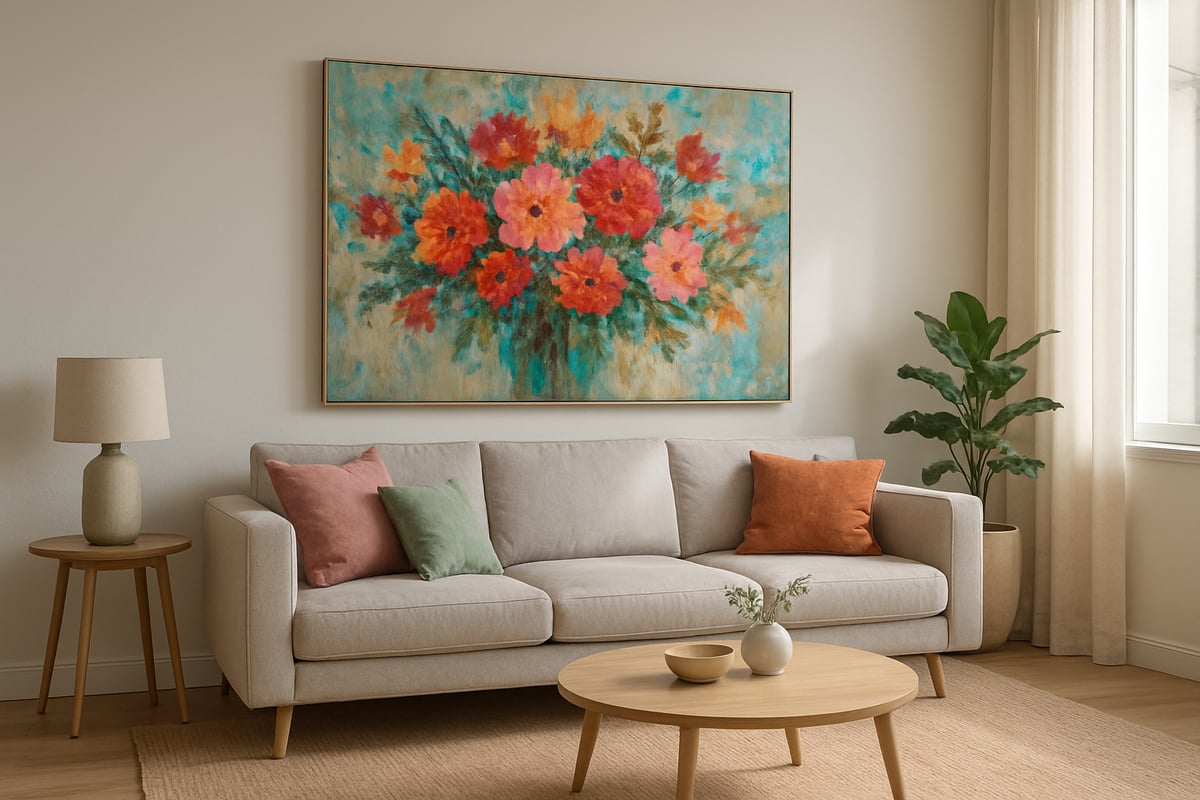
Begin by evaluating the room where you plan to display your canvas art. Consider the size of the space, ceiling height, and wall area. Natural and artificial lighting play a role in how colors and details appear.
Next, identify your design style. Are you drawn to modern minimalism, classic elegance, bohemian vibrancy, or something eclectic? Pinpointing your style helps narrow down suitable art themes, whether abstract, botanical, or geometric.
For a comprehensive approach to matching art with individual rooms, explore this Choosing Wall Art for Every Room guide. It provides practical tips for selecting canvas art that complements your décor and lifestyle.
Selecting the Right Size and Orientation
Choosing the correct size and orientation for your canvas art is crucial. Measure your wall and visualize how the piece will fit in relation to furniture and architectural features.
Use these guidelines:
- For large walls, opt for statement pieces or multi-panel sets.
- In smaller spaces, consider medium or small canvases arranged in pairs or groups.
- Landscape, portrait, or square formats can be chosen based on wall shape and layout.
If in doubt, create paper templates to test placement before purchasing. Proper sizing ensures your canvas art enhances rather than overwhelms the room.
Color Coordination and Visual Impact
Color is a powerful tool in selecting canvas art. Begin by assessing your existing palette: wall color, furnishings, and accent pieces. Decide if you want your canvas art to blend in or serve as a bold focal point.
Use color theory to guide your choice:
- Harmonious schemes use similar tones for a calming effect.
- Contrasting colors create energy and draw the eye.
In 2026, earth tones and muted pastels are especially popular, but bold hues can make a dramatic statement. The right color coordination makes your canvas art feel intentional and integrated.
Framing and Presentation Options
How you present your canvas art can significantly influence its overall effect. Decide between framed and unframed canvases based on your style and the look you wish to achieve.
Common framing options include:
- Floating frames for a contemporary, gallery-like appearance.
- Shadow boxes for added depth.
- Edge finishes for a minimalist vibe.
Framed canvas art tends to feel more polished, while unframed canvases are casual and modern. Consider the room’s décor and desired atmosphere when making your selection.
Budget Considerations and Value
Set a realistic budget before shopping for canvas art. Prices vary based on size, material, and whether the piece is an original or a high-quality print.
Compare options:
| Type | Price Range | Benefits |
|---|---|---|
| Original Artwork | $$$ | Unique, potential investment |
| Limited Edition Print | $$ | Exclusive, collectible |
| Open Edition Print | $ | Affordable, many styles |
Balance your desire for exclusivity with practicality. High-quality prints can offer exceptional value and beauty, making canvas art accessible for every budget.
Expert Tips for Styling and Displaying Canvas Art
Transforming your space with canvas art is both an art and a science. The right approach can turn any room into a gallery that reflects your personality and enhances your environment. Here, discover expert strategies to maximize the impact and longevity of your canvas art collection.

Strategic Placement for Maximum Impact
Choosing where to display canvas art can dramatically influence the mood and flow of your interiors. Start by identifying natural focal points such as above sofas, beds, dining tables, or main entryways. These high-visibility areas draw attention and set the tone for the space.
Gallery walls are a popular method for creating dynamic visual stories. They allow you to combine multiple canvas art pieces of varying sizes and themes, resulting in a curated and personal display. For practical arrangement tips, explore Gallery Wall Arrangement Ideas, which offers step-by-step guidance for balanced and professional layouts.
When planning your display, consider the sightlines from different angles. Art placed at eye level, typically 57 to 60 inches from the floor to the center of the piece, ensures comfortable viewing. In open-plan spaces, use canvas art to subtly define zones and guide movement.
Layering and Mixing Art Styles
Layering canvas art with other media can add depth and intrigue to your walls. Combine canvas art with framed prints, photographs, or even sculptural elements to create an eclectic yet cohesive look.
- Mix abstract and botanical canvas art for a balanced effect.
- Use color as a unifying element when blending different genres.
- Vary frame styles and finishes for added texture.
When mixing styles, maintain a consistent color palette or motif to avoid visual clutter. Grouping similar themes, such as geometric patterns with minimalist pieces, helps create a harmonious display that feels intentional rather than chaotic.
Lighting and Environmental Considerations
Proper lighting is essential to showcase canvas art at its best. Natural light brings out true colors, but it can also cause fading over time. Position canvas art away from direct sunlight when possible, or use UV-protective coatings for added preservation.
Accent lighting, such as picture lights or adjustable wall-mounted fixtures, highlights textures and details. Soft LED lights are ideal for illuminating canvas art without generating heat or glare.
Consider the room’s humidity and temperature. Consistent, moderate conditions prevent warping and discoloration. In bathrooms or kitchens, select canvas art with protective varnishes or opt for prints designed for high-moisture environments.
Seasonal and Rotational Displays
Refreshing your decor with seasonal or rotational displays keeps your space feeling current and inspired. Swap out canvas art to reflect holidays, seasonal color palettes, or evolving tastes.
Store unused canvas art in a cool, dry place, using acid-free materials to prevent damage. Rotating your collection not only protects pieces from prolonged light exposure but also allows you to experiment with new arrangements and themes throughout the year.
Consider organizing your canvas art by season or occasion for easy access. This strategy ensures your walls always feel fresh and relevant, without requiring a full redesign.
Hanging Techniques and Hardware
The right hanging method ensures your canvas art remains secure and level. Use appropriate hardware based on the weight and size of each piece, such as D-rings, sawtooth hangers, or wire systems.
- Measure and mark before installing hooks or nails.
- Use a level to keep multiple canvases aligned.
- For gallery walls, plan your layout on the floor first.
Damage-free hanging solutions, like adhesive strips or adjustable wall mounts, are ideal for renters or those who frequently update their displays. Always check the manufacturer’s recommendations to prevent accidental falls or wall damage.
Creating Cohesion Across Multiple Spaces
Achieving harmony across multiple rooms involves thoughtful selection and placement of canvas art. Select recurring colors, motifs, or artists to create a sense of unity from one space to another.
Coordinate your canvas art choices with existing decor elements such as textiles, furniture, or accent pieces. This approach helps maintain visual flow and avoids abrupt transitions between rooms.
For multi-room inspiration, consider grouping similar styles or arranging complementary pieces in adjacent spaces. This strategy allows your home or office to tell a cohesive, visually engaging story through canvas art.
Caring for and Maintaining Your Canvas Art
Caring for your canvas art is essential to preserve its beauty and value over time. With the right approach, you can keep your favorite pieces vibrant and protected for years. Whether your collection features modern prints or classic designs, following expert care guidelines will ensure your investment lasts.
Cleaning and Dusting Techniques
Regular cleaning keeps your canvas art looking fresh and prevents dust buildup. Use a soft, dry microfiber cloth or a gentle feather duster to remove loose particles. Always dust in one direction, avoiding any scrubbing motion that could damage the surface.
For stubborn spots, lightly dampen the cloth with distilled water, but never soak the canvas art. Avoid using cleaning sprays, alcohol, or harsh chemicals, as these may discolor or warp the fabric. Dusting every few weeks maintains the artwork’s vibrancy and ensures lasting appeal.
Protecting Against Environmental Damage
Environmental factors can significantly impact the longevity of your canvas art. Keep pieces out of direct sunlight to prevent fading and discoloration. Excessive humidity may cause canvas to stretch or warp, while very dry conditions can make it brittle.
Maintain a stable indoor climate, ideally between 18–22°C (64–72°F) with moderate humidity. Consider UV-protective glass or varnishes if your canvas art is displayed in a bright room. Framing also adds another layer of protection; discover ideas in Framed Canvas Art Inspiration for optimal display and safety.
Handling and Transporting Canvas Art
Careful handling is crucial when moving or storing canvas art. Always hold the piece by the frame or stretcher bars, never by the canvas surface itself. This prevents accidental stretching or finger marks.
Wrap canvas art in acid-free paper or bubble wrap for transport. If you need to stack multiple pieces, place cardboard between them to avoid scratches. Store upright in a dry, cool space, and avoid placing heavy objects on top.
Long-Term Preservation and Restoration
Preserving canvas art over the years requires attention to early signs of wear. Look for sagging, loose corners, or small tears. Minor issues can often be fixed by gently tightening the canvas or using a patch kit.
For significant damage, consult a professional conservator. They can address fading, mold, or structural repairs without risking further harm. Regularly inspect your canvas art to catch problems early and ensure its lasting presence in your space.
| Preservation | Restoration |
|---|---|
| Prevents damage | Repairs after wear |
| Regular dusting | Professional fixes |
| UV protection | Patch kits |
Insurance and Documentation
Insuring your canvas art protects your investment against theft, fire, or accidental damage. Keep detailed records, including purchase receipts, certificates of authenticity, and high-resolution photographs of each piece.
For original works or limited editions, update documentation if ownership changes. Consult your insurer for appropriate coverage and store records in a secure, accessible location. Proper documentation not only safeguards your collection but also streamlines any future claims or appraisals.
Where to Buy Canvas Art in 2026: Top Platforms and Shopping Tips
Finding the right place to purchase canvas art in 2026 is easier than ever, thanks to digital innovation and a booming online market. With the surge in digital engagement, online art sales are projected to surpass USD 18.84 billion by 2032, reflecting the growing popularity and accessibility of canvas art for all types of collectors. Leading platforms offer diverse selections, price ranges, and customization options to suit every taste and budget.
Leading Online Marketplaces and Retailers
Online marketplaces like Society6 and Desenio continue to dominate the canvas art landscape, offering extensive collections curated from global artists. Society6 stands out for its artist collaborations and wide range of styles, while Desenio is known for its Scandinavian-inspired designs and user-friendly shopping experience. Most major platforms now provide tools to preview canvas art on your walls, flexible shipping options, and detailed product information to help you make informed decisions.
A quick comparison of top platforms:
| Platform | Selection | Customization | Shipping | Notable Feature |
|---|---|---|---|---|
| Society6 | Extensive | Yes | Global | Artist collaborations |
| Desenio | Wide | Limited | Fast, global | Scandinavian styles |
| Muralla Art | Curated, diverse | Yes | Free, global | Trend-focused arrivals |
The demand for canvas art is reflected in online art market size and growth projections, underscoring the value of choosing reputable, established platforms.
Supporting Independent Artists and Local Galleries
For those seeking truly unique canvas art, consider purchasing directly from independent artists or local galleries. Many creators sell their work through personal websites, social platforms, or niche online marketplaces, making it easy to discover emerging talent and one-of-a-kind pieces. Supporting these artists not only adds character to your collection but also fosters creativity within the community.
Look for platforms that connect buyers with independent creators, offering limited editions or custom commissions. This approach ensures your canvas art remains exclusive and personal, while also supporting small businesses in the art world.
Evaluating Quality and Authenticity
When buying canvas art, quality and authenticity should be top priorities. Examine the materials used, such as archival-grade canvas and eco-friendly inks, to ensure longevity and color vibrancy. Check for details like hand-stretched canvases, sturdy frames, and professional finishing.
Authenticity is often signaled by certificates, artist signatures, or numbered editions. Read customer reviews to gauge satisfaction with print quality and craftsmanship. Trusted retailers are transparent about sourcing and provide clear information about each piece.
Shopping Safely Online
Shopping for canvas art online requires attention to reputation and customer service. Always verify the legitimacy of the platform by checking for secure payment methods, clear contact information, and responsive support teams. Look for comprehensive return policies and satisfaction guarantees, such as Desenio’s “Happiness Guarantee,” to ensure peace of mind with your purchase.
If possible, use preview tools to visualize how the artwork will look in your space before committing. These features help reduce the risk of disappointment and support a more confident buying experience.
Navigating Customization and Commission Options
Customization is a major trend in canvas art for 2026. Many platforms now offer tools to personalize your art—whether it’s adjusting size, color palette, or even submitting your own images for print. Commissioning bespoke pieces is also increasingly accessible, allowing you to collaborate directly with artists for a truly tailored result.
To get started, explore platforms that highlight custom preview features and easy communication with artists. Providing clear direction and examples will help ensure your canvas art matches your vision perfectly and becomes a cherished focal point in your space.